Anjou, Bonnat and divisionist lessons
Paris, Luce, Signac and Seurat lead towards a light based on complementaries and a divided touch. This milestone illuminates the "Henri Lebasque" collection by favoring composition.
1865 -1937 · Paris, Saint-Tropez and Le Cannet
Discover Henri Lebasque, hand reproduced in oil on canvas.
1865 -1937 · Paris, Saint-Tropez and Le Cannet
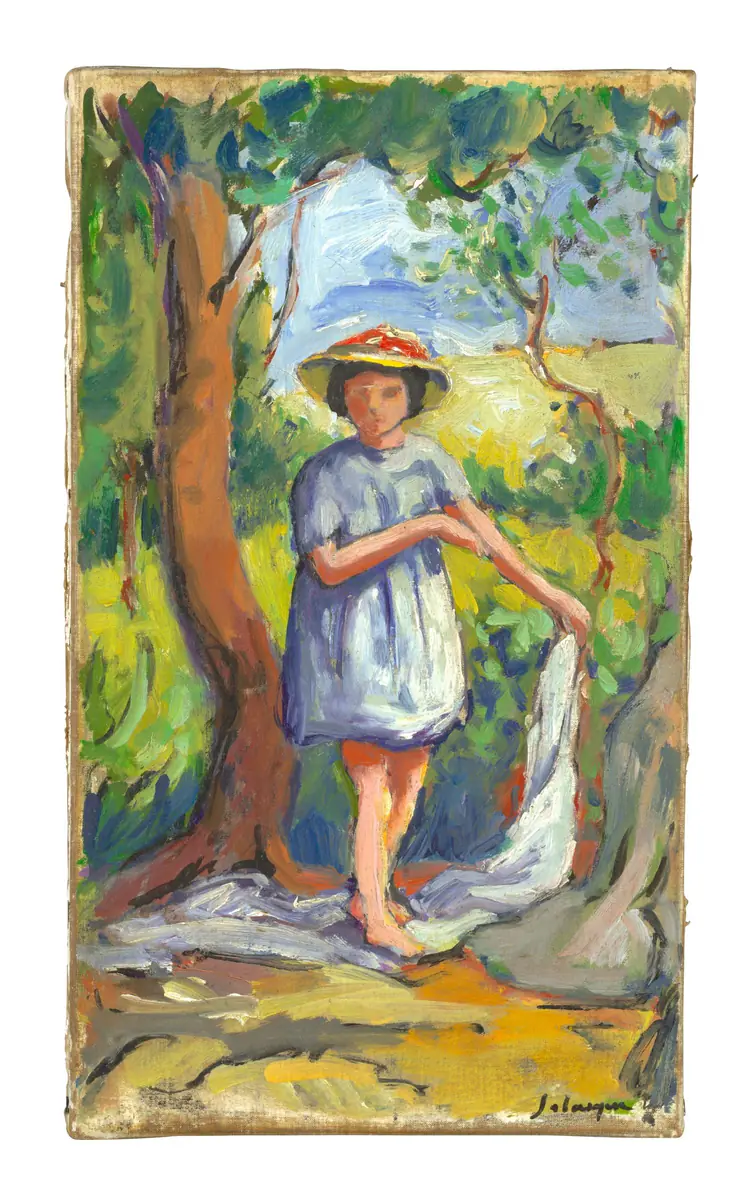
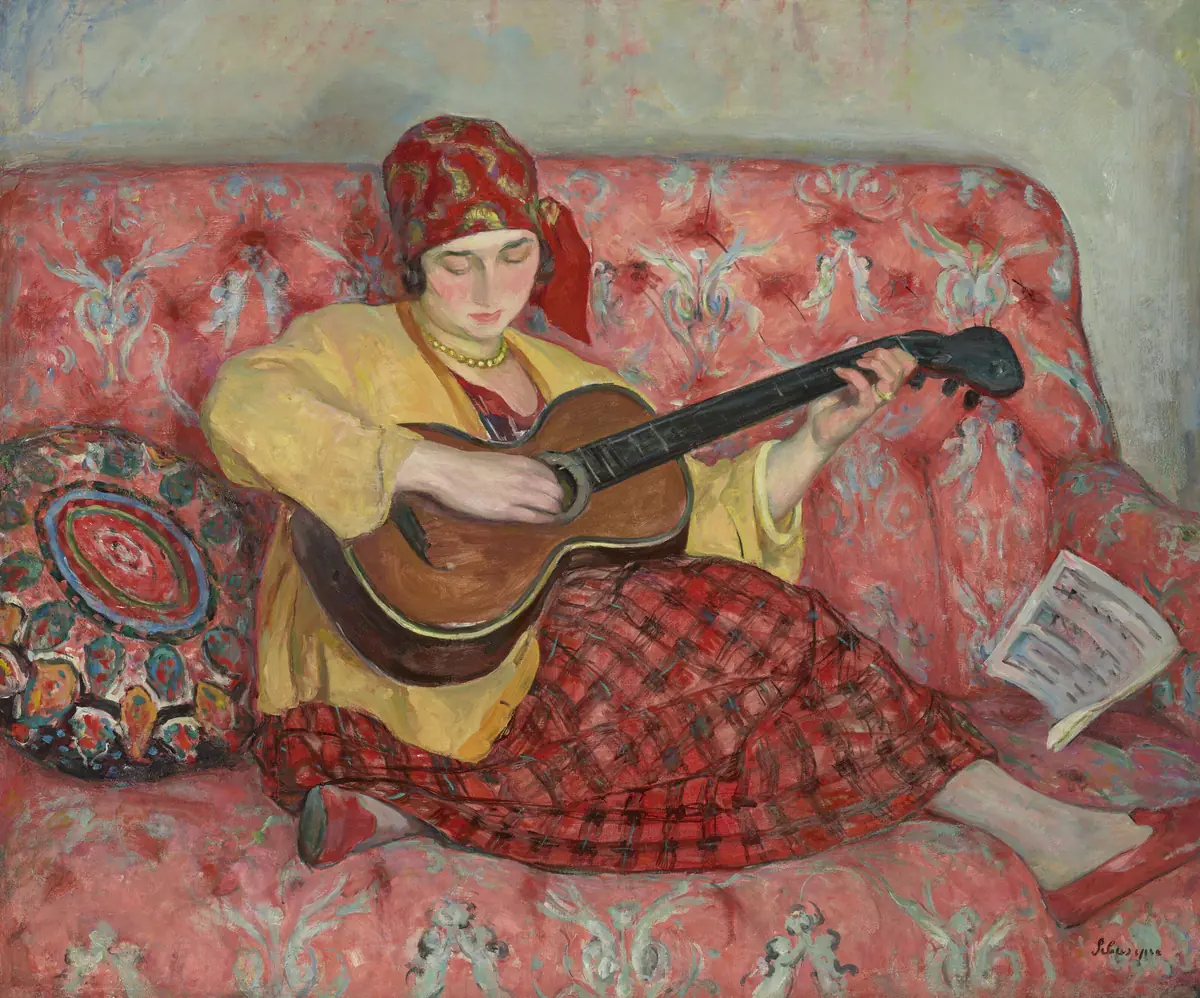
Henri Lebasque was born in Champigné, in Anjou, in 1865. Installed in Paris, he studied at the School of Fine Arts with Léon Bonnat then Ferdinand Humbert. His first years were built through contact with Maximilien Luce, Paul Signac and Georges Seurat. He retained from divisionism the use of complements and a touch capable of circulating light, but refused any rigidity of system. Close to Bonnard and Vuillard, he shared with the Nabis a taste for family scenes, interiors and decorative surfaces. In 1903, he shared with the Nabis a taste for family scenes, interiors and decorative surfaces. In 1903, he shared with the Nabis a taste for family scenes, interiors and decorative surfaces. In 1903, he shared with the Nabis a taste for family scenes, interiors and decorative surfaces. In 1903, he shared with the Nabis a taste for family scenes, interiors and decorative surfaces. In 1903, he shared with the Nabis a taste for family scenes, interiors and decorative surfaces. In 1903, he shared with the Nabis a taste for family scenes, interiors and decorative surfaces. In 1903, he shared with the Nabis a taste for family scenes, interiors and decorative surfaces. provocative. From a stay in Saint-Tropez in 1906, Le Midi profoundly transformed his work. Sanary, Nice, Sainte-Maxime, Cannes then Le Cannet offered him beaches, pines, terraces and enveloping light. In 1924, he settled permanently in Le Cannet, near Bonnard. His wife Catherine and their children Marthe, Hélène known as Nono, and Pierre became his essential models. Nono in Japanese dress unites family intimacy with the modern taste for patterns and flat areas. Young woman in an umbrella makes colorful shade a subject as important as the figure. The Bathers in Pierrefonds and the Nude lying in a landscape of Saint-Tropez show how the body integrates with trees, water and the sun without losing its human softness. Lebasque seeks neither the manifesto nor the scandal: he paints meals, readings, games, baths and moments of rest as lasting forms of fragile happiness. His touch widens in the Mediterranean years, the contours become simpler and the warm colors spread throughout the composition. Died at Le Cannet in 1937, he left a luminous testimony to family life and modern leisure activities at the beginning of the 20th century. The "Henri Lebasque" selection notably compares Young Woman with an Umbrella and Nono in a Japanese Dress. His reading favors composition.
In Lebasque, the fawn color does not scream: it envelops the family, the garden and the body in a familiar warmth where daily life becomes an art of happiness.
Course & style
Paris, Luce, Signac and Seurat lead towards a light based on complementaries and a divided touch. This milestone illuminates the "Henri Lebasque" collection by favoring composition.
Matisse, Saint-Tropez and Mediterranean stays release color at the heart of family scenes.
Family, nudes, balconies and gardens become the subjects of ample, warm and intimate painting.
Catherine, Marthe, Nono and Pierre give the scenes a lived familiarity rather than a manufactured charm. This trait guides a reading of "Henri Lebasque" centered on composition.
Roses, oranges, greens and blues oppose each other frankly but maintain an enveloping harmony.
The nude is inscribed in the trees, the terrace or the sea as a continuity of natural light.
Textile patterns, foliage and flat areas bring Lebasque closer to the Nabis without erasing depth or breathing.
Explore by universe
Works, visual language and historical landmarks make up a journey exclusively devoted to Henri Lebasque.
The figure, the umbrella and the garden come together in warm chords that make the sun a real character.
Landmark work by Henri Lebasque. Reading of "Henri Lebasque" through composition.The familiar model and the patterned garment combine the tenderness of the portrait and decorative audacity.
Landmark work by Henri LebasqueBodies, water and vegetation compose a free rhythm where intimacy meets the pleasure of the outdoors.
Landmark work by Henri LebasqueThe elongated body shares the curves and colors of the landscape in a peaceful vision of the South.
Landmark work by Henri LebasqueCatherine, Marthe, Nono and Pierre give the scenes a lived familiarity rather than a manufactured charm. This trait guides a reading of "Henri Lebasque" centered on composition.
Reading key for Henri LebasqueRoses, oranges, greens and blues oppose each other frankly but maintain an enveloping harmony.
Reading key for Henri LebasqueWorks to discover
Each card refers directly to its reproduction available on Shopify.


Our method
Each painting is made in oil on canvas by a specialized artist, then checked with you before shipping.
Each reproduction is unique. Slight variations of touch and material testify to the painter's manual work.
Choose wisely
Henri Lebasque's subjects and tones call for a format, a place and a frame chosen for the precise work.
Frequently asked questions
Yes. Each reproduction is hand painted in oil on canvas, without printing.
The painter uses the composition, values, colors and materials visible in the chosen work from the Henri Lebasque collection, with particular attention paid to composition.
Yes. The dimensions are adapted respecting the proportions and balance of the selected work.
Detailed photographs are sent before shipping; you can request edits before sending.
Custom reproduction
Send us an image, a museum reference, or the name of an artwork: we can create a custom reproduction.
Buying guide
A simple and reassuring process to order a handmade painted canvas, with validation before shipping.
Select a painting from the collection or send us a reference.
Choose the size and options that suit your interior.
Our artists create your oil reproduction, entirely handmade.
We send you a photo before shipping for validation.
Questions & Guide
Find answers to frequently asked questions and essential information about our hand-painted reproductions.
These answers reassure visitors who are discovering the concept of hand-painted reproductions.
Yes, our reproductions are oil paintings on canvas by experienced artists. Each canvas is hand-painted, not printed.
Yes. Before shipping, we send you a photo of the completed painting. You can then request adjustments if necessary.
The time depends on the format and complexity of the artwork. The painting generally takes several weeks, then the canvas is shipped with tracking.
Yes, you can choose a standard format or request a custom size adapted to your space.
Depending on the options available, the canvas can be delivered alone, mounted on a stretcher, or prepared for framing. Details are indicated on the product page.
Yes. You can send us an image, a museum reference, the name of an artwork, or a photo to request a custom reproduction.
Some guidelines for choosing a reproduction from this collection, comparing similar styles, and preparing your order.
This selection brings together artworks designed for art lovers who want to recapture the spirit of a famous painting in a hand-painted canvas. Each reproduction can be adapted to the desired format and validated by photo before shipping.
The available formats allow the artwork to be adapted to a living room, bedroom, office, or a more specific decorative project. The painting is executed in oil on canvas with particular attention to colors, textures, and overall balance.
If you are looking for a similar artwork, a similar artist, or a specific format, you can ask for advice. Reproductions can be adjusted before shipping thanks to photo validation.