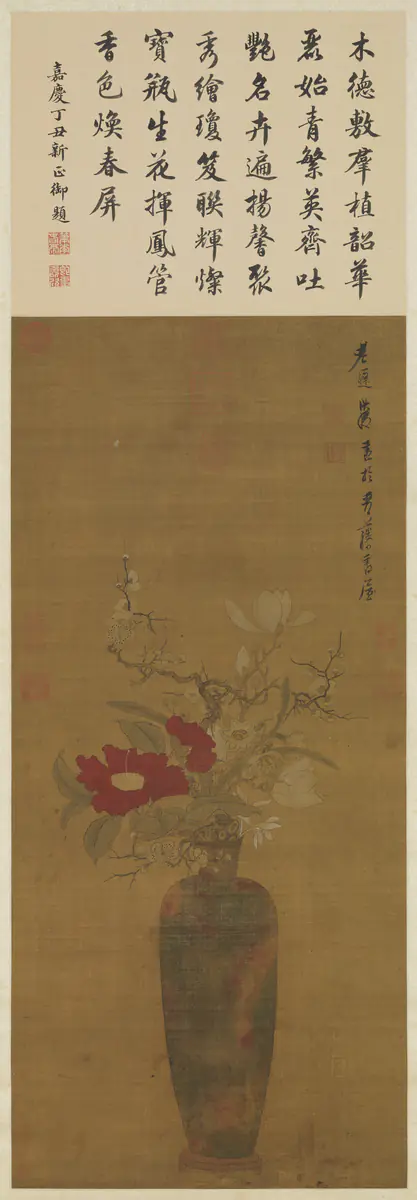
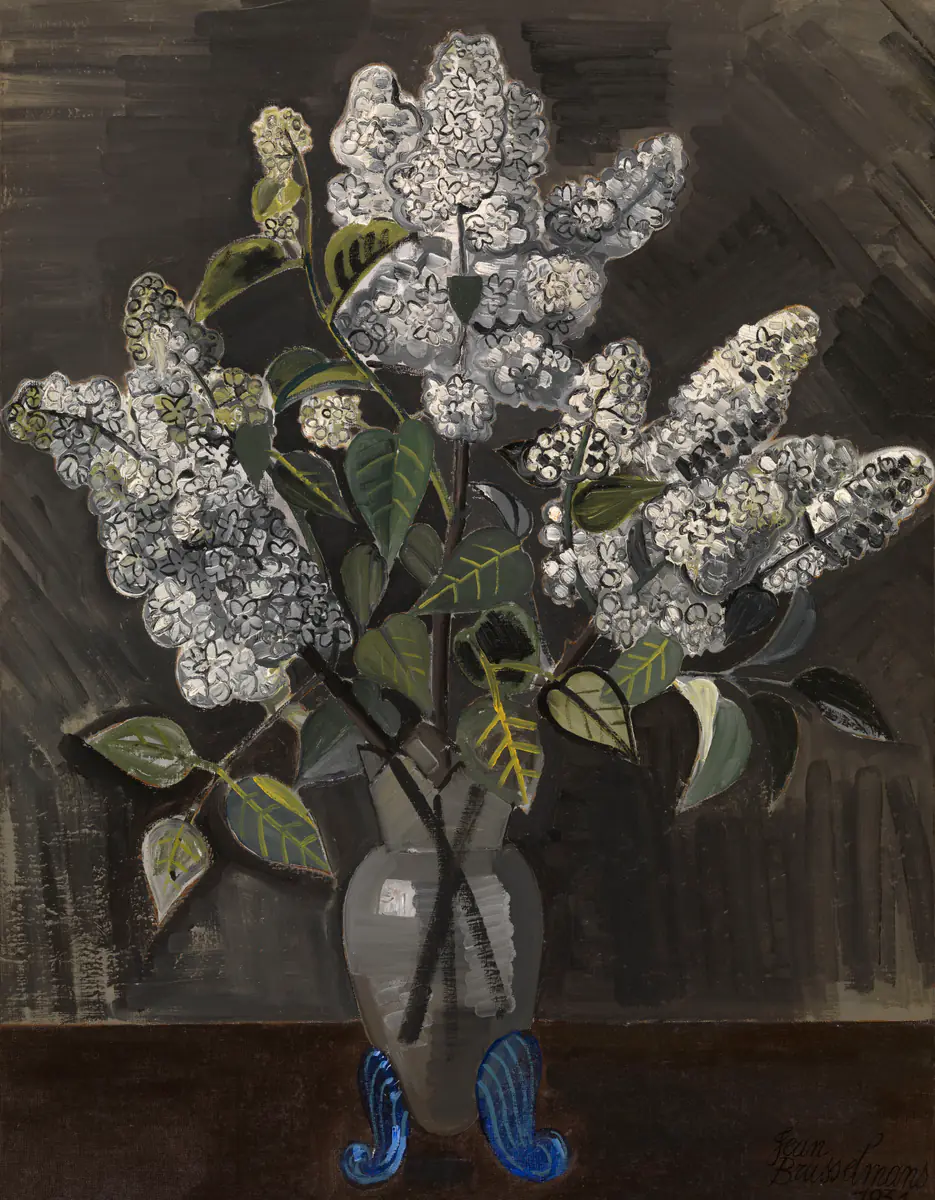
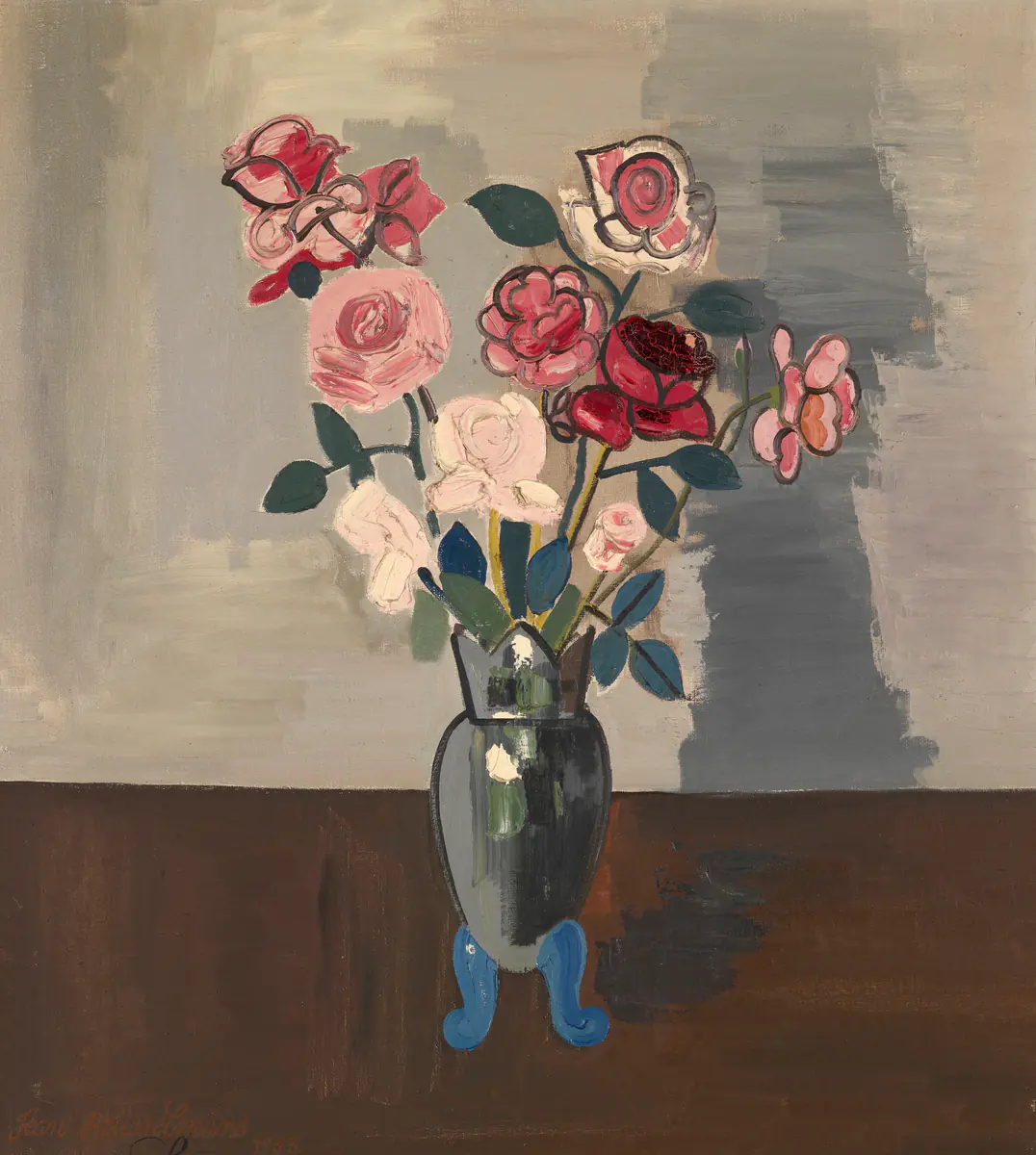
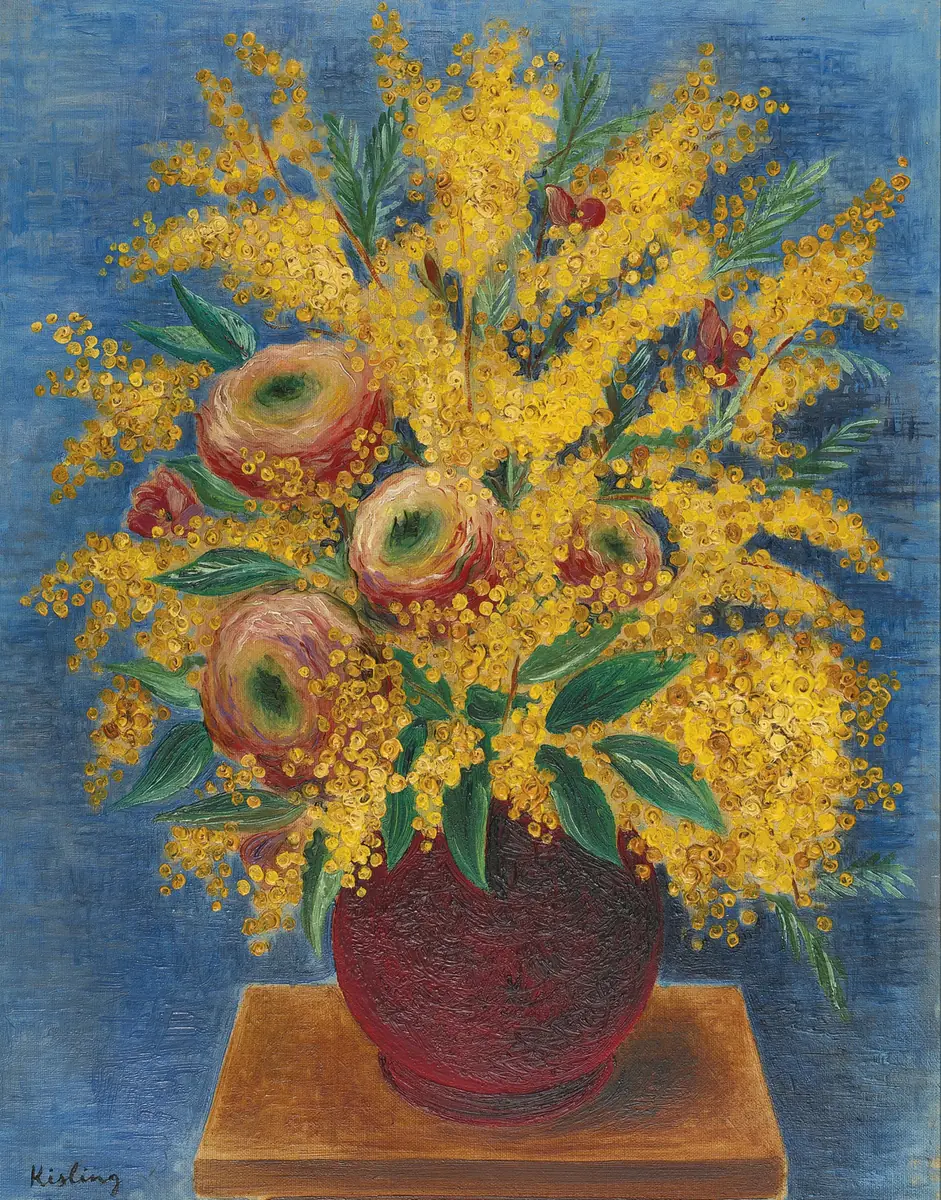
Floral painting crosses schools because it unites an instantly recognizable form with an almost infinite freedom of color, material and composition. In 17th century Europe, the rise of gardens, the plant trade and botanical illustration nourished bouquets which sometimes brought together species impossible to see flowering together. Clara Peeters observes drops, insect bites and faded petals; Juan de Arellano orchestrates abundance; Nicolaes van Veerendael combines precision and sumptuousness. Clara Peeters observes drops, insect bites and faded petals; Juan de Arellano orchestrates abundance; Nicolaes van Veerendael combines precision and sumptuousness. Beauty Peeters observes drops, insect bites and faded petals; Juan de Arellano orchestrates abundance; Nicolaes van Veerendael combines precision and sumptuousness. Beauty and fragility can then recall the passage of time. Beauty and fragility can then recall the passage of time. Beauty and fragility can then recall the passage of time. Beauty and fragility can then recall the passage of time. Beauty and fragility can then recall the passage of time. Beauty and fragility can then recall the passage of time. Beauty and fragility can then recall the passage of time. Beauty and fragility can then recall the passage of time. Beauty and fragility can then recall the passage of time. Beauty and fragility can then recall the passage of time. Beauty and fragility the nude model is often forbidden to them. In the 19th century, Vallayer-Coster, Fortuny, Chase or Van Gogh shifted attention to touch, lighting and sensitive experience. Van Gogh's irises become colorful rhythm; those of Ogata Kôrin, on screen, organize Japanese decorative space by repetition and interval. In the 20th century, Modersohn-Becker, Schiele, Ensor and Soutine simplified, twisted or intensified the flower. This collection therefore makes it possible to compare four centuries without reducing the subject to decoration: each bouquet also speaks of science, season, memory, identity and painting itself. This collection therefore makes it possible to compare four centuries without reducing the subject to decoration: each bouquet also speaks of science, season, memory, identity and painting itself. This collection therefore makes it possible to compare four centuries without reducing the subject to decoration: each bouquet also speaks of science, season, memory, identity and painting itself. This collection therefore makes it possible to compare four centuries without reducing the subject to decoration: each bouquet also speaks of science, season, memory, identity and painting itself. This collection therefore makes it possible to compare four centuries without reducing the subject to decoration: each bouquet also speaks of science, season, memory, identity and painting itself. The selection "Paintings of flowers still life look with cardoon, francolin, grapes and irises and hollyhocks. Its reading favors the atmosphere.
A painted flower does not fade, but it retains awareness of its fragility: it is this tension between the duration of the image and the brevity of life which renews the genre.