

Art history
Jo van Gogh-Bonger: the woman who built Vincent's posterity
Without Jo van Gogh-Bonger, Vincent van Gogh would perhaps have remained a painter admired by a few relatives, a few artists and a few critics. Widowed by Theo at twenty-eight, mother of a young child, she inherited a fragile mass: paintings, drawings, letters, emotional debts, family memory.
His strength was not to “discover” Vincent afterwards, but to transform a scattered heritage into a readable work: preserve, choose, exhibit, sell with caution, publish the letters and construct a story.

Short answer
Why is Jo so important?
Because she understood very early on that Van Gogh could not be defended only by isolated paintings. It also required letters, exhibitions, critical relays, a sales strategy and a human story capable of holding work and life together.
She keeps
After Theo's death, she kept the paintings, drawings and letters instead of dispersing them too quickly.
She shows
She seeks exhibitions, critics, artists and circles capable of defending Vincent.
She sells methodically
It allows certain works to enter visible collections, without emptying the family heritage.
She publishes
The letters make Vincent readable: they give a voice, a thought, a trajectory.
An impossible legacy
A widow, a child, an immense work
Jo does not go down in Van Gogh's history as a comfortable heiress. She became a widow in January 1891, a few months after Vincent's death, with a son born the previous year: Vincent Willem van Gogh.
What she receives is not yet a recognized fortune. It is a set of difficult paintings, drawings, letters and responsibilities. Vincent's posterity begins in this concrete situation: a woman must support a child and protect a work that the market does not yet fully understand.

A family image
The Almond Tree in bloom, birth and transmission
Almond tree in bloom is painted to celebrate the birth of Vincent Willem, Jo and Theo's son. The work condenses almost everything: the brotherhood between Vincent and Theo, the birth of a child, then the transmission of a collection which would later become the heart of the Van Gogh Museum.
In Jo's story, this painting is not just a decorative icon. This is proof that Vincent's posterity is also a matter of family, mourning and organized memory.
Timeline
The dates which explain its action
Jo's life reads like a series of trials and decisions. Each stage transforms personal mourning into public work: exposing, writing, classifying, transmitting.
Born in Amsterdam
Johanna Gezina Bonger grew up in a cultured environment. She became a teacher, wrote diaries and developed a very strong literary sensitivity.
Marriage to Theo van Gogh
She marries Theo, an art dealer and essential supporter of Vincent. She discovers the relationship between the two brothers up close.
Birth of Vincent Willem and death of Vincent
His son was born on January 31, 1890. Vincent died in July in Auvers-sur-Oise. The family falls into an already painful memory.
Death of Theo
Theo dies in turn. Jo becomes the guardian of works and correspondence.
First exhibitions and first relays
She contacted writers, critics and artists. Jo's diaries show the importance of this network: Jan Veth, Richard Roland Holst, Jan Toorop, Frederik van Eeden and others.
Publication of letters
She edited Vincent's letters to Theo. This gesture changes everything: Van Gogh also becomes a writer of his own painting.
Death of Jo
Upon his death, the collection passed to his son Vincent Willem, who would later play a decisive role in the creation of the Van Gogh Museum.
Actual archives
More photos and documents to see Jo differently
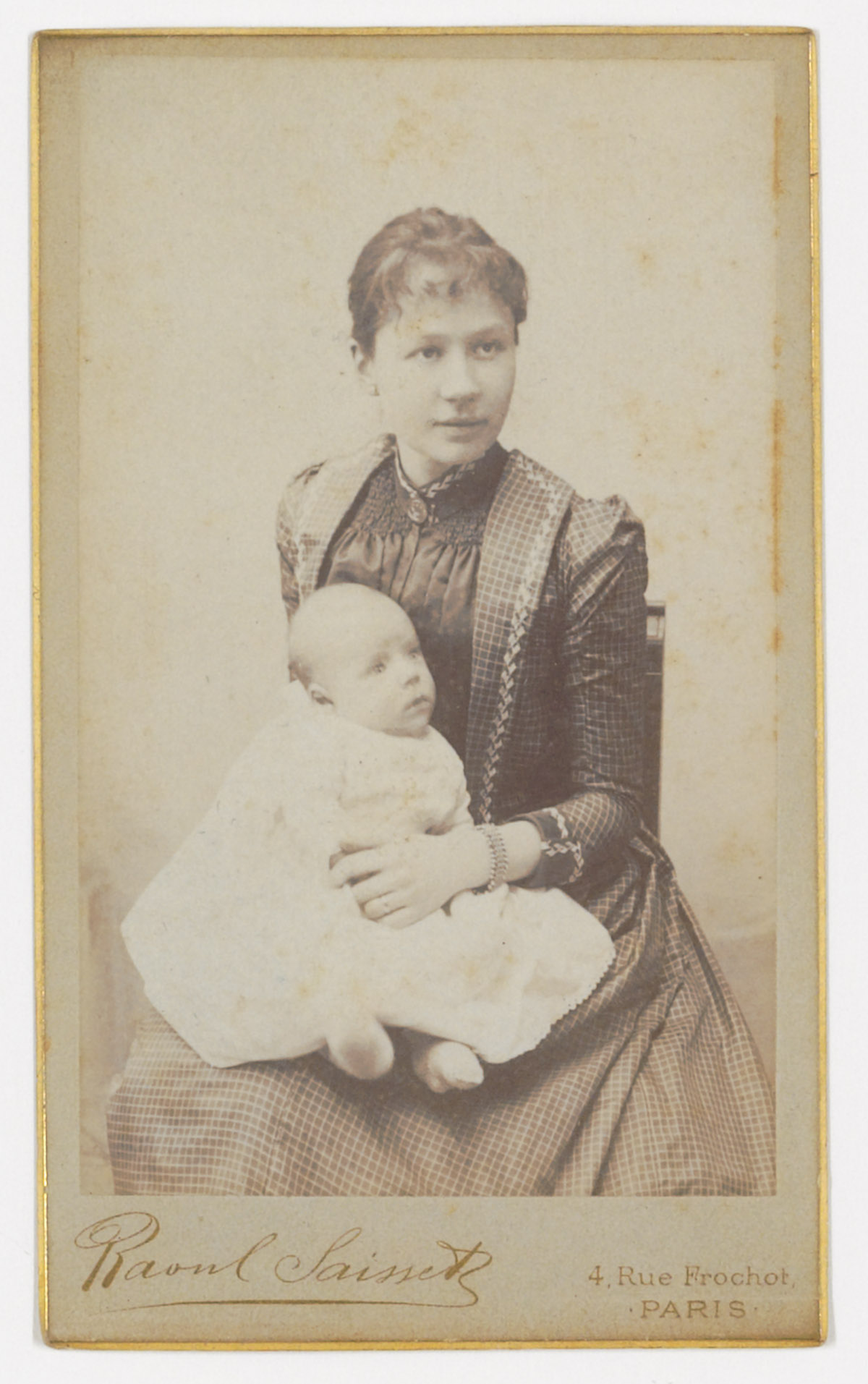
Jo is not just a name in a museum note. The photographs, portraits and editing pages show a woman caught between family life, intellectual work and historical responsibility.

Young Jo, before the legend
These portraits from the end of the 1880s place Jo before the mission that will fall on her: a cultured young woman, teacher, reader, still far from the role of architect of Vincent's posterity.

A story of transmission
Van Gogh's posterity involves very concrete links: Jo, Theo, their son Vincent Willem, then a collection which gradually becomes an organized family memory.

Jo after Theo
This portrait reminds us that Jo also has a life after Theo: she remarried Johan Cohen Gosschalk, continued to write, translate and defend the Van Gogh legacy.

The letters become a monument
Publishing the letters is moving Van Gogh from the simple myth of the suffering painter to a precise voice: an artist who thinks, reads, argues and describes his method.

Jo's name in the edition
Old editions indicate her role: the letters are collected and presented by Vincent's sister-in-law. Jo not only transmits papers, she constructs a reading.

A figure who remained behind the work for a long time
For a long time, history has held Vincent and Theo back. The archives put Jo back in the foreground: the one who classifies, writes, sells, exhibits and makes it last.
His method
How Jo builds a reputation
Jo doesn't just love the work. She acts as an editor, archivist, strategist, mediator and almost an early artistic agent.
Create a circle of defense
She is looking for people capable of speaking about Vincent with authority: critics, artists, writers, exhibition organizers. A reputation is not born alone; she circulates.
Don't sell everything
The temptation could have been to liquidate quickly. Jo understands on the contrary that we must preserve a strong core, sell carefully and maintain consistency.
Bring tables and letters into dialogue
The letters explain the motives, the ambitions, the readings, the doubts. They give Vincent an intellectual presence, not just an image of a cursed painter.
Transform mourning into a story
Jo honors Theo by extending the mission he had begun: to have Vincent recognized. But she does it with her own energy, her writing and her sense of the long term.
Choose the right relays
Jo isn't just looking for buyers. She looks for people who can explain Van Gogh: writers, friendly artists, critics sensitive to modernity, literary circles and exhibitions where the work can be discussed.
Install a rarity
By keeping important works in the family, she prevents Van Gogh from becoming a scattered commodity. This reserve gives weight to exhibitions and prevents the work from being absorbed too quickly by the market.
Have people read before judging
The letters move the gaze: the public discovers a cultured man, attentive to books, artists, colors, lighting effects. Jo gives the viewer words to look at the paintings.
Preparing the institution
His conservation work makes the sequel possible: his son Vincent Willem will inherit an already structured ensemble, which will serve as the basis for Van Gogh's public memory.
Van Gogh's posterity is not just the story of a misunderstood artist who became famous. It is also the story of a woman who knew how to protect a work long enough for the world to learn to see it.
Key images
What Jo made visible
Van Gogh's paintings existed before Jo, obviously. But their circulation, their grouping, their storytelling and their conservation have allowed them to become universal landmarks.

Jo by Isaac Israels
An image of Jo at the end of her life, when Vincent's recognition is already underway.

The Room in Arles
Works from the Arles period gradually become central images of the Van Gogh story.
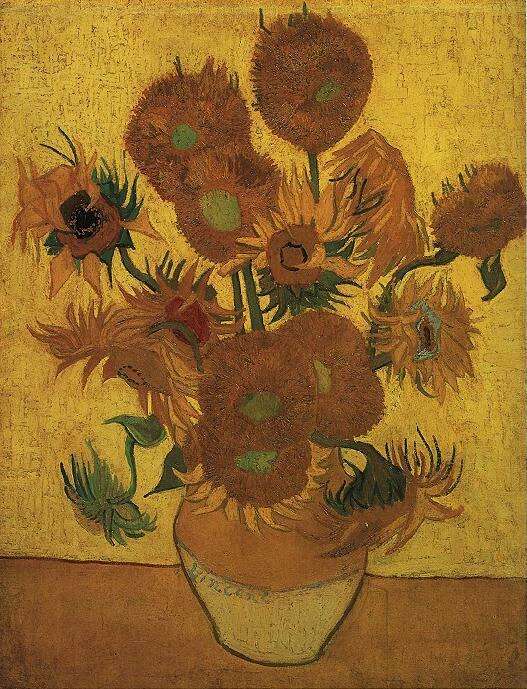
Sunflowers
Strong series help the audience understand Van Gogh: colors, repetitions, intensity, variations.
Important nuance
Jo didn't invent Van Gogh: she made his work transferable
To say that Jo “a made” Van Gogh would be unfair to the artist. But forgetting Jo would be unfair to the story. Between talent and fame, there is a concrete space: archives, exhibitions, dealers, critics, publications, heirs.
| Action by Jo | Immediate effect | Long-term effect |
|---|---|---|
| Keep a core of works | Avoid too rapid dispersion | Allow a coherent reading of the career |
| Organize and encourage exhibitions | Put Van Gogh in front of new audiences | Gradually install its name in the history of modern art |
| Edit letters | Give access to Vincent's thoughts | Make Van Gogh an artist-writer, commentator on his own work |
| Send to Vincent Willem | Preserve the family collection | Prepare the institutional basis that will lead to the Van Gogh Museum |
In the store
Watch Van Gogh after Jo
After understanding Jo's role, the works no longer look only at themselves as famous images: they also become traces of a fragile transmission.

Vincent van Gogh
All the great works: portraits, flowers, landscapes, nights and Arles.

Sunflowers
A series that has become almost synonymous with Van Gogh.

Self-portraits
The myth of Vincent was also constructed by these images of himself.

Arles
The South, color, series and the dream of a workshop.
Sources
Useful sources to go further
Jo is better known today thanks to research by the Van Gogh Museum, digital publishing of her journals and recent work on her biography.
Jo Bonger Diaries
Digital edition of Jo's diaries by the Van Gogh Museum.
LettersVan Gogh Letters
Correspondence by Vincent van Gogh, essential resource for understanding the work.
MemoryA Memoir of Vincent van Gogh
Text by Jo on Vincent, republished by Getty Publications.
PicturesWikimedia Commons
Portraits and photographs by Jo van Gogh-Bonger.
FAQs
Frequently asked questions
Quick answers to put Jo back in Van Gogh's story.
Who was Jo van Gogh-Bonger?
Jo van Gogh-Bonger was the wife of Theo van Gogh, the sister-in-law of Vincent van Gogh, the mother of Vincent Willem van Gogh, and the principal guardian of Vincent's artistic and epistolary legacy after 1891.
Why is it said that she made Van Gogh famous?
Because she preserved the works, encouraged exhibitions, sought critical relays, sold cautiously and edited Vincent's letters to Theo, which profoundly shaped the artist's public image.
Did Jo own Van Gogh's paintings?
After Theo's death, a large part of the works and letters preserved by the two brothers passed into his hands. She becomes its guardian and gradually organizes its distribution.
What is the link with the Van Gogh Museum?
Jo passes on the inheritance to her son Vincent Willem van Gogh. He then played a major role in the conservation of the family collection and the founding of the Van Gogh Museum.
Conclusion
Jo van Gogh-Bonger gave Van Gogh time
She didn't paint the paintings, but she kept them from getting lost in the noise of the world. She gave Vincent what every artist who died too soon needs: an archive, a voice, witnesses, exhibitions and an organized memory.
See Van Gogh reproductions
0 comments