

New York School, action painting and Color Field
Top 50 Abstract Expressionist Painters: Pollock, Rothko, Krasner and De Kooning
A guide to understanding Pollock energy, Rothko fields, Krasner force, De Kooning, Kline, Newman, Still, Frankenthaler and Mitchell.
Abstract expressionism moved the center of modern art to New York after 1945. The canvas is no longer just an image: it becomes an event, a surface of struggle, silence, color or presence. Action painting, Color Field, lyrical abstraction, collage, sculpture and international legacies compose here a story in 50 artists.

Before the grid
Why Abstract Expressionism Remains a Visual Shock
Movement brings together two great impulses: on the one hand gesture, accident, speed and matter; on the other the colored field, meditation, silence and immersion. Pollock, De Kooning or Kline make painting an action, while Rothko, Newman or Still transform color into an almost metaphysical space.
This Top 50 is not limited to the male heroic narrative. It integrates Krasner, Frankenthaler, Mitchell, Hartigan, Sobel, Sterne, Fine, Godwin, Gechtoff or DeFeo, as well as Canadian, French, Japanese and Chinese extensions linked to gestural or lyrical abstraction. Robert Motherwell, Michael Goldberg, Jules Olitski and other important figures remain benchmarks of the context, even when they are not on the map due to lack of a stable usable visual.
Top 1 to 10
New York School: gesture, colorful field and rupture
The first block brings together the figures who give abstract expressionism its historical weight: Pollock, Rothko, De Kooning, Krasner, Kline, Newman, Still, Gorky and Hofmann.
#1
Jackson Pollock
Pollock imposes dripping as a theater of gesture: the canvas becomes a field of energy, rhythm and physical traces.
See the Jackson Pollock collection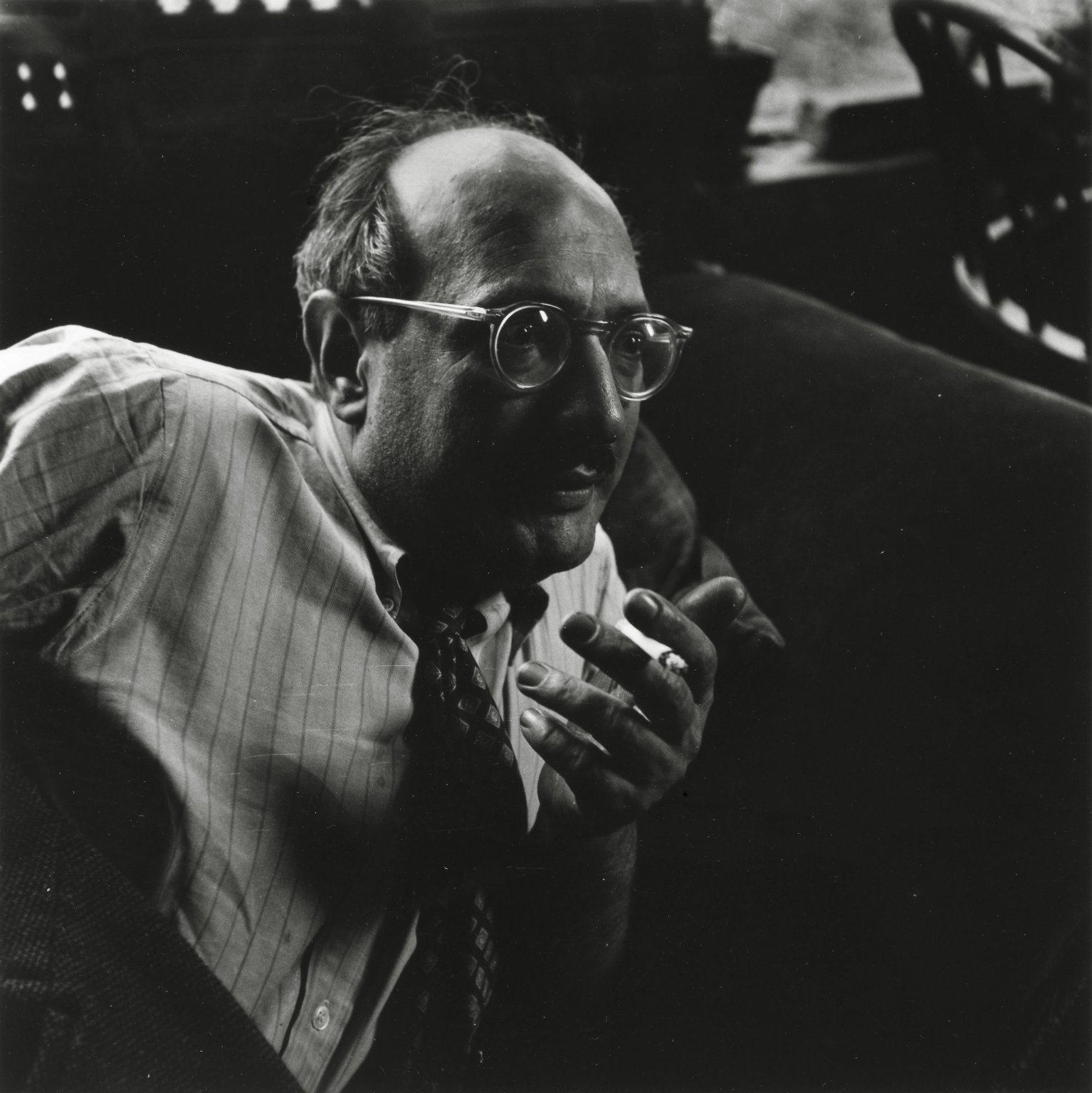 #2
#2
Mark Rothko
Rothko transforms color into spiritual space: large floating rectangles, silent, almost meditative.
Read Mark Rothko's biography on Wikipedia #3
#3
Willem de Kooning
De Kooning mixes figure, abstraction, matter and speed with a nervous, carnal and constantly unstable painting.
Read Willem de Kooning's biography on Wikipedia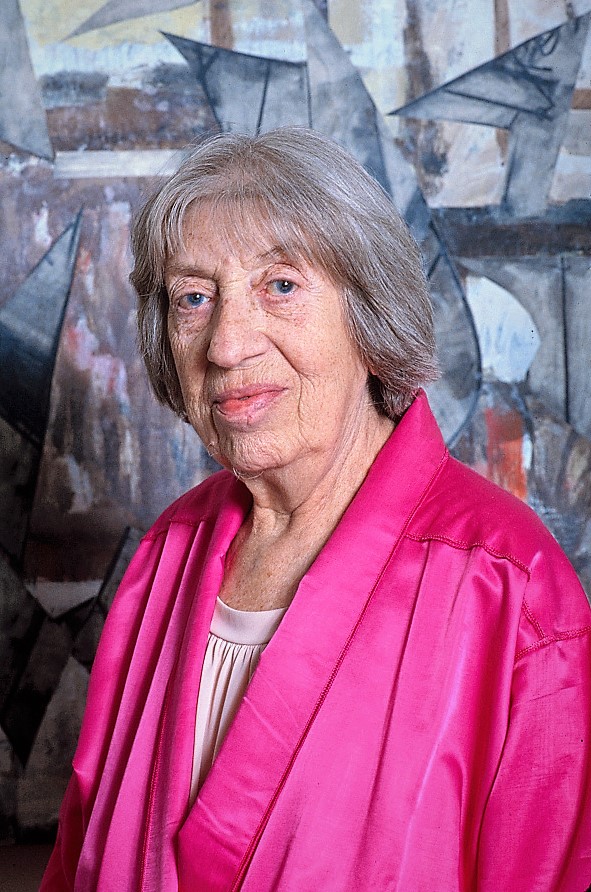 #4
#4
Lee Krasner
Krasner constructs a powerful work, made of gestures, cuts, recompositions and an energy that is never decorative.
Read Lee Krasner's biography on Wikipedia #5
#5
Franz Kline
Kline gives black and white architectural force: massive, rapid signs, stretched like frames.
Read Franz Kline's biography on Wikipedia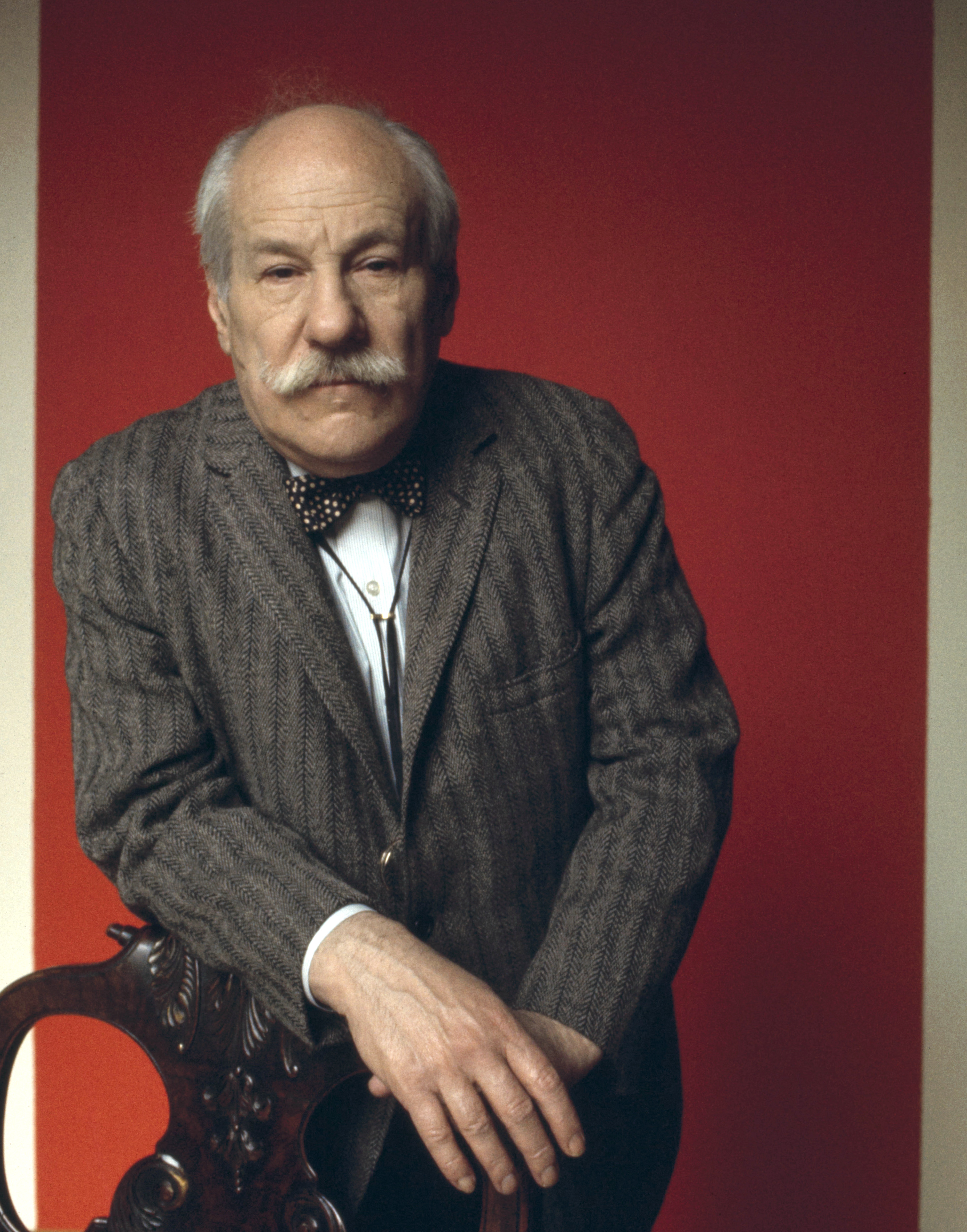 #6
#6
Barnett Newman
Newman reduces painting to the experience of the colored field and the zip, a vertical line that opens up space.
Read Barnett Newman's biography on Wikipedia #7
#7
Clyfford Still
Still works torn, volcanic fields of color, where the surface appears cut by a primitive force.
Read Clyfford Still's biography on Wikipedia #8
#8
Norman lewis
Lewis brings to abstract expressionism a vibration of signs, crowds, jazz and social memory.
Read Norman Lewis' biography on Wikipedia #9
#9
Arshile Gorky
Gorky prepares abstract expressionism by merging surrealism, biomorphism, memory and fluid drawing.
See the Arshile Gorky collection #10
#10
Hans Hofmann
Hofmann transmitted to American painters a thought of color, spatial thrust and pictorial tension.
Read Hans Hofmann's biography on WikipediaRanks 11 to 20
Women, second generation and action painting
This section emphasizes the vitality of the gesture, the long underestimated trajectories and the passages between abstraction, figure and color.
 #11
#11
Adolph Gottlieb
Gottlieb moves from pictograms to cosmic forms, with dense, symbolic and frontal abstraction.
Read Adolph Gottlieb's biography on Wikipedia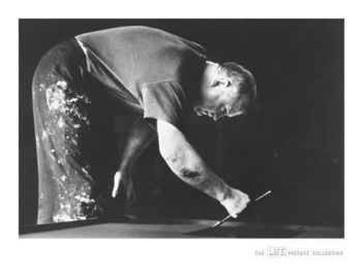 #12
#12
Ad Reinhardt
Reinhardt pushes the painting towards the limit: almost monochrome, almost silence, but full of nuances.
Read Ad Reinhardt's biography on Wikipedia #13
#13
Philip Guston
Guston goes through gestural abstraction before returning to a brutal, moral and very personal figuration.
Read Philip Guston's biography on Wikipedia #14
#14
Helen Frankenthaler
Frankenthaler invents soak-stain: color penetrates the canvas and becomes light, stain, interior landscape.
Read Helen Frankenthaler's biography on Wikipedia #15
#15
Joan Mitchell
Mitchell transforms gestural painting into sensations of landscape, memory, color and speed.
Read Joan Mitchell's biography on Wikipedia #16
#16
Elaine de Kooning
Elaine de Kooning connects portrait, abstraction and rapid gesture, with direct, luminous and mobile painting.
Read Elaine de Kooning's biography on Wikipedia #17
#17
Grace Hartigan
Hartigan retains expressionist energy while reintroducing fragments of popular culture, figure and narrative.
Read Grace Hartigan's biography on Wikipedia #18
#18
Beauford Delaney
Delaney connects portrait, abstraction, yellow light and spiritual intensity in a deeply vibrant work.
Read Beauford Delaney's biography on Wikipedia #19
#19
Norman Bluhm
Bluhm gives abstract gestures an almost choreographic breadth, between bursts, curves and sensuality.
Read Norman Bluhm's biography on Wikipedia #20
#20
Sam Francis
Francis opens the canvas with color, whites, splashes and breathing close to light.
Read Sam Francis' biography on WikipediaRanks 21 to 30
Symbols, biomorphism and Color Field
From organic shapes to colorful fields, these artists open abstract expressionism to spirituality, spot, color and space.
 #21
#21
Richard Pousette-Dart
Pousette-Dart develops a cosmic, spiritual abstraction, made of signs, points, vibrations and density.
Read the biography of Richard Pousette-Dart on Wikipedia #22
#22
Janet Sobel
Sobel anticipates certain logics of dripping through all-over, organic, free and visionary surfaces.
Read Janet Sobel's biography on Wikipedia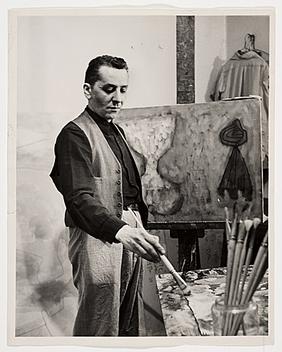 #23
#23
William Baziotes
Baziotes connects surrealism, organic forms and poetic abstraction in a mysterious and nocturnal painting.
Read the biography of William Baziotes on Wikipedia #24
#24
Theodoros Stamos
Stamos works with organic color fields, inspired by nature, strata and primordial shapes.
Read the biography of Theodoros Stamos on Wikipedia #25
#25
Mark Tobey
Tobey develops a dense calligraphic abstraction, crossed by fine signs, spirituality and Asian influences.
Read Mark Tobey's biography on Wikipedia #26
#26
Morris Louis
Louis flows color in transparent veils, preparing a more open and impersonal chromatic abstraction.
Read Morris Louis' biography on Wikipedia #27
#27
Kenneth Noland
Noland organizes color into targets, chevrons and bands, with a clarity inherited from abstract expressionism.
Read Kenneth Noland's biography on Wikipedia #28
#28
Lynne Drexler
Drexler develops a colorful and pulsating abstraction, close to music, landscape and repeated touches.
Read Lynne Drexler's biography on Wikipedia #29
#29
Mercedes Matter
Matter participates in the New York School with a constructed, intense painting, nourished by Cézanne and gestural abstraction.
Read Mercedes Matter's biography on Wikipedia #30
#30
Ibram Lassaw
Lassaw transposes expressionist energy into an open, welded, cosmic and almost molecular sculpture.
Read Ibram Lassaw's biography on WikipediaRanks 31 to 40
Collage, sculpture and peripheral scenes
The movement is not limited to the great heroic gesture: collage, sculpture, material, West Coast and female figures broaden the story.
 #31
#31
Al Held
Held moves from thick gestural matter to abstract, massive, almost perspectivist architectures.
Read Al Held's biography on Wikipedia #32
#32
Jack Tworkov
Tworkov gives the gesture a sober, rhythmic structure, where improvisation confronts order.
Read Jack Tworkov's biography on Wikipedia #33
#33
Conrad Marca-Relli
Marca-Relli makes collage a pictorial architecture, between fragments, surfaces and abstract construction.
Read Conrad Marca-Relli's biography on Wikipedia #34
#34
Esteban Vicente
Vicente develops a luminous abstraction, made of colorful shots, papers, tensions and softness.
Read Esteban Vicente's biography on Wikipedia #35
#35
Hedda Tern
Sterne crosses the New York School without letting himself be locked in, between machines, verticalities and floating signs.
Read Hedda Sterne's biography on Wikipedia #36
#36
Fine Pearl
Fine combines rigor, color and gestural sensitivity, with an important place in American abstraction.
Read the biography of Perle Fine on Wikipedia #37
#37
Judith Godwin
Godwin connects gesture, space and movement, influenced in particular by modern dance and action painting.
Read Judith Godwin's biography on Wikipedia #38
#38
Sonia Gechtoff
Gechtoff gives the West Coast an intense, luminous abstraction, made of lines, masses and momentum.
Read Sonia Gechtoff's biography on Wikipedia #39
#39
Jay DeFeo
DeFeo pushes the material towards monumental relief, between painting, sculpture and obsession with the surface.
Read Jay DeFeo's biography on Wikipedia #40
#40
David Smith
Smith gives sculpture the energy of abstract expressionism: steel, gesture, verticality and frontal presence.
Read David Smith's biography on WikipediaRanks 41 to 50
International extensions and lyrical legacies
The last block connects New York to Canadian, French, Japanese and Chinese extensions of gestural and lyrical abstraction.
 #41
#41
Cy Twombly
Twombly transforms the gesture into writing, scratching, classic memory and fragile trace on the surface.
Read Cy Twombly's biography on Wikipedia #42
#42
Robert rauschenberg
Rauschenberg starts from the energy of the New York workshop to open painting towards the object, the image and reality.
Read Robert Rauschenberg's biography on Wikipedia #43
#43
Jean Paul Riopelle
Riopelle connects automatism, fragmented matter and gestural energy in a dense and flamboyant abstraction.
Read the biography of Jean-Paul Riopelle on Wikipedia #44
#44
Paul-Emile Borduas
Borduas takes Quebec automatism towards a free, rebellious abstraction, close to the expressionist impulse.
Read the biography of Paul-Émile Borduas on Wikipedia #45
#45
Pierre Soulages
Soulages is not New Yorker, but his black-light dialogues with the gestural power and the monumental surface.
Read the biography of Pierre Soulages on Wikipedia #46
#46
Georges Mathieu
Mathieu pushes painting towards speed, sign, performance and spectacular calligraphy.
Read the biography of Georges Mathieu on Wikipedia #47
#47
Nicholas of Stael
De Staël does not belong to New York, but his colorful masses connect figuration, abstraction and lyrical intensity.
See the Nicolas de Staël collection #48
#48
Kumi Sugai
Sugaï brings to the abstract gesture a graphic, rapid tension, between Japanese sign, speed and urban modernity.
Read Kumi Sugaï's biography on Wikipedia #49
#49
James Brooks
Brooks explores spot, transparency, and open composition, in the direct orbit of the New York School.
Read James Brooks' biography on Wikipedia #50
#50
Zao Wou-Ki
Zao Wou-Ki merges interior landscape, calligraphic breath, color and international lyrical abstraction.
Read Zao Wou-Ki's biography on WikipediaMethod
How the 50 artists were selected
The selection starts from the historical core of the New York School, then expands towards the women of the movement, the second generation, Color Field, sculpture linked to abstract expressionism and international extensions of gestural abstraction.
The link rule remains the same: artists who died in 1956 or before refer to an internal collection; artists who died after 1956, or who are still alive, refer to Wikipedia.
Choose an entry
Where to start?
For action painting, start with Pollock, De Kooning, Krasner, Kline, Guston and Mitchell. For Color Field, look at Rothko, Newman, Still, Frankenthaler, Louis and Noland. For less expected trajectories, explore Sobel, Lewis, Delaney, Sterne, Fine, Gechtoff or DeFeo.
If you like international bridges, Riopelle, Borduas, Soulages, Mathieu, De Staël, Sugaï and Zao Wou-Ki show how the abstract gesture circulates beyond New York.
Continue
Guides, rankings and references
Explore Alpha Reproduction
Museum landmarks
Quick markers
The web as an event
Abstract expressionism has changed the way we look at a painting: no longer just as a window, but as a physical presence, a space of projection, shock or contemplation.
From Pollock to Zao Wou-Ki, from Rothko to Mitchell, this Top 50 shows a plural movement: heroic sometimes, intimate often, crossed by gesture, color, body, memory and silence.
0 comments