

Top 100 · Pop Art
The 100 artists who transformed popular culture into art
From Warhol to Lichtenstein, from Hockney to Kusama: mass images, bold colors and global icons.
Pop Art isn't just lively, seductive or decorative. He observes advertising, consumption, fame and industrial reproduction to reveal how images shape our desires. This Top 100 connects the Anglo-American historical home to its precursors, to narrative Figuration and to neo-Pop and urban legacies.

Advertising, comics, objects, portraits and urban culture.
Understand before classifying
Pop Art looks at a world already full of images
In the mid-1950s, British artists and critics questioned magazines, cinema, household appliances and advertising within the Independent Group. In the United States, these same materials meet an economy of abundance, television and celebrity worship. The subject is no longer just what the artist sees in the street: it is what the industry already shows him.
Pop Art thus blurs the boundaries between scholarly culture and popular culture. A soup can, a comic book box or a road sign acquires the presence of an official portrait. Behind the apparent simplicity, the issue is profound: who creates the images, how do they circulate and what happens to them when an artist isolates them, enlarges them or repeats them?
Pop language
Repetition turns icon into product - and product into mirror
Screen printing, collage, flatness and mechanical reproduction deliberately reduce hand marks. At Warhol, repetition can make a star as familiar as a supermarket item; at Lichtenstein, the printing point becomes monumental architecture; at Oldenburg, the ordinary object changes scale until it becomes strange.
Pop is therefore neither a naive celebration of consumption nor a uniform denunciation. It works out of ambiguity. His works attract with their clarity, humor and colors, while revealing the standardization of tastes, the wear and tear of images and the proximity between desire, commerce and power.
An international story
The movement becomes global and changes support
Very quickly, Pop logic overtook London and New York. French Narrative Figuration reintroduces the political narrative; New Realism collects material traces of society; Italy, Germany, Latin America and Japan invent their own responses to media culture.
From the 1980s, neo-Pop, appropriation, staged photography and urban art further moved the field. Logos, mangas, posters, television and then digital networks join a vocabulary that has become global. The following ranking favors influence, plastic invention, international reach and the real relationship of each artist with this expanded history.
Chapter I · 1 -20
The historical core
Figures that impose the mundane object, advertising, comics and fame at the center of post-war art.
 #1
#1
Andy Warhol
It transforms celebrities, products and news items into screen-printed icons where repetition becomes both seduction and criticism.
Read the biography #2
#2
Roy Lichtenstein
Its enlarged boxes, Benday frames and comic book bubbles radically blur the line between painting and printed image.
Read the biography #3
#3
David Hockney
Swimming pools, portraits, landscapes and photomontages allow it to constantly renew the color and space of modern life.
Read the biography #4
#4
Tom Wesselmann
His Great American Nudes, mouths and still lifes cut advertising desire into frank and sensual flat areas.
Read the biography #5
#5
Robert Indiana
The word LOVE, numbers and road signs become monumental emblems of America for him.
Read the biography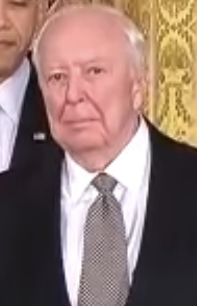 #6
#6
Jasper Johns
Familiar flags, targets and numbers reintroduce the object and sign to the heart of post-war painting.
Read the biography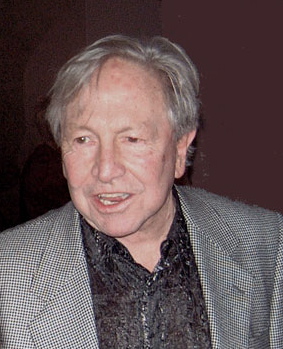 #7
#7
Robert rauschenberg
His Combines combine painting, photography and found objects to abolish the distance between art and the street.
Read the biography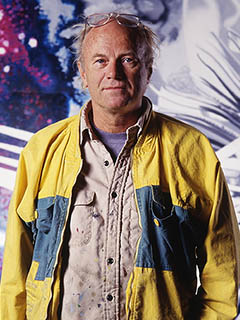 #8
#8
James Rosenquist
Trained in sign painting, he fragments the advertising scale into vast, rapid and cinematic compositions.
Read the biography #9
#9
Claes Oldenburg
He enlarges hamburgers, electrical outlets and soft objects until he transforms the banal into a spectacular public sculpture.
Read the biography #10
#10
Richard Hamilton
His 1956 collage condenses body, household appliances, media and consumption into one of the founding images of British Pop.
Read the biography #11
#11
Peter Blake
Collages, portraits and record covers combine popular memory, music and British culture.
Read the biography #12
#12
Eduardo Paolozzi
His collages of magazines and machines foreshadowed the technological imagination of Pop Art since the 1940s.
Read the biography #13
#13
Allen Jones
It transforms bodies, furniture and fetishism into provocative images that question desire and objectification.
Read the biography #14
#14
Pauline Boty
A major figure in British Pop, she paints stars, politics and sexuality with a freedom as brilliant as it is critical.
Read the biography #15
#15
Marisol Escobar
Its painted wooden figures transform celebrities and the bourgeoisie into an ironic social theater.
Read the biography #16
#16
Mel Ramos
Pin-ups, superheroes and consumer products make up a deliberately smooth and ambiguous painting.
Read the biography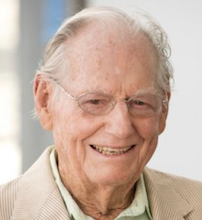 #17
#17
Wayne Thiebaud
Cakes, windows and urban landscapes make American everyday life a thick, colorful and melancholy material.
Read the biography #18
#18
Alex Katz
His flat, cut-out portraits give contemporary faces an instantly recognizable calm monumentality.
Read the biography #19
#19
Keith Haring
His radiant silhouettes and repeated signs make the drawing circulate between metro, street, poster and social commitment.
Read the biography #20
#20
Jean-Michel Basquiat
Crowns, words and anatomy collide in an urban painting that transforms history, music and violence.
Read the biographyChapter II · 21-40
British and American pop
From London laboratories to New York workshops, Pop is becoming a critical, colorful and immediately recognizable language.
 #21
#21
Yayoi Kusama
Peas, accumulations and immersive environments connect personal experience with a global visual culture.
Read the biography #22
#22
Takashi Murakami
The Superflat combines manga, luxury, Japanese history and the cultural industry in a vibrant surface.
Read the biography #23
#23
Jeff Koons
Balloons, toys and kitsch objects become perfect surfaces where desire, luxury and marketing merge.
Read the biography #24
#24
Ed Ruscha
Isolated words, gas stations and Californian horizons give language a presence that is both dry and poetic.
Read the biography #25
#25
Jim Dine
Hearts, bathrobes and personal tools give Pop vocabulary a tactile and autobiographical dimension.
Read the biography #26
#26
Billy Apple
By transforming his own name into a brand, he makes artistic identity a product and a conceptual strategy.
Read the biography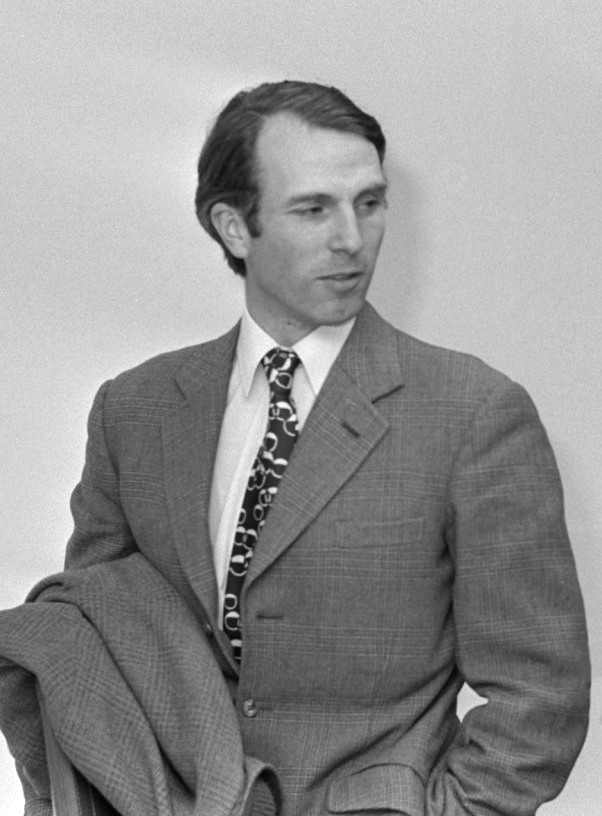 #27
#27
Peter Phillips
Cars, slots and mechanical colors condense the energy of 1960s British Pop.
Read the biography #28
#28
Joe Tilson
It combines popular imagery, alphabet and political engagement in tactile and constructed compositions.
Read the biography #29
#29
Derek Boshier
From British Pop to music and image politics, his work follows consumption as a system of signs.
Read the biography #30
#30
Patrick Caulfield
Its objects and interiors painted in clean flat areas establish a silent strangeness beneath the apparent simplicity.
Read the biography #31
#31
Erró
It assembles propaganda, advertising and art history without hierarchy in vast visual collisions.
Read the biography #32
#32
Martial Raysse
Neon lights, portraits and beauty products give French New Realism a deliberately artificial seduction.
Read the biography #33
#33
Alain Jacquet
He replays Manet, screen printing and mechanical images in a French version of Pop based on plot and diversion.
Read the biography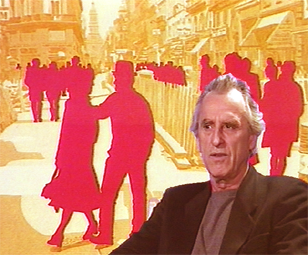 #34
#34
Gérard Fromanger
Its colorful silhouettes and media images combine narrative figuration and political commentary.
Read the biography #35
#35
Jacques Monory
His blue scenes, framing and accidents invent a pictorial noir novel nourished by cinema.
Read the biography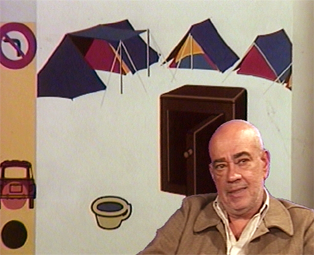 #36
#36
Hervé Télémaque
Objects, words and autobiographical fragments construct a narrative figuration marked by exile and decolonization.
Read the biography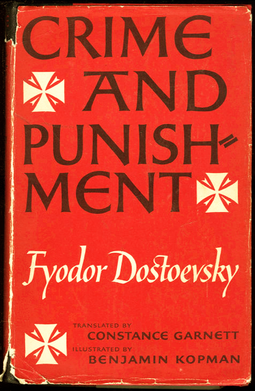 #37
#37
Peter Saul
His grotesque and acidic painting turns American popular culture against war, power and decorum.
Read the biography #38
#38
Rosalyn Drexler
She draws on cinema, crime and magazines to produce a tense and narrative female Pop.
Read the biography #39
#39
Idelle Weber
His anonymous office silhouettes accurately observe the work, consumption and society of the 1960s.
Read the biography #40
#40
Niki de Saint Phalle
From Tirs aux Nanas, she transforms violence, color and the female body into a collective and political celebration.
Read the biographyChapter III · 41-60
Narrative figuration, New Realism and neo-Pop
In France and Europe, torn posters, accumulated objects and political narratives are shifting mass culture towards other tensions.
 #41
#41
Arman
Accumulations of identical objects and cut objects reveal the industrial logic of consumption.
Read the biography #42
#42
Caesar
Its body compressions transform metal scrap into dense blocks of color and memory.
Read the biography #43
#43
George Segal
His life-size plaster figures bring anonymity, isolation and public space into American Pop.
Read the biography #44
#44
Duane Hanson
His hyperrealistic characters make visible ordinary bodies ignored by advertising.
Read the biography #45
#45
Robert Cottingham
Facades, signs and neon lights become geometric abstractions of photographic precision.
Read the biography #46
#46
Richard Estes
Reflections, windows and deserted streets push photorealism towards an almost unreal vision of the city.
Read the biography #47
#47
Kenny Scharf
Fluorescent monsters, graffiti and science fiction make up a cosmic universe from New York in the 1980s.
Read the biography #48
#48
KAWS
His barred-eyed characters move the toy, the cartoon and the brand to the global art market.
Read the biography #49
#49
Romero Britto
He transforms the vocabulary of comics into optimistic compositions with black contours and bold colors.
Read the biography #50
#50
Tomokazu Matsuyama
He combines Japanese motifs, street culture and Western painting in hybrid and saturated images.
Read the biography #51
#51
Marcel Duchamp
Its ready-made shifts the artistic value of manufacturing towards choice, context and idea.
Read the biography #52
#52
Fernand Léger
Its tubular figures, bold colors and mechanical objects announce the popular monumentality of Pop Art.
See the collection #53
#53
Kurt Schwitters
His Merz assemble tickets, printed papers and urban waste into a visual poetry of everyday life.
See the collection #54
#54
Francis Picabia
Machines, printed images and style changes make him a major precursor to Pop diversion.
See the collection #55
#55
Piet Mondrian
Its grid and primary colors are becoming a universal language taken up by design, fashion and advertising.
See the collection#56
Charles Demuth
His I Saw the Figure 5 in Gold transforms numbers, typography and urban speed into a proto-Pop emblem.
See the collection #57
#57
Stuart Davis
Jazz, packaging, words and syncopated colors give American painting a directly pre-Pop vocabulary.
Read the biography #58
#58
René Magritte
His familiar objects and paradoxical phrases provide Pop Art with a lasting model of collision between word and image.
Read the biography #59
#59
Hannah Hoch
His photomontages cut out press, bodies and stereotypes to reveal the hidden politics of mass images.
Read the biography #60
#60
Man Ray
Photography, objects and advertising intersect at home in reproducible images of great visual effectiveness.
Read the biographyChapter IV · 61-80
Sources and circulations
Precursors, collagists and international artists show that Pop is born from a vast network of images, signs and media.
 #61
#61
Larry Rivers
He reintroduced history, advertising and figuration into gestural painting, paving the way for American Pop.
Read the biography #62
#62
Ray Johnson
Collages, celebrities and correspondence make his work a network of images in permanent circulation.
Read the biography #63
#63
John Baldessari
Texts, found photographs and flat colored areas learn to look at the narrative codes of cinema and advertising.
Read the biography #64
#64
Richard Artschwager
Furniture-images, Formica and signs blur the categories between everyday object, sculpture and representation.
Read the biography #65
#65
Red Grooms
Its painted environments transform the city and its characters into an exuberant three-dimensional theater.
Read the biography #66
#66
Jeff Wall
His large backlit images take up the advertising scale to construct complex and artificial scenes.
Read the biography #67
#67
Evelyne Axell
She combines feminine desire, plexiglass and electric colors in an openly emancipatory European Pop.
Read the biography #68
#68
Kiki Kogelnik
Cut-out silhouettes, spatial bodies and synthetic colors question technology and identity.
Read the biography #69
#69
Jann Haworth
Her textile sculptures shift the Pop portrait towards volume, fabric and a critique of female roles.
Read the biography #70
#70
George Condo
His grotesque portraits remix old masters, cartoons and popular psychology.
Read the biography #71
#71
Marta Minujin
Monumental installations, bright colors and public participation make Pop a collective experience.
Read the biography #72
#72
Ai Weiwei
Cultural objects, reproduction and global media become the instruments of immediately readable political criticism.
Read the biography #73
#73
Mimmo Rotella
Its torn posters reveal beneath urban advertising a brutal archeology of mass images.
Read the biography #74
#74
Enrico Baj
Generals, collages and decorative materials compose a joyfully aggressive satire of power.
Read the biography #75
#75
Valerio Adami
Black outlines, flat colored areas and cultural fragments give his paintings the clarity of a drawn thought.
Read the biography #76
#76
Michelangelo Pistoletto
His mirror paintings integrate the viewer and the real present into the image.
Read the biography #77
#77
Mario Schifano
Screens, logos, media landscapes and fast-paced painting define a nervous version of Italian Pop.
Read the biography #78
#78
Richard Prince
He rephotographs advertising, cowboys and jokes to expose the making of commercial myths.
Read the biography #79
#79
Maurizio Cattelan
His immediately media images and sculptures transform provocation, celebrity and spectacle into institutional criticism.
Read the biography #80
#80
Peter Halley
Cells, conduits and fluorescent colors describe contemporary society as a closed and artificial network.
Read the biographyChapter V · 81 -100
Global and post-Pop legacies
Appropriation, photography, urban art and digital culture today extend Pop logic on a global scale.
 #81
#81
Oeyvind Fahlstrom
Maps, comics and moving elements transform global politics into a complex visual game.
Read the biography #82
#82
Konrad Klapheck
Typewriters, tires and technical objects become monumental and disturbing portraits.
Read the biography #83
#83
Sigmar Polke
Printed frames, found images and unstable materials humorously sabotage the authority of the media.
Read the biography #84
#84
Gerhard Richter
His paintings from photography simultaneously question document, memory and credibility of the image.
Read the biography #85
#85
Wolf Vostell
Televisions, posters and concrete make media saturation a physical experience.
Read the biography #86
#86
Keiichi Tanaami
Manga, war, advertising and psychedelia overlap in a visual universe of explosive density.
Read the biography #87
#87
Tracey Emin
Text, neon and autobiography transform the intimate into a direct and immediately shareable public message.
Read the biography #88
#88
Cindy Sherman
By replaying stereotypes of cinema, fashion and art, she reveals that every media identity is constructed.
Read the biography #89
#89
Eric Fischl
His suburban scenes use realism to crack the ideal image of American prosperity.
Read the biography #90
#90
Barbara Kruger
Black and white photographs, red frames and slogans directly confront power, gender and consumption.
Read the biography #91
#91
Raymond Pettibon
Drawing, text and popular culture form fragmented narratives that hijack media America.
Read the biography #92
#92
Sarah Lucas
Ordinary objects, raw humor and diverted bodies attack the sexual clichés of popular culture.
Read the biography #93
#93
Damien Hirst
Showcases, medicines, animals and personal brands push art towards the logic of spectacle and luxury.
Read the biography #94
#94
Yoshitomo Nara
His solitary children with defiant looks bring together innocence, rebellion and kawaii culture.
Read the biography #95
#95
Banksy
Simple stencils, dark humor and viral distribution transform the wall into a global critical media.
Read the biography #96
#96
Shepard Fairey
Obey, political posters and propaganda aesthetics show how an image becomes a collective sign.
Read the biography #97
#97
Invader
Its pixelated mosaics take video games from the screen to a global map of cities.
Read the biography #98
#98
JR
His monumental photographic portraits transform facades and public squares into collective scenes.
Read the biography #99
#99
Jacques Villeglé
The anonymous torn posters become a collective memory of the street, politics and entertainment.
Read the biography #100
#100
Raymond Hains
Torn posters, fences and puns shift the artist's attention towards the collisions of reality.
Read the biographyClassification method
A Top 100 built like a story, not like an absolute track record
The order first highlights the protagonists who defined Pop Art, then the scenes who internationalized it, its precursors and its heirs. It combines historical importance, originality of language, influence on subsequent generations and the ability to illuminate the multiple faces of popular culture.
Artists directly associated with the emergence and recognition of Pop Art.
Narrative figuration, New Realism and international scenes related to Pop.
Neo-Pop, appropriation, photography and urban art extending its mechanisms.
Links and rights
Why some names open a collection and others Wikipedia
Artists who died in 1956 or before refer to their collection of reproductions when it exists on Alpha Reproduction. Artists who died after 1956, alive or still active, refer to their biography Wikipedia in French. This rule gives the reader a clear path while respecting the editorial availability of the works.
In this edition, five artists have an internal collection: Fernand Léger, Kurt Schwitters, Francis Picabia, Piet Mondrian and Charles Demuth. The other 95 files open an external biographical resource.
Choose a reproduction
Look beyond the immediate color
To choose a Pop-inspired work, first observe the structure: repetition, tight framing, typography, contrast and relationship between subject and format. A famous image often benefits from breathing on a large wall, while a dense collage or highly contrasting composition can become the focal point of a more intimate space.
The fidelity of the values, the quality of the support and the format count as much as the pattern. Good reproduction must maintain the sharpness of the solid colors, the vibration of the colors and the graphic balance which give the work its power.
Documentary benchmarks
Deepen Pop Art History
These museum resources allow you to extend the route with definitions, works and reference notices.
Conclusion
Pop Art continues because mass images have never stopped multiplying
From illustrated magazines to connected screens, the visual world that Pop Art has chosen to confront has become our daily environment. Its best artists do not just borrow icons: they teach us to look at their production, their seduction and their power. This Top 100 thus draws less of a border than a constellation, open from Warhol to Kusama, from screen printing to the street and from industrial products to digital flows.
0 comments