

Arles, October - December 1888
Van Gogh and Gauguin: nine weeks in the Yellow House, then the breakup
The story is short, electric, almost improbable: two major painters live together in Arles, dream of a workshop in the South, paint the same motifs, challenge each other, exhaust each other, then separate after the December crisis.
Between October 23 and December 23, 1888, Van Gogh and Gauguin transformed the Yellow House into a laboratory. It's not just cohabitation: it's a clash of methods, temperaments and visions of modern art.

Quick response
What happened between Van Gogh and Gauguin?
Van Gogh invited Gauguin to Arles to found a “atelier du Sud”. Gauguin arrived on October 23, 1888. The two men worked intensely together, notably at Alyscamps and in the world of the Yellow House. But their methods are opposed: Van Gogh paints quickly, from nature; Gauguin favors memory, synthesis and abstraction. The tension peaked on December 23, 1888: Van Gogh mutilated his ear, Gauguin left Arles.
A dream
La Maison jaune was to become an artists' center, a collective workshop in the South.
A duel
Cohabitation reveals two almost opposite ways of painting and thinking about images.
A breakup
The December crisis destroyed the project, but the episode became central to Van Gogh's legend.
Timeline
Nine weeks in the Yellow House
Cohabitation is brief, but every week counts. Before Gauguin, Van Gogh prepared the house, painted the Sunflowers, dreamed of companions. After Gauguin, there remains the void, the hospital and an even more urgent painting.
Van Gogh rents the Yellow House
He wants to leave the solitude of hotels and create a stable place: workshop, accommodation, reception space for other painters.
The house becomes a program image
With The Yellow House, Van Gogh transforms the building into a manifesto: solar yellow, blue sky, dream of the South.
Gauguin arrives in Arles
The project is finally coming to fruition. The two painters share meals, discussions, walks, models and motifs.
Alyscamps and portraits
They paint side by side, but their answers diverge: Van Gogh pushes sensation and speed; Gauguin simplifies, orders, symbolizes.
Tension rises
Van Gogh understands that Gauguin might leave. In a letter to Theo dated December 11, he wrote that the difficulties were our own” more than elsewhere.
The breakup
After an argument, Van Gogh goes through a serious crisis and cuts off part of his ear. Gauguin leaves Arles. The dream of the Southern workshop collapses.
Real photo
The Yellow House today: a place more than a building
The Yellow House painted by Van Gogh was located near Place Lamartine, in Arles. The historic building is no longer readable as in 1888: today, we mainly understand the place by the topography, the square, the railway tracks, the old maps and the painting itself.

Place Lamartine
A current photo allows us to understand that the myth of the Yellow House is as much due to the neighborhood as to the disappeared building: Van Gogh paints a dream of a workshop in a very concrete city.

In the footsteps of the Yellow House
The current site reminds us that painting often reconstructs memory better than a photograph: yellow, blue sky and the street become the real survivors of the place.

An ancient trace
This archive photograph shows why the painting has become so valuable: it not only documents a facade, it retains the intensity of a place of work and waiting.
Two methods
Painting from nature or painting from memory?
The tension is not just psychological. It is aesthetic. Van Gogh seeks the direct presence of the motif; Gauguin wants to extract a more mental, more synthetic image from nature.

Van Gogh
Reality, speed, vibration
Van Gogh works quickly, often in front of the motif, with a visible touch that seeks to capture the immediate intensity: light, air, fatigue, presence.

Gauguin
Memory, symbol, construction
Gauguin observes Van Gogh, but transforms him into a character. His image is already an interpretation: Vincent is painted as a singular force, almost disturbing.
Key works
Images of friendship, work and breakup
The Arles period is not just about the ear. It produces a constellation of images: houses, rooms, chairs, cafes, autumn alleys, self-portraits and cross portraits.
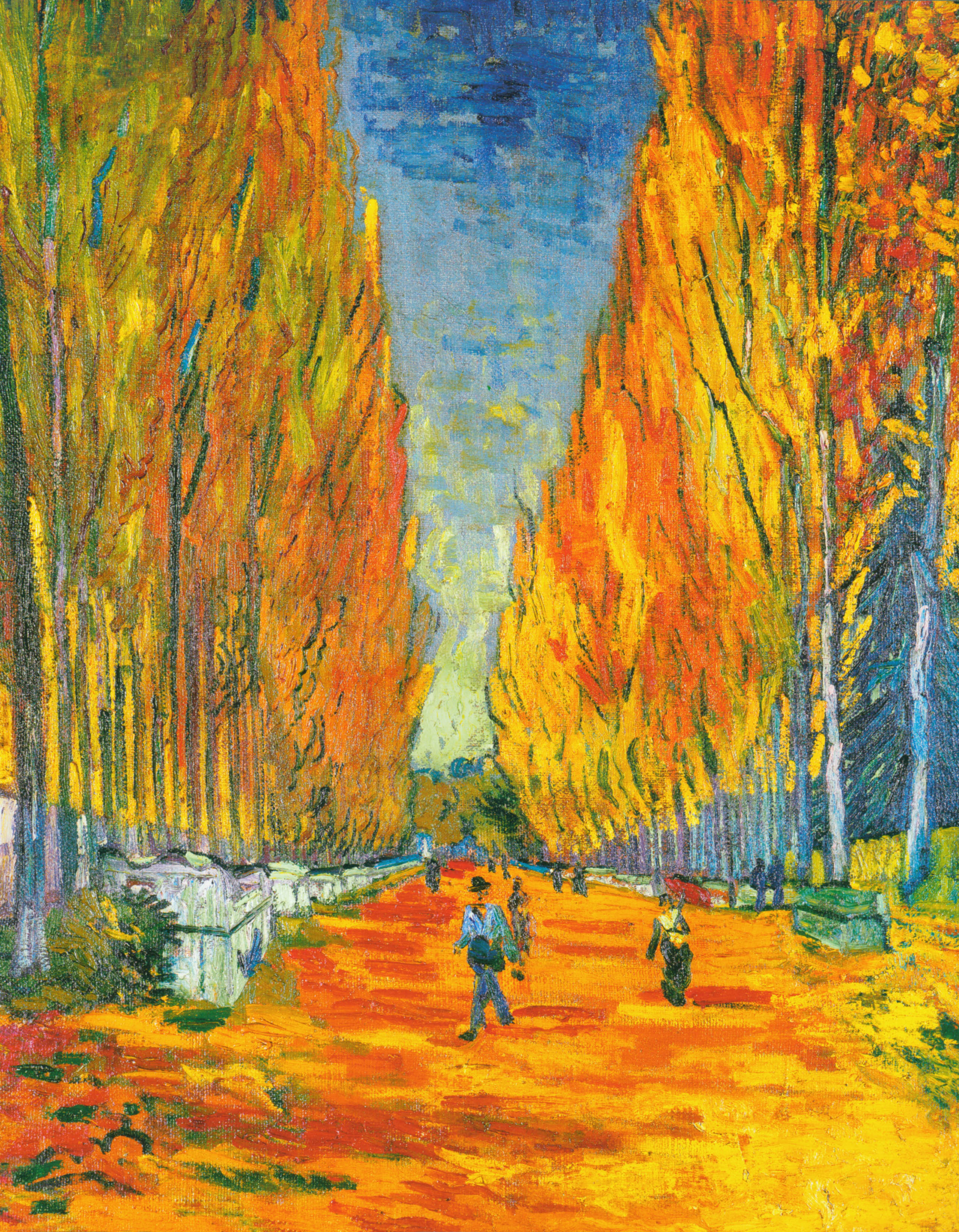
The Alyscamps
At Van Gogh, the aisle becomes a surge of color and rhythm. The pattern is experienced physically.
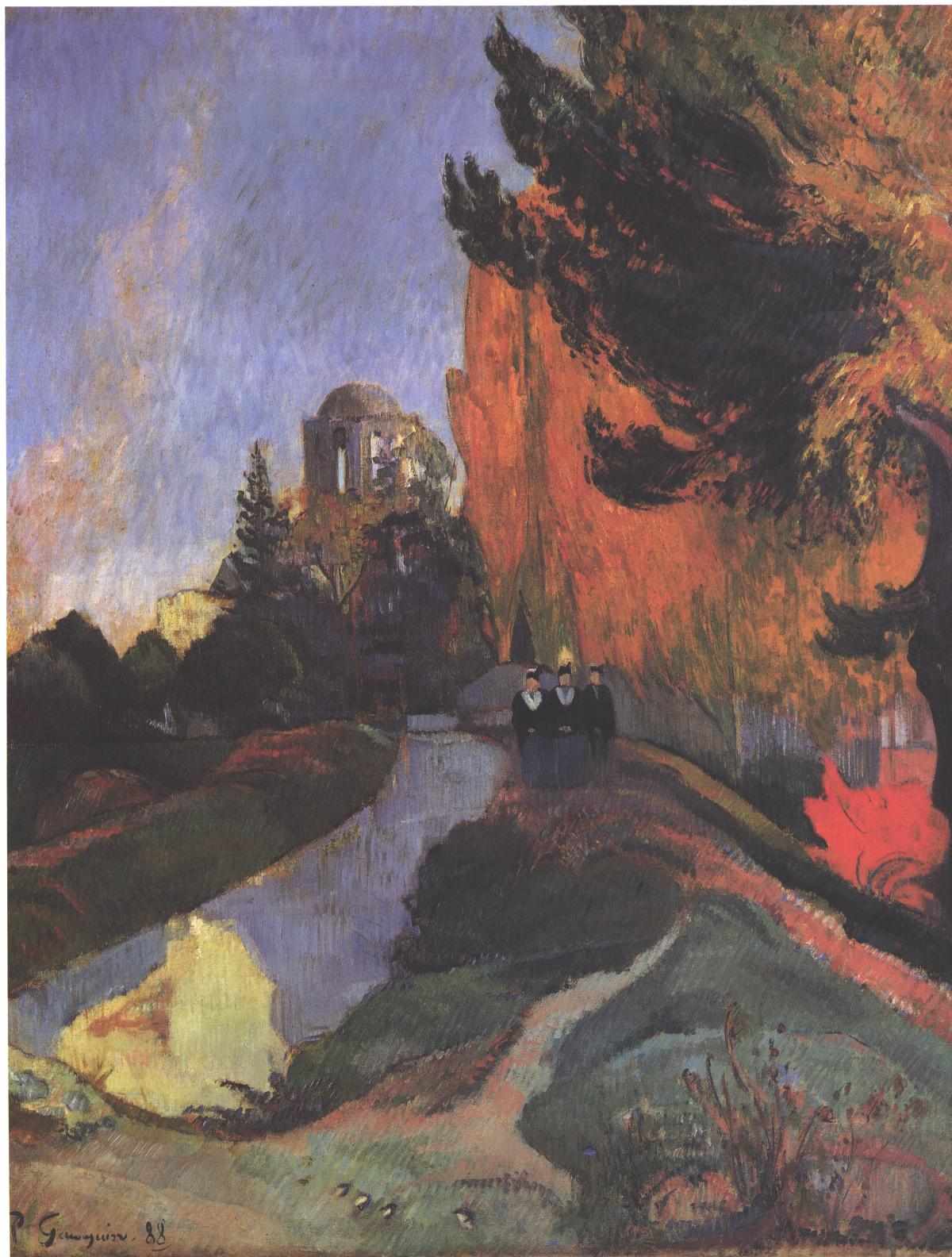
The Alyscamps
Gauguin further simplifies the plans. Arlesians and trees become almost decorative forms.

The Night Café
Before and during this period, the café became the nervous theater of a popular, nocturnal and unstable modernity.

The Room in Arles
The room had to say rest, stability, order. Looking back, it seems as fragile as the common project.

Gauguin's Armchair
An empty seat, books, a candle: Van Gogh paints Gauguin without directly representing him.

Bandaged ear self-portrait
Post-breakup image: Van Gogh not only recounts an injury, he tries to regain possession of his face.

Sunflowers
Van Gogh paints sunflowers to decorate the house and welcome Gauguin: color becomes hospitality.

Café terrace in the evening
The nocturnal city of Arles becomes a theater of yellows, blues and points of light.

Lane at Alchamps, Arles
Another response from Gauguin to the same place: more decorative, more calm, more synthetic.
Richer
Other works to compare
To fully understand these nine weeks, we must broaden our perspective: the chairs, cafes, portraits and models of Arles tell as much about the relationship as the major biographical episodes.

Van Gogh's Chair
With Gauguin's armchair, this chair functions as an indirect double portrait: on one side the simple chair, the pipe, the day; on the other the armchair, the candle, the books, the night.

The Night Café
Gauguin takes up the world of Arles coffee differently than Van Gogh: less chromatic vertigo, more constructed, almost theatrical stage.
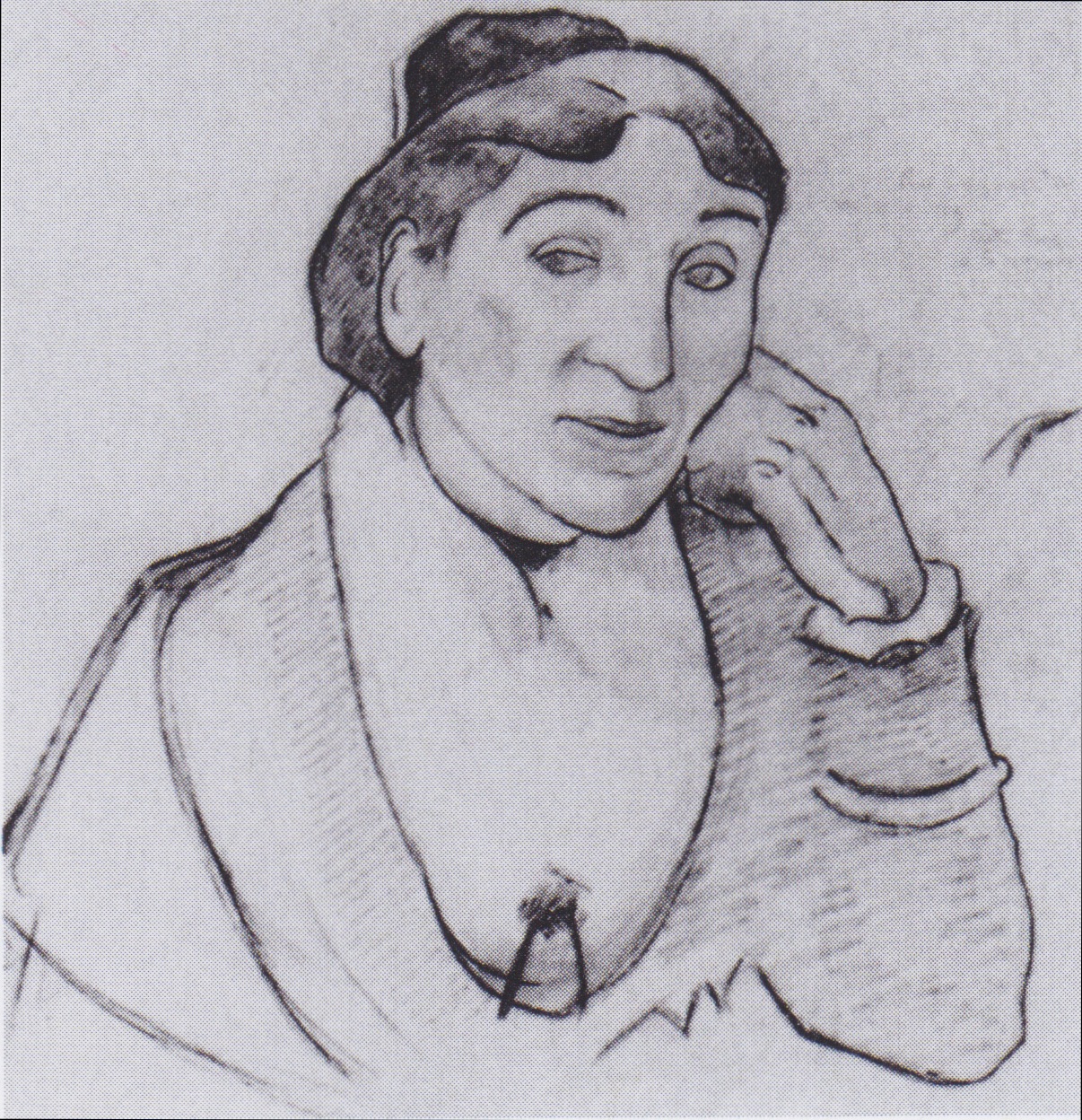
The Arlesienne, Madame Ginoux
Madame Ginoux, linked to the Café de la Gare, brings daily life in Arles into history. At Van Gogh, the portrait becomes an image of presence, isolation and inner tension.
Compare
Why cohabitation could hardly last
The breakup is not an isolated accident: it condenses daily disagreements. Money, pace of work, health, solitude, pictorial theory and character mingle in a very small space.
| Tension point | Van Gogh | Gauguin | Effect in the Yellow House |
|---|---|---|---|
| Method | Paint quickly, in front of nature, with intensity. | Compose more from memory and idea. | Discussions become arguments over the very meaning of painting. |
| Temperament | Need for friendship, membership, presence. | Need for independence, perspective, control. | Vincent's emotional dependence weighs on Gauguin. |
| Project | Sustainably found a collective workshop. | Enjoy a stage of work, without locking yourself away. | When Gauguin talks about leaving, Van Gogh's dream falters. |
| Style | Expressive color, nervous touch, direct sensation. | Synthesis, flat areas, symbolic forms, abstraction. | The same motifs give very different works. |
In the store
See works related to Arles and Van Gogh
Van Gogh's reproductions gain strength when we place them in the episode of the Yellow House: welcoming colors, empty chairs, portraits, nights in Arles and tension in the South.

Vincent van Gogh
Large paintings to understand your visual world.

Van Gogh in Arles
The Midi laboratory: bridges, cafes, landscapes and portraits.

Sunflowers
Painted flowers to illuminate the house and receive Gauguin.

Self-portraits
The face as an inner diary, before and after the crisis.
Sources
Useful sources
To avoid the oversimplified legend, the article draws on museums, letters from Van Gogh and files devoted to the “Studio of the South”.
Studio of the South
Precise context on Gauguin's arrival, the two months and opposing methods.
ArlesVan Gogh Foundation
Chronology of Arles, arrival of Gauguin, crisis of December 23 and departure.
LettersLetter of December 11, 1888
Van Gogh discusses the difficulties with Gauguin a few days before the breakup.
ContextMoMA
Summary of the opposition between memory/imagination and work from reality.
FAQs
Frequently asked questions
Quick answers about Van Gogh, Gauguin and the Yellow House.
How long did Van Gogh and Gauguin live together?
About nine weeks, from Gauguin's arrival in Arles on October 23, 1888 until the crisis of December 23 and his departure.
Why did Van Gogh want Gauguin to come to Arles?
Van Gogh wanted to found a “atelier du Sud”, a community of painters working together in the light of the South.
What was their main artistic difference?
Van Gogh remained very attached to the motif seen directly, while Gauguin defended memory, synthesis, imagination and abstraction more.
Did Gauguin and Van Gogh see each other again after Arles?
No. After Gauguin's departure following the crisis of December 1888, the two artists did not see each other again.
Conclusion
The Yellow House failed as a community, but succeeded as a modern myth
Van Gogh's dream lasted only a few weeks. However, this failed attempt concentrates everything: friendship, collective ambition, solitude, the violence of aesthetic debates and the birth of images which continue to define Arles in the history of art.
See the Van Gogh collection in Arles
0 comments