

Top 50 · Arab world and Middle East
50 painters from the Arab world and the Middle East to know
From Persian miniatures to the modernisms of the Maghreb, the Levant, Egypt, Iraq and Anatolia.
Talking about painting the Arab world and the Middle East amounts to traveling through a vast, plural space sometimes crossed by overlapping affiliations. The classification brings together the Maghreb, the Nile Valley, the Levant, Mesopotamia, the Arabian Peninsula, Iran, Anatolia and Israel-Palestine. It links the Persian miniature of Behzad and Reza Abbassi to Ottoman reforms, then to modernisms born in Algiers, Casablanca, Tunis, Cairo, Khartoum, Beirut, Damascus, Damascus, Baghdad, Tehran, Istanbul and Jerusalem. It connects the Persian miniature of Behzad and Reza Abbassi to Ottoman reforms, then to modernisms born in Algiers, Casablanca, Tunis, Cairo, Khartoum, Beirut, Damascus, Damascus, Damascus, Baghdad, Tehran, Istanbul and Jerusalem. It connects the Persian miniature of Behzad and Reza Abbassi to Ottoman reforms, then to modernisms born in Algiers, Casablanca, Tunis, Cairo, Khartoum, Beirut, Damascus, Damascus, Damascus, Baghdad, Tehran, Istanbul and Jerusalem. Circulations to Paris, London, Rome, Berlin and New York also occupy a decisive place, without erasing the visual languages, memories and debates specific to each home.
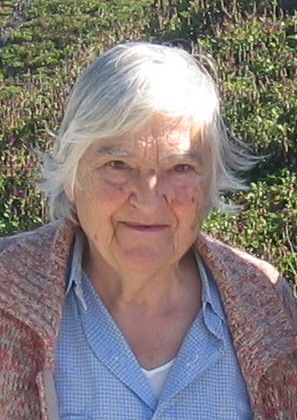
Miniature, sign, color, memory, figuration and abstraction.
A plural artistic territory
Maghreb, Levant, Nile, Mesopotamia, Iran and Anatolia
The category chosen is geographical and historical, non-ethnic or religious. It allows Arab modernities to be brought closer to Iranian, Turkish, Israeli and Palestinian painting without confusing them. Homes evolved in very different contexts: Ottoman and Qajar empires, European colonizations, independence, wars, exiles and the founding of new institutions. The ranking preserves these differences while showing the exchanges that linked academies, fairs, magazines, workshops and biennials.
From manuscript to modern sign
Miniature, calligraphy, hurufiyya and abstraction
Behzad and Reza Abbassi renew the art of books through narration, line and observation. In the 20th century, many painters did not copy calligraphy: they moved it towards modern painting. Khadda, Azzawi, Shakir Hassan Al Said, Zenderoudi, el-Salahi and Mahdaoui transformed letters, numbers, seals and traces into visual structures. This field, often close to hurufiyya, coexists with geometric, lyrical or material abstractions, from Fahrelnissa Zeid to Saloua Raouda Choucair, Chafic Abboud, Jilali Gharbaoui and Behjat Sadr.
Ranking criteria
Influence, singularity, major works and historical significance
The proposed order combines formal innovation, influence over several generations, the quality of the ensembles preserved in museums, the international scope and the capacity of each work to shed light on its context. The selection pays particular attention to female artists, long less visible in general stories, as well as to the dialogues between decolonization, memory, political commitment and diaspora. Rank does not erase the differences of the time: it serves as a guide to enter fifty incomparable trajectories.
The Top 10
Ten voices that redefined the modernities of the region
Adnan, Zeid, Baya, Abboud, Azzawi, Efflatoun, Behzad, Sepehri, el-Salahi and Choucair open a classification where color, miniature, commitment, poetry and abstraction respond to each other.
#1
Etel Adnan
Etel Adnan occupies a major place in this regional history. His work combines the mountains of California, pure color and the constant passage between painting, poetry and artist's book. "Mount Tamalpais", "Untitled landscapes" and "The Book of the Sea" reveal its main dimensions.
Read Etel Adnan's biography on Wikipedia #2
#2
Fahrelnissa Zeid
A coherent search runs through the work of Fahrelnissa Zeid: Byzantine mosaics, stained glass windows and a monumental abstraction constructed by color. From "My Hell" to "The Octopus of Triton", the plastic language remains immediately identifiable.
Read the biography of Fahrelnissa Zeid on Wikipedia #3
#3
Baya
Baya renews the forms of painting through a precise axis: women, birds, instruments and gardens invented in a dazzling and autonomous palette. "Woman in Yellow Dress" constitutes a milestone, extended by "Women and Birds" and "Musicians".
Read Baya's biography on Wikipedia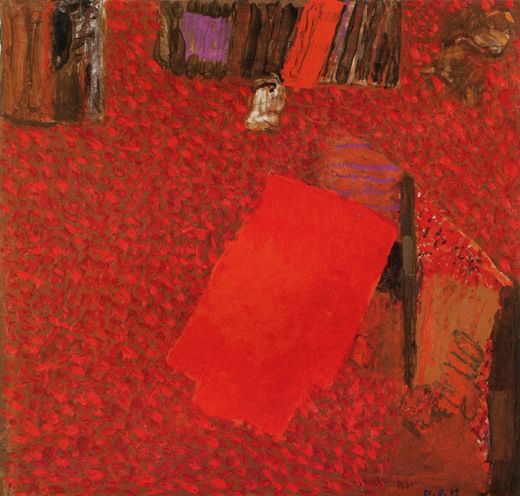 #4
#4
Chafic Abboud
Chafic Abboud stands out for his constant attention. Its essential themes are the light of Lebanon, family stories and colorful material nourished by Paris without losing its oriental sources. The confrontation of "The Cathedral", "Chamber - The Blue Towel" and "The Path to Aleppo" allows us to measure its extent.
Read Chafic Abboud's biography on Wikipedia #5
#5
Dia Azzawi
Dia Azzawi develops lasting language around Gilgamesh's epic, calligraphy and political tragedies brought together in a modern Arabic image. "Sabra and Shatila Massacre" condenses this ambition without exhausting the research visible in "The Land of Sad Oranges" and "Bilad al-Sawad".
Read Dia Azzawi's biography on Wikipedia #6
#6
Inji Efflatoun
Inji Efflatoun's singularity lies in his view of peasant women, work, prison and the emancipation of women, carried by militant energy. "Prisoners", then "White Light" and "The Queue", make this development particularly readable.
Read the biography of Inji Efflatoun on Wikipedia #7
#7
Behzad
Behzad imposes himself through personal exploration. Its field of action brings together complex narration, open architectures and the observation of gestures that renew Persian miniatures. Between "Yusuf and Zulaikha", "The Seduction of Yusuf" and "Construction of the Castle of Khawarnaq", the work changes scale without losing its strength.
See the Behzad collection #8
#8
Sohrab Sepehri
Sohrab Sepehri's universe is based on trees, the desert and a silent spirituality developed alongside a major poetic work. "Tree Trunks series" dialogues with "Desert landscapes" and "Golestaneh" in a constantly mastered approach.
Read Sohrab Sepehri's biography on Wikipedia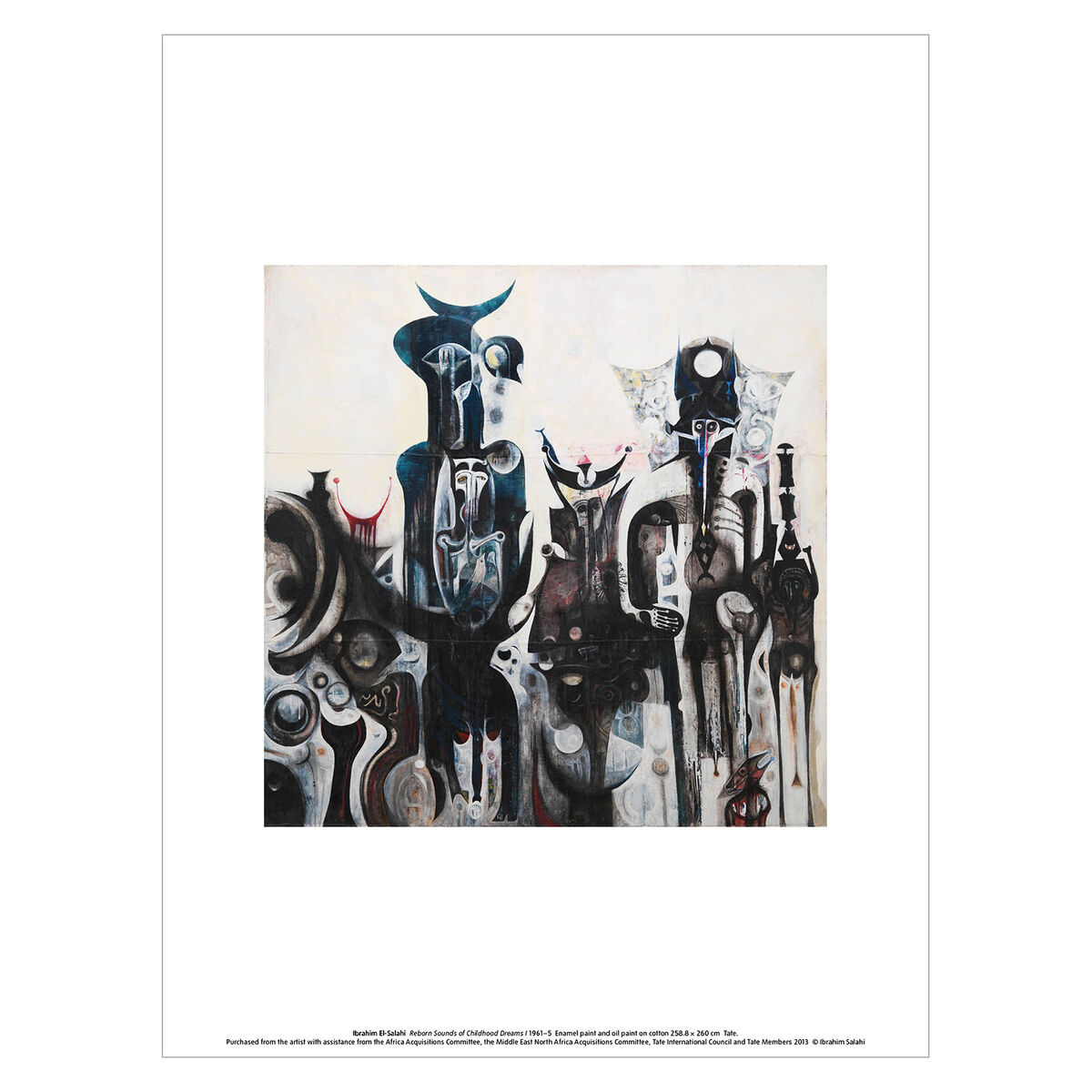 #9
#9
Ibrahim el-Salahi
Ibrahim el-Salahi opens an essential path by bringing together Arabic calligraphy, Sudanese forms and the experience of exile in a founding work of African modernism. "The Inevitable", "Reborn Sounds of Childhood Dreams" and "The Tree" make its singularity perceptible.
Read the biography of Ibrahim el-Salahi on Wikipedia #10
#10
Saloua Raouda Choucair
Saloua Raouda Choucair gives a new form to a set of themes: modules, Sufi rhythms and a geometry that moves painting towards sculpture and architecture. "Poem series" offers direct input, complemented by "Fractional Module" and "Trajectory of a Line".
Read the biography of Saloua Raouda Choucair on WikipediaChapter I · Ranks 11 to 25
Signs, memory and decolonization
From the Maghreb to the Levant and Iraq, these artists transform letters, local traditions, political trauma and the experience of exile into profoundly unique modern languages.
 #11
#11
Paul Guiragossian
Paul Guiragossian occupies a major place in this regional history. His work combines displaced families, vertical silhouettes and Armenian memory inscribed in vibrant material. "The Family", "Mothers and Children" and "Migrants" reveal its main dimensions.
Read the biography of Paul Guiragossian on Wikipedia #12
#12
Mohammed Khadda
A coherent search runs through the work of Mohammed Khadda: Arabic writing, the olive tree and Algerian landscapes transformed into signs of decolonized modernity. From "Free Alphabet" to "The Casbahs do not sit", the plastic language remains immediately identifiable.
Read the biography of Mohammed Khadda on Wikipedia #13
#13
Bahman Mohassess
Bahman Mohassess renews the forms of painting through a precise axis: mutilated creatures, mythology and a disillusioned vision of power and the human condition. "Minotaur" constitutes a milestone, extended by "Fifi Howls from Happiness" and "Untitled Figures".
Read Bahman Mohassess' biography on Wikipedia #14
#14
Sliman Mansour
Sliman Mansour stands out for his constant attention. Its essential themes are Palestinian land, the olive tree and the portage of the territory condensed into icons of resistance. The confrontation of "Camel of Hardship", "Yaffa" and "The Village Awakens" allows us to measure its extent.
Read Sliman Mansour's biography on Wikipedia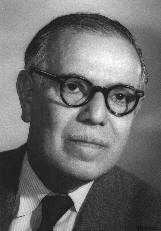 #15
#15
Mohammed Racim
Mohammed Racim develops a lasting language around miniature, the architecture of Algiers and precolonial memory reconstructed with scholarly precision. "The Casbah of Algiers" condenses this ambition without exhausting the research visible in "Le Rais" and "Fête au Palais".
Read the biography of Mohammed Racim on Wikipedia #16
#16
Monir Shahroudy Farmanfarmaian
The singularity of Monir Shahroudy Farmanfarmaian lies in the way of working with mirrors, polygons and Persian architectural decoration techniques led towards abstraction. "Mirror Ball", then "Convertible series" and "Hexagon", make this evolution particularly readable.
Read the biography of Monir Shahroudy Farmanfarmaian on Wikipedia #17
#17
M’hamed Issiakhem
M'hamed Issiakhem imposes himself through personal exploration. Its field of action brings together wounded faces, the war of independence and an austere humanity rendered by dense matter. Between "The Mother", "The Beggar" and "Woman and Child", the work changes scale without losing its strength.
Read the biography of M'hamed Issiakhem on Wikipedia #18
#18
Huguette Caland
Huguette Caland's universe is based on the female body, line and eroticism moved towards tender, ironic and free surfaces. "Bribes de corps" dialogues with "Body Parts" and "Rockinante Under Cover" in a constantly mastered approach.
Read the biography of Huguette Caland on Wikipedia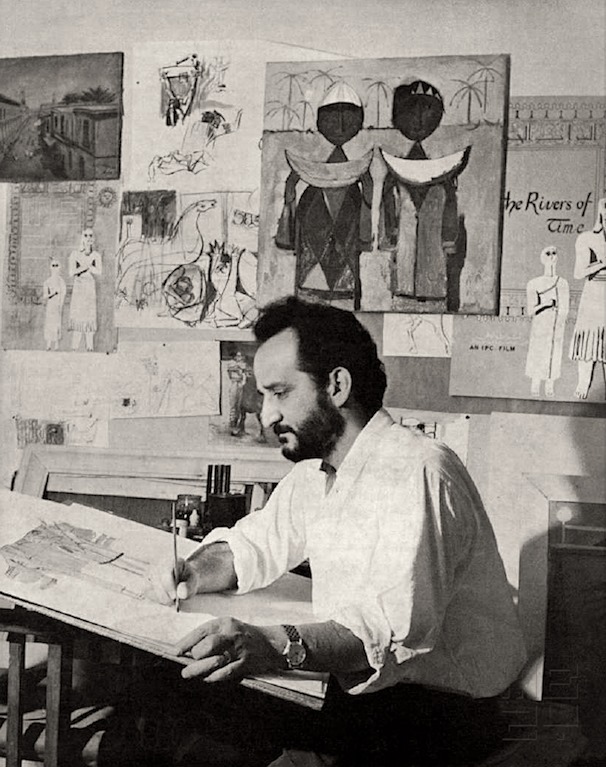 #19
#19
Jawad Saleem
Jawad Saleem opens an essential path by bringing together Mesopotamian forms, popular life and the construction of a modern language for Iraq. "Nasb al-Hurriyah", "Baghdadiyat" and "Mother and Child" make its singularity perceptible.
Read Jawad Saleem's biography on Wikipedia #20
#20
Charles Hossein Zenderoudi
Charles Hossein Zenderoudi gives a new form to a set of themes: numbers, seals and Persian calligraphy recomposed in a serial and cosmopolitan visual space. "K+L+32+H+4" offers direct entry, complemented by "Tchaar Bagh" and "Numerical compositions".
Read the biography of Charles Hossein Zenderoudi on Wikipedia #21
#21
Chaïbia Talal
Chaïbia Talal occupies a major place in this regional history. His work combines crowds, women and Moroccan festivals painted without academicism in a frontal and generous color. "The Bride", "Rural Women" and "The Market" reveal its main dimensions.
Read Chaïbia Talal's biography on Wikipedia #22
#22
Shakir Hassan Al Said
A coherent search runs through the work of Shakir Hassan Al Said: the Arabic letter, the wall trace and the spiritual dimension of the surface theorized in the One Dimension Group. From "The Wall" to "Contemplation", the plastic language remains immediately identifiable.
Read the biography of Shakir Hassan Al Said on Wikipedia #23
#23
Ahmed Cherkaoui
Ahmed Cherkaoui renews the forms of painting through a precise axis: tattoos, Amazigh signs and colored material brought together in a brief but decisive work. "The Red Mirrors" constitutes a milestone, extended by "The Couple" and "Signs".
Read the biography of Ahmed Cherkaoui on Wikipedia #24
#24
Jilali Gharbaoui
Jilali Gharbaoui stands out for her constant attention. His essential themes are gesture, light and the tensions of matter which make him a pioneer of Moroccan abstraction. The confrontation of "Composition", "Eclatement" and "Untitled" allows us to measure its extent.
Read the biography of Jilali Gharbaoui on Wikipedia #25
#25
Ramses Younane
Ramses Younane links the surrealism of the Art et Liberté group, social criticism and an organic abstraction developed between Cairo and Paris. "Passionate Nature" condenses this ambition without exhausting the research visible in "Untitled Surrealist" and "Abstract Compositions".
Read the biography of Ramses Younane on WikipediaChapter II · Ranks 26 to 50
Miniature, abstraction, figuration and diasporas
From Reza Abbassi to contemporary scenes, this part connects Persian workshops, Istanbul, Cairo, Tunis, Damascus, Jerusalem, Beirut and the major artistic diasporas.
 #26
#26
Reza Abbassi
Reza Abbassi's singularity lies in the way of working with the young courtiers, the lovers and the calligraphic line which free the miniature from the only illustration in the book. "The Lovers", then "Young Portuguese" and "Saki", make this evolution particularly readable.
See the Reza Abbassi collection #27
#27
Samia Halaby
Samia Halaby imposes herself through personal exploration. Its field of action brings together color, movement and an abstraction linked to the memory of Palestine as well as digital research. Between "Jerusalem, My Home", "Kafr Qasem series" and "Yellow Spiral", the work changes scale without losing its strength.
Read Samia Halaby's biography on Wikipedia #28
#28
Marwan kassab bachi
The universe of Marwan Kassab Bachi is based on the face transformed into a mental landscape by layers of color which connect Damascus to Berlin expressionism. "Man in the Green Vest" dialogues with "Marionettes" and "Heads" in a constantly mastered approach.
Read the biography of Marwan Kassab Bachi on Wikipedia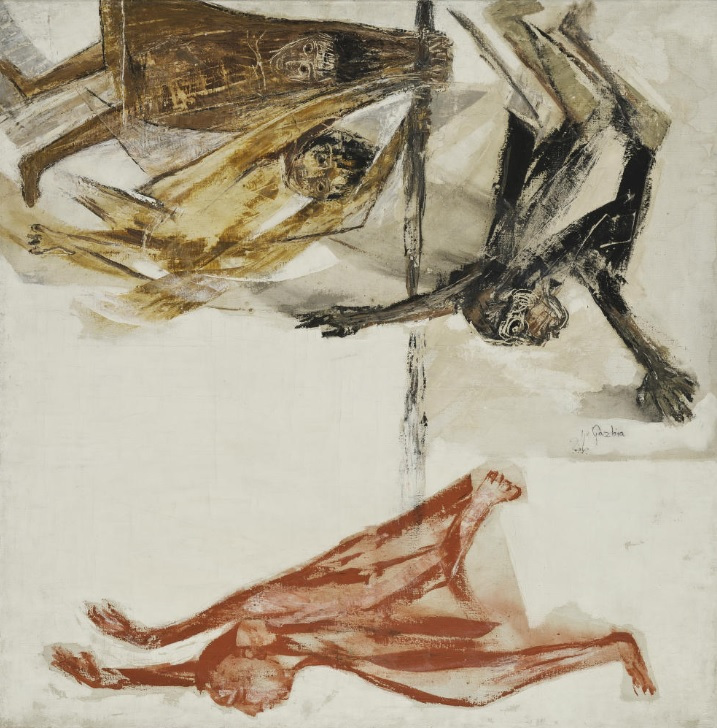 #29
#29
Gazbia Sirry
Gazbia Sirry opens an essential path by bringing together the crowds, the houses and the political mutations of Egypt led from figuration to colorful structures. "The Kite", "The Family" and "The Garden" make its singularity perceptible.
Read Gazbia Sirry's biography on Wikipedia #30
#30
Abidin Dino
Abidin Dino gives a new form to a set of themes: hands, workers and resistance treated by an incisive drawing nourished by Istanbul and Paris. "Hands series" offers direct entry, supplemented by "Torture series" and "Painters of Happiness".
Read Abidin Dino's biography on Wikipedia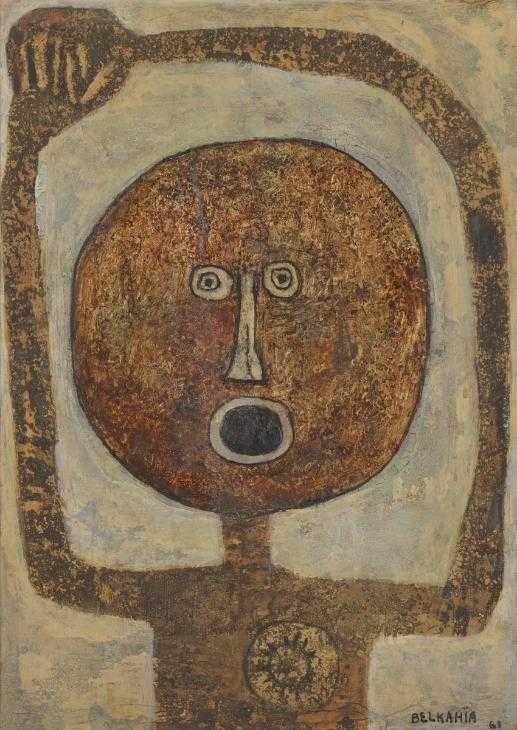 #31
#31
Farid Belkahia
Farid Belkahia occupies a major place in this regional history. His work combines copper, skin, natural pigments and Amazigh signs used to escape the Western model of canvas. "Jerusalem", "Leathers" and "Archétypes" reveal its main dimensions.
Read Farid Belkahia's biography on Wikipedia #32
#32
Behjat Sadr
A coherent search runs through the work of Behjat Sadr: black streaks, industrial tools and landscapes of memory united in a physical abstraction. From "Black paintings" to "Photo-paintings", the plastic language remains immediately identifiable.
Read Behjat Sadr's biography on Wikipedia #33
#33
Naziha Salim
Naziha Salim renews the forms of painting through a precise axis: the daily life of Iraqi women, families and rural scenes represented with sobriety. "Woman Sewing" constitutes a milestone, extended by "Baghdad Women" and "Rural Family".
Read the biography of Naziha Salim on Wikipedia #34
#34
Farideh Lashai
Farideh Lashai stands out for constant attention. His essential themes are misty landscapes, political memory and animated images combined in a deeply meditative late work. The confrontation of "When I Count, There Are Only You...", "Rabbit in Wonderland" and "El Amal" allows us to measure its extent.
Read Farideh Lashai's biography on Wikipedia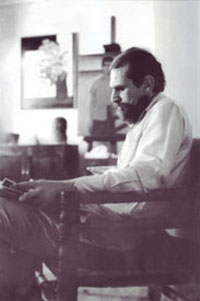 #35
#35
Louay Kayyali
Louay Kayyali builds sensitive language around street vendors, workers and the silent dignity of popular Syrian figures. "Then What?" condenses this ambition without exhausting the research visible in "Fisherman" and "The Laundry Woman".
Read Louay Kayyali's biography on Wikipedia #36
#36
Yahia Turki
The singularity of Yahia Turki lies in the way of working the cafés, the musicians and Tunisian life observed in a clear painting founding the School of Tunis. "Moorish Café", then "Musicians" and "Souk Scene", make this evolution particularly readable.
Read Yahia Turki's biography on Wikipedia #37
#37
Fikret Moualla
Fikret Moualla imposes himself through personal exploration. Its field of action brings together Parisian cafés, streets and isolated figures painted with nervous color and great vulnerability. Between "Café scenes", "Le Bar" and "Rue de Paris", the work changes scale without losing its strength.
Read Fikret Moualla's biography on Wikipedia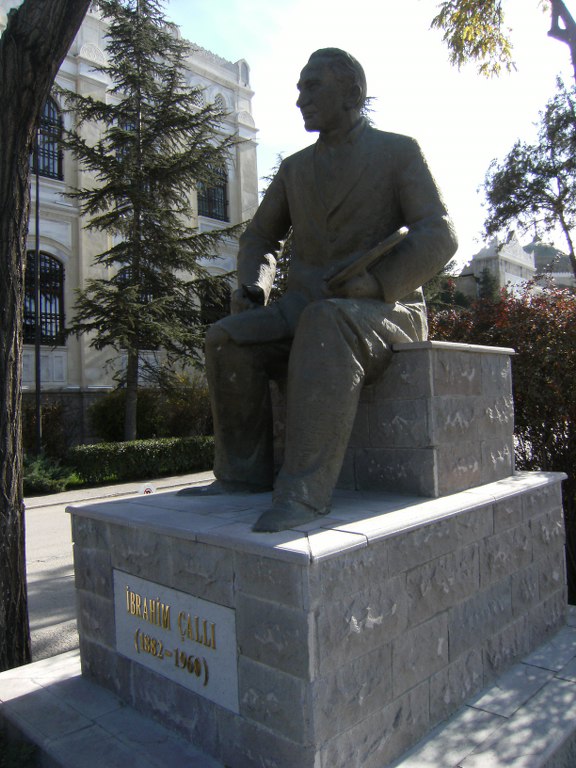 #38
#38
izbrahim Çalli
izbrahim Çalli's universe is based on the portraits, Istanbul and outdoor light that accompany the 1914 generation of late Ottoman painting. "Ada'da Sabah Gezintisine Çikan Kadilnlar" dialogues with "Manolyalar" and "Türk Topçularï" in a constantly mastered approach.
Read the biography of izbrahim Çalli on Wikipedia #39
#39
Hale Asaf
Hale Asaf opens an essential path by bringing together self-portraits, Bursa views and modern construction sensitive to the European avant-gardes. "Self-Portrait", "Bursa Landscape" and "Portrait of a Woman" make its singularity perceptible.
See the Hale Asaf collection #40
#40
Kamal-ol-Molk
Kamal-ol-Molk gives a new form to a set of themes: court portraiture, interiors and academic realism that transforms Iranian artistic education. "The Mirror Hall" offers direct entry, complemented by "The Fortune Teller" and "Portrait of Naser al-Din Shah".
See the Kamal-ol-Molk collection #41
#41
Osman Hamdi Bey
Osman Hamdi Bey occupies a major place in this regional history. His work combines Ottoman interiors, readers and a reflection on heritage developed between Istanbul and Paris. "The Turtle Trainer", "Young Woman Reading" and "Two Musicians" reveal its main dimensions.
See the Osman Hamdi Bey collection #42
#42
Reuven Rubin
A coherent search runs through the work of Reuven Rubin: the landscapes of Galilee, Tel Aviv and biblical figures in a modern vision of the region. From "First Fruits" to "Self-Portrait with Flower", the plastic language remains immediately identifiable.
Read Reuven Rubin's biography on Wikipedia #43
#43
Mordecai Ardon
Mordecai Ardon renews the forms of painting through a precise axis: cosmic signs, the memory of the Shoah and the color inherited from the Bauhaus organized into vast triptychs. "The Gates of Light" constitutes a milestone, extended by "For the Fallen" and "Miss T.".
Read Mordecai Ardon's biography on Wikipedia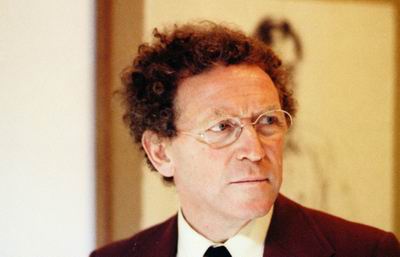 #44
#44
Avigdor Arikha
Avigdor Arikha stands out for constant attention. His essential themes are portraiture, familiar objects and the return to direct observation after an abstract period. The confrontation of "Samuel Beckett portraits", "Self-Portraits" and "Still Life with Pomegranate" allows us to measure its extent.
Read Avigdor Arikha's biography on Wikipedia #45
#45
George Sabbagh
Georges Sabbagh develops a lasting language around family portraits, of Brittany and Egypt, brought together by dense color and post-impressionist construction. "Les Sabbagh à La Clarté" condenses this ambition without exhausting the research visible in "La Creuse" and "L’Allée de palmiers".
See the Georges Sabbagh collection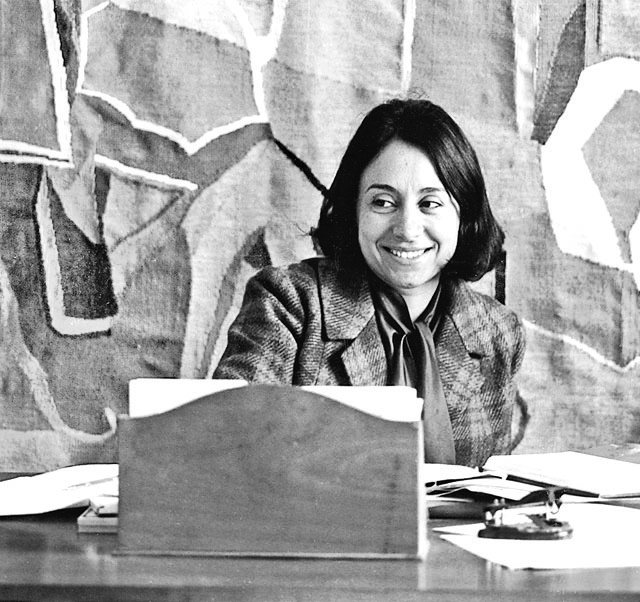 #46
#46
Safia Farhat
Safia Farhat's singularity lies in the way of working with tapestry, signs and the construction of institutions which sustainably structure modern Tunisian art. "Gafsa and the olive trees", then "Tapestries" and "Compositions", make this evolution particularly readable.
Read Safia Farhat's biography on Wikipedia #47
#47
Nja Mahdaoui
Nja Mahdaoui imposes herself through personal exploration. Its field of action brings together the Arabic letter freed from reading and transformed into rhythm on parchment, canvas, drum and architecture. Between "Calligrams", "Graphemes" and "Dubai Airport project", the work changes scale without losing its strength.
Read the biography of Nja Mahdaoui on Wikipedia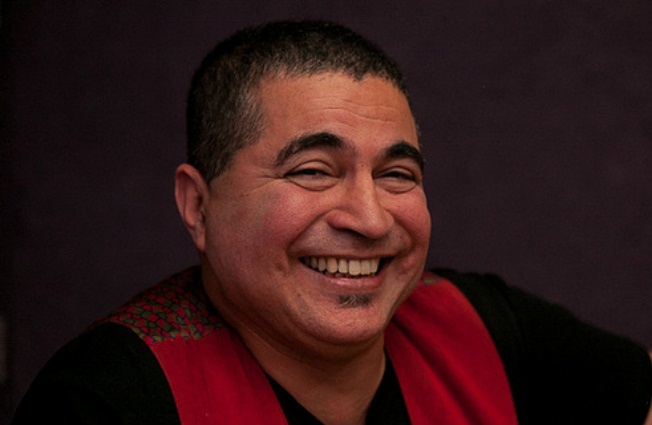 #48
#48
Mahi Binebine
Mahi Binebine's universe is based on bodies in tension, confinement and migrations approached by dark and sculptural material. "Les Prisonniers" dialogues with "Les Funambules" and "Figures entwined" in a constantly mastered approach.
Read Mahi Binebine's biography on Wikipedia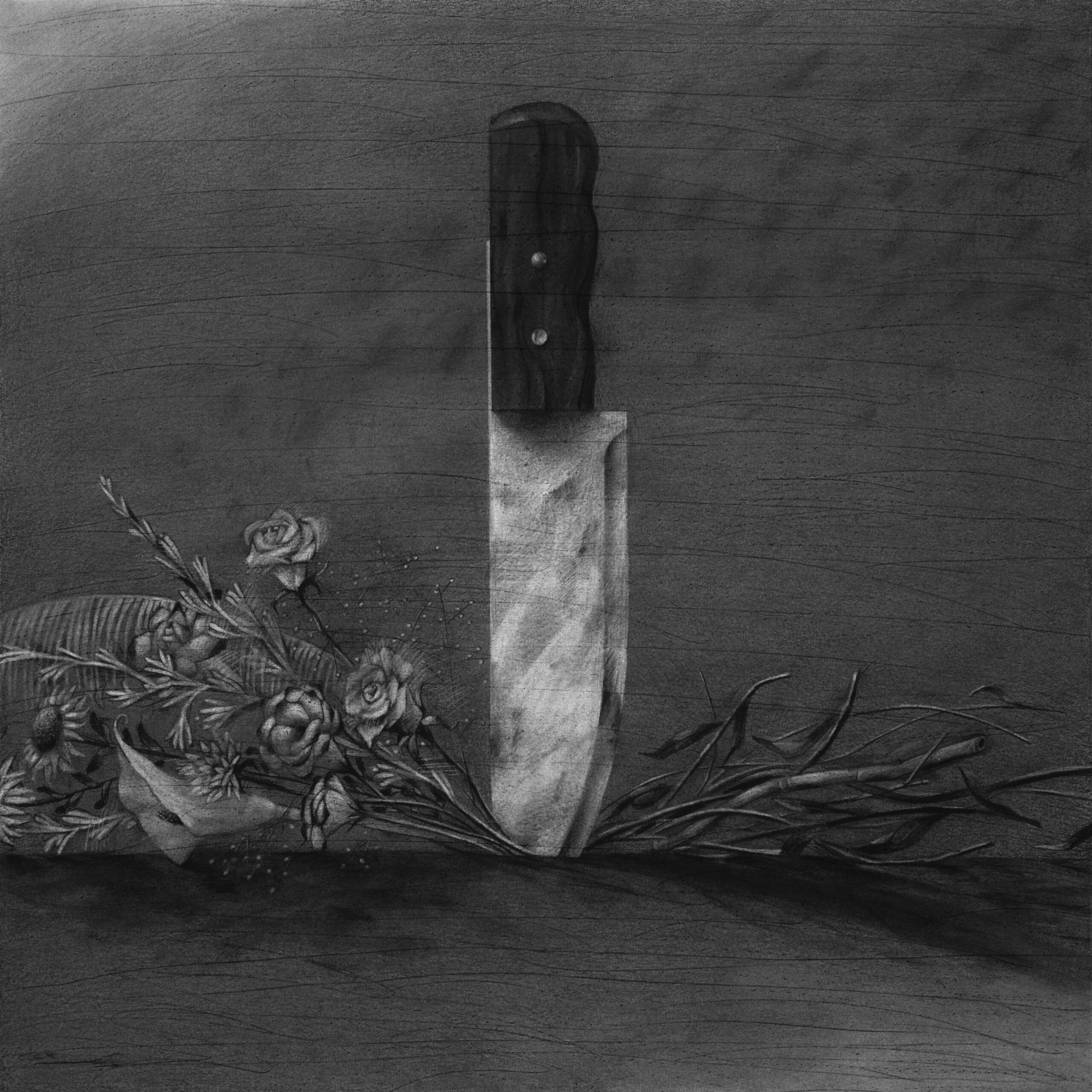 #49
#49
Youssef Abdelke
Youssef Abdelke opens an essential path by bringing together fish, knives, shoes and martyrs drawn on a monumental scale like political vanities. "Martyr series", "Fish" and "Knife" make its singularity perceptible.
Read the biography of Youssef Abdelke on Wikipedia #50
#50
Ghada Amer
Ghada Amer gives a new form to a set of themes: embroidery, female bodies and stereotypes of desire turned against the hierarchies of painting. "The Women's Qualities" offers direct entry, complemented by "Love Has No End" and "Encyclopedia of Pleasure".
Read Ghada Amer's biography on WikipediaSources and routes
Extend the visit to Arab and Middle Eastern modernities
A story of circulation, signs and sovereign looks
These fifty trajectories show that the modernities of the region are neither late nor peripheral. They are constructed in continuous exchanges between manuscript and canvas, local workshop and academy, heritage and avant-garde, hometown and exile. The letter becomes material, the portrait changes into a mental landscape, the miniature opens up complex narrative spaces and abstraction carries color as much as memory.
To continue the discovery, start from the strongest affinity: the solar color of Etel Adnan and Fahrelnissa Zeid, the invented worlds of Baya, the signs of Khadda and Cherkaoui, the committed figures of Efflatoun and Mansour, the surfaces of Choucair and Farmanfarmaian, or the silent power of Sepehri and Abdelke.
0 comments