


100 paintings - an encyclopedic collection
Top 100 paintings from the Metropolitan Museum of Art
One hundred major paintings, classified from Highlights and Open Access notices from the Metropolitan Museum of Art.
The route brings together European masters, American painting, Asian scrolls and ancient frescoes. Ninety-five images open their Alpha Reproduction file; five works with unverifiable attribution or date of death lead directly to the Met.
A world museum
One hundred paintings to enter the Met
The Metropolitan Museum of Art preserves paintings on canvas, panel, paper, silk and wall. Bringing them together requires looking beyond a single canon without giving up the masterpieces that shaped the museum's identity.
From Washington crossing Delaware to the Reapers, from Vermeer to the Chinese scrolls, the classification follows the strength of the works as much as the history of the collection.
Order is not an automatic timeline. It combines artistic importance, Highlight status, documentary quality and the ability of each painting to open up a broader story.
Enter the rankingThe 100 paintings in pictures
Twenty-five paintings which immediately give the measure of the collection.
#1Washington crossing Delaware
Emanuel Leutze makes Washington crossing Delaware a decisive work in the journey of the Metropolitan Museum of Art. The American Wing places this painting in the construction of a national painting, between portrait, history, landscape and experience of the territory. The framing, posture and relationship between the face, hands and background construct a presence more complex than a simple resemblance. Clothing and objects become signs of character, function or status. Clothing and objects become signs of character, function or status. The museum notice dates the work to 1851 and specifies the technique: oil on canvas. Its place in this classification is due both to its importance in the history of art and to the exceptional quality of its presence within the Met's collections. The image and the button lead to the corresponding Alpha Reproduction sheet; the institutional provenance of the model remains indicated and the original Met notice is preserved in the file documentation.
Image: Alpha Reproduction · Model documented by the Metropolitan Museum of Art.
See this reproduction → #2
#2The Reapers
Pieter Bruegel the Elder makes The Reapers a decisive work in the journey of the Metropolitan Museum of Art. The Met's collection of European paintings here allows us to read together school, commission, formal invention and circulation of models. The space is structured by plans, vanishing lines and color ratios. The landscape is not only used as a setting: it becomes a way of organizing light, time and the memory of a place. The museum notice dates the work to 1565 and specifies the technique: oil on oak. The work does not only serve as a setting: it becomes a way of organizing light, time and the memory of a place. The museum notice dates the work to 1565 and specifies the technique: oil on oak. The work counts as a benchmark because it summarizes a tradition while moving it by a decision of composition, light or material. The image and button lead to the corresponding Alpha Reproduction sheet; the institutional provenance of the model remains indicated and the original Met notice is preserved in the file documentation.
Image: Alpha Reproduction · Model documented by the Metropolitan Museum of Art.
See this reproduction → #3
#3Aristotle contemplating the bust of Homer
Rembrandt (Rembrandt van Rijn) makes Aristotle contemplating the bust of Homer a decisive work in the career of the Metropolitan Museum of Art. The Met's collection of European paintings here allows us to read together school, commission, formal invention and circulation of models. The space is structured by plans, vanishing lines and color ratios. The landscape does not only serve as a setting: it becomes a way of organizing light, time and the memory of a place. The museum notice dates the work to 1653 and specifies the technique: oil on canvas. This rank measures less an abstract celebrity than the painting's ability to illuminate the works around it and the history of the collection. The museum notice dates the work to 1653 and specifies the technique: oil on canvas. This rank measures less an abstract celebrity than the painting's ability to illuminate the works that surround it and the history of the collection. The image and button lead to the corresponding Alpha Reproduction sheet; the institutional provenance of the model remains indicated and the original Met notice is preserved in the file documentation.
Image: Alpha Reproduction · Model documented by the Metropolitan Museum of Art.
See this reproduction → #4
#4Wheat field with cypresses
Vincent van Gogh makes Wheat Field with Cypresses a decisive work in the career of the Metropolitan Museum of Art. The Met's collection of European paintings here allows us to read together school, order, formal invention and circulation of models. The space is structured by plans, vanishing lines and color ratios. The landscape is not only used as a setting: it becomes a way of organizing light, time and the memory of a place. The museum notice dates the work to 1889 and specifies the technique: oil on canvas. The painting not only serves as a setting: it becomes a way of organizing light, time and the memory of a place. The museum notice dates the work to 1889 and specifies the technique: oil on canvas. The painting remains memorable because it unites a very constructed formal invention with an immediate experience of the subject. The museum notice dates the work to 1889 and specifies the technique: oil on canvas. The painting remains memorable because it unites a very constructed formal invention with an immediate experience of the subject. The museum notice dates the work to 1889 and specifies the technique: oil on canvas. The painting remains memorable because it unites a very constructed formal invention with an immediate experience of the subject. The image and button lead to the corresponding Alpha Reproduction sheet; the institutional provenance of the model remains indicated and the original Met notice is preserved in the file documentation.
Image: Alpha Reproduction · Model documented by the Metropolitan Museum of Art.
See this reproduction → #5
#5Young woman with ewer
Johannes Vermeer makes Young Woman with a Ewer a decisive work in the career of the Metropolitan Museum of Art. The Met's collection of European paintings here allows us to read together school, commission, formal invention and circulation of models. The framing, posture and relationship between the face, hands and background construct a presence more complex than a simple resemblance. Clothing and objects become signs of character, function or status. The museum notice dates the work ca. 1662 and specifies the technique: oil on canvas. Its place in this classification is due both to its importance in the history of art and to the exceptional quality of its presence within the Met collections. The museum notice dates the work ca. 1662 and specifies the technique: oil on canvas. Its place in this classification is due both to its importance in the history of art and to the exceptional quality of its presence within the Met collections. The image and the button lead to the corresponding Alpha Reproduction sheet; the institutional provenance of the model remains indicated and the original Met notice is preserved in the sheet documentation.
Image: Alpha Reproduction · Model documented by the Metropolitan Museum of Art.
See this reproduction → #6
#6Juan de Pareja
Velazquez (Diego Rodriguez de Silva y Velázquez) makes Juan de Pareja a decisive work in the career of the Metropolitan Museum of Art. The Met's collection of European paintings here allows us to read together school, commission, formal invention and circulation of models. The framing, posture and relationship between the face, hands and background construct a presence more complex than a simple resemblance. Clothing and objects become signs of character, function or status. Clothing and objects become signs of character, function or status. The museum notice dates the work to 1650 and specifies the technique: oil on canvas. The work's notice dates the work to 1650 and specifies the technique: oil on canvas. The work's notice counts as a landmark because it summarizes a tradition while moving it by a decision of composition, light or material. The image and the button lead to the corresponding Alpha Reproduction sheet; the institutional provenance of the model remains indicated and the original Met notice is preserved in the file documentation.
Image: Alpha Reproduction · Model documented by the Metropolitan Museum of Art.
See this reproduction → #7
#7The Death of Socrates
Jacques Louis David makes The Death of Socrates a decisive work in the career of the Metropolitan Museum of Art. The Met's collection of European paintings here allows us to read together school, commission, formal invention and circulation of models. The narrative scene is based on a precise hierarchy of gestures, looks and masses. The painter makes the story immediately readable while leaving tensions that prolong the observation. The museum notice dates the work to 1787 and specifies the technique: oil on canvas. This rank measures less an abstract celebrity than the painting's ability to illuminate the works around it and the history of the collection. The image and button lead to the corresponding Alpha Reproduction sheet; the institutional provenance of the model remains indicated and the original Met notice is preserved in the file documentation.
Image: Alpha Reproduction · Model documented by the Metropolitan Museum of Art.
See this reproduction → #8
#8View of Toledo
El Greco (Domenikos Theotokopoulos) makes View of Toledo a decisive work in the Metropolitan Museum of Art's career. The Met's collection of European paintings here allows us to read together school, order, formal invention and circulation of models. The space is structured by plans, vanishing lines and color ratios. The landscape does not only serve as a setting: it becomes a way of organizing light, time and the memory of a place. The museum notice dates the work ca. 1599 -1600 and specifies the technique: oil on canvas. The painting remains memorable because it unites a very constructed formal invention with an immediate experience of the subject. The museum notice dates the work ca. 1599 -1600 and specifies the technique: oil on canvas. The painting remains memorable because it unites a very constructed formal invention with an immediate experience of the subject. The museum notice dates the work ca. 1599 -1600 and specifies the technique: oil on canvas. The painting remains memorable because it unites a very constructed formal invention with an immediate experience of the subject. The museum notice dates the work ca. 1599 -1600 and specifies the technique: oil on canvas. The painting remains memorable because it unites a very constructed formal invention with an immediate experience of the subject. The image and button lead to the corresponding Alpha Reproduction sheet; the institutional provenance of the model remains indicated and the original Met notice is preserved in the file documentation.
Image: Alpha Reproduction · Model documented by the Metropolitan Museum of Art.
See this reproduction → #9
#9The Musicians
Caravaggio (Michelangelo Merisi) makes The Musicians a decisive work in the journey of the Metropolitan Museum of Art. The Met's collection of European paintings here allows us to read together school, commission, formal invention and circulation of models. The subject remains recognizable, but the strength of the work lies in the agreement between scale, material, rhythm and color. Each detail contributes to an overall structure which leads the eye without closing the meaning. The museum notice dates the work to 1597 and specifies the technique: oil on canvas. Its place in this classification is due both to its importance in the history of art and to the exceptional quality of its presence within the Met collections. The image and the button lead to the corresponding Alpha Reproduction sheet; the institutional provenance of the model remains indicated and the original Met notice is preserved in the documentation of the sheet.
Image: Alpha Reproduction · Model documented by the Metropolitan Museum of Art.
See this reproduction → #10
#10View of Mount Holyoke after a storm - Le Méandre
Thomas Cole makes View of Mount Holyoke after a Storm - The Meander a decisive work in the journey of the Metropolitan Museum of Art. The American Wing places this painting in the construction of a national painting, between portrait, history, landscape and experience of the territory. The space is structured by plans, vanishing lines and color relationships. The landscape is not only used as a setting: it becomes a way of organizing light, time and the memory of a place. The museum notice dates the work to 1836 and specifies the technique: oil on canvas. The work does not only serve as a setting: it becomes a way of organizing light, time and the memory of a place. The museum notice dates the work to 1836 and specifies the technique: oil on canvas. The work does not only serve as a reference point because it summarizes a tradition while moving it by a decision of composition, light or material. The image and the button lead to the corresponding Alpha Reproduction sheet; the institutional provenance of the model remains indicated and the original Met notice is preserved in the file documentation.
Image: Alpha Reproduction · Model documented by the Metropolitan Museum of Art.
See this reproduction → #11
#11The Gulf Stream
Winslow Homer makes The Gulf Stream a decisive work in the journey of the Metropolitan Museum of Art. The American Wing places this painting in the construction of a national painting, between portrait, history, landscape and experience of the territory. The subject remains recognizable, but the strength of the work lies in the agreement between scale, material, rhythm and color. Each detail participates in an overall structure which leads the eye without closing the meaning. The museum notice dates the work to 1899; reworked by 1906 and specifies the technique: oil on canvas. This rank measures less an abstract celebrity than the painting's ability to illuminate the works around it and the history of the collection. The image and button lead to the corresponding Alpha Reproduction sheet; the institutional provenance of the model remains indicated and the original Met notice is preserved in the file documentation.
Image: Alpha Reproduction · Model documented by the Metropolitan Museum of Art.
See this reproduction → #12
#12The Dance Class
Edgar Degas makes The Dance Class a decisive work in the career of the Metropolitan Museum of Art. The Met's collection of European paintings here allows us to read together school, commission, formal invention and circulation of models. The subject remains recognizable, but the strength of the work lies in the agreement between scale, material, rhythm and color. Each detail contributes to an overall structure which leads the eye without closing the meaning. The museum notice dates the work to 1874 and specifies the technique: oil on canvas. The painting remains memorable because it unites a very constructed formal invention with an immediate experience of the subject. The museum notice dates the work to 1874 and specifies the technique: oil on canvas. The painting remains memorable because it unites a very constructed formal invention with an immediate experience of the subject. The museum notice dates the work to 1874 and specifies the technique: oil on canvas. The painting remains memorable because it unites a very constructed formal invention with an immediate experience of the subject. The image and button lead to the corresponding Alpha Reproduction sheet; the institutional provenance of the model remains indicated and the original Met notice is preserved in the file documentation.
Image: Alpha Reproduction · Model documented by the Metropolitan Museum of Art.
See this reproduction → #13
#13Iris
Vincent van Gogh makes Iris a decisive work in the journey of the Metropolitan Museum of Art. The Met's collection of European paintings here allows us to read together school, commission, formal invention and circulation of models. The space is structured by plans, vanishing lines and color ratios. The landscape does not only serve as a setting: it becomes a way of organizing light, time and the memory of a place. The museum notice dates the work to 1890 and specifies the technique: oil on canvas. Its place in this classification is due both to its importance in the history of art and to the exceptional quality of its presence within the Met collections. The museum notice dates the work to 1890 and specifies the technique: oil on canvas. Its place in this classification is due both to its importance in the history of art and to the exceptional quality of its presence within the Met collections. The image and the button lead to the corresponding Alpha Reproduction sheet; the institutional provenance of the model remains indicated and the original Met notice is preserved in the file documentation.
Image: Alpha Reproduction · Model documented by the Metropolitan Museum of Art.
See this reproduction → #14
#14Self-portrait with straw hat
Vincent van Gogh makes Self-Portrait with a Straw Hat a decisive work in the career of the Metropolitan Museum of Art. The Met's collection of European paintings here allows us to read together school, commission, formal invention and circulation of models. The framing, posture and relationship between the face, hands and background construct a presence more complex than a simple resemblance. Clothing and objects become signs of character, function or status. Clothing and objects become signs of character, function or status. The museum notice dates the work to 1887 and specifies the technique: oil on canvas. The work's notice dates the work to 1887 and specifies the technique: oil on canvas. The work's notice counts as a landmark because it summarizes a tradition while moving it by a decision of composition, light or material. The image and button lead to the corresponding Alpha Reproduction sheet; the institutional provenance of the model remains indicated and the original Met notice is preserved in the file documentation.
Image: Alpha Reproduction · Model documented by the Metropolitan Museum of Art.
See this reproduction → #15
#15Circus parade
Georges Seurat makes Circus Parade a decisive work in the career of the Metropolitan Museum of Art. The Met's collection of European paintings here allows us to read together school, commission, formal invention and circulation of models. The subject remains recognizable, but the strength of the work lies in the agreement between scale, material, rhythm and color. Each detail contributes to an overall structure which leads the eye without closing the meaning. The museum notice dates the work to 1887 -88 and specifies the technique: oil on canvas. This rank measures less an abstract celebrity than the painting's ability to illuminate the works that surround it and the history of the collection. The image and button lead to the corresponding Alpha Reproduction sheet; the institutional provenance of the model remains indicated and the original Met notice is preserved in the file documentation.
Image: Alpha Reproduction · Model documented by the Metropolitan Museum of Art.
See this reproduction → #16
#16Card Players
Paul Cézanne makes The Card Players a decisive work in the journey of the Metropolitan Museum of Art. The Met's collection of European paintings here allows us to read together school, order, formal invention and circulation of models. The subject remains recognizable, but the strength of the work lies in the agreement between scale, material, rhythm and color. Each detail contributes to an overall structure which leads the eye without closing the meaning. The museum notice dates the work to 1890-92 and specifies the technique: oil on canvas. The painting remains memorable because it unites a very constructed formal invention with an immediate experience of the subject. The museum notice dates the work to 1890-92 and specifies the technique: oil on canvas. The painting remains memorable because it unites a very constructed formal invention with an immediate experience of the subject. The museum notice dates the work to 1890-92 and specifies the technique: oil on canvas. The painting remains memorable because it unites a very constructed formal invention with an immediate experience of the subject. The image and button lead to the corresponding Alpha Reproduction sheet; the institutional provenance of the model remains indicated and the original Met notice is preserved in the file documentation.
Image: Alpha Reproduction · Model documented by the Metropolitan Museum of Art.
See this reproduction → #17
#17By boat
Edouard Manet makes En Bateau a decisive work in the journey of the Metropolitan Museum of Art. The Met's collection of European paintings here allows us to read together school, commission, formal invention and circulation of models. The subject remains recognizable, but the strength of the work lies in the agreement between scale, material, rhythm and color. Each detail contributes to an overall structure which leads the eye without closing the meaning. The museum notice dates the work to 1874 and specifies the technique: oil on canvas. Its place in this classification is due both to its importance in the history of art and to the exceptional quality of its presence within the Met collections. The image and the button lead to the corresponding Alpha Reproduction sheet; the institutional provenance of the model remains indicated and the original Met notice is preserved in the sheet documentation.
Image: Alpha Reproduction · Model documented by the Metropolitan Museum of Art.
See this reproduction → #18
#18Mäda Primavesi
Gustav Klimt makes Mäda Primavesi a decisive work in the career of the Metropolitan Museum of Art. The Met's collection of European paintings here allows us to read together school, commission, formal invention and circulation of models. The framing, posture and relationship between the face, hands and background construct a presence more complex than a simple resemblance. Clothing and objects become signs of character, function or status. Clothing and objects become signs of character, function or status. The museum notice dates the work to 1912 -13 and specifies the technique: oil on canvas. The work's notice dates the work to 1912 -13 and specifies the technique: oil on canvas. The work's notice dates the work to 1912 -13 and specifies the technique: oil on canvas. The work's notice counts as a landmark because it summarizes a tradition while moving it by a decision of composition, light or material. The image and button lead to the corresponding Alpha Reproduction sheet; the institutional provenance of the model remains indicated and the original Met notice is preserved in the file documentation.
Image: Alpha Reproduction · Model documented by the Metropolitan Museum of Art.
See this reproduction → #19
#19Ia Orana Maria (Hail Mary)
Paul Gauguin makes Ia Orana Maria (Hail Mary) a decisive work in the career of the Metropolitan Museum of Art. The Met's collection of European paintings here allows us to read together school, commission, formal invention and circulation of models. The subject remains recognizable, but the strength of the work lies in the agreement between scale, material, rhythm and color. Each detail participates in an overall structure which leads the eye without closing the meaning. The museum notice dates the work to 1891 and specifies the technique: oil on canvas. This rank measures less an abstract celebrity than the painting's ability to illuminate the works that surround it and the history of the collection. The image and button lead to the corresponding Alpha Reproduction sheet; the institutional provenance of the model remains indicated and the original Met notice is preserved in the file documentation.
Image: Alpha Reproduction · Model documented by the Metropolitan Museum of Art.
See this reproduction → #20
#20The Crucifixion and the Last Judgment
Jan van Eyck makes The Crucifixion and the Last Judgment a decisive work in the career of the Metropolitan Museum of Art. The Met's collection of European paintings here allows us to read together school, commission, formal invention and circulation of models. The narrative scene is based on a precise hierarchy of gestures, looks and masses. The painter makes the story immediately readable while leaving tensions that prolong the observation. The museum notice dates the work ca. 1436 -38 and specifies the technique: oil on canvas, transferred from wood. The painting remains memorable because it unites a very constructed formal invention with an immediate experience of the subject. The museum notice dates the work ca. 1436 -38 and specifies the technique: oil on canvas, transferred from wood. The painting remains memorable because it unites a very constructed formal invention with an immediate experience of the subject. The museum notice dates the work ca. 1436 -38 and specifies the technique: oil on canvas, transferred from wood. The painting remains memorable because it unites a very constructed formal invention with an immediate experience of the subject. The museum notice dates the work ca. 1436 -38 and specifies the technique: oil on canvas, transferred from wood. The painting remains memorable because it unites a very constructed formal invention with an immediate experience of the subject. The museum notice dates the work ca. 1436 -38 and specifies the technique: oil on canvas, transferred from wood. The painting remains memorable because it unites a very constructed formal invention with an immediate experience of the subject.
Image: Alpha Reproduction · Model documented by the Metropolitan Museum of Art.
See this reproduction → #21
#21Portrait of a Carthusian
Petrus Christus makes Portrait of a Carthusian a decisive work in the career of the Metropolitan Museum of Art. The Met's collection of European paintings here allows us to read together school, commission, formal invention and circulation of models. The framing, posture and relationship between the face, hands and background construct a presence more complex than a simple resemblance. Clothing and objects become signs of character, function or status. Clothing and objects become signs of character, function or status. The museum notice dates the work to 1446 and specifies the technique: oil on oak. Its place in this classification is due both to its importance in the history of art and to the exceptional quality of its presence within the Met collections. The image and the button lead to the corresponding Alpha Reproduction sheet; the institutional provenance of the model remains indicated and the original Met notice is preserved in the documentation of the sheet.
Image: Alpha Reproduction · Model documented by the Metropolitan Museum of Art.
See this reproduction → #22
#22The Adoration of the Magi
Giotto di Bondone makes The Adoration of the Magi a decisive work in the career of the Metropolitan Museum of Art. The Met's collection of European paintings here allows us to read together school, commission, formal invention and circulation of models. The narrative scene is based on a precise hierarchy of gestures, looks and masses. The painter makes the story immediately readable while leaving tensions that prolong the observation. The museum notice dates the work possibly ca. 1320 and specifies the technique: tempera on wood, or ground. The work counts as a benchmark because it summarizes a tradition while leaving tensions that prolong the observation. The museum notice dates the work possibly ca. 1320 and specifies the technique: tempera on wood, or ground. The work counts as a benchmark because it summarizes a tradition while moving it by a decision of composition, light or material. The image and the button lead to the corresponding Alpha Reproduction sheet; the institutional provenance of the model remains indicated and the original Met notice is preserved in the file documentation.
Image: Alpha Reproduction · Model documented by the Metropolitan Museum of Art.
See this reproduction → #23
#23Virgin and Child
Duccio di Buoninsegna makes Virgin and Child a decisive work in the career of the Metropolitan Museum of Art. The Met's collection of European paintings here allows us to read together school, commission, formal invention and circulation of models. The narrative scene is based on a precise hierarchy of gestures, looks and masses. The painter makes the story immediately readable while leaving tensions that prolong the observation. The museum notice dates the work ca. 1290 -1300 and specifies the technique: tempera and or on wood. This rank measures less an abstract celebrity than the painting's ability to illuminate the works around it and the history of the collection. The image and button lead to the corresponding Alpha Reproduction sheet; the institutional provenance of the model remains indicated and the original Met notice is preserved in the file documentation.
Image: Alpha Reproduction · Model documented by the Metropolitan Museum of Art.
See this reproduction → #24
#24Virgin and Child in throne with saints
Raphael (Raffaello Sanzio or Santi) makes Virgin and Child in Throne with Saints a decisive work in the journey of the Metropolitan Museum of Art. The Met's collection of European paintings here allows us to read together school, commission, formal invention and circulation of models. The narrative scene is based on a precise hierarchy of gestures, looks and masses. The painter makes the story immediately readable while leaving tensions that prolong the observation. The museum notice dates the work ca. 1504 and specifies the technique: oil and or on wood. The painting makes the story immediately readable while leaving tensions that prolong the observation. The museum notice dates the work ca. 1504 and specifies the technique: oil and or on wood. The painting makes the story immediately readable while leaving tensions that prolong the observation. The museum notice dates the work ca. 1504 and specifies the technique: oil and or on wood. The painting makes the story immediately readable while leaving tensions that prolong the observation. The museum notice dates the work ca. 1504 and specifies the technique: oil and or on wood. The painting remains memorable because it unites a very constructed formal invention with an immediate experience of the subject. The image and the button lead to the corresponding Alpha Reproduction sheet; the institutional provenance of the model remains indicated and the original Met notice is preserved in the file documentation.
Image: Alpha Reproduction · Model documented by the Metropolitan Museum of Art.
See this reproduction → #25
#25The Last Communion of Saint Jerome
Botticelli (Alessandro di Mariano Filipepi) makes The Last Communion of Saint Jerome a decisive work in the career of the Metropolitan Museum of Art. The Met's collection of European paintings here allows us to read together school, commission, formal invention and circulation of models. The narrative scene is based on a precise hierarchy of gestures, looks and masses. The painter makes the story immediately readable while leaving tensions that prolong the observation. The museum notice dates the work early 1490s and specifies the technique: tempera and or on wood. His place in this classification is due both to its importance in the history of art and to the exceptional quality of its presence within the Met collections. The image and the button lead to the corresponding Alpha Reproduction sheet; the institutional provenance of the model remains indicated and the original Met notice is preserved in the file documentation.
Image: Alpha Reproduction · Model documented by the Metropolitan Museum of Art.
See this reproduction →Renaissance, Baroque age, portrait and religious painting enter into dialogue.
 #26
#26The Virgin and Child with Saint Anne
Albrecht Dürer makes The Virgin and Child with Saint Anne a decisive work in the career of the Metropolitan Museum of Art. The Met's collection of European paintings here allows us to read together school, commission, formal invention and circulation of models. The narrative scene is based on a precise hierarchy of gestures, looks and masses. The painter makes the story immediately readable while leaving tensions that prolong the observation. The museum notice dates the work probably 1519 and specifies the technique: oil on linden. The work counts as a benchmark because it summarizes a tradition while leaving tensions that prolong the observation. The museum notice dates the work probably to 1519 and specifies the technique: oil on linden. The work counts as a landmark because it summarizes a tradition while moving it by a decision of composition, light or material. The image and the button lead to the corresponding Alpha Reproduction sheet; the institutional provenance of the model remains indicated and the original Met notice is preserved in the file documentation.
Image: Alpha Reproduction · Model documented by the Metropolitan Museum of Art.
See this reproduction → #27
#27Virgin and Child
Giovanni Bellini makes Virgin and Child a decisive work in the career of the Metropolitan Museum of Art. The Met's collection of European paintings here allows us to read together school, commission, formal invention and circulation of models. The narrative scene is based on a precise hierarchy of gestures, looks and masses. The painter makes the story immediately readable while leaving tensions that prolong the observation. The museum notice dates the late 1480s work and specifies the technique: oil on wood. This rank measures less an abstract celebrity than the painting's ability to illuminate the works around it and the history of the collection. The image and button lead to the corresponding Alpha Reproduction sheet; the institutional provenance of the model remains indicated and the original Met notice is preserved in the file documentation.
Image: Alpha Reproduction · Model documented by the Metropolitan Museum of Art.
See this reproduction → #28
#28Venus and Adonis
Titian (Tiziano Vecellio) makes Venus and Adonis a decisive work in the career of the Metropolitan Museum of Art. The Met's collection of European paintings here allows us to read together school, commission, formal invention and circulation of models. The narrative scene is based on a precise hierarchy of gestures, looks and masses. The painter makes the story immediately readable while leaving tensions that prolong the observation. The museum notice dates the work to 1550s and specifies the technique: oil on canvas. The painting dates the work to 1550s and specifies the technique: oil on canvas. The painting dates the work to 1550s and specifies the technique: oil on canvas. The painting remains memorable because it unites a very constructed formal invention with an immediate experience of the subject. The image and the button lead to the corresponding Alpha Reproduction sheet; the institutional provenance of the model remains indicated and the original Met notice is preserved in the file documentation.
Image: Alpha Reproduction · Model documented by the Metropolitan Museum of Art.
See this reproduction → #29
#29Mars and Venus united by Love
Paolo Veronese (Paolo Caliari) makes Mars and Venus united by Love a decisive work in the career of the Metropolitan Museum of Art. The Met's collection of European paintings here allows us to read together school, commission, formal invention and circulation of models. The narrative scene is based on a precise hierarchy of gestures, looks and masses. The painter makes the story immediately readable while leaving tensions that prolong the observation. The museum notice dates the work to 1570s and specifies the technique: oil on canvas. The museum notice dates the work to 1570s and specifies the technique: oil on canvas. Its place in this classification is due both to its importance in the history of art and to the exceptional quality of its presence within the Met collections. The image and the button lead to the corresponding Alpha Reproduction sheet; the institutional provenance of the model remains indicated and the original Met notice is preserved in the file documentation.
Image: Alpha Reproduction · Model documented by the Metropolitan Museum of Art.
See this reproduction → #30
#30Rubens, Helena Fourment and their son Frans
Peter Paul Rubens makes Rubens, Helena Fourment and their son Frans a decisive work in the career of the Metropolitan Museum of Art. The Met's collection of European paintings here allows us to read together school, commission, formal invention and circulation of models. The subject remains recognizable, but the strength of the work lies in the agreement between scale, material, rhythm and color. Each detail participates in an overall structure which leads the eye without closing the meaning. The museum notice dates the work ca. 1635 and specifies the technique: oil on wood. The work counts as a benchmark because it summarizes a tradition while moving it by a decision of composition, light or material. The image and the button lead to the corresponding Alpha Reproduction sheet; the institutional provenance of the model remains indicated and the original Met notice is preserved in the documentation of the sheet.
Image: Alpha Reproduction · Model documented by the Metropolitan Museum of Art.
See this reproduction → #31
#31The Fortune Teller
Georges de La Tour makes The Fortune Teller a decisive work in the career of the Metropolitan Museum of Art. The Met's collection of European paintings here allows us to read together school, commission, formal invention and circulation of models. The subject remains recognizable, but the strength of the work lies in the agreement between scale, material, rhythm and color. Each detail contributes to an overall structure which leads the eye without closing the meaning. The museum notice dates the work probably to 1630s and specifies the technique: oil on canvas. This rank measures less an abstract celebrity than the painting's ability to illuminate the works that surround it and the history of the collection. The image and button lead to the corresponding Alpha Reproduction sheet; the institutional provenance of the model remains indicated and the original Met notice is preserved in the file documentation.
Image: Alpha Reproduction · Model documented by the Metropolitan Museum of Art.
See this reproduction → #32
#32The penitent Madeleine
Georges de La Tour makes La Madeleine penitente a decisive work in the career of the Metropolitan Museum of Art. The Met's collection of European paintings here allows us to read together school, commission, formal invention and circulation of models. The narrative scene is based on a precise hierarchy of gestures, looks and masses. The painter makes the story immediately readable while allowing tensions which prolong the observation. The museum notice dates the work ca. 1640 and specifies the technique: oil on canvas. The painting remains memorable because it unites a very constructed formal invention with an immediate experience of the subject. The museum notice dates the work ca. 1640 and specifies the technique: oil on canvas. The painting remains memorable because it unites a very constructed formal invention with an immediate experience of the subject. The museum notice dates the work ca. 1640 and specifies the technique: oil on canvas. The painting remains memorable because it unites a very constructed formal invention with an immediate experience of the subject. The image and the button lead to the corresponding Alpha Reproduction sheet; the institutional provenance of the model remains indicated and the original Met notice is preserved in the file documentation.
Image: Alpha Reproduction · Model documented by the Metropolitan Museum of Art.
See this reproduction → #33
#33Self-portrait
Rembrandt (Rembrandt van Rijn) makes Self-Portrait a decisive work in the career of the Metropolitan Museum of Art. The Met's collection of European paintings here allows us to read together school, commission, formal invention and circulation of models. The framing, posture and relationship between the face, hands and background construct a presence more complex than a simple resemblance. Clothing and objects become signs of character, function or status. Clothing and objects become signs of character, function or status. The museum's notice dates the work to 1660 and specifies the technique: oil on canvas. Its place in this classification is due both to its importance in the history of art and to the exceptional quality of its presence within the Met's collections. The image and the button lead to the corresponding Alpha Reproduction sheet; the institutional provenance of the model remains indicated and the original Met notice is preserved in the file documentation.
Image: Alpha Reproduction · Model documented by the Metropolitan Museum of Art.
See this reproduction → #34
#34Study of a young woman
Johannes Vermeer makes Study of a Young Woman a decisive work in the career of the Metropolitan Museum of Art. The Met's collection of European paintings here allows us to read together school, commission, formal invention and circulation of models. The framing, posture and relationship between the face, hands and background construct a presence more complex than a simple resemblance. Clothing and objects become signs of character, function or status. The museum notice dates the work ca. 1665-67 and specifies the technique: oil on canvas. The work's notice dates the work ca. 1665-67 and specifies the technique: oil on canvas. The work's notice dates the work ca. 1665-67 and specifies the technique: oil on canvas. The work's notice counts as a landmark because it summarizes a tradition while moving it by a decision of composition, light or material. The image and the button lead to the corresponding Alpha Reproduction sheet; the institutional provenance of the model remains indicated and the original Met notice is preserved in the file documentation.
Image: Alpha Reproduction · Model documented by the Metropolitan Museum of Art.
See this reproduction → #35
#35Carnival partygoers
Frans Hals makes Party People at Carnival a decisive work in the journey of the Metropolitan Museum of Art. The Met's collection of European paintings here allows us to read together school, commission, formal invention and circulation of models. The space is structured by plans, vanishing lines and color ratios. The landscape does not only serve as a setting: it becomes a way of organizing light, time and the memory of a place. The museum notice dates the work ca. 1616 -17 and specifies the technique: oil on canvas. This rank measures less an abstract celebrity than the painting's ability to illuminate the works around it and the history of the collection. The image and button lead to the corresponding Alpha Reproduction sheet; the institutional provenance of the model remains indicated and the original Met notice is preserved in the file documentation.
Image: Alpha Reproduction · Model documented by the Metropolitan Museum of Art.
See this reproduction → #36
#36Wheat fields
Jacob van Ruisdael makes Fields of Wheat a decisive work in the career of the Metropolitan Museum of Art. The Met's collection of European paintings here allows us to read together school, order, formal invention and circulation of models. The space is structured by plans, vanishing lines and color ratios. The landscape does not only serve as a setting: it becomes a way of organizing light, time and the memory of a place. The museum notice dates the work ca. 1670 and specifies the technique: oil on canvas. The painting remains memorable because it unites a very constructed formal invention with an immediate experience of the subject. The museum notice dates the work ca. 1670 and specifies the technique: oil on canvas. The painting remains memorable because it unites a very constructed formal invention with an immediate experience of the subject. The museum notice dates the work ca. 1670 and specifies the technique: oil on canvas. The painting remains memorable because it unites a very constructed formal invention with an immediate experience of the subject. The image and the button lead to the corresponding Alpha Reproduction sheet; the institutional provenance of the model remains indicated and the original Met notice is preserved in the file documentation.
Image: Alpha Reproduction · Model documented by the Metropolitan Museum of Art.
See this reproduction → #37
#37Happy company on a terrace
Jan Steen makes Joyeuse Compagnie on a Terrace a decisive work of the Metropolitan Museum of Art's journey. The Met's collection of European paintings here allows us to read together school, commission, formal invention and circulation of models. The space is structured by plans, vanishing lines and color ratios. The landscape does not only serve as a setting: it becomes a way of organizing light, time and the memory of a place. The museum notice dates the work ca. 1670 and specifies the technique: oil on canvas. Its place in this classification is due both to its importance in the history of art and to the exceptional quality of its presence within the Met collections. The museum notice dates the work ca. 1670 and specifies the technique: oil on canvas. Its place in this classification is due both to its importance in the history of art and to the exceptional quality of its presence within the Met collections. The image and the button lead to the corresponding Alpha Reproduction sheet; the institutional provenance of the model remains indicated and the original Met notice is preserved in the file documentation.
Image: Alpha Reproduction · Model documented by the Metropolitan Museum of Art.
See this reproduction → #38
#38Dress those who are naked
Michiel Sweerts makes Dressing Those Who Are Naked a decisive work in the career of the Metropolitan Museum of Art. The Met's collection of European paintings here allows us to read together school, commission, formal invention and circulation of models. The subject remains recognizable, but the strength of the work lies in the agreement between scale, material, rhythm and color. Each detail participates in an overall structure which leads the eye without closing the meaning. The museum notice dates the work ca. 1661 and specifies the technique: oil on canvas. The work counts as a benchmark because it summarizes a tradition while moving it by a decision of composition, light or material. The image and the button lead to the corresponding Alpha Reproduction sheet; the institutional provenance of the model remains indicated and the original Met notice is preserved in the documentation of the sheet.
Image: Alpha Reproduction · Model documented by the Metropolitan Museum of Art.
See this reproduction → #39
#39The Crucifixion with the Virgin and Saint John
Hendrick ter Brugghen makes The Crucifixion with the Virgin and Saint John a decisive work in the career of the Metropolitan Museum of Art. The Met's collection of European paintings here allows us to read together school, commission, formal invention and circulation of models. The narrative scene is based on a precise hierarchy of gestures, looks and masses. The painter makes the story immediately readable while leaving tensions that prolong the observation. The museum notice dates the work ca. 1624 -25 and specifies the technique: oil on canvas. This rank measures less an abstract celebrity than the painting's ability to illuminate the works around it and the history of the collection. The image and button lead to the corresponding Alpha Reproduction sheet; the institutional provenance of the model remains indicated and the original Met notice is preserved in the file documentation.
Image: Alpha Reproduction · Model documented by the Metropolitan Museum of Art.
See this reproduction → #40
#40The Lute Player
Valentin de Boulogne makes The Lute Player a decisive work in the career of the Metropolitan Museum of Art. The Met's collection of European paintings here allows us to read together school, order, formal invention and circulation of models. The subject remains recognizable, but the strength of the work lies in the agreement between scale, material, rhythm and color. Each detail contributes to an overall structure which leads the eye without closing the meaning. The museum notice dates the work ca. 1625 -26 and specifies the technique: oil on canvas. The painting remains memorable because it unites a very constructed formal invention with an immediate experience of the subject. The museum notice dates the work ca. 1625 -26 and specifies the technique: oil on canvas. The painting remains memorable because it unites a very constructed formal invention with an immediate experience of the subject. The museum notice dates the work ca. 1625 -26 and specifies the technique: oil on canvas. The painting remains memorable because it unites a very constructed formal invention with an immediate experience of the subject. The museum notice dates the work ca. 1625 -26 and specifies the technique: oil on canvas. The painting remains memorable because it unites a very constructed formal invention with an immediate experience of the subject. The museum notice dates the work ca. 1625 -26 and specifies the technique: oil on canvas. The painting remains memorable because it unites a very constructed formal invention with an immediate experience of the subject. The image and button lead to the corresponding Alpha Reproduction sheet; the institutional provenance of the model remains indicated and the original Met notice is preserved in
Image: Alpha Reproduction · Model documented by the Metropolitan Museum of Art.
See this reproduction → #41
#41Manuel Osorio Manrique de Zuniga
Goya (Francisco de Goya y Lucientes) makes Manuel Osorio Manrique de Zùñiga a decisive work in the career of the Metropolitan Museum of Art. The Met's collection of European paintings here allows us to read together school, commission, formal invention and circulation of models. The framing, posture and relationship between the face, hands and background construct a presence more complex than a simple resemblance. Clothing and objects become signs of character, function or status. Clothing and objects become signs of character, function or status. The museum's notice dates the work to 1787-88 and specifies the technique: oil on canvas. Its place in this classification is due both to its importance in the history of art and to the exceptional quality of its presence within the Met's collections. The image and the button lead to the corresponding Alpha Reproduction sheet; the institutional provenance of the model remains indicated and the original Met notice is preserved in the documentation of the sheet.
Image: Alpha Reproduction · Model documented by the Metropolitan Museum of Art.
See this reproduction → #42
#42Self-portrait with two students
Adélaïde Labille-Guiard makes Self-Portrait with Two Students a decisive work in the career of the Metropolitan Museum of Art. The Met's collection of European paintings here allows us to read together school, commission, formal invention and circulation of models. The framing, posture and relationship between the face, hands and background construct a presence more complex than a simple resemblance. Clothing and objects become signs of character, function or status. Clothing and objects become signs of character, function or status. The museum notice dates the work to 1785 and specifies the technique: oil on canvas. The work's notice dates the work to 1785 and specifies the technique: oil on canvas. The work's notice counts as a landmark because it summarizes a tradition while moving it by a decision of composition, light or material. The image and the button lead to the corresponding Alpha Reproduction sheet; the institutional provenance of the model remains indicated and the original Met notice is preserved in the file documentation.
Image: Alpha Reproduction · Model documented by the Metropolitan Museum of Art.
See this reproduction → #43
#43The Countess of La Châtre
Elisabeth Louise Vigée Le Brun makes La Comtesse de La Châtre a decisive work in the career of the Metropolitan Museum of Art. The Met's collection of European paintings here allows us to read together school, commission, formal invention and circulation of models. The framing, posture and relationship between the face, hands and background construct a more complex presence than a simple resemblance. Clothing and objects become signs of character, function or status. The museum notice dates the work to 1789 and specifies the technique: oil on canvas. This rank measures less an abstract celebrity than the painting's ability to illuminate the works around it and the history of the collection. The image and button lead to the corresponding Alpha Reproduction sheet; the institutional provenance of the model remains indicated and the original Met notice is preserved in the file documentation.
Image: Alpha Reproduction · Model documented by the Metropolitan Museum of Art.
See this reproduction → #44
#44Antoine-Laurent and Marie-Anne Lavoisier
Jacques Louis David makes Antoine-Laurent and Marie-Anne Lavoisier a decisive work in the career of the Metropolitan Museum of Art. The Met's collection of European paintings here allows us to read together school, commission, formal invention and circulation of models. The framing, posture and relationship between the face, hands and background construct a presence more complex than a simple resemblance. Clothing and objects become signs of character, function or status. Clothing and objects become signs of character, function or status. The museum notice dates the work to 1788 and specifies the technique: oil on canvas. The painting remains memorable because it unites a very constructed formal invention with an immediate experience of the subject. The museum notice dates the work to 1788 and specifies the technique. The museum notice dates the work to 1788 and specifies the technique: oil on canvas. The painting remains memorable because it unites a very constructed formal invention with an immediate experience of the subject. The image and button lead to the corresponding Alpha Reproduction sheet; the institutional provenance of the model remains indicated and the original Met notice is preserved in the file documentation.
Image: Alpha Reproduction · Model documented by the Metropolitan Museum of Art.
See this reproduction → #45
#45Portrait of Joseph-Antoine Moltedo
Jean Auguste Dominique Ingres makes Portrait of Joseph-Antoine Moltedo a decisive work in the career of the Metropolitan Museum of Art. The Met's collection of European paintings here allows us to read together school, commission, formal invention and circulation of models. The framing, posture and relationship between the face, hands and background construct a presence more complex than a simple resemblance. Clothing and objects become signs of character, function or status. The museum notice dates the work ca. 1810 and specifies the technique: oil on canvas. Its place in this classification is due both to its importance in the history of art and to the exceptional quality of its presence within the Met collections. The image and the button lead to the corresponding Alpha Reproduction sheet; the institutional provenance of the model remains indicated and the original Met notice is preserved in the file documentation.
Image: Alpha Reproduction · Model documented by the Metropolitan Museum of Art.
See this reproduction → #46
#46Princess de Broglie
Jean Auguste Dominique Ingres makes La Princesse de Broglie a decisive work in the career of the Metropolitan Museum of Art. The Robert Lehman collection highlights the quality of the material, the underlying drawing and the pictorial construction. The framing, posture and relationship between the face, hands and background construct a presence more complex than a simple resemblance. Clothing and objects become signs of character, function or status. Clothing and objects become signs of character, function or status. The museum notice dates the work to 1851 -53 and specifies the technique: oil on canvas. The work's notice dates the work to 1851 -53 and specifies the technique: oil on canvas. The work's notice dates the work to 1851 -53 and specifies the technique: oil on canvas. The work's notice counts as a landmark because it summarizes a tradition while moving it by a decision of composition, light or material. The image and button lead to the corresponding Alpha Reproduction sheet; the institutional provenance of the model remains indicated and the original Met notice is preserved in the file documentation.
Image: Alpha Reproduction · Model documented by the Metropolitan Museum of Art.
See this reproduction → #47
#47Marie-Émilie Coignet de Courson with a dog
Jean Honoré Fragonard makes Marie-Émilie Coignet de Courson with a dog a decisive work in the journey of the Metropolitan Museum of Art. The Met's collection of European paintings here allows us to read together school, commission, formal invention and circulation of models. The subject remains recognizable, but the strength of the work lies in the agreement between scale, material, rhythm and color. Each detail contributes to an overall structure which leads the eye without closing the meaning. The museum notice dates the work ca. 1769 and specifies the technique: oil on canvas. This rank measures less an abstract celebrity than the painting's ability to illuminate the works around it and the history of the collection. The image and button lead to the corresponding Alpha Reproduction sheet; the institutional provenance of the model remains indicated and the original Met notice is preserved in the file documentation.
Image: Alpha Reproduction · Model documented by the Metropolitan Museum of Art.
See this reproduction → #48
#48The Toilet of Venus
François Boucher makes The Toilet of Venus a decisive work in the career of the Metropolitan Museum of Art. The Met's collection of European paintings here allows us to read together school, commission, formal invention and circulation of models. The narrative scene is based on a precise hierarchy of gestures, looks and masses. The painter makes the story immediately readable while leaving tensions that prolong the observation. The museum notice dates the work to 1751 and specifies the technique: oil on canvas. The painting remains memorable because it unites a very constructed formal invention with an immediate experience of the subject. The museum notice dates the work to 1751 and specifies the technique: oil on canvas. The painting remains memorable because it unites a very constructed formal invention with an immediate experience of the subject. The image and the button lead to the corresponding Alpha Reproduction sheet; the institutional provenance of the model remains indicated and the original Met notice is preserved in the file documentation.
Image: Alpha Reproduction · Model documented by the Metropolitan Museum of Art.
See this reproduction → #49
#49Mezzetin
Antoine Watteau makes Mezzetin a decisive work in the career of the Metropolitan Museum of Art. The Met's collection of European paintings here allows us to read together school, commission, formal invention and circulation of models. The subject remains recognizable, but the strength of the work lies in the agreement between scale, material, rhythm and color. Each detail contributes to an overall structure which leads the eye without closing the meaning. The museum notice dates the work ca. 1718 -20 and specifies the technique: oil on canvas. Its place in this classification is due both to its importance in the history of art and to the exceptional quality of its presence within the Met collections. The image and the button lead to the corresponding Alpha Reproduction sheet; the institutional provenance of the model remains indicated and the original Met notice is preserved in the sheet documentation.
Image: Alpha Reproduction · Model documented by the Metropolitan Museum of Art.
See this reproduction → #50
#50Soap Bubbles
Jean Siméon Chardin makes Les Bulles de Savon a decisive work in the career of the Metropolitan Museum of Art. The Met's collection of European paintings here allows us to read together school, order, formal invention and circulation of models. The subject remains recognizable, but the strength of the work lies in the agreement between scale, material, rhythm and color. Each detail contributes to an overall structure which leads the eye without closing the meaning. The museum notice dates the work ca. 1733 -34 and specifies the technique: oil on canvas. The work counts as a benchmark because it summarizes a tradition while moving it by a decision of composition, light or material. The image and the button lead to the corresponding Alpha Reproduction sheet; the institutional provenance of the model remains indicated and the original Met notice is preserved in the documentation of the sheet.
Image: Alpha Reproduction · Model documented by the Metropolitan Museum of Art.
See this reproduction →Landscape, realism, impressionism and symbolism transform the painted surface.
 #51
#51Two men contemplating the Moon
Caspar David Friedrich makes Two Men Contemplating the Moon a decisive work in the journey of the Metropolitan Museum of Art. The Met's collection of European paintings here allows us to read together school, commission, formal invention and circulation of models. The subject remains recognizable, but the strength of the work lies in the agreement between scale, material, rhythm and color. Each detail contributes to an overall structure which leads the eye without closing the meaning. The museum notice dates the work ca. 1825 -30 and specifies the technique: oil on canvas. This rank measures less an abstract celebrity than the painting's ability to illuminate the works around it and the history of the collection. The image and button lead to the corresponding Alpha Reproduction sheet; the institutional provenance of the model remains indicated and the original Met notice is preserved in the documentation of the sheet.
Image: Alpha Reproduction · Model documented by the Metropolitan Museum of Art.
See this reproduction → #52
#52Whales
Joseph Mallord William Turner makes Baleiniers a decisive work in the career of the Metropolitan Museum of Art. The Met's collection of European paintings here allows us to read together school, commission, formal invention and circulation of models. The subject remains recognizable, but the strength of the work lies in the agreement between scale, material, rhythm and color. Each detail contributes to an overall structure which leads the eye without closing the meaning. The museum notice dates the work ca. 1845 and specifies the technique: oil on canvas. The painting remains memorable because it unites a very constructed formal invention with an immediate experience of the subject. The museum notice dates the work ca. 1845 and specifies the technique: oil on canvas. The painting remains memorable because it unites a very constructed formal invention with an immediate experience of the subject. The museum notice dates the work ca. 1845 and specifies the technique: oil on canvas. The painting remains memorable because it unites a very constructed formal invention with an immediate experience of the subject. The museum notice dates the work ca. 1845 and specifies the technique: oil on canvas. The painting remains memorable because it unites a very constructed formal invention with an immediate experience of the subject. The museum notice dates the work ca. 1845 and specifies the technique: oil on canvas. The painting remains memorable because it unites a very constructed formal invention with an immediate experience of the subject. The image and the button lead to the corresponding Alpha Reproduction sheet; the institutional provenance of the model remains indicated and the original Met notice is preserved in the file documentation.
Image: Alpha Reproduction · Model documented by the Metropolitan Museum of Art.
See this reproduction → #53
#53The Rapture of Rebecca
Eugène Delacroix makes The Abduction of Rebecca a decisive work in the career of the Metropolitan Museum of Art. The Met's collection of European paintings here allows us to read together school, commission, formal invention and circulation of models. The narrative scene is based on a precise hierarchy of gestures, looks and masses. The painter makes the story immediately readable while leaving tensions that prolong the observation. The museum notice dates the work to 1846 and specifies the technique: oil on canvas. His place in this classification is due both to its importance in the history of art and to the exceptional quality of its presence within the Met collections. The image and the button lead to the corresponding Alpha Reproduction sheet; the institutional provenance of the model remains indicated and the original Met notice is preserved in the file documentation.
Image: Alpha Reproduction · Model documented by the Metropolitan Museum of Art.
See this reproduction → #54
#54Joan of Arc
Jules Bastien-Lepage makes Joan of Arc a decisive work in the career of the Metropolitan Museum of Art. The Met's collection of European paintings here allows us to read together school, commission, formal invention and circulation of models. The subject remains recognizable, but the strength of the work lies in the agreement between scale, material, rhythm and color. Each detail contributes to an overall structure which leads the eye without closing the meaning. The museum notice dates the work to 1879 and specifies the technique: oil on canvas. The work counts as a benchmark because it summarizes a tradition while moving it by a decision of composition, light or material. The image and the button lead to the corresponding Alpha Reproduction sheet; the institutional provenance of the model remains indicated and the original Met notice is preserved in the documentation of the sheet.
Image: Alpha Reproduction · Model documented by the Metropolitan Museum of Art.
See this reproduction → #55
#55The Horse Market
Rosa Bonheur makes The Horse Market a decisive work in the journey of the Metropolitan Museum of Art. The Met's collection of European paintings here allows us to read together school, commission, formal invention and circulation of models. The subject remains recognizable, but the strength of the work lies in the agreement between scale, material, rhythm and color. Each detail contributes to an overall structure which leads the eye without closing the meaning. The museum notice dates the work to 1852 -55 and specifies the technique: oil on canvas. This rank measures less an abstract celebrity than the painting's ability to illuminate the works that surround it and the history of the collection. The image and button lead to the corresponding Alpha Reproduction sheet; the institutional provenance of the model remains indicated and the original Met notice is preserved in the documentation of the sheet.
Image: Alpha Reproduction · Model documented by the Metropolitan Museum of Art.
See this reproduction → #56
#56Oedipus and the Sphinx
Gustave Moreau makes Oedipus and the Sphinx a decisive work in the career of the Metropolitan Museum of Art. The Met's collection of European paintings here allows us to read together school, commission, formal invention and circulation of models. The narrative scene is based on a precise hierarchy of gestures, looks and masses. The painter makes the story immediately readable while leaving tensions that prolong the observation. The museum notice dates the work to 1864 and specifies the technique: oil on canvas. The painting remains memorable because it unites a very constructed formal invention with an immediate experience of the subject. The museum notice dates the work to 1864 and specifies the technique: oil on canvas. The painting remains memorable because it unites a very constructed formal invention with an immediate experience of the subject. The image and the button lead to the corresponding Alpha Reproduction sheet; the institutional provenance of the model remains indicated and the original Met notice is preserved in the file documentation.
Image: Alpha Reproduction · Model documented by the Metropolitan Museum of Art.
See this reproduction → #57
#57Woman with parrot
Gustave Courbet makes Woman with a Parrot a decisive work in the career of the Metropolitan Museum of Art. The Met's collection of European paintings here allows us to read together school, commission, formal invention and circulation of models. The framing, posture and relationship between the face, hands and background construct a presence more complex than a simple resemblance. Clothing and objects become signs of character, function or status. Clothing and objects become signs of character, function or status. The museum notice dates the work to 1866 and specifies the technique: oil on canvas. Its place in this classification is due both to its importance in the history of art and to the exceptional quality of its presence within the Met collections. The image and the button lead to the corresponding Alpha Reproduction sheet; the institutional provenance of the model remains indicated and the original Met notice is preserved in the sheet documentation.
Image: Alpha Reproduction · Model documented by the Metropolitan Museum of Art.
See this reproduction → #58
#58The Third Class Wagon
Honoré Daumier makes Le Wagon de troisième a decisive work in the career of the Metropolitan Museum of Art. The Met's collection of European paintings here allows us to read together school, commission, formal invention and circulation of models. The subject remains recognizable, but the strength of the work lies in the agreement between scale, material, rhythm and color. Each detail contributes to an overall structure which leads the eye without closing the meaning. The museum notice dates the work to 1864 and specifies the technique: oil on canvas. The work counts as a benchmark because it summarizes a tradition while moving it by a decision of composition, light or material. The image and the button lead to the corresponding Alpha Reproduction sheet; the institutional provenance of the model remains indicated and the original Met notice is preserved in the documentation of the sheet.
Image: Alpha Reproduction · Model documented by the Metropolitan Museum of Art.
See this reproduction → #59
#59The Village Maidens
Gustave Courbet makes Les Demoiselles de village a decisive work in the career of the Metropolitan Museum of Art. The Met's collection of European paintings here allows us to read together school, commission, formal invention and circulation of models. The subject remains recognizable, but the strength of the work lies in the agreement between scale, material, rhythm and color. Each detail contributes to an overall structure which leads the eye without closing the meaning. The museum notice dates the work to 1851 -52 and specifies the technique: oil on canvas. This rank measures less an abstract celebrity than the painting's ability to illuminate the works around it and the history of the collection. The image and button lead to the corresponding Alpha Reproduction sheet; this rank measures less an abstract celebrity than the painting's ability to illuminate the works that surround it and the history of the collection. The image and button lead to the corresponding Alpha Reproduction sheet; the institutional provenance of the model remains indicated and the original Met notice is preserved in the file documentation.
Image: Alpha Reproduction · Model documented by the Metropolitan Museum of Art.
See this reproduction → #60
#60Hagar in the desert
Camille Corot makes Hagar in the Desert a decisive work in the journey of the Metropolitan Museum of Art. The Met's collection of European paintings here allows us to read together school, order, formal invention and circulation of models. The subject remains recognizable, but the strength of the work lies in the agreement between scale, material, rhythm and color. Each detail contributes to an overall structure which leads the eye without closing the meaning. The museum notice dates the work to 1835 and specifies the technique: oil on canvas. The painting remains memorable because it unites a very constructed formal invention with an immediate experience of the subject. The museum notice dates the work to 1835 and specifies the technique: oil on canvas. The painting remains memorable because it unites a very constructed formal invention with an immediate experience of the subject. The museum notice dates the work to 1835 and specifies the technique: oil on canvas. The painting remains memorable because it unites a very constructed formal invention with an immediate experience of the subject. The image and button lead to the corresponding Alpha Reproduction sheet; the institutional provenance of the model remains indicated and the original Met notice is preserved in the file documentation.
Image: Alpha Reproduction · Model documented by the Metropolitan Museum of Art.
See this reproduction → #61
#61Sibyl
Camille Corot makes Sibylle a decisive work in the career of the Metropolitan Museum of Art. The Met's collection of European paintings here allows us to read together school, commission, formal invention and circulation of models. The subject remains recognizable, but the strength of the work lies in the agreement between scale, material, rhythm and color. Each detail contributes to an overall structure which leads the eye without closing the meaning. The museum notice dates the work ca. 1870 and specifies the technique: oil on canvas. Its place in this classification is due both to its importance in the history of art and to the exceptional quality of its presence within the Met collections. The image and the button lead to the corresponding Alpha Reproduction sheet; the institutional provenance of the model remains indicated and the original Met notice is preserved in the file documentation.
Image: Alpha Reproduction · Model documented by the Metropolitan Museum of Art.
See this reproduction → #62
#62The Côte du Jallais, Pontoise
Camille Pissarro makes La Côte du Jallais, Pontoise a decisive work in the career of the Metropolitan Museum of Art. The Met's collection of European paintings here allows us to read together school, commission, formal invention and circulation of models. The subject remains recognizable, but the strength of the work lies in the agreement between scale, material, rhythm and color. Each detail contributes to an overall structure which leads the eye without closing the meaning. The museum notice dates the work to 1867 and specifies the technique: oil on canvas. The work counts as a benchmark because it summarizes a tradition while moving it by a decision of composition, light or material. The image and the button lead to the corresponding Alpha Reproduction sheet; the institutional provenance of the model remains indicated and the original Met notice is preserved in the documentation of the sheet.
Image: Alpha Reproduction · Model documented by the Metropolitan Museum of Art.
See this reproduction → #63
#63The Spanish Singer
Edouard Manet makes The Spanish Singer a decisive work in the career of the Metropolitan Museum of Art. The Met's collection of European paintings here allows us to read together school, commission, formal invention and circulation of models. The subject remains recognizable, but the strength of the work lies in the agreement between scale, material, rhythm and color. Each detail participates in an overall structure which leads the eye without closing the meaning. The museum notice dates the work to 1860 and specifies the technique: oil on canvas. This rank measures less an abstract celebrity than the painting's ability to illuminate the works that surround it and the history of the collection. The image and button lead to the corresponding Alpha Reproduction sheet; the institutional provenance of the model remains indicated and the original Met notice is preserved in the file documentation.
Image: Alpha Reproduction · Model documented by the Metropolitan Museum of Art.
See this reproduction → #64
#64Young woman in 1866
Edouard Manet made Young Woman in 1866 a decisive work in the career of the Metropolitan Museum of Art. The Met's collection of European paintings here allows us to read together school, commission, formal invention and circulation of models. The framing, posture and relationship between the face, hands and background construct a presence more complex than a simple resemblance. Clothing and objects become signs of character, function or status. Clothing and objects become signs of character, function or status. The museum notice dates the work to 1866 and specifies the technique: oil on canvas. The painting remains memorable because it unites a very constructed formal invention with an immediate experience of the subject. The image and button lead to the corresponding Alpha Reproduction sheet; the painting remains memorable because it unites a very constructed formal invention with an immediate experience of the subject. The museum notice dates the work to 1866 and specifies the technique. The museum notice dates the work to 1866 and specifies the technique: oil on canvas. The painting remains memorable because it unites a very constructed formal invention with an immediate experience of the subject. The image and button lead to the corresponding Alpha Reproduction sheet; the institutional provenance of the model remains indicated and the original Met notice is preserved in the file documentation.
Image: Alpha Reproduction · Model documented by the Metropolitan Museum of Art.
See this reproduction → #65
#65Madame Charpentier and her children
Auguste Renoir makes Madame Charpentier and her children a decisive work in the career of the Metropolitan Museum of Art. The Met's collection of European paintings here allows us to read together school, commission, formal invention and circulation of models. The framing, posture and relationship between the face, hands and background construct a presence more complex than a simple resemblance. Clothing and objects become signs of character, function or status. Clothing and objects become signs of character, function or status. The museum notice dates the work to 1878 and specifies the technique: oil on canvas. Its place in this classification is due both to its importance in the history of art and to the exceptional quality of its presence within the Met collections. The image and the button lead to the corresponding Alpha Reproduction sheet; the institutional provenance of the model remains indicated and the original Met notice is preserved in the sheet documentation.
Image: Alpha Reproduction · Model documented by the Metropolitan Museum of Art.
See this reproduction → #66
#66By the sea
Auguste Renoir makes By the Sea a decisive work in the career of the Metropolitan Museum of Art. The Met's collection of European paintings here allows us to read together school, commission, formal invention and circulation of models. The space is structured by plans, vanishing lines and color ratios. The landscape is not only used as a setting: it becomes a way of organizing light, time and the memory of a place. The museum notice dates the work to 1883 and specifies the technique: oil on canvas. The work does not only serve as a setting: it becomes a way of organizing light, time and the memory of a place. The museum notice dates the work to 1883 and specifies the technique: oil on canvas. The work does not only serve as a reference point because it summarizes a tradition while moving it by a decision of composition, light or material. The image and the button lead to the corresponding Alpha Reproduction sheet; the institutional provenance of the model remains indicated and the original Met notice is preserved in the file documentation.
Image: Alpha Reproduction · Model documented by the Metropolitan Museum of Art.
See this reproduction → #67
#67The Lion's Supper
Henri Rousseau (the Customs Officer) makes The Lion's Meal a decisive work in the career of the Metropolitan Museum of Art. The Met's collection of European paintings here allows us to read together school, commission, formal invention and circulation of models. The subject remains recognizable, but the strength of the work lies in the agreement between scale, material, rhythm and color. Each detail participates in an overall structure which leads the eye without closing the meaning. The museum notice dates the work ca. 1907 and specifies the technique: oil on canvas. This rank measures less an abstract celebrity than the painting's ability to illuminate the works around it and the history of the collection. The image and button lead to the corresponding Alpha Reproduction sheet; the institutional provenance of the model remains indicated and the original Met notice is preserved in the file documentation.
Image: Alpha Reproduction · Model documented by the Metropolitan Museum of Art.
See this reproduction → #68
#68The Englishman at the Moulin Rouge
Henri de Toulouse-Lautrec makes The Englishman at the Moulin-Rouge a decisive work in the career of the Metropolitan Museum of Art. The Met's collection of European paintings here allows us to read together school, order, formal invention and circulation of models. The subject remains recognizable, but the strength of the work lies in the agreement between scale, material, rhythm and color. Each detail contributes to an overall structure which leads the eye without closing the meaning. The museum notice dates the work to 1892 and specifies the technique: oil on cardboard. The painting remains memorable because it unites a very constructed formal invention with an immediate experience of the subject. The museum notice dates the work to 1892 and specifies the technique: oil on cardboard. The painting remains memorable because it unites a very constructed formal invention with an immediate experience of the subject. The museum notice dates the work to 1892 and specifies the technique: oil on cardboard. The painting remains memorable because it unites a very constructed formal invention with an immediate experience of the subject. The museum notice dates the work to 1892 and specifies the technique: oil on cardboard. The painting remains memorable because it unites a very constructed formal invention with an immediate experience of the subject. The museum notice dates the work to 1892 and specifies the technique: oil on cardboard. The painting remains memorable because it unites a very constructed formal invention with an immediate experience of the subject. The museum notice dates the work to 1892 and specifies the technique: oil on cardboard. The painting remains memorable because it
Image: Alpha Reproduction · Model documented by the Metropolitan Museum of Art.
See this reproduction → #69
#69Woman sitting by vase of flowers
Edgar Degas makes Woman Sitting Near a Vase of Flowers a decisive work in the journey of the Metropolitan Museum of Art. The Met's collection of European paintings here allows us to read together school, commission, formal invention and circulation of models. The framing, posture and relationship between the face, hands and background construct a presence more complex than a simple resemblance. Clothing and objects become signs of character, function or status. Clothing and objects become signs of character, function or status. The museum notice dates the work to 1865 and specifies the technique: oil on canvas. Its place in this classification is due both to its importance in the history of art and to the exceptional quality of its presence within the Met collections. The image and the button lead to the corresponding Alpha Reproduction sheet; the institutional provenance of the model remains indicated and the original Met notice is preserved in the file documentation.
Image: Alpha Reproduction · Model documented by the Metropolitan Museum of Art.
See this reproduction → #70
#70The Love Song
Sir Edward Burne-Jones makes The Song of Love a decisive work in the career of the Metropolitan Museum of Art. The Met's collection of European paintings here allows us to read together school, commission, formal invention and circulation of models. The subject remains recognizable, but the strength of the work lies in the agreement between scale, material, rhythm and color. Each detail contributes to an overall structure which leads the eye without closing the meaning. The museum notice dates the work to 1868 -77 and specifies the technique: oil on canvas. The work counts as a benchmark because it summarizes a tradition while moving it by a decision of composition, light or material. The image and the button lead to the corresponding Alpha Reproduction sheet; the institutional provenance of the model remains indicated and the original Met notice is preserved in the documentation of the sheet.
Image: Alpha Reproduction · Model documented by the Metropolitan Museum of Art.
See this reproduction → #71
#71The Heart of the Andes
Frederic Edwin Church makes The Heart of the Andes a decisive work in the journey of the Metropolitan Museum of Art. The American Wing places this painting in the construction of a national painting, between portrait, history, landscape and experience of the territory. The subject remains recognizable, but the strength of the work lies in the agreement between scale, material, rhythm and color. Each detail participates in an overall structure which leads the eye without closing the meaning. The museum notice dates the work to 1859 and specifies the technique: oil on canvas. This rank measures less an abstract celebrity than the painting's ability to illuminate the works that surround it and the history of the collection. The image and button lead to the corresponding Alpha Reproduction sheet; the institutional provenance of the model remains indicated and the original Met notice is preserved in the file documentation.
Image: Alpha Reproduction · Model documented by the Metropolitan Museum of Art.
See this reproduction → #72
#72The Rocky Mountains, Lander's Peak
Albert Bierstadt makes The Rocky Mountains, Lander's Peak a decisive work in the journey of the Metropolitan Museum of Art. The American Wing places this painting in the construction of a national painting, between portrait, history, landscape and experience of the territory. The space is structured by plans, vanishing lines and color relationships. The landscape is not only used as a setting: it becomes a way of organizing light, time and the memory of a place. The museum notice dates the work to 1863 and specifies the technique: oil on canvas. The painting not only serves as a setting: it becomes a way of organizing light, time and the memory of a place. The museum notice dates the work to 1863 and specifies the technique: oil on canvas. The painting remains memorable because it unites a very constructed formal invention with an immediate experience of the subject. The museum notice dates the work to 1863 and specifies the technique: oil on canvas. The painting remains memorable because it unites a very constructed formal invention with an immediate experience of the subject. The image and button lead to the corresponding Alpha Reproduction sheet; the institutional provenance of the model remains indicated and the original Met notice is preserved in the file documentation.
Image: Alpha Reproduction · Model documented by the Metropolitan Museum of Art.
See this reproduction → #73
#73Fur traders descending Missouri
George Caleb Bingham makes Fur Merchants Descending Missouri a decisive work of the Metropolitan Museum of Art's journey. The American Wing places this painting in the construction of a national painting, between portrait, history, landscape and experience of the territory. The space is structured by plans, vanishing lines and color ratios. The landscape does not only serve as a setting: it becomes a way of organizing light, time and the memory of a place. The museum notice dates the work to 1845 and specifies the technique: oil on canvas. Its place in this classification is due both to its importance in the history of art and to the exceptional quality of its presence within the Met collections. The museum notice dates the work to 1845 and specifies the technique: oil on canvas. Its place in this classification is due both to its importance in the history of art and to the exceptional quality of its presence within the Met collections. The image and the button lead to the corresponding Alpha Reproduction sheet; the institutional provenance of the model remains indicated and the original Met notice is preserved in the file documentation.
Image: Alpha Reproduction · Model documented by the Metropolitan Museum of Art.
See this reproduction → #74
#74Watson and the shark
John Singleton Copley makes Watson and the Shark a decisive work in the journey of the Metropolitan Museum of Art. The American Wing places this painting in the construction of a national painting, between portrait, history, landscape and experience of the territory. The subject remains recognizable, but the strength of the work lies in the agreement between scale, material, rhythm and color. Each detail participates in an overall structure which leads the eye without closing the meaning. The museum notice dates the work ca. 1778 and specifies the technique: oil on canvas. The work counts as a landmark because it summarizes a tradition while moving it by a decision of composition, light or material. The image and the button lead to the corresponding Alpha Reproduction sheet; the institutional provenance of the model remains indicated and the original Met notice is preserved in the file documentation.
Image: Alpha Reproduction · Model documented by the Metropolitan Museum of Art.
See this reproduction → #75
#75The Champion in skiff
Thomas Eakins makes The Champion in Skiff a decisive work in the career of the Metropolitan Museum of Art. The American Wing places this painting in the construction of a national painting, between portrait, history, landscape and experience of the territory. The space is structured by plans, vanishing lines and color relationships. The landscape does not only serve as a setting: it becomes a way of organizing light, time and the memory of a place. The museum notice dates the work to 1871 and specifies the technique: oil on canvas. This rank measures less an abstract celebrity than the painting's ability to illuminate the works around it and the history of the collection. The image and button lead to the corresponding Alpha Reproduction sheet; the institutional provenance of the model remains indicated and the original Met notice is preserved in the file documentation.
Image: Alpha Reproduction · Model documented by the Metropolitan Museum of Art.
See this reproduction →The American Wing opens to Asian scrolls and Mediterranean frescoes.
 #76
#76The Veteran in a new field
Winslow Homer makes The Veteran in a New Field a decisive work in the journey of the Metropolitan Museum of Art. The American Wing places this painting in the construction of a national painting, between portrait, history, landscape and experience of the territory. The space is structured by plans, vanishing lines and color ratios. The landscape does not only serve as a setting: it becomes a way of organizing light, time and the memory of a place. The museum notice dates the work to 1865 and specifies the technique: oil on canvas. The painting remains memorable because it unites a very constructed formal invention with an immediate experience of the subject. The museum notice dates the work to 1865 and specifies the technique: oil on canvas. The painting remains memorable because it unites a very constructed formal invention with an immediate experience of the subject. The museum notice dates the work to 1865 and specifies the technique: oil on canvas. The painting remains memorable because it unites a very constructed formal invention with an immediate experience of the subject. The image and button lead to the corresponding Alpha Reproduction sheet; the institutional provenance of the model remains indicated and the original Met notice is preserved in the file documentation.
Image: Alpha Reproduction · Model documented by the Metropolitan Museum of Art.
See this reproduction → #77
#77Prisoners of the front
Winslow Homer makes Prisoners of the Front a decisive work in the journey of the Metropolitan Museum of Art. The American Wing places this painting in the construction of a national painting, between portrait, history, landscape and experience of the territory. The subject remains recognizable, but the strength of the work lies in the agreement between scale, material, rhythm and color. Each detail contributes to an overall structure which leads the eye without closing the meaning. The museum notice dates the work to 1866 and specifies the technique: oil on canvas. Its place in this classification is due both to its importance in the history of art and to the exceptional quality of its presence within the Met collections. The image and the button lead to the corresponding Alpha Reproduction sheet; the institutional provenance of the model remains indicated and the original Met notice is preserved in the file documentation.
Image: Alpha Reproduction · Model documented by the Metropolitan Museum of Art.
See this reproduction → #78
#78Approaching storm
Martin Johnson Heade makes Orage Approaching a decisive work in the Metropolitan Museum of Art's career. The American Wing places this painting in the construction of a national painting, between portrait, history, landscape and experience of the territory. The space is structured by plans, vanishing lines and color relationships. The landscape does not only serve as a setting: it becomes a way of organizing light, time and the memory of a place. The museum notice dates the work to 1859 and specifies the technique: oil on canvas. The work does not only serve as a setting: it becomes a way of organizing light, time and the memory of a place. The museum notice dates the work to 1859 and specifies the technique: oil on canvas. The work counts as a benchmark because it summarizes a tradition while moving it by a decision of composition, light or material. The image and the button lead to the corresponding Alpha Reproduction sheet; the institutional provenance of the model remains indicated and the original Met notice is preserved in the file documentation.
Image: Alpha Reproduction · Model documented by the Metropolitan Museum of Art.
See this reproduction → #79
#79Chess Players
Thomas Eakins makes The Chess Players a decisive work in the journey of the Metropolitan Museum of Art. The American Wing places this painting in the construction of a national painting, between portrait, history, landscape and experience of the territory. The subject remains recognizable, but the strength of the work lies in the agreement between scale, material, rhythm and color. Each detail contributes to an overall structure which leads the eye without closing the meaning. The museum notice dates the work to 1876 and specifies the technique: oil on wood. This rank measures less an abstract celebrity than the painting's ability to illuminate the works that surround it and the history of the collection. The image and button lead to the corresponding Alpha Reproduction sheet; the institutional provenance of the model remains indicated and the original Met notice is preserved in the file documentation.
Image: Alpha Reproduction · Model documented by the Metropolitan Museum of Art.
See this reproduction → #80
#80Still life on violin and score
William Michael Harnett makes Still Life on violin and score a decisive work in the career of the Metropolitan Museum of Art. The American Wing places this painting in the construction of a national painting, between portrait, history, landscape and experience of the territory. The subject remains recognizable, but the strength of the work lies in the agreement between scale, material, rhythm and color. Each detail contributes to an overall structure which leads the eye without closing the meaning. The museum notice dates the work to 1888 and specifies the technique: oil on canvas. The painting remains memorable because it unites a very constructed formal invention with an immediate experience of the subject. The museum notice dates the work to 1888 and specifies the technique: oil on canvas. The painting remains memorable because it unites a very constructed formal invention with an immediate experience of the subject. The museum notice dates the work to 1888 and specifies the technique: oil on canvas. The painting remains memorable because it unites a very constructed formal invention with an immediate experience of the subject. The image and button lead to the corresponding Alpha Reproduction sheet; the institutional provenance of the model remains indicated and the original Met notice is preserved in the file documentation.
Image: Alpha Reproduction · Model documented by the Metropolitan Museum of Art.
See this reproduction → #81
#81Northeast wind
Winslow Homer makes Northeast Wind a decisive work in the Metropolitan Museum of Art's career. The American Wing places this painting in the construction of a national painting, between portrait, history, landscape and experience of the territory. The subject remains recognizable, but the strength of the work lies in the agreement between scale, material, rhythm and color. Each detail contributes to an overall structure which leads the eye without closing the meaning. The museum notice dates the work to 1895; reworked by 1901 and specifies the technique: oil on canvas. Its place in this classification is due both to its importance in the history of art and to the exceptional quality of its presence within the Met collections. The image and the button lead to the corresponding Alpha Reproduction sheet; the institutional provenance of the model remains indicated and the original Met notice is preserved in the file documentation.
Image: Alpha Reproduction · Model documented by the Metropolitan Museum of Art.
See this reproduction → #82
#82Preparations for carnival
Winslow Homer makes Preparations for Carnival a decisive work in the Metropolitan Museum of Art's journey. The American Wing places this painting in the construction of a national painting, between portrait, history, landscape and experience of the territory. The subject remains recognizable, but the strength of the work lies in the agreement between scale, material, rhythm and color. Each detail participates in an overall structure which leads the eye without closing the meaning. The museum notice dates the work to 1877 and specifies the technique: oil on canvas. The work counts as a landmark because it summarizes a tradition while moving it by a decision of composition, light or material. The image and the button lead to the corresponding Alpha Reproduction sheet; the institutional provenance of the model remains indicated and the original Met notice is preserved in the file documentation.
Image: Alpha Reproduction · Model documented by the Metropolitan Museum of Art.
See this reproduction → #83
#83Lake George
John Frederick Kensett makes Lake George a decisive work in the journey of the Metropolitan Museum of Art. The American Wing places this painting in the construction of a national painting, between portrait, history, landscape and experience of the territory. The space is structured by plans, vanishing lines and color relationships. The landscape does not only serve as a setting: it becomes a way of organizing light, time and the memory of a place. The museum notice dates the work to 1869 and specifies the technique: oil on canvas. This rank measures less an abstract celebrity than the painting's ability to illuminate the works around it and the history of the collection. The image and button lead to the corresponding Alpha Reproduction sheet; the institutional provenance of the model remains indicated and the original Met notice is preserved in the file documentation.
Image: Alpha Reproduction · Model documented by the Metropolitan Museum of Art.
See this reproduction → #84
#84Fort course across Gloucester Harbour
Fitz Henry Lane (formerly Fitz Hugh Lane) makes Stage Fort on the other side of Gloucester Harbor a decisive work of the Metropolitan Museum of Art's journey. The American Wing places this painting in the construction of a national painting, between portrait, history, landscape and experience of the territory. The space is structured by plans, vanishing lines and color relationships. The landscape is not only used as a setting: it becomes a way of organizing light, time and the memory of a place. The museum notice dates the work to 1862 and specifies the technique: oil on canvas. The painting does not only serve as a setting: it becomes a way of organizing light, time and the memory of a place. The museum notice dates the work to 1862 and specifies the technique: oil on canvas. The painting remains memorable because it unites a very constructed formal invention with an immediate experience of the subject. The museum notice dates the work to 1862 and specifies the technique: oil on canvas. The painting remains memorable because it unites a very constructed formal invention with an immediate experience of the subject. The museum notice dates the work to 1862 and specifies the technique: oil on canvas. The painting remains memorable because it unites a very constructed formal invention with an immediate experience of the subject. The image and button lead to the corresponding Alpha Reproduction sheet; the institutional provenance of the model remains indicated and the original Met notice is preserved in the file documentation.
Image: Alpha Reproduction · Model documented by the Metropolitan Museum of Art.
See this reproduction → #85
#85George Washington
Charles Willson Peale makes George Washington a decisive work in the career of the Metropolitan Museum of Art. The American Wing places this painting in the construction of a national painting, between portrait, history, landscape and experience of the territory. The framing, posture and relationship between the face, hands and background construct a presence more complex than a simple resemblance. Clothing and objects become signs of character, function or status. The museum notice dates the work ca. 1779-81 and specifies the technique: oil on canvas. Its place in this classification is due both to its importance in the history of art and to the exceptional quality of its presence within the Met collections. The image and the button lead to the corresponding Alpha Reproduction sheet; the institutional provenance of the model remains indicated and the original Met notice is preserved in the file documentation.
Image: Alpha Reproduction · Model documented by the Metropolitan Museum of Art.
See this reproduction → #86
#86George Washington
Gilbert Stuart makes George Washington a decisive work in the journey of the Metropolitan Museum of Art. The American Wing places this painting in the construction of a national painting, between portrait, history, landscape and experience of the territory. The framing, posture and relationship between the face, hands and background construct a presence more complex than a simple resemblance. Clothing and objects become signs of character, function or status. The museum's notice dates the work begun 1795 and specifies the technique: oil on canvas. The work's notice dates the work begun 1795 and specifies the technique: oil on canvas. The work's notice counts as a landmark because it summarizes a tradition while moving it by a decision of composition, light or material. The image and the button lead to the corresponding Alpha Reproduction sheet; the institutional provenance of the model remains indicated and the original Met notice is preserved in the file documentation.
Image: Alpha Reproduction · Model documented by the Metropolitan Museum of Art.
See this reproduction → #87
#87Flesh and black color arrangement: portrait of Théodore Duret
James McNeill Whistler makes Arrangement in Flesh and Black: Portrait of Theodore Duret a decisive work in the career of the Metropolitan Museum of Art. The American Wing places this painting in the construction of a national painting, between portrait, history, landscape and experience of the territory. The framing, posture and relationship between the face, hands and background construct a more complex presence than a simple resemblance. Clothing and objects become signs of character, function or status. The museum's notice dates the work to 1883 and specifies the technique: oil on canvas. This rank measures less an abstract celebrity than the painting's ability to illuminate the works around it and the history of the collection. The image and button lead to the corresponding Alpha Reproduction sheet; the institutional provenance of the model remains indicated and the original Met notice is preserved in the file documentation.
Image: Alpha Reproduction · Model documented by the Metropolitan Museum of Art.
See this reproduction → #88
#88By the sea
William Merritt Chase makes By the Sea a decisive work in the journey of the Metropolitan Museum of Art. The American Wing places this painting in the construction of a national painting, between portrait, history, landscape and experience of the territory. The space is structured by plans, vanishing lines and color relationships. The landscape does not only serve as a setting: it becomes a way of organizing light, time and the memory of a place. The museum notice dates the work ca. 1892 and specifies the technique: oil on canvas. The painting remains memorable because it unites a very constructed formal invention with an immediate experience of the subject. The museum notice dates the work ca. 1892 and specifies the technique: oil on canvas. The painting remains memorable because it unites a very constructed formal invention with an immediate experience of the subject. The museum notice dates the work ca. 1892 and specifies the technique: oil on canvas. The painting remains memorable because it unites a very constructed formal invention with an immediate experience of the subject. The image and the button lead to the corresponding Alpha Reproduction sheet; the institutional provenance of the model remains indicated and the original Met notice is preserved in the file documentation.
Image: Alpha Reproduction · Model documented by the Metropolitan Museum of Art.
See this reproduction → #89
#89Carmencita
William Merritt Chase makes Carmencita a decisive work in the journey of the Metropolitan Museum of Art. The American Wing places this painting in the construction of a national painting, between portrait, history, landscape and experience of the territory. The subject remains recognizable, but the strength of the work lies in the agreement between scale, material, rhythm and color. Each detail contributes to an overall structure which leads the eye without closing the meaning. The museum notice dates the work to 1890 and specifies the technique: oil on canvas. Its place in this classification is due both to its importance in the history of art and to the exceptional quality of its presence within the Met collections. The image and the button lead to the corresponding Alpha Reproduction sheet; the institutional provenance of the model remains indicated and the original Met notice is preserved in the file documentation.
Image: Alpha Reproduction · Model documented by the Metropolitan Museum of Art.
See this reproduction → #90
#90Sea Workers
Albert Pinkham Ryder makes The Workers of the Sea a decisive work in the journey of the Metropolitan Museum of Art. The American Wing places this painting in the construction of a national painting, between portrait, history, landscape and experience of the territory. The space is structured by plans, vanishing lines and color ratios. The landscape does not only serve as a setting: it becomes a way of organizing light, time and the memory of a place. The museum notice dates the work ca. 1880 -85 and specifies the technique: oil on wood. The work counts as a landmark because it summarizes a tradition while moving it by a decision of composition, light or material. The image and the button lead to the corresponding Alpha Reproduction sheet; the institutional provenance of the model remains indicated and the original Met notice is preserved in the file documentation.
Image: Alpha Reproduction · Model documented by the Metropolitan Museum of Art.
See this reproduction → #91
#91White illuminating the night
Han Gan makes White Illuminating the Night a decisive work in the Metropolitan Museum of Art's career. The Asian Arts Department recalls that the history of painting is not limited to oil or Western easel paintings. The subject remains recognizable, but the strength of the work lies in the agreement between scale, material, rhythm and color. Each detail participates in an overall structure which leads the eye without closing the meaning. The museum notice dates the work ca. 750 and specifies the technique: horizontal roller; ink on paper. This rank measures less an abstract celebrity than the painting's ability to illuminate the works around it and the history of the collection. The image and button lead to the corresponding Alpha Reproduction sheet; the institutional provenance of the model remains indicated and the original Met notice is preserved in the file documentation.
Image: Alpha Reproduction · Model documented by the Metropolitan Museum of Art.
See this reproduction → #92
#92Old trees, flat distance
Guo Xi makes Old Trees, Plane Distance a decisive work of the Metropolitan Museum of Art's journey. The Asian Arts Department recalls that the history of painting is not limited to oil or Western easel paintings. The space is structured by plans, vanishing lines and color ratios. The landscape does not only serve as a setting: it becomes a way of organizing light, time and the memory of a place. The museum notice dates the work ca. 1080 and specifies the technique: horizontal roller; ink and colors on silk. The painting remains memorable because it unites a very constructed formal invention with an immediate experience of the subject. The museum notice dates the work ca. 1080 and specifies the technique: horizontal roller; ink and colors on silk. The painting remains memorable because it unites a very constructed formal invention with an immediate experience of the subject. The museum notice dates the work ca. 1080 and specifies the technique: horizontal roller; ink and colors on silk. The painting remains memorable because it unites a very constructed formal invention with an immediate experience of the subject. The image and the button lead to the corresponding Alpha Reproduction sheet; the institutional provenance of the model remains indicated and the original Met notice is preserved in the file documentation.
Image: Alpha Reproduction · Model documented by the Metropolitan Museum of Art.
See this reproduction → #93
#93Wang Xizhi geese gazing
Qian Xuan makes Wang Xizhi contemplating geese a decisive work in the journey of the Metropolitan Museum of Art. The Asian arts department recalls that the history of painting is not limited to oil or Western easel paintings. The subject remains recognizable, but the strength of the work lies in the agreement between scale, material, rhythm and color. Each detail contributes to an overall structure which leads the eye without closing the meaning. The museum notice dates the work ca. 1295 and specifies the technique: horizontal roller; ink, colors, and gold on paper. Its place in this classification is due both to its importance in the history of art and to the exceptional quality of its presence within the Met collections. The image and the button lead to the corresponding Alpha Reproduction sheet; the institutional provenance of the model remains indicated and the original Met notice is preserved in the sheet documentation.
Image: Alpha Reproduction · Model documented by the Metropolitan Museum of Art.
See this reproduction → #94
#94Old plum tree
Kano Sansetsu makes Old Plum a decisive work in the Metropolitan Museum of Art's career. The Asian arts department recalls that the history of painting is not limited to oil or Western easel paintings. The subject remains recognizable, but the strength of the work lies in the agreement between scale, material, rhythm and color. Each detail participates in an overall structure which leads the eye without closing the meaning. The museum notice dates the work to 1646 and specifies the technique: four sliding panels (fusuma); ink, colors, gold, and gold leaf on paper. The work counts as a benchmark because it summarizes a tradition while moving it by a decision of composition, light or material. The image and the button lead to the corresponding Alpha Reproduction sheet; the institutional provenance of the model remains indicated and the original Met notice is preserved in the documentation of the sheet.
Image: Alpha Reproduction · Model documented by the Metropolitan Museum of Art.
See this reproduction → #95
#95Emperor Xuanzong's Flight to Shu
Unidentified artist makes The Flight of Emperor Xuanzong to the Shu a decisive work in the journey of the Metropolitan Museum of Art. The Asian Arts Department recalls that the history of painting is not limited to oil or Western easel paintings. The subject remains recognizable, but the strength of the work lies in the agreement between scale, material, rhythm and color. Each detail contributes to an overall structure which leads the eye without closing the meaning. The museum notice dates the work mid-12th century and specifies the technique: vertical roller; ink, colors, and gold on silk. This rank measures less an abstract celebrity than the painting's ability to illuminate the works around it and the history of the collection. The author's notice or his date of death does not allow the application of the creation rule, this entry remains documentary: the image and the button directly open the Met notice.
Image: The Metropolitan Museum of Art · Open Access, institutional notice.
See the Met instructions → #96
#96Avalokiteshvara of water and moon
Unidentified artist makes Avalokiteshvara of Water and the Moon a decisive work in the career of the Metropolitan Museum of Art. The Asian Arts Department recalls that the history of painting is not limited to oil or Western easel paintings. The subject remains recognizable, but the strength of the work lies in the agreement between scale, material, rhythm and color. Each detail contributes to an overall structure which leads the eye without closing the meaning. The museum notice dates the work first half of the 14th century and specifies the technique: vertical roller; ink and colors on silk. The painting remains memorable because it unites a very constructed formal invention with an immediate experience of the subject. The museum notice dates the work first half of the 14th century and specifies the technique: vertical roller; ink and colors on silk. The painting remains memorable because it unites a very constructed formal invention with an immediate experience of the subject. The museum notice dates the work first half of the 14th century and specifies the technique: vertical roller; ink and colors on silk. The painting remains memorable because it unites a very constructed formal invention with an immediate experience of the subject. The museum notice dates the work first half of the 14th century and specifies the technique: vertical roller; ink and colors on silk. The painting remains memorable because it unites a very constructed formal invention with an immediate experience of the subject. The author or his date of death does not allow the creation rule to be applied, this entry remains documentary: the image and the button directly open the Met notice.
Image: The Metropolitan Museum of Art · Open Access, institutional notice.
See the Met instructions →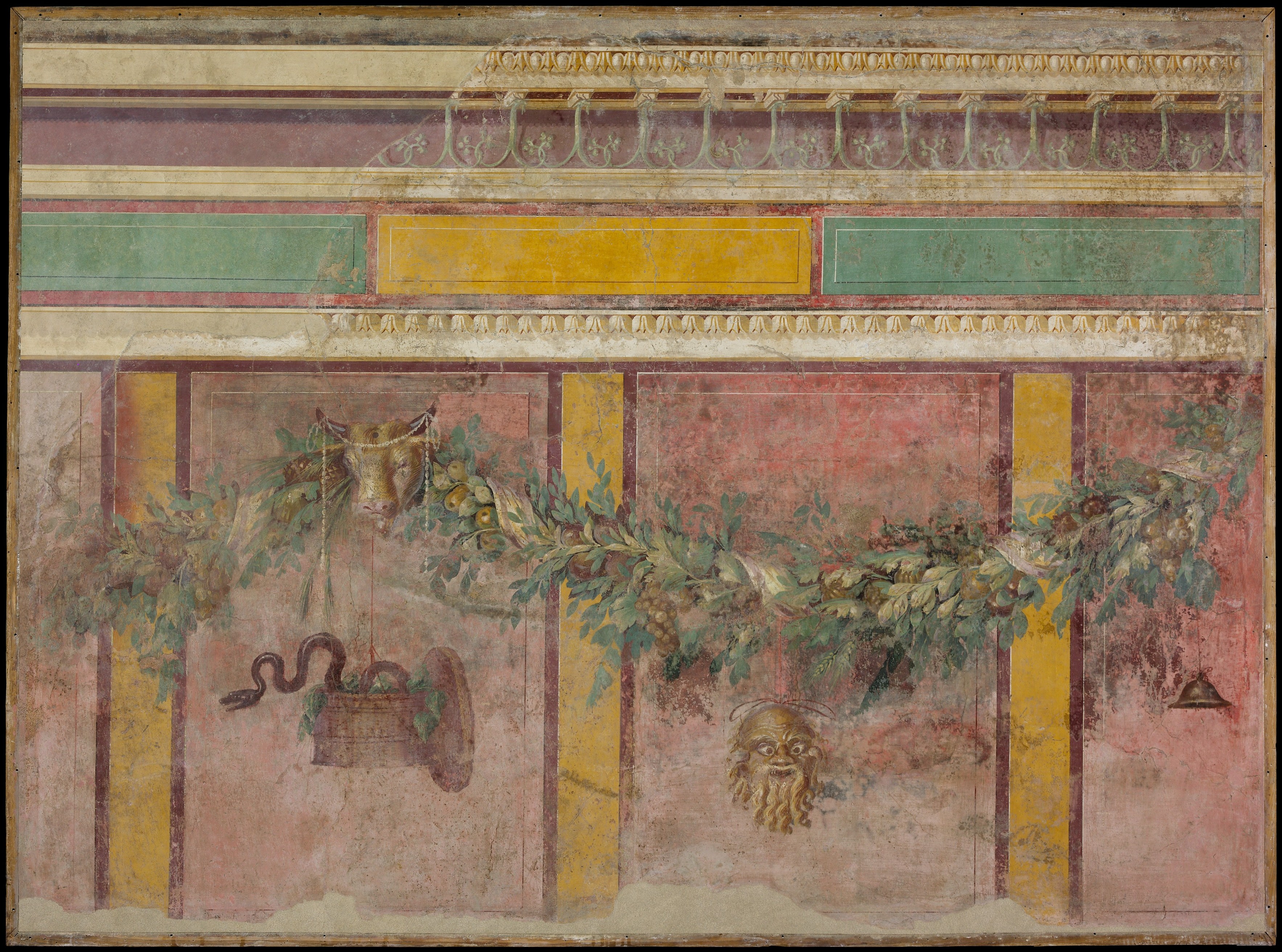 #97
#97Mural of the Boscoreale villa
Unidentified artist makes Mural of the Villa de Boscoreale a decisive work in the journey of the Metropolitan Museum of Art. This ancient mural shows how architecture, illusion and color already organized the experience of the gaze. The subject remains recognizable, but the strength of the work lies in the agreement between scale, material, rhythm and color. Each detail contributes to an overall structure which leads the gaze without closing the meaning. The museum notice dates the work ca. 50 -40 BCE and specifies the technique: fresco. Its place in this classification is due both to its importance in the history of art and to the exceptional quality of its presence within the Met collections. The museum notice dates the work ca. 50 -40 BCE and specifies the technique: fresco. Its place in this classification is due both to its importance in the history of art and to the exceptional quality of its presence within the Met collections. The museum notice dates the work ca. 50 -40 BCE and specifies the technique: fresco. Its place in this classification is due both to its importance in the history of art and to the exceptional quality of its presence within the Met collections. The author or his date of death does not allow the application of the creation rule, this entry remains documentary: the image and the button directly open the Met notice.
Image: The Metropolitan Museum of Art · Open Access, institutional notice.
See the Met instructions → #98
#98Landscape on black background of the Boscotrecase villa
Unidentified artist makes Landscape on a Black Background of the Villa de Boscotrecase a decisive work in the journey of the Metropolitan Museum of Art. This ancient mural shows how architecture, illusion and color already organized the experience of the gaze. The space is structured by plans, vanishing lines and color relationships. The landscape does not only serve as a setting: it becomes a way of organizing light, time and the memory of a place. The museum notice dates the work last decade of the 1st century BCE and specifies the technique: fresco. The work counts as a benchmark because it summarizes a tradition while moving it by a decision of composition, light or material. The museum notice dates the work last decade of the 1st century BCE and specifies the technique: fresco. The work counts as a landmark because it summarizes a tradition while moving it by a decision of composition, light or material. The museum notice dates the work last decade of the 1st century BCE and specifies the technique: fresco. The work counts as a landmark because it summarizes a tradition while moving it by a decision of composition, light or material. The author's notice or his date of death does not allow the creation rule to be applied, this entry remains documentary: the image and the button directly open the Met notice.
Image: The Metropolitan Museum of Art · Open Access, institutional notice.
See the Met instructions →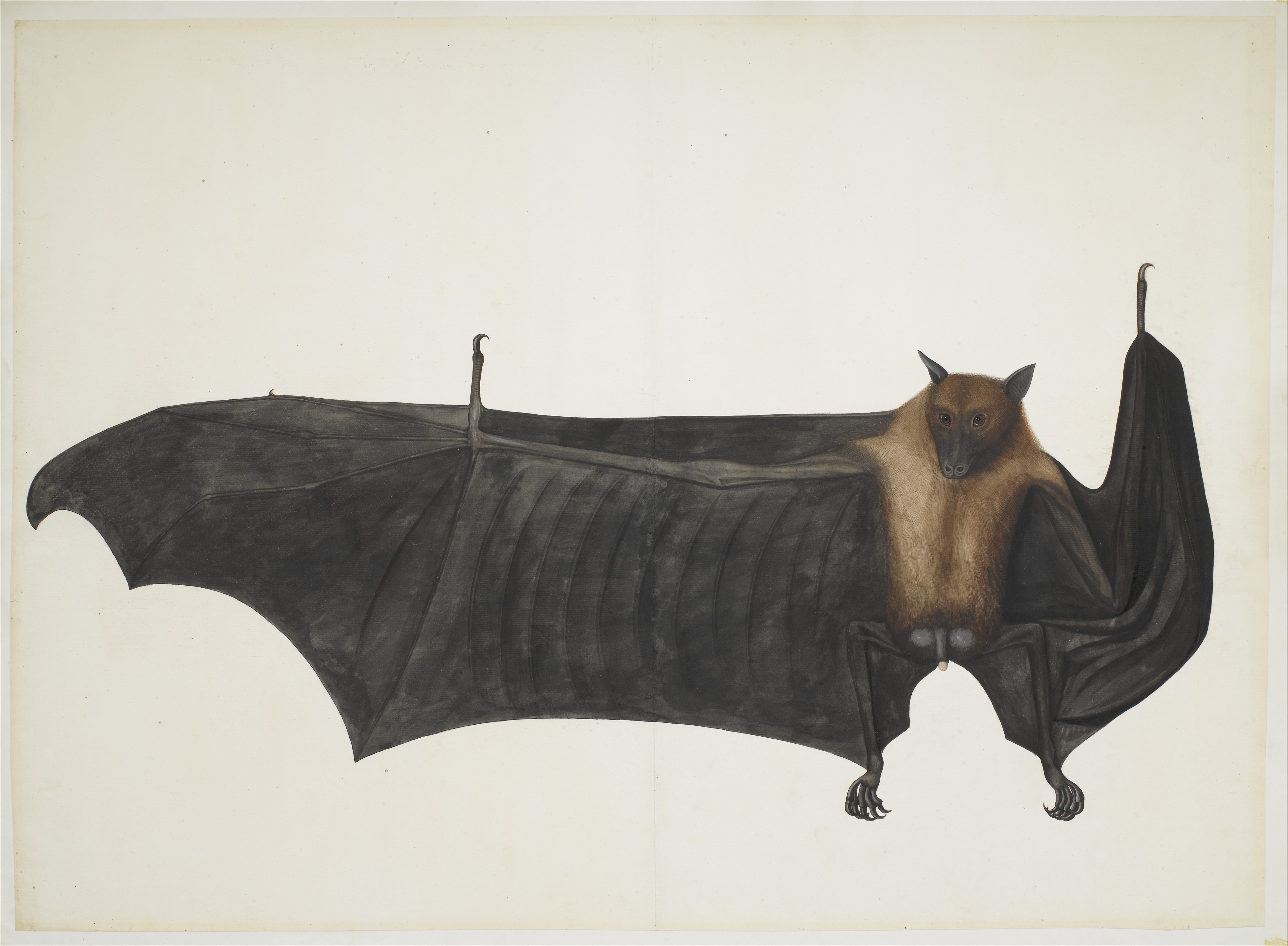 #99
#99Large Indian flying fox
Bhawani Das makes Great Indian Frog a decisive work in the journey of the Metropolitan Museum of Art. The Met places this painting in a history of forms, collections and views that spans several centuries. The subject remains recognizable, but the strength of the work lies in the agreement between scale, material, rhythm and color. Each detail participates in an overall structure which leads the eye without closing the meaning. The museum notice dates the work ca. 1777-82 and specifies the technique: pencil, ink, and opaque watercolor on paper. This rank measures less an abstract celebrity than the ability of the painting to illuminate the works that surround it and the history of the collection. The author's notice or his date of death does not allow the application of the creation rule, this entry remains documentary: the author or his date of death does not allow the application of the creation rule, this entry remains documentary: the image and the button directly open the Met notice.
Image: The Metropolitan Museum of Art · Open Access, institutional notice.
See the Met instructions → #100
#100A goldsmith in his workshop
Petrus Christus makes A Goldsmith in His Studio a decisive work in the journey of the Metropolitan Museum of Art. The Robert Lehman collection highlights the quality of the material, the underlying drawing and the pictorial construction. The subject remains recognizable, but the strength of the work lies in the agreement between scale, material, rhythm and color. Each detail contributes to an overall structure which leads the eye without closing the meaning. The museum notice dates the work to 1449 and specifies the technique: oil on oak panel. The painting remains memorable because it unites a very constructed formal invention with an immediate experience of the subject. The museum notice dates the work to 1449 and specifies the technique: oil on oak panel. The painting remains memorable because it unites a very constructed formal invention with an immediate experience of the subject. The museum notice dates the work to 1449 and specifies the technique: oil on oak panel. The painting remains memorable because it unites a very constructed formal invention with an immediate experience of the subject. The image and button lead to the corresponding Alpha Reproduction sheet; the institutional provenance of the model remains indicated and the original Met notice is preserved in the file documentation.
Image: Alpha Reproduction · Model documented by the Metropolitan Museum of Art.
See this reproduction →Editorial method
Three ranking criteria
The top 100 transforms museum data into a reading journey, without presenting itself as an official Met list.
Importance
The role of the work in the history of art and in the identity of the collection.
Documentation
An official notice, a pictorial classification and a verified Open Access image.
Balance
Different schools, media and departments to make the scale of the museum visible.
A collection story
From isolated masterpiece to encyclopedic museum
European paintings have long structured the public image of the Met. Bruegel, Rembrandt, Vermeer, Velazquez and Van Gogh still form major entry points.
The American Wing gives landscape and history painting a decisive place: Cole, Church, Homer, Eakins and Leutze tell as much of a nation as a story of the gaze.
Asian scrolls and ancient frescoes finally shift the very definition of the painting. Support, format and reading mode become an integral part of the work.
Institutional sources
Continue the visit
Ranking, attribution, technique and image data come from official resources at the Metropolitan Museum of Art.
Frequently asked questions
The Metropolitan Museum of Art top 100
Method, images, titles and links: useful benchmarks for reading the ranking.
How was this top 100 established?
The ranking starts from works reported as Highlights in official Met data, then favors historical importance, the quality of the notice, the presence of an Open Access image and the diversity of departments. The order is editorial, not chronological.
Are all entrances paintings?
Yes. The hundred objects were checked in the Met catalog. Drawings, prints, photographs, sculptures and decorative objects were excluded. The selected scrolls, panels and frescoes are classified as paintings by the museum.
Why are the titles in French?
The titles have been translated or Frenchified for the site's readership. The original title remains visible in the official Met notice opened from the institutional source.
Why do some images open an Alpha sheet?
For artists whose death predates 1956, the store uses its own image and reproduction link. The source of the original painting remains the Metropolitan Museum of Art.
Why do five works refer directly to the museum?
Their author is unidentified or his date of death cannot be verified in the notice. They are not offered for reproduction in this course and remain strictly documentary.
Are Met images reusable?
The five institutional images selected come from the Met's Open Access notices. You must nevertheless consult the file for each work and the conditions of the museum before any reuse.
Has the Metropolitan Museum of Art validated this classification?
No. This is an independent editorial selection based on public museum data; it does not imply any endorsement or partnership by the Met.
Where can I find complete information?
Each sheet cites the Metropolitan Museum of Art. The institutional links and provenance links present in the Alpha sheets allow you to consult the date, technique, dimensions and history of the collection.
0 comments