

Top 30 — Cubism
Famous Cubist Painters
Picasso, Braque, Léger, Gris and 26 other masters of geometry
In 1907, Picasso painted Les Demoiselles d'Avignon. Five nude women, African masks, angular bodies that no longer have anything to do with Western perspective. The following year, Braque executed the same ochre-brown palette by fragmenting a house. The word cubism would come later, mockingly, from a critic. But in a single season, two painters had shattered five centuries of perspective.

From Cézanne to Tatlin, from Paris to Moscow
Context
What makes these painters essential?
Cubism is the greatest rupture in Western art since the Renaissance. In just a few years, Picasso, Braque, Léger and their allies shattered linear perspective, redefined pictorial space, and paved the way for every twentieth-century avant-garde — from Russian Constructivism to American Abstract Expressionism.
The ranking below combines three criteria: formal innovation (fragmentation, transparent planes, simultaneity), current museum circulation (Musée Picasso, Centre Pompidou, MoMA, the Hermitage), and critical posterity. Each entry offers a portrait, a landmark work, and a direct link to the corresponding collection of reproductions in our shop.
This page is meant as a guide, not a hit parade. The painters are grouped by formal families — founding Cubism, the Section d'Or, Orphism, Purism, Cubo-Futurism, and Russian Constructivism. The numbers are indicative — a rank of 18 is not "less good" than a rank of 3; it is simply later or more peripheral.
The Founding Core (1907-1914)
The Five Fathers of Cubism
Five painters defined the cubist language between 1907 and 1914: Picasso, Braque, Gris, Léger, and Cézanne (an immediate precursor). They invented the fragmentation of space, the simultaneity of viewpoints, and the use of transparent planes. These formal explorations inspired the entire twentieth-century avant-garde.


#1Pablo Picasso


#2Georges Braque


#3Paul Cézanne

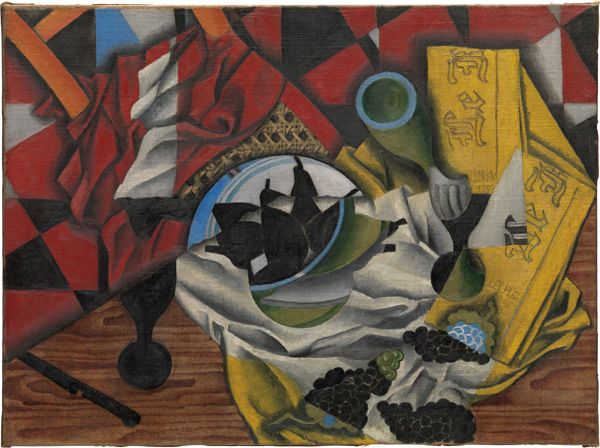
#4Juan Gris


#5Fernand Léger
The Section d'Or and French Cubism (1910-1920)
Cubism as a group
Around the founding core gravitated Gleizes, Metzinger, Le Fauconnier, La Fresnaye, Lhote, Duchamp, and Villon. In 1912 they organized the Living room de la Section d'Or, the first major group exhibition of the movement. Their Cubism is often more colorful, more decorative than that of Picasso and Braque.


#8Jacques Villon


#9Raymond Duchamp-Villon


#10Marcel Duchamp


#11Albert Gleizes
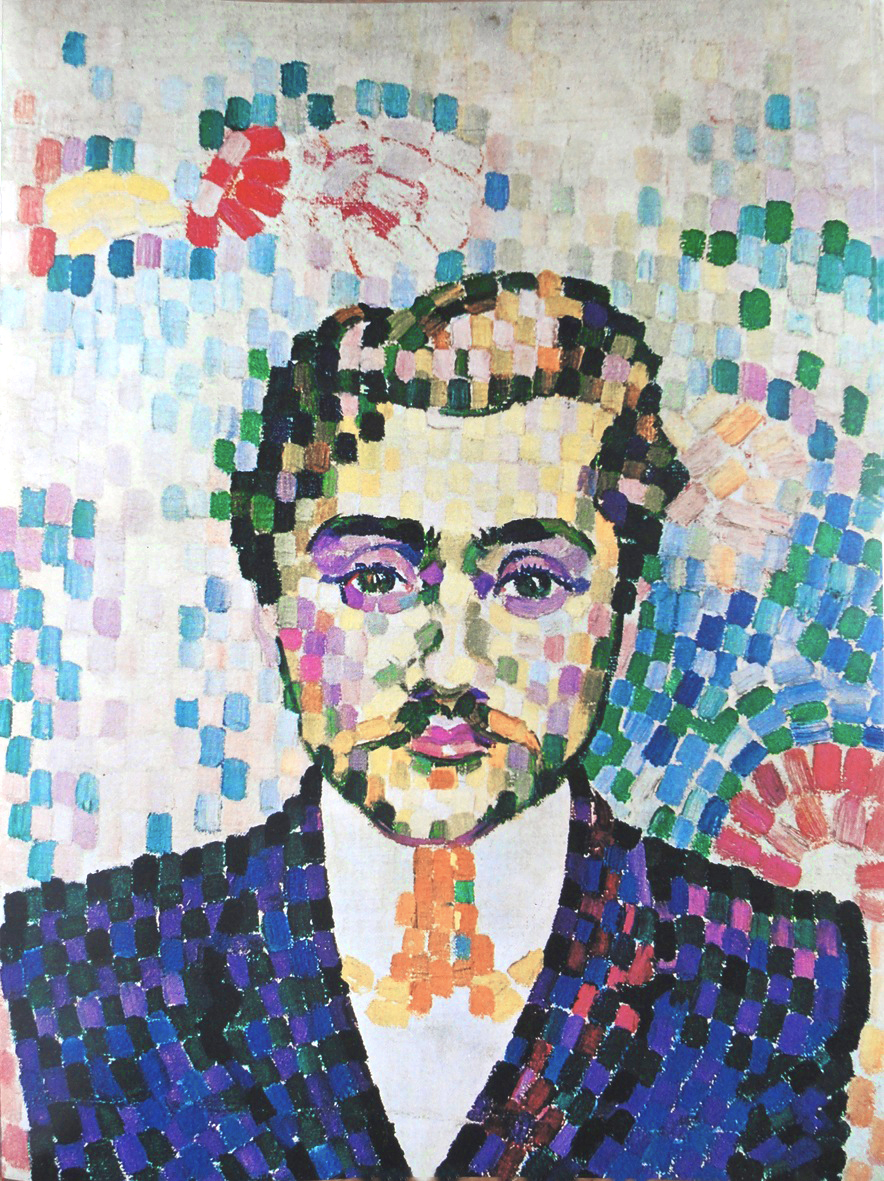

#12Jean Metzinger


#13Henri Le Fauconnier


#14Roger de La Fresnaye


#15André Lhote
Orphism and color (1912-1930)
The color cubists
Robert Delaunay and Sonia Delaunay developed, from 1912 onward, a cubism made of colored disks and simultaneous contrasts, which they named "orphism." Kupka, Herbin, and a few others extended this research toward geometric abstraction. Cubism here moves beyond monochrome to explore light and color.


#6Robert Delaunay


#7Sonia Delaunay


#16Auguste Herbin


#19André Mare
Purism and Architecture (1918-1930)
Applied Cubism
In 1918, Ozenfant and Le Corbusier propose Purism, a streamlined, polished offshoot of Cubism applied to still lifes and architecture. Herbin, Jeanneret, and a few lesser figures extend these explorations until the eve of the Second World War. The spirit of the Bauhaus is never far away.
.jpg/1280px-Am%C3%A9d%C3%A9e_Ozenfant_%E2%80%94_Graphics_on_a_Black_Background_(1928).jpg)
#17Amédée Ozenfant
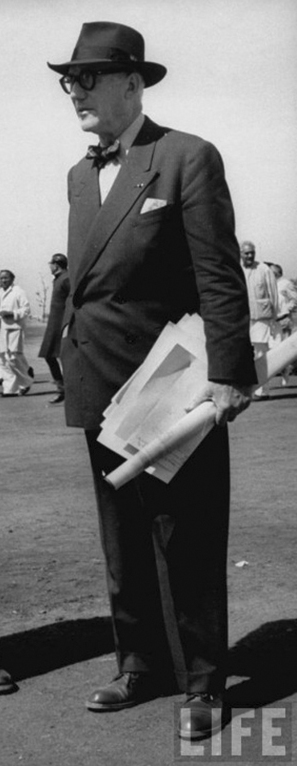

#18Le Corbusier
Russian Cubo-Futurism (1912-1930)
Cubism in the East
In Moscow and Saint Petersburg, a generation of artists (Malevich, Tatlin, Popova, Rozanova, Udaltsova, Puni, Lissitzky) reinvent Cubism by crossing it with Italian Futurism and Russian iconographic traditions. The result is of an unprecedented formal violence — and gives birth to Suprematism and Constructivism.
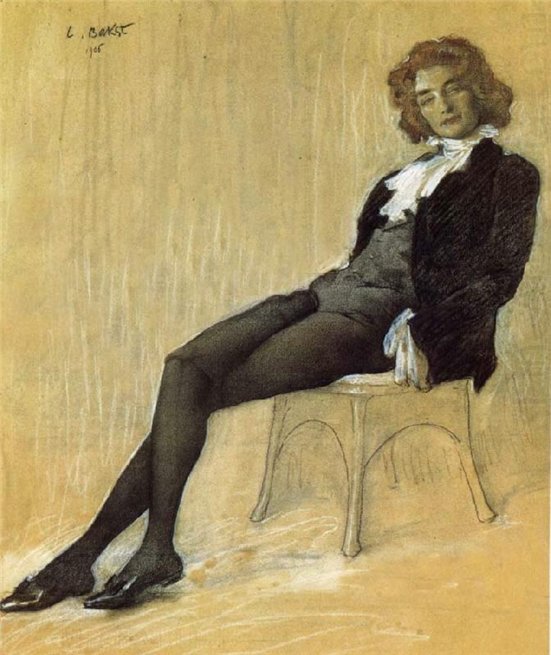

#20Léon Bakst


#21Ivan Puni


#22Lyubov Popova


#23Nadezhda Udaltsova


#24Olga Rozanova


#25Kazimir Malevich


#26Vladimir Tatlin


#27El Lissitzky
The Cubist Sculptors (1909-1970)
Cubism in volume
Lipchitz, Archipenko, Duchamp-Villon, and Laurens extended Cubist research into the third dimension. They engaged in dialogue with Picasso (who also sculpted), with Brancusi, and with the architects of the Bauhaus. Their major works can today be found in the collections of MoMA, the Centre Pompidou, and the Musée d'Art Moderne de la Ville de Paris.


#28Alexander Archipenko


#29Jacques Lipchitz


#30Henri Laurens
To continue the visit
Sources, collections and paths truly related to the subject
A few useful references to verify the information, compare free images, and extend the reading without ending up in a museum that didn't ask for anything.
Painters to (re)discover in this cubists top
Useful blog hubs
Useful sources on this topic
Bring a bit of that geometry into your home
Cubism changed the way we see. A reproduction by Picasso, Braque, or Malevich, placed in the right spot, is enough to bring that revolution into your home: the fragmentation of a portrait, the simultaneity of a city, the boldness of a still life. All the works in this Top 30 are available as canvas reproductions in our collection — with particular care given to the fidelity of the original colors and formats.
0 comments