

Top 50 · Austrian painting
From Klimt to Schiele, Viennese modernity in fifty artists
Biedermeier, Secession, expressionism, fantastic realism and contemporary creation: two centuries of images between Vienna, Salzburg and Tyrol.
Austrian painting developed at the crossroads of the Habsburg Empire, the cultures of Central Europe and a capital that had become a laboratory of modernity. Vienna concentrates academies, courses, fairs, exhibitions and ruptures; Tyrol, Salzburg and Upper Austria bring other landscapes and other traditions. This classification measures the historical influence, plastic invention, quality of works, institutional role and international posterity of each artist.

Ornament, psychology, landscape, gesture and experimentation.
An imperial territory
Vienna, artistic capital of the Habsburgs
At the beginning of the 19th century, the Biedermeier favored portraits, interiors and family scenes, while watercolor documented a city in transformation. After 1857, Ringstrasse offered painters vast decorations and a new clientele. Hans Makart embodies its splendor, before Klimt and his contemporaries challenged academic frameworks.
The breakup of 1897
Secession, applied arts and expressionism
The Viennese Secession defends an open exhibition of international arts and brings together painting, architecture, posters and design. Klimt, Moser and Moll are looking for total art. Schiele, Kokoschka, Gerstl and Neukunstgruppe soon shift the issue towards the body, color and a psychology without protective decor.
After 1945
From fantastic realism to contemporary painting
The Viennese workshops see meticulous visions emerge, then actionism takes color out of the picture towards ritual and performance. Maria Lassnig reinvents the felt body; Kiki Kogelnik dialogues with pop art; Jungwirth, Hausner, Helnwein and Zobernig finally show that figuration and abstraction continue to be renewed without forming a single school.
The essential figures
Top 10 - From Klimt to Tina Blau
Secession and expressionism dominate this first ensemble, without erasing the Biedermeier, the splendor of Ringstrasse or the decisive contribution of the landscapers.
#1
Gustav Klimt
Klimt unites gold, ornament and sensual line in portraits and allegories that make the Viennese Secession an instantly recognizable language.
See the Gustav Klimt collection #2
#2
Egon Schiele
Its angular bodies, its uncompromising self-portraits and its narrow cities transform the drawing into a seismograph of modern vulnerability.
See the Egon Schiele collection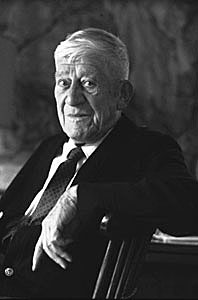 #3
#3
Oskar Kokoschka
Kokoschka paints the portrait as an electric encounter: quick touches, discordant colors and tense glances reveal status less than inner instability.
Read the Wikipedia entry for Oskar Kokoschka #4
#4
Friedensreich Hundertwasser
Spirals, saturated colors and refusal of the straight line connect Hundertwasser's painting, architecture and ecology in a popular vision of living habitat.
Read the Wikipedia entry by Friedensreich Hundertwasser #5
#5
Koloman Moser
Painter, graphic designer and designer, Moser constructs images in flat areas and geometries, abolishing the border between fine arts, posters and everyday objects.
See the Koloman Moser collection #6
#6
Ferdinand Georg Waldmüller
Waldmüller gives the Biedermeier a light of almost tactile precision, which he applies to portraits, family scenes and landscapes painted on the motif.
See the Ferdinand Georg Waldmüller collection #7
#7
Hans Makart
Its processions, allegories and sumptuous decorations reflect the spectacular ambition of Imperial Vienna and impose a taste that will mark the entire era of Ringstrasse.
See the Hans Makart collection #8
#8
Richard Gerstl
Isolated from the Secession, Gerstl releases the paste and distorts the figure with an urgency that anticipates expressionism without losing the acuity of the portrait.
See the Richard Gerstl collection #9
#9
Carl Moll
Moll orchestrates gardens, interiors and views of Vienna through large colored surfaces; his role as organizer counts as much as his pictorial evolution.
See the Carl Moll collection #10
#10
Tina Blau
In her Praters, paths and undergrowth, Tina Blau circulates air and light with a moving touch that profoundly renews the Austrian landscape.
See the Tina Blau collectionFrom Vormärz to the Alps
Ranks 11 to 20 - Portrait, story and landscape
Romako announces modern tensions while Rudolf von Alt, Amerling and the masters of Biedermeier describe a changing society; Defregger and Egger-Lienz then shift the gaze towards Tyrol.
 #11
#11
Anton Romako
His portraits and historical scenes thwart academicism with nervous framing, unstable faces and psychological tension later admired by Schiele.
See the Anton Romako collection #12
#12
Emil Jakob Schindler
Schindler seeks less the panorama than the mood of a place: humidity, mist and changing sky found an Austrian school of atmospheric landscape.
See the Emil Jakob Schindler collection #13
#13
Rudolf von Alt
An exceptionally long-lived watercolorist, Rudolf von Alt captures palaces, streets and interiors with a sure perspective and always transparent light.
See the Rudolf von Alt collection #14
#14
Friedrich von Amerling
Amerling combines psychological presence and splendor of materials in portraits where Viennese society shows itself with measured elegance.
See the Friedrich von Amerling collection #15
#15
Moritz von Schwind
Tales, legends and music nourish a narrative romanticism with fluid drawing, capable of moving from monumental frescoes to the intimacy of Schubert's world.
See the Moritz von Schwind collection #16
#16
Josef Danhauser
Its cluttered salons tell the story of the bourgeoisie through gestures, objects and looks; discreet humor becomes a real instrument of social criticism.
See the Josef Danhauser collection #17
#17
Peter Fendi
Fendi observes families, children and small professions with direct empathy, driven by flexible drawing and a delicate mastery of watercolor.
See the Peter Fendi collection #18
#18
Leopold Kupelwieser
Close to Schubert and the Nazarenes, Kupelwieser combines clear devotion, friendly portraits and extensive decorative programs in Vormärz Vienna.
See the Leopold Kupelwieser collection #19
#19
Franz von Defregger
Defregger monumentalizes the stories, costumes and solidarity of Tyrol; its Alpine scenes have lastingly shaped the regional historical imagination.
See the Franz von Defregger collection #20
#20
Albin Egger-Lienz
It simplifies peasants and soldiers into almost sculpted masses, giving work, war and death an archaic gravity far removed from the picturesque.
See the Albin Egger-Lienz collectionModernity is diversifying
Ranks 21 to 30 - Secession, expressionism and fantasy worlds
Women painters, color renovators and visionaries show that Austrian modernity is never just one Viennese group.
 #21
#21
Max Kurzweil
Kurzweil brings together intimacy, symbolism and secessionist graphics; his silent portraits draw their strength from color as much as from reserve.
See the Max Kurzweil collection #22
#22
Broncia Koller-Pinell
His portraits, interiors and landscapes construct color with confidence, revealing a modern trajectory long eclipsed by his male colleagues.
See the Broncia Koller-Pinell collection #23
#23
Olga Wisinger-Florian
Undergrowth, fields and gardens are charged at Wisinger-Florian with a chromatic energy which pushes the atmospheric landscape towards a more frank touch.
See the Olga Wisinger-Florian collection #24
#24
Marie Egner
Egner favors modest banks, orchards and bouquets; its clear palette and sense of season place the Austrian outdoors in modernity.
See the Marie Egner collection #25
#25
Anton Faistauer
Faistauer densifies portraits, still lifes and frescoes with a structured color, attentive to Cézanne but deeply anchored in the young Viennese scene.
See the Anton Faistauer collection #26
#26
Herbert Boeckl
Boeckl makes colored material the driving force of the painting, whether he approaches the nude, the landscape or the religious fresco, with compact and carnal power.
Read the Wikipedia entry by Herbert Boeckl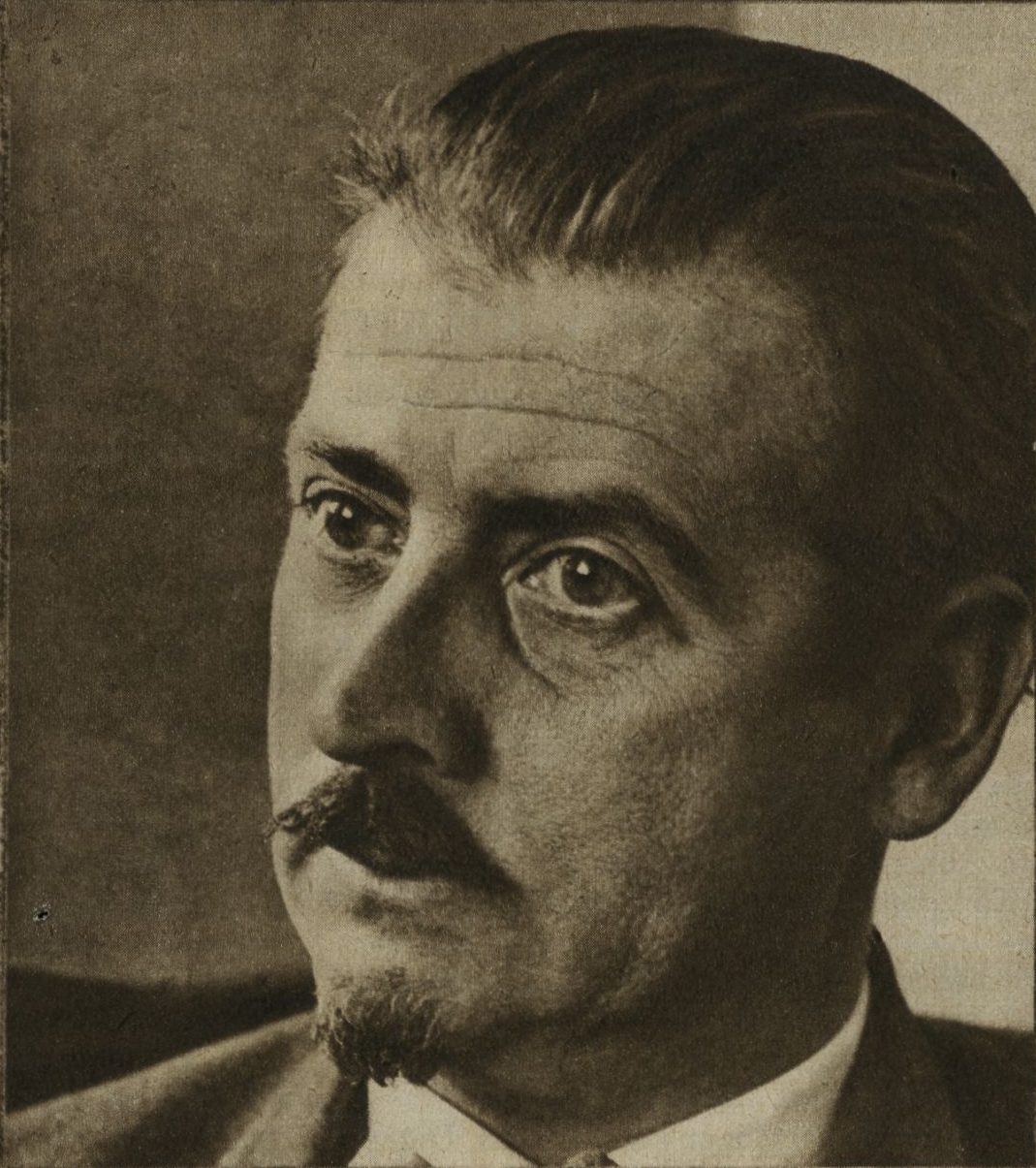 #27
#27
Albert Paris Gütersloh
Writer, teacher and painter, Gütersloh links pre-war expressionism to fantastic realism, with several future masters frequenting his studio.
Read the Wikipedia entry by Albert Paris Gütersloh #28
#28
Max Oppenheimer
Under the monogram MOPP, Oppenheimer fragments faces, hands and musical ensembles to make visible the nervous rhythm of modern life.
See the Max Oppenheimer collection #29
#29
Franz Sedlacek
Its coldly precise landscapes welcome inexplicable creatures, machines and phenomena, transforming the New Objectivity into metaphysical theater.
See the Franz Sedlacek collection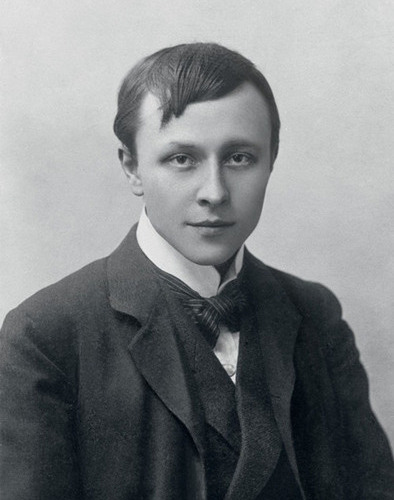 #30
#30
Alfred Kubin
A visionary designer as much as a painter, Kubin populates ink and watercolor with dark dreams whose strangeness will lastingly influence the Austrian imagination.
Read the Wikipedia entry by Alfred KubinExiles and post-war
Ranks 31 to 40 - From surrealism to actionism
Paris, Mexico, New York and Vienna form a network of exiles and returns. After 1945, the body, ritual, fantasy and pop culture became new painting grounds.
 #31
#31
Helene Funke
Formed in contact with Paris, Funke superimposes intense colors and absorbed silhouettes to build a feminine modernity independent of official groups.
Read Helene Funke's Wikipedia entry #32
#32
Elena Luksch-Makowsky
His portraits and symbolist scenes combine Russian training and secessionist culture; she is one of the rare women admitted to major Viennese exhibitions.
Read the Wikipedia entry by Elena Luksch-Makowsky #33
#33
Wolfgang Paalen
Paalen invents smoking to bring out automatic forms and transforms his Mexican exile into a laboratory linking surrealism, anthropology and abstraction.
Read Wolfgang Paalen's Wikipedia entry #34
#34
Maria Lassnig
Lassnig does not paint the body seen but the body felt: zones of pressure, absence of limbs and acidic colors become a map of consciousness.
Read Maria Lassnig's Wikipedia entry #35
#35
Arnulf Rainer
Rainer covers photographs and drawings with streaks, crosses and dense gestures, making erasure a pictorial action as physical as it is meditative.
Read the Wikipedia entry for Arnulf Rainer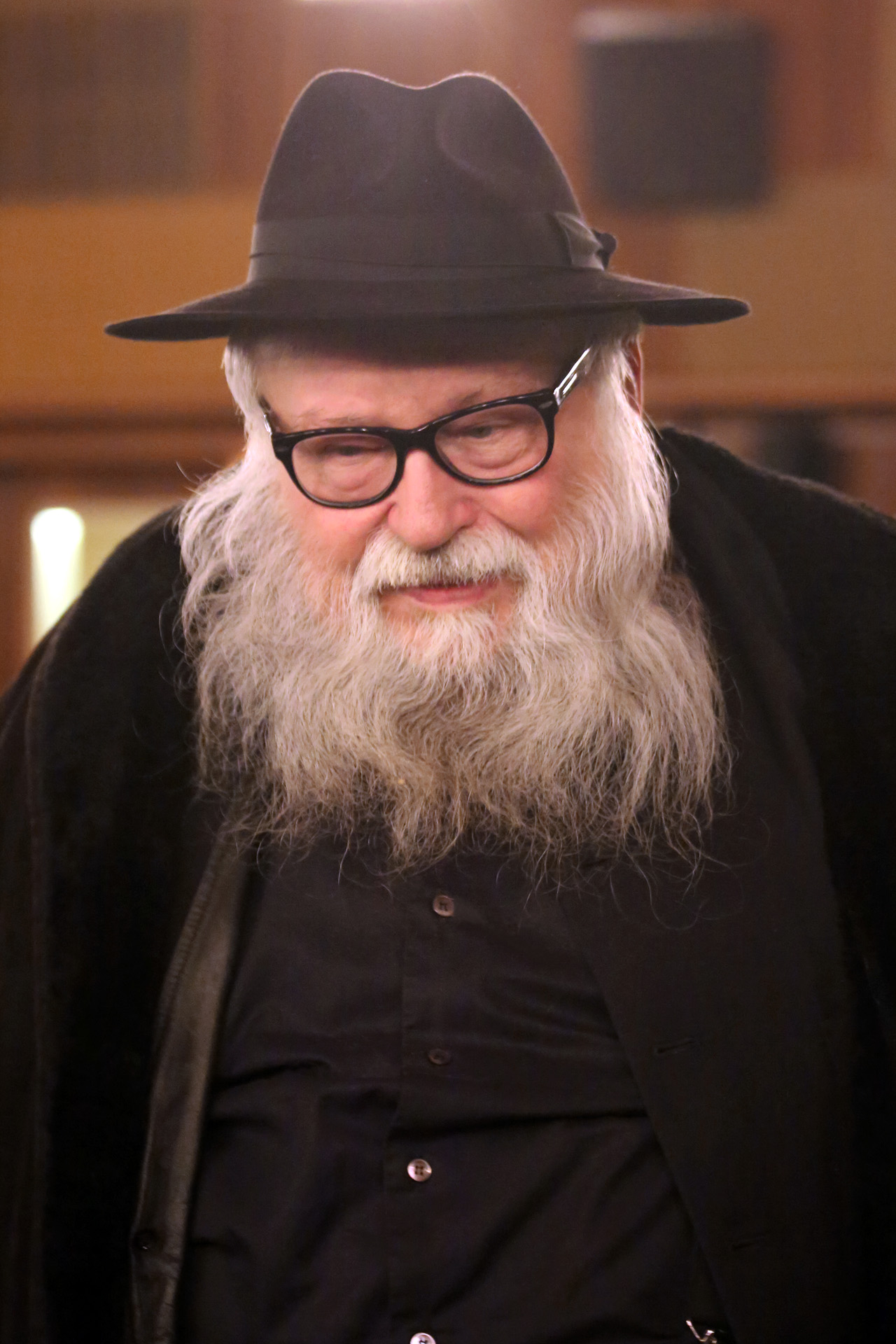 #36
#36
Hermann Nitsch
His color flows, action canvases and rituals from the Theater of Orgies and Mysteries move the painting towards a total sensory experience.
Read the Wikipedia entry by Hermann Nitsch #37
#37
Alfred hrdlicka
Painter, engraver and sculptor, Hrdlicka maintains a combative figuration where history, political violence and the body refuse any idealization.
Read the Wikipedia entry by Alfred Hrdlicka #38
#38
Kiki Kogelnik
Cut-out silhouettes, technological bodies and bold colors give Kogelnik a unique pop voice, critical of the roles assigned to women.
Read the Wikipedia entry by Kiki Kogelnik #39
#39
Ernst Fuchs
Fuchs reactivates ancient glazes, myths and biblical visions in a meticulous painting that becomes one of the pillars of the Viennese school of fantastic realism.
Read the Wikipedia entry by Ernst Fuchs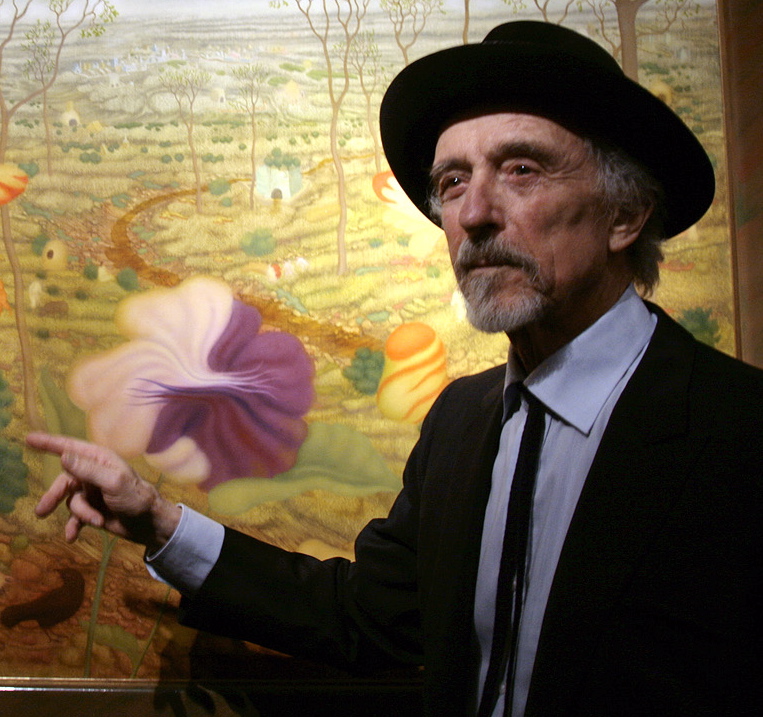 #40
#40
Arik Brauer
Brauer combines tale, Jewish memory, ecology and miniaturist details in abundant images whose color retains popular readability.
Read the Wikipedia entry by Arik BrauerThe paint remains open
Ranks 41 to 50 - Contemporary figurations and abstractions
Fantastic realism, abstraction of nature, gestural painting and conceptual practices prove the lasting vitality of an Austrian scene attentive to both the body and the device of the image.
 #41
#41
Rudolf Hausner
His double Adam crosses mental spaces constructed with icy precision, making the self-portrait a repeated investigation into identity and perception.
Read the Wikipedia entry by Rudolf Hausner #42
#42
Wolfgang Hutter
Imaginary gardens, precious figures and chiseled vegetation give Hutter a marvelous decorative where visual seduction often masks worry.
Read Wolfgang Hutter's Wikipedia entry #43
#43
Max Weiler
Weiler translates mountain, growth and light into floating signs, developing an abstraction that remains attentive to the forces rather than the contours of nature.
Read Max Weiler's Wikipedia entry #44
#44
Margret Bilger
Bilger transposes his expressive line from engraving to painted glass; his figures and landscapes gain a vibrant architectural light in the stained glass window.
Read Margret Bilger's Wikipedia entry #45
#45
Martha Jungwirth
On brown paper or canvas, Jungwirth lets gestures, spots and reserves record a bodily perception, between memory of a pattern and autonomy of color.
Read the Wikipedia entry by Martha Jungwirth #46
#46
Xenia Hausner
Hausner features female characters in saturated and ambiguous spaces; each painting functions as the end of a story whose conflict remains open.
Read the Wikipedia entry for Xenia Hausner #47
#47
Gottfried Helnwein
Wounded children, monumental faces and quotes from popular culture serve Helnwein to confront innocence, historical violence and the power of images.
Read the Wikipedia entry by Gottfried Helnwein #48
#48
Heimo Zobernig
Zobernig examines grids, monochromes and exhibition devices with an ironic economy that reveals the hidden conventions of modern art.
Read the Wikipedia entry by Heimo Zobernig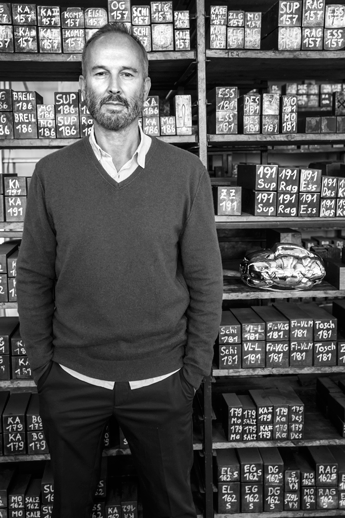 #49
#49
Erwin Wurm
Known for expanding sculpture, Wurm retains painterly thinking in his colors, volumes and surfaces; humor destabilizes the norms of the body and status.
Read Erwin Wurm's Wikipedia entry #50
#50
Hubert Schmalix
Schmalix reaffirmed direct and colorful painting in the 1980s, then simplified figures, trees and architecture into calm, very clear flat areas.
Read the Wikipedia entry by Hubert SchmalixSources and extensions
Compare works in public collections
The dates, movements and landmarks were cross-checked with the catalogs of major Austrian institutions. The Belvedere illuminates Klimt, the Biedermeier and Viennese modernity; the Leopold Museum offers a major ensemble of Schiele; the Albertina, the MAK and the mumok allow us to broaden the study of drawing, applied arts and the post-war period.
Explore Alpha Reproduction
Austrian painting transforms ornament into an inner experience
In Klimt, the golden surface both protects and reveals. In Schiele and Kokoschka, this protection cracks: the body and the portrait become unstable. From Waldmüller to Lassnig, from Tina Blau to Jungwirth, the same story can be read as a constant movement between observation of the world, decorative construction and lived intensity.
To continue the discovery, compare generations: the clarity of the Biedermeier, the total project of the Secession, the expressionist urgency, the fantastic visions of the post-war period and contemporary figurations. The classification is designed as a gateway, not as a border: each notice invites us to look at how a work responds to those which precede it.
0 comments