

Death of Van Gogh • Art & Decoration Guide
Death of Van Gogh: Last Days in Auvers, Without Unnecessary Drama
A documented dive into the painter's final seventy days, between established facts, historical nuances, and insights into the work to choose a reproduction with full knowledge.
Mentioning the death of Van Gogh often conjures an imaginary romantic tragedy where every brushstroke of the final weeks is a feverish testament. Yet the reality of the facts, as it emerges from the correspondence with his brother Theo and the testimonies of the time, offers a much more nuanced and human story. Vincent arrives in Auvers-sur-Oise on May 20, 1890, not to play the role of the cursed genius, but to get closer to Paris and follow the advice of Dr. Paul Gachet. During these two months, he produces nearly eighty canvases with an energy that belies any passive resignation. Understanding this period requires setting aside the dark legends to observe the incredible vitality of an artist who works until exhaustion, transforming the ordinary landscape into a symphony of vibrant colors.
 Free image
Dr. Gachet seems to carry the fatigue of an entire century on his elbow: with Van Gogh, even a portrait needs a solid chair.
Reading method
Reading history without melodrama glasses
To fully appreciate this final period and wisely choose a reproduction, one must distinguish myth from pictorial matter. The approach is to observe concrete details: the topography of Auvers, the complex relationship with Gachet, and the nervous facture of the paintings, rather than projecting an announced end onto every troubled sky.
Context before prestige
We place Death of Van Gogh in its era, its studios, its exhibitions, and its small revolts. A work without context is sometimes just a very beautiful person who forgot their history.
The signs that betray the style
We identify Auvers-sur-Oise, Dr. Gachet, Auberge Ravoux. These clues often say more than grand speeches, especially when they carry gold or nervous brushstrokes.
The work in a real room
We end with the useful question: does this image breathe in your home, or does it just pose like a poster that has read two books?
Historical context
Auvers-sur-Oise: Van Gogh arrives near Paris, not in the final act of a bad melodrama
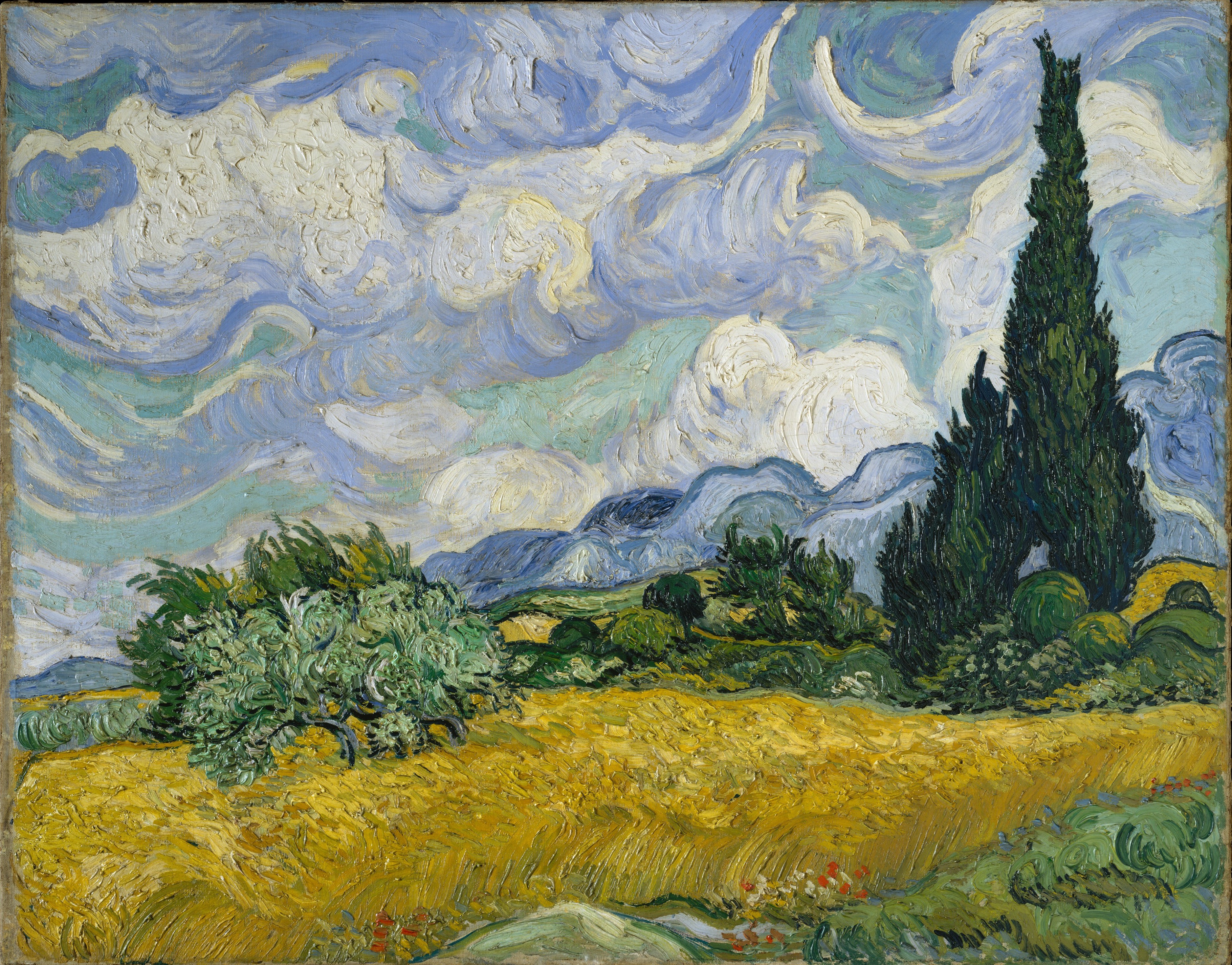
On May 20, 1890, Vincent arrived in this hilly village located about thirty kilometers northwest of Paris, leaving the asylum of Saint-Rémy-de-Provence. This move was not a desperate flight toward death, but a medical and family strategy orchestrated by Theo, who wanted to keep his brother under surveillance while bringing him closer to the capital. Dr. Paul Gachet, an art lover and homeopath, was supposed to watch over him, offering a less prison-like setting than the psychiatric hospital. From his arrival, Van Gogh did not lock himself in morbid contemplation; on the contrary, he immediately set to work, renting a room at the Ravoux's and exploring the surroundings with an intact curiosity for thatched cottages and flowering orchards.
Contrary to the cliché of a broken man waiting for the end, the letters sent to Theo during these first weeks overflow with projects and precise technical analyses. He describes his new canvases with enthusiasm, noting how the light of the Val-d'Oise differs from that of Provence, softer but just as intense. Vincent explores panoramic formats, those very elongated rectangles that allow him to capture the immensity of the wheat fields without losing the density of details in the foreground. This fierce productivity, sometimes with a finished canvas per day, testifies to a creative urgency much more than a desire to shorten his life. The artist is in a race against time, not because he feels his end is near, but because his vision of the world demands to be fixed on canvas before the season changes.
Artistic style
The Auberge Ravoux: a small room, many paintings, and zero need to add more
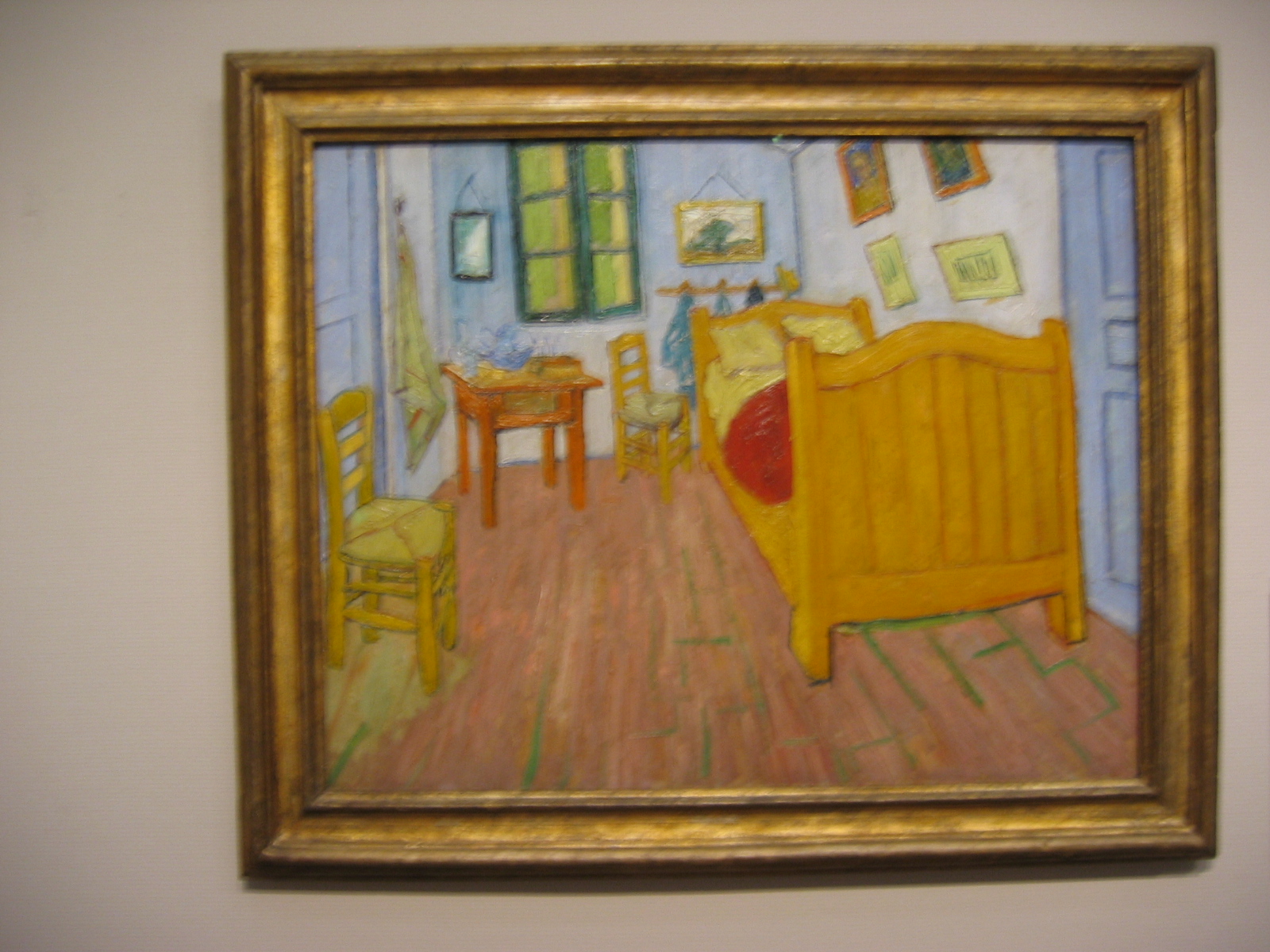
The Auberge Ravoux, located opposite the town hall of Auvers, became the headquarters of these final weeks, offering Vincent a six-square-meter attic room at a modest rent of three francs fifty per day. This cramped space, furnished with a bed, a table, and a few chairs, served both as a dormitory and a storage studio for the frames stacked against the walls. The Ravoux family, and especially the young Adeline, observed the painter with discreet kindness, seeing him return covered in dust or paint, often without having eaten since morning. This rustic simplicity contrasts sharply with the cliché of the artist living in a miserable attic; here, he is a boarder like any other, paying his bill and chatting with passing travelers.
It is from this room that he leaves each morning, his paint box in hand, to capture the soul of the village and its inhabitants. The inn itself would become a subject of study, although never painted from the inside in those final days, it remains the geographical anchor of all his activity. Testimonies report that he left his canvases to dry there, creating a joyful clutter in this small space where the smell of turpentine mingled with that of the evening meal. Choosing a reproduction representing this period also means accepting this domestic and everyday dimension: the work is not born in total isolation, but in the heart of a bourgeois and rural community life, punctuated by the comings and goings of the inn's customers and the agricultural seasons.
Art & Details
Dr. Gachet: doctor, collector, model, and a figure less simple than a diagnosis

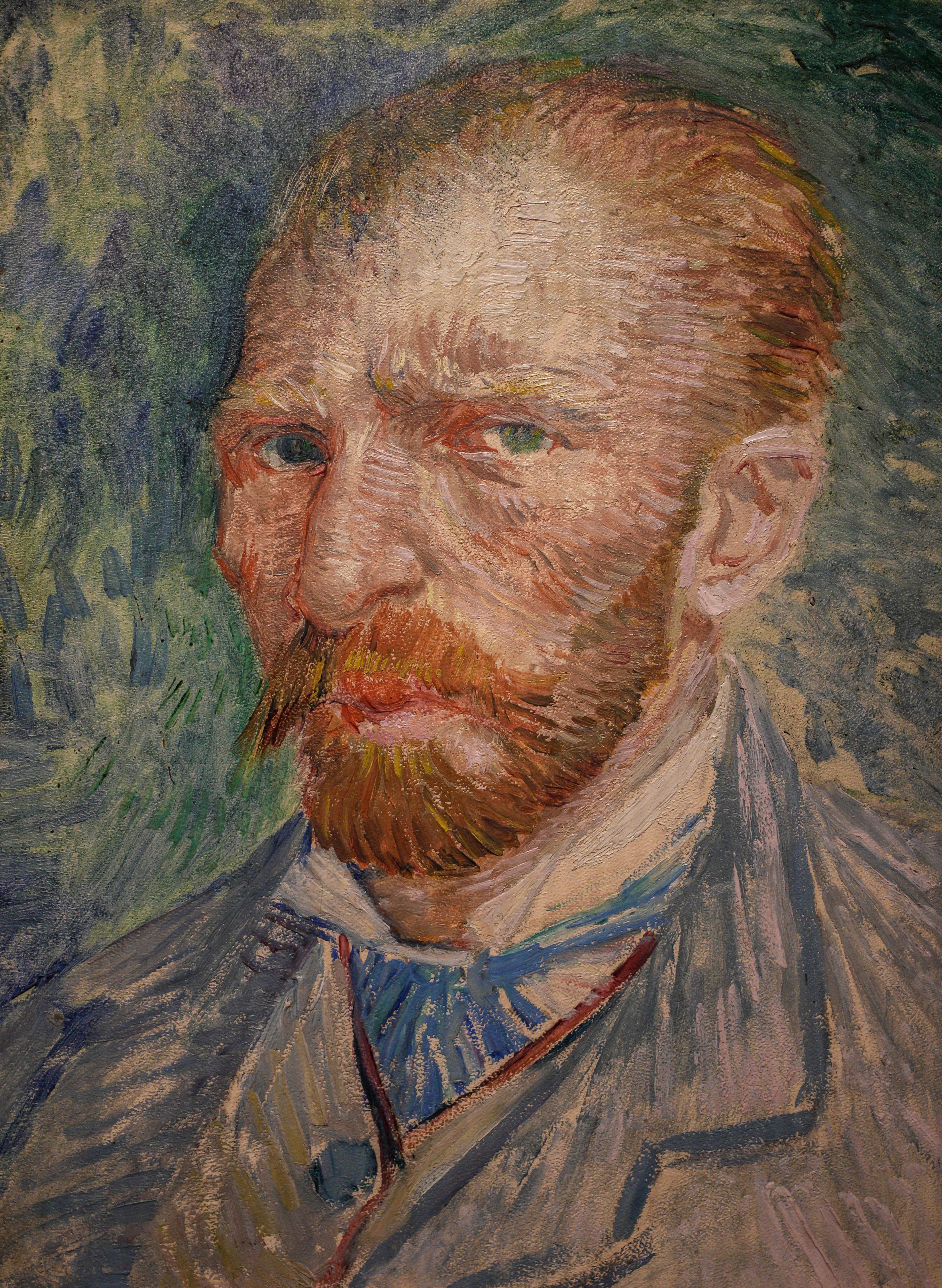
Dr. Paul Gachet, met upon arrival in Auvers, is a central but ambiguous figure of this period, far from the all-powerful savior or the incompetent executioner that posterity has sometimes described. Treating physician to many Impressionist artists such as Pissarro and Cézanne, he possessed a solid artistic culture and encouraged Vincent to engrave in etching, a technique in which the painter quickly excelled. Their relationship was one of mutual respect tinged with impatience; Vincent appreciated the doctor's sensitivity but sometimes deplored his own mental health, which seemed to elude homeopathic remedies and Gachet's paternal advice. The famous portrait of the doctor, with his head resting on his hand and his melancholic gaze, captures less a pathology than a shared humanity in the face of modern suffering.
Beyond the medical role, Gachet acted as a cultural catalyst, introducing Vincent into a network of collectors and organizing meetings that stimulated the painter's mind. However, this proximity also revealed the limits of the medicine of the time in the face of deep psychological disorders. Vincent wrote to Theo that Gachet was "sicker than I am," suggesting a troubling empathy between caregiver and patient. For today's art lover, understanding this dynamic illuminates the depth of the portraits made in Auvers: they are not simple commissions, but intense psychological explorations where the model and the artist seem to reflect their own anxieties and fragile hopes back at each other, frozen in touches of cobalt blue and emerald green.
Art & Details
The Church of Auvers: when the village itself begins to undulate
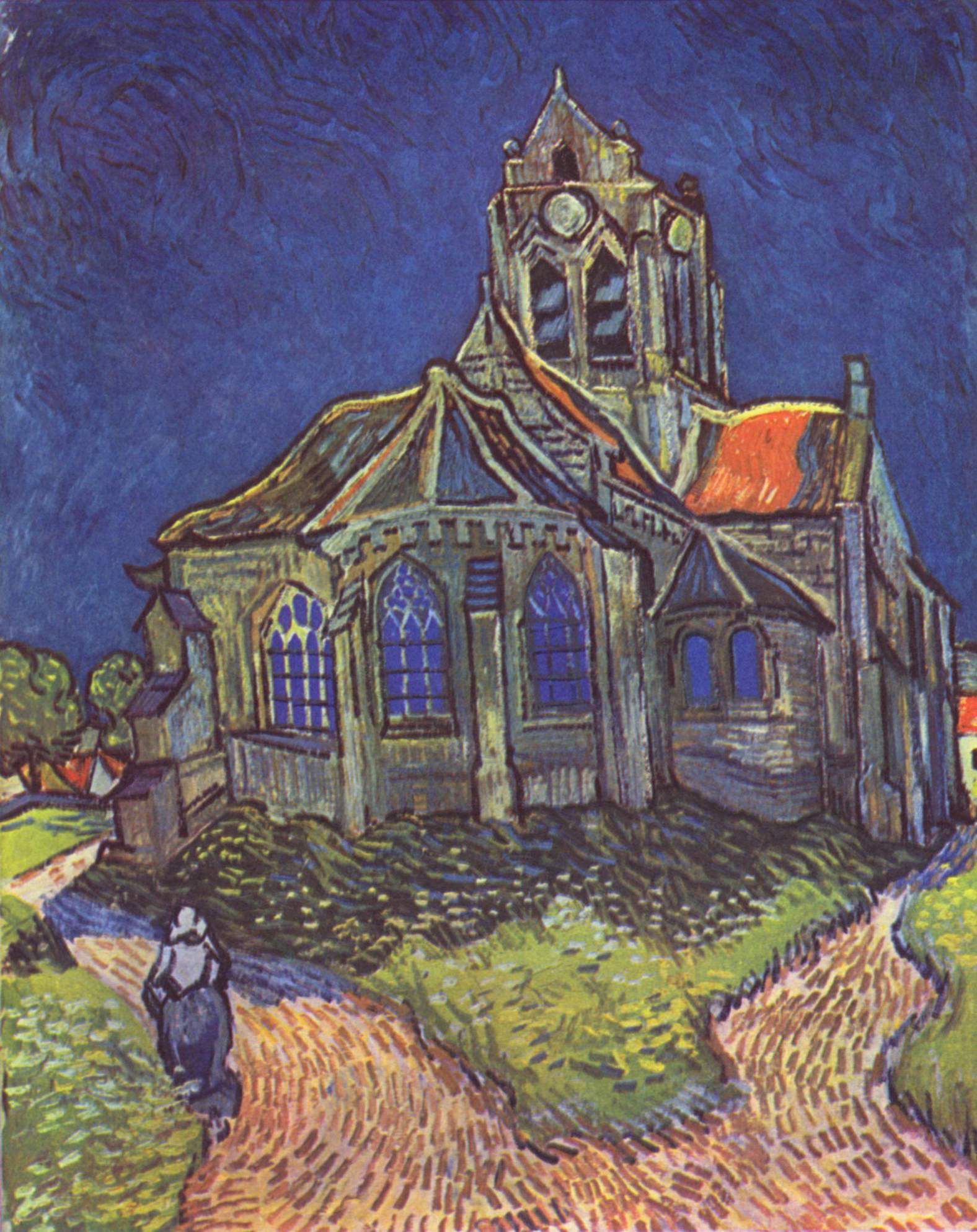
Among the masterpieces of this period, the Church of Auvers-sur-Oise stands out with an architecture that seems to defy gravity, vibrating under an electric blue light. Vincent does not seek to faithfully reproduce the Gothic building as an architect would draw it; he rather translates the visual sensation caused by the contrast between the dark stone and the azure sky. The vanishing lines of the path in the foreground draw the eye toward the gaping portal, while the stained glass windows and buttresses seem animated with a life of their own, undulating like solidified waves. This expressive distortion is not a sign of delirium, but a conscious mastery of perspective and color to intensify the monumental presence of the building within the rural landscape.
This painting perfectly illustrates how Van Gogh transforms the ordinary into the extraordinary during his final days. The church, a place of communal gathering, here becomes a symbol of permanence in the face of the encroaching nature represented by the wild grasses and swirling sky. For those wishing to hang a reproduction of this work in a contemporary interior, note how the composition balances dark masses and harsh lights, creating a powerful focal point without gratuitous aggression. It is a lesson in structure: even in the apparent chaos of the brushstrokes, each element has its place, building a visual edifice as solid as the one of stone and mortar that the painter had before his eyes in early summer 1890.
Art & Details
Wheat fields: caution, heavy sky does not mean automatic symbol
The wheat fields of Auvers, often retrospectively interpreted as ominous premonitions, are above all luminous and chromatic studies of great technical complexity. Vincent uses unusual horizontal formats to embrace the breadth of the harvests, making the golden yellow of the ears of wheat dialogue with the deep blue of stormy skies or the tender green of young shoots. The presence of crows in some compositions, as in the famous Wheat Field with Crows, has fueled decades of speculation about imminent suicide. Yet these birds were a recurring motif for him, sometimes symbolizing freedom or simply wild life, and not exclusively messengers of death. The apparent violence of the brushstrokes conveys an aesthetic tension, a desire to capture the movement of the wind and the oppressive heat of July.
It is crucial not to reduce these landscapes to mere illustrations of a depressive state, for they overflow with a vibrant life force. The thick texture of the paint, applied in generous impastos, gives the wheat an almost tactile materiality, inviting the viewer to imagine the sound of the stalks rubbing against each other. When selecting a reproduction of these agrarian scenes, one should prioritize those that restore this material density and this colored vibration. These works remind us that Van Gogh, even in his moments of greatest psychological fragility, remained fundamentally a painter in love with the earth, seeking to extract the raw beauty of nature rather than merely projecting his inner torments onto the canvas.
Art & Details
July 27, 1890: telling the facts without sensationalism in black costume
The day of July 27, 1890, marks a brutal turning point, although the exact circumstances remain shrouded in a degree of mystery that historians strive to clarify without complacency. According to the most accepted version, Vincent wounds himself with a revolver shot in a nearby field, probably that of the Ravoux or the immediate surroundings, before managing to painfully return to the inn. There is no farewell letter found on site, no direct witness to the act, only the fragmentary account of the painter himself, wounded and feverish, telling the gendarmes and Dr. Mazery that he attempted to end his life. Some modern researchers even suggest the hypothesis of an accident or an act committed by another, highlighting the absence of formal evidence of a clear and premeditated suicidal intention.
What strikes in the account of these hours is the silent dignity of Vincent and the absence of theatrical staging. He does not dramatize his condition, accepting care with calm resignation, even discussing painting with those who come to his bedside. The atmosphere is not that of a tragic opera, but of a muted anxiety shared by the small community of Auvers. Approaching this event from a decorative or historical perspective requires respecting this gray area: we do not know everything, and claiming to know the exact thoughts of the painter at that precise moment would be an imposture. This mystery is an integral part of the story, forcing us to look at the subsequent works with even more attention, as traces of a lucid consciousness until the end.
Art & Details
Theo with Vincent: the end is familial before being legendary

Warned by telegram, Theo arrives hastily from Paris to spend the last two days by his brother's side, transforming this solitary end into a moment of profound fraternal intimacy. The exchanges between the two men, though limited by Vincent's physical pain and Theo's emotion, are imbued with a complicity that goes beyond words, sealing a relationship of unconditional support that lasted their entire adult lives. Vincent expresses his sadness at seeing Theo cry, showing a touching concern for his brother's well-being rather than for his own fate. These moments, reported in Theo's later letters to his wife Jo, reveal a lucid man, aware of the approaching end, but comforted by the presence of the one who always believed in his genius.
Death comes early in the morning of July 29, 1890, in the small room of the Auberge Ravoux, taking the artist at the age of thirty-seven. The coffin is watched over by artist friends from Paris, including Émile Bernard and Charles Laval, creating an atmosphere of artistic contemplation rather than public scandal. For the contemporary reader, this episode underscores the crucial importance of human connection in Van Gogh's trajectory: without Theo, there would have been neither preserved work nor transmitted memory. Choosing a canvas from this period also means honoring this exceptional fraternity that allowed art to survive the disappearance of the man, transforming a personal tragedy into a universal legacy thanks to the perseverance of a devoted brother.
Interior decoration
After death: the legend arrives, the paintings still ask to be looked at

In the months and years following the death, the legend of Van Gogh began to take shape, driven by the tireless determination of Johanna van Gogh-Bonger, Theo's widow, who devoted her life to promoting her brother-in-law's work. She organized exhibitions, published the correspondence, and placed the paintings in museums, preventing the artist from falling into the total oblivion reserved for mad geniuses. Thanks to her, the works of Auvers, long considered too radical or dark, found their place in prestigious collections such as the Musée d'Orsay and the Van Gogh Museum. This glorious posterity should not, however, eclipse the reality of the paintings themselves, which continue to demand a fresh look, stripped of the biographical clichés accumulated over the century.
Today, integrating a reproduction from this period into a modern interior means engaging with this complex history, where suffering coexists with explosive pictorial joy. Whether for the vibration of the blues of the church or the density of the wheat fields, these images bring a constructive tension to a living space, reminding us that art can emerge from the most difficult contexts. It is not about decorating with sadness, but about welcoming a vision of the world of rare intensity, capable of transforming a mundane wall into a window open onto art history. Ultimately, Van Gogh's true immortality lies not in the macabre details of his end, but in the persistent ability of his colors to move, question, and illuminate the daily lives of viewers.
| Room | Suggestion | Decorative effect |
|---|---|---|
| Living room | A work related to Death of Van Gogh with a strong composition | Cultivated focal point, warm and easy to comment on without reciting a label. |
| Bedroom | A soft palette or a more intimate scene | Calm atmosphere, visual presence without unnecessary agitation. |
| Office | A structured, colorful, or graphically sharp image | Creative energy and a small reminder that the wall can also work. |
| Entryway | A vertical format or an immediately readable work | Clear, elegant first impression, and decidedly less shy than a white void. |
To continue the visit
Sources, collections, and paths truly related to the subject
A few useful references to verify information, compare free images, and extend the reading without going to a museum that didn't ask for anything.
Useful collections
FAQ
Frequently asked questions about Death of Van Gogh
What is Death of Van Gogh in painting?
The death of Van Gogh in Auvers-sur-Oise must be told with precision and restraint: arrival at Ravoux, Dr. Gachet, letters, fields, Theo, hypotheses, and refusal of sensationalism.
How to quickly recognize this style?
Observe especially Auvers-sur-Oise, Dr. Gachet, Auberge Ravoux, fields and church, then the way the composition organizes the gaze. If the work holds your attention longer than expected, it's probably not an accident.
Which artists should you know?
The main references are Vincent van Gogh, Theo van Gogh, Paul Gachet, Adeline Ravoux, and Émile Bernard.
Is this style suitable for modern decoration?
Yes, provided you choose the right format, a palette consistent with the room, and a work whose presence remains pleasant on a daily basis.
Should you choose the most famous work?
Not necessarily. The most famous work can be perfect, but the right choice depends above all on the room, the format, the palette, and the desired atmosphere.
Where to verify the information?
Start with museum notices, Wikipedia/Wikidata for general orientation, then Wikimedia Commons when a free image is needed.
Looking at Auvers with fresh eyes
The death of Van Gogh in Auvers-sur-Oise remains a fascinating subject, not because it closes a life in a spectacular way, but because it crowns a period of creation of exceptional density. Between the Auberge Ravoux, Dr. Gachet's office, and the infinite fields of the Val-d'Oise, each place retains the trace of a relentless work that defies fatalism. For the art lover and decoration enthusiast, the challenge is not to commemorate a drama, but to celebrate the visual power of these last works. By choosing a reproduction from these seventy days, you invite into your home not the specter of a suicide, but the vibrant light of a painter who, until the very last second, wanted to capture the tumultuous beauty of the world.
0 comments