

Top 50 · Brazilian painting
Fifty painters, four centuries of color and invention
From Tarsila do Amaral to Portinari: modernism, anthropophagy, abstraction and contemporary scenes.
Brazilian painting is born from multiple circulations between indigenous cultures, African heritage, colonial tradition and European academies. Rio de Janeiro, Sao Paulo, Recife, Salvador, Belém and Belo Horizonte become centers where national history, popular life and modern experimentation change form. Tarsila do Amaral transforms the landscape and body into a cannibalistic manifesto; Portinari gives monumental scale to work and migration; Malfatti and Di Cavalcanti open modernism, while Clark, Oiticica, Pape, Schendel and Geiger move art towards experience, language and space.

Body, color, territory, memory and experience.
From colonial Brazil to the Empire
Mineiro Baroque, Academy and National History Building
Mestre Ataïde brings clear and mixed religious painting to Minas Gerais. In the 19th century, Victor Meirelles, Pedro Américo, Almeida Junior, Rodolfo Amoedo and their contemporaries worked between the Imperial Academy, public commissions, portraiture and the genre scene. Their paintings set national stories, but also reveal tensions between European models, local realities and new social ambitions.
Sao Paulo, Rio and modernities
Anthropophagy, abstraction and neoconcrete experience
The Modern Art Week of 1922 accelerated a rupture already prepared by Malfatti, Segall and other smugglers. Tarsila, Di Cavalcanti, Portinari, Rego Monteiro and Cícero Dias absorbed the avant-gardes without abandoning Brazilian territory. After 1945, Volpi, Ohtake, Mabe, Clark, Oiticica, Pape, Schendel and Geiger further expanded painting: geometry, material, spectator participation, writing, and Geiger further expanded painting: geometry, material, spectator participation, writing and space became means of thinking about the country.
The ranking criteria
Influence, invention, preserved works and international scope
The rank combines historical importance, the originality of language, the quality of preserved ensembles, the influence on subsequent generations and international circulation. The choice combines canonical figures, popular artists, long-deprived women, painters from immigrant backgrounds and contemporary voices in order to make visible the real diversity of Brazilian creation.
The Top 10
Ten painters who gave Brazil a modern visual language
Tarsila, Portinari, Malfatti, Di Cavalcanti and Volpi open a summit where anthropophagy, social question, popular color and formal invention respond to each other.
#1
Tarsila do Amaral
Tarsila do Amaral places simplified volumes, tropical colors and cultural anthropophagy at the center of his work. "Abaporu", "A Negra" and "Antropofagia" allow us to measure its extent.
Read the biography of Tarsila do Amaral on Wikipedia #2
#2
Candido Portinari
At Candido Portinari, the focus is on workers, migrations and the collective history of Brazil treated with monumental gravity. From "Guerra e Paz" to "Retiring", each image retains a recognizable presence.
Read Candido Portinari's biography on Wikipedia #3
#3
Anita Malfatti
Anita Malfatti opens an essential path through modern portraiture, expressive color and the break with Paulista academicism. "A Estudante Russa", "O Homem Amarelo" and "A Boba" reveal its main dimensions.
Read Anita Malfatti's biography on Wikipedia #4
#4
Di Cavalcanti
Di Cavalcanti is distinguished by samba, the city and popular figures recomposed in a sensual and social painting. "Samba" offers direct entry, complemented by "Cinco Moças de Guaratinguetá" and "Mulheres Protestando".
Read Di Cavalcanti's biography on Wikipedia #5
#5
Lasar Segall
Lasar Segall renews Brazilian painting through exile, migrations and human vulnerability carried by dark and structured matter. The confrontation of "Navio de Emigrantes", "Bananal" and "Eternos Caminhantes" shows the diversity of this research.
Read Lasar Segall's biography on Wikipedia #6
#6
Almeida Junior
Almeida Junior builds her universe by working on Paulista rural life observed without folklore and with very precise light. "Caipira Picando Fumo" remains a major milestone, while "O Violeiro" and "Saudade" specify its evolution.
See the Almeida Junior collection #7
#7
Victor Meirelles
Victor Meirelles develops a lasting language based on a set of themes: the founding stories of the Brazilian Empire organized into vast historical compositions. "Primeira Missa no Brasil", then "Batalha dos Guararapes" and "Moema", make its coherence noticeable.
See the Victor Meirelles collection #8
#8
Pedro Américo
Pedro Américo organizes his painting to reveal independence, war and national heroes staged with spectacular ambition. "Independência ou Morte" condenses this ambition without exhausting the research visible in "Batalha do Avaí" and "Tiradentes Esquartejado".
See the Pedro Américo collection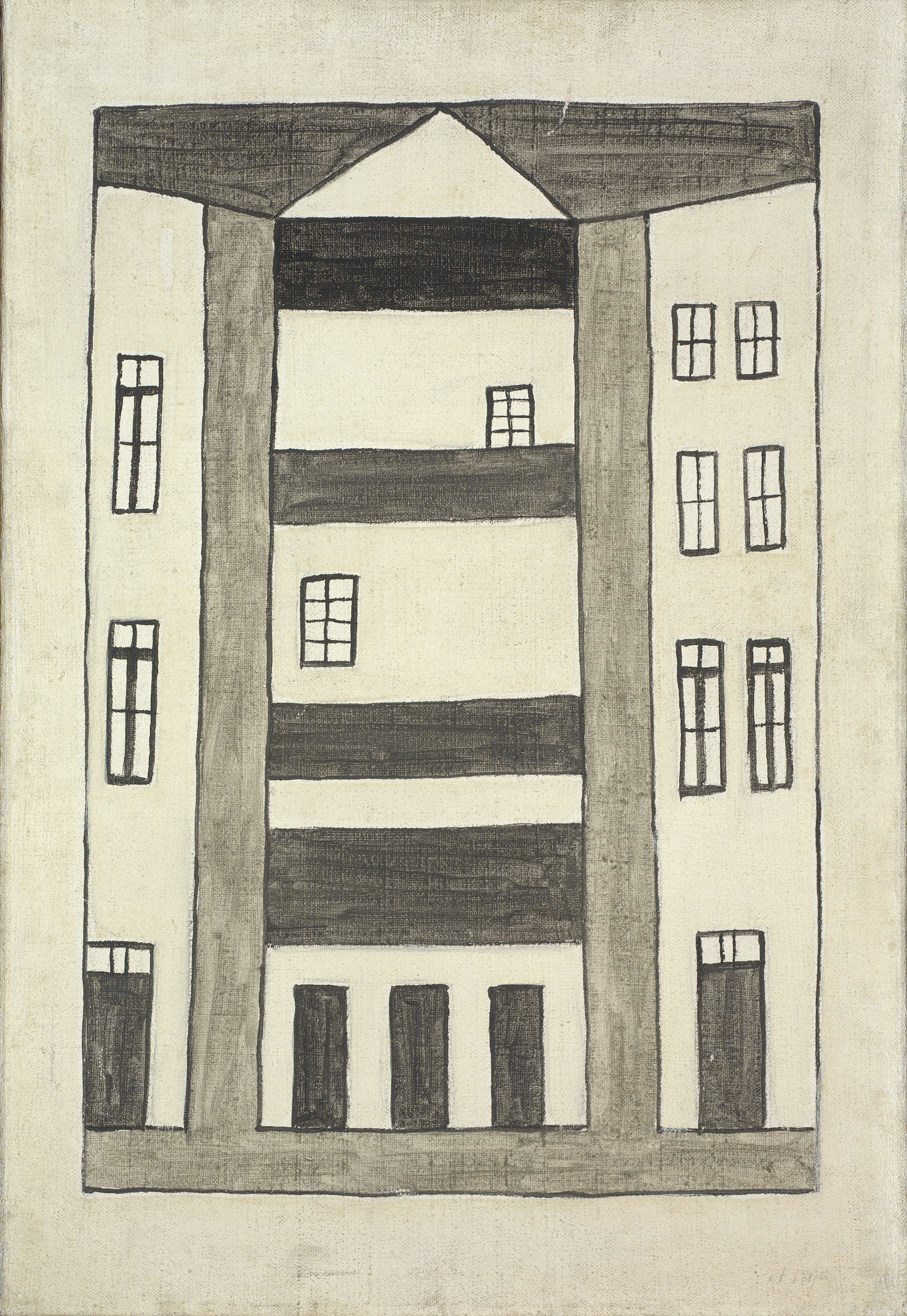 #9
#9
Alfredo Volpi
Alfredo Volpi establishes himself by exploring facades and small popular flags transformed into subtle relationships of color and rhythm. "Bandeirinhas" dialogues with "Fachadas" and "Mastros" in a constantly mastered work.
Read Alfredo Volpi's biography on Wikipedia #10
#10
Lygia Clark
Lygia Clark occupies an important place through her way of treating the pictorial surface that has become a mobile object, bodily experience and relationship with the viewer. Between "Bichos", "Planos em Superficie Modulada" and "Caminhando", the painting changes scale without losing its identity.
Read Lygia Clark's biography on WikipediaChapter I · Ranks 11 to 25
Modernism, abstraction and neoconcretism
Camargo, Ohtake, Gerchman, Clark, Oiticica, Pape and Schendel show how the Brazilian image moves from painting to object, body and space.
 #11
#11
Iberê Camargo
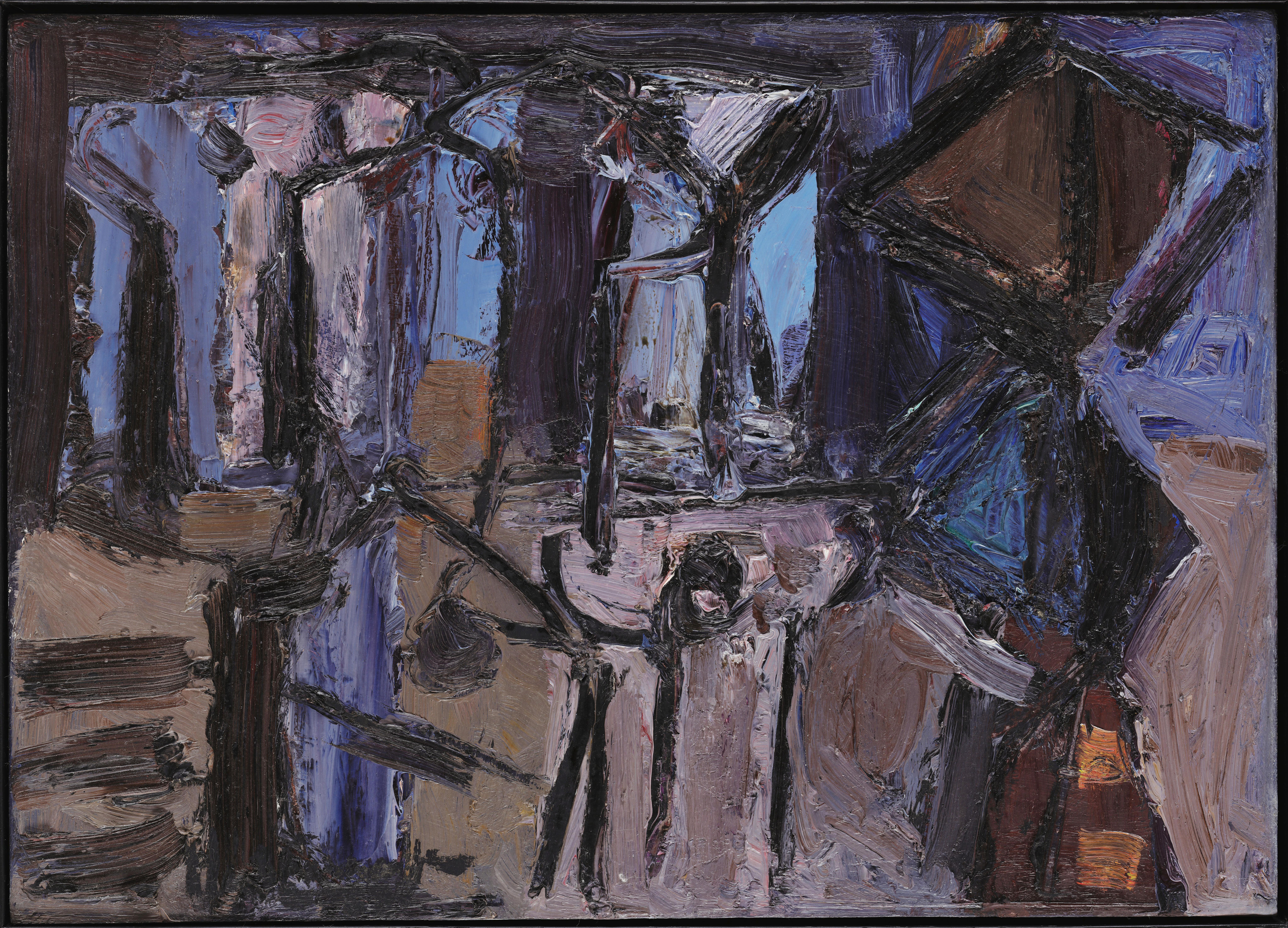
Iberê Camargo places carreteis, cyclists and the human figure worked in dense and restless material at the center of his work. "Ciclistas", "Carretéis" and "Idiotas" allow us to measure its extent.
Read the biography of Iberê Camargo on Wikipedia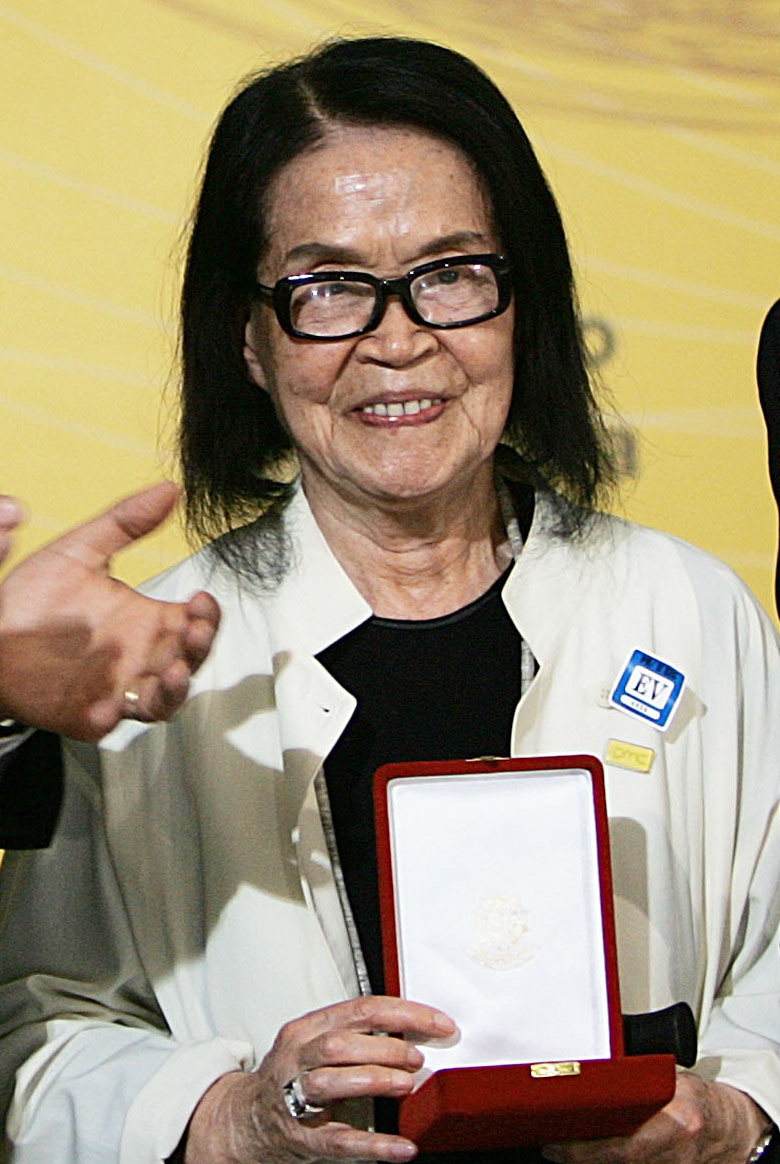 #12
#12
Tomie Ohtake
In Tomie Ohtake, the gaze focuses on the colored fields, the curves and the restrained gestures which give abstraction a meditative presence. From "Quatro Estaçoes" to "Sem título", each image retains a recognizable presence.
Read Tomie Ohtake's biography on Wikipedia #13
#13
Rubens Gerchman
Rubens Gerchman opens an essential path through the media faces, urban culture and political tensions of the new figuration. "Lindonéia", "A Bela" and "Caixa de Morar" reveal its main dimensions.
Read Rubens Gerchman's biography on Wikipedia #14
#14
Ismael Nery
Ismael Nery is distinguished by the body, the double and metaphysics united in a brief and singular work. "Autorretrato" offers a direct entry, supplemented by "Namorados" and "Figura".
See the Ismael Nery collection #15
#15
Frans Krajcberg
Frans Krajcberg renews Brazilian painting with mineral footprints and burned woods transformed into protest against the destruction of forests. The confrontation of "Flor do Mangue", "Raizes" and "Relevos" shows the diversity of this research.
Read Frans Krajcberg's biography on Wikipedia #16
#16
Vicente do Rego Monteiro
Vicente do Rego Monteiro builds his universe by working on Amazonian myths and sculptural bodies synthesized in an art deco vocabulary. "O Nascimento de Mani" remains a major milestone, while "A Caçada" and "A Crucifixao" specify its evolution.
Read the biography of Vicente do Rego Monteiro on Wikipedia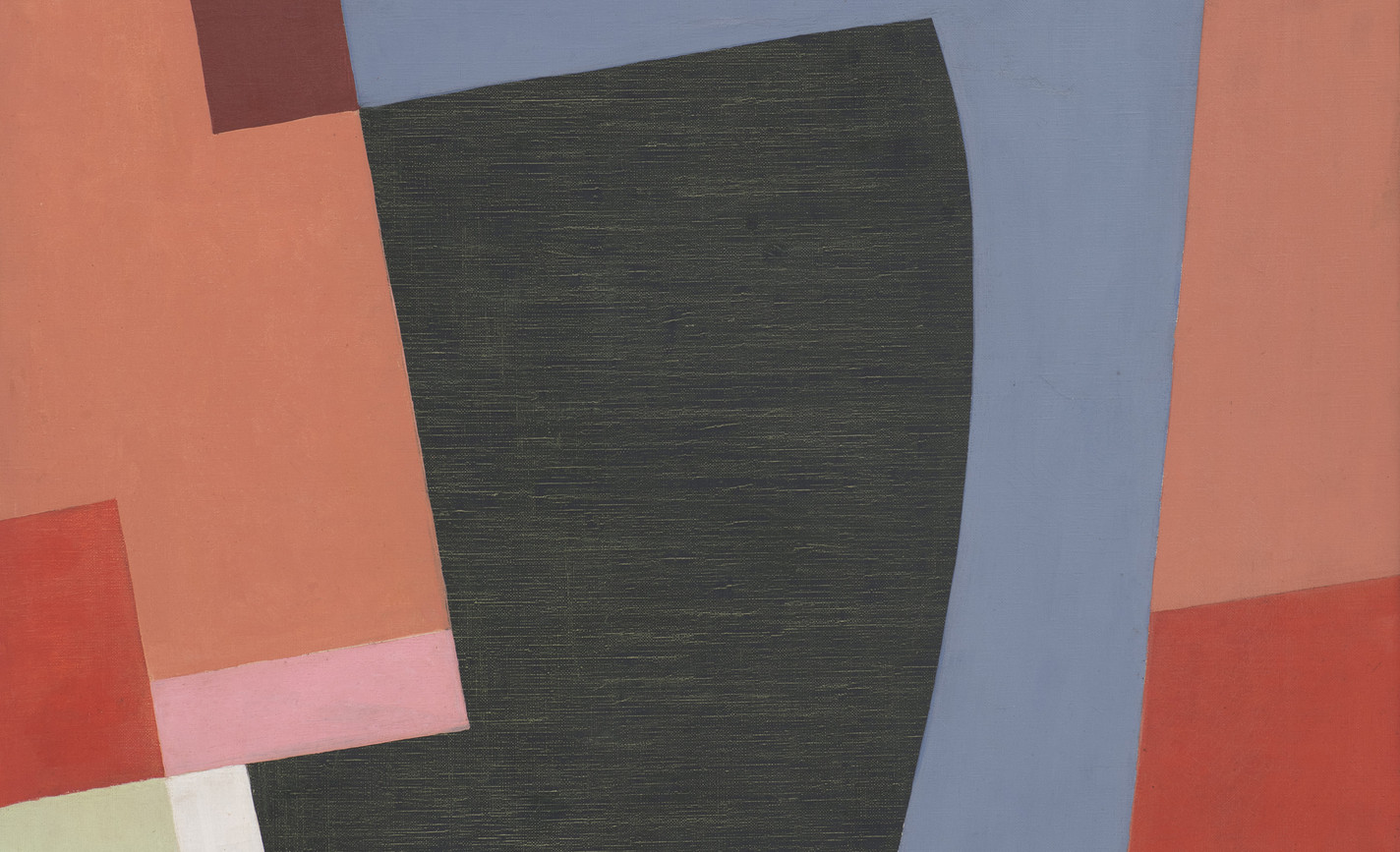 #17
#17
Cicero Dias
Cícero Dias develops a lasting language from a set of themes: Recife's memory, dreams and color pursued from figuration to abstraction. "Eu Vi o Mundo... Ele Começava no Recife", then "Visao Romântica do Porto do Recife" and "Engenho", make its coherence perceptible.
Read Cícero Dias' biography on Wikipedia #18
#18
Anna Bella Geiger
Anna Bella Geiger organizes her painting to reveal the maps, borders and Brazilian identity questioned between painting, engraving and photography. "Brasil Nativo/Brasil Alienígena" condenses this ambition without exhausting the research visible in "Circumambulatio" and "Fronteiriços".
Read Anna Bella Geiger's biography on Wikipedia #19
#19
Eliseu Visconti
Eliseu Visconti stands out by exploring impressionist light, symbolist decor and portraiture brought together with cosmopolitan elegance. "Gioventù" dialogues with "Moça no Trigal" and "Recompensa de Sao Sebastiao" in a constantly mastered work.
See the Eliseu Visconti collection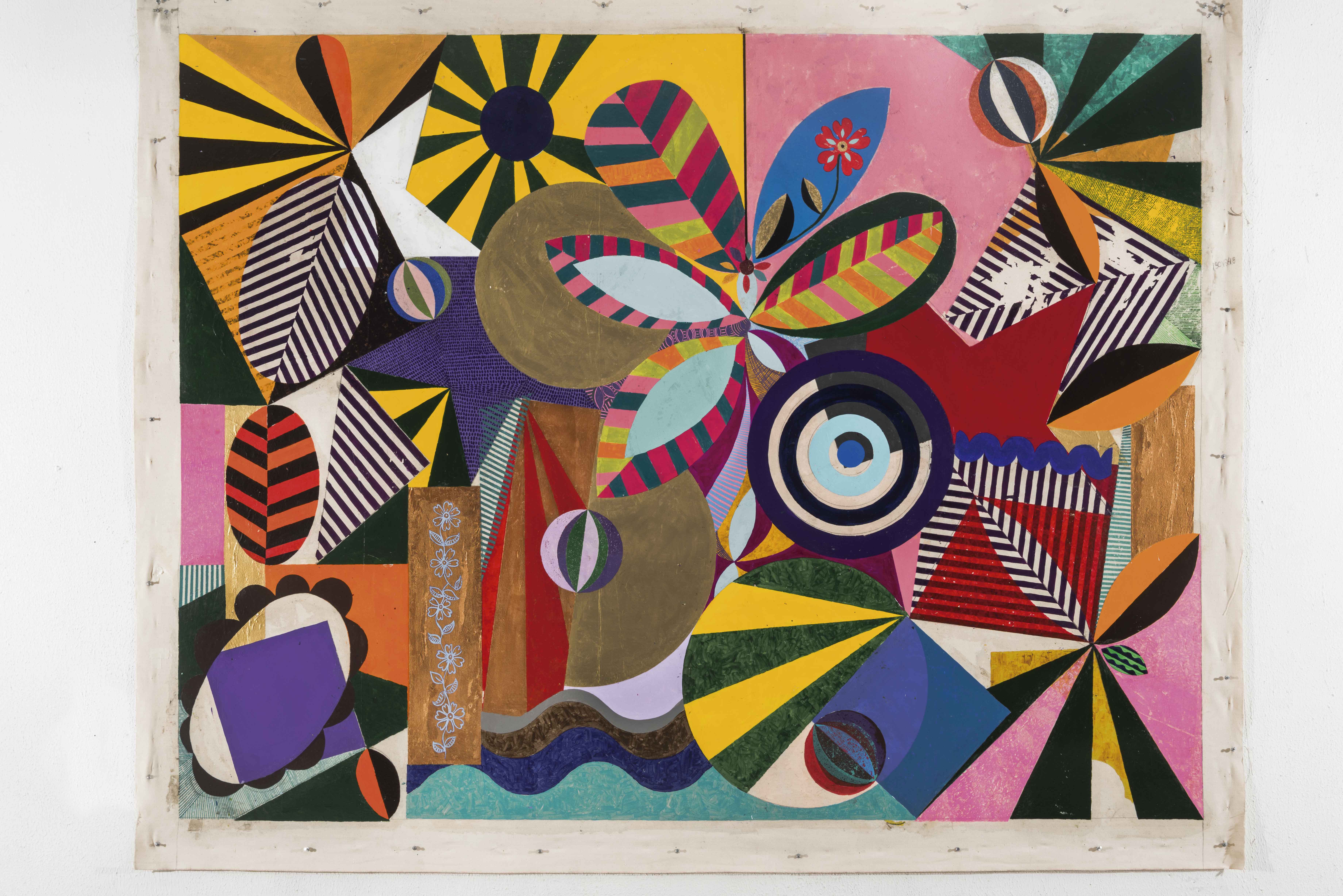 #20
#20
Beatriz Milhazes
Beatriz Milhazes occupies an important place with her way of treating arabesques, floral motifs and Brazilian color superimposed by a precise transfer process. Between "Meu Limao", "O Mágico" and "Gamboa II", the painting changes scale without losing its identity.
Read Beatriz Milhazes' biography on Wikipedia #21
#21
Adriana Varejao
Adriana Varejao places azulejos, the wounds of colonial history and the illusion of matter at the center of her work. "Celacanto Provoca Maremoto", "Linda do Rosário" and "Azulejaria" allow us to measure its extent.
Read Adriana Varejao's biography on Wikipedia #22
#22
Romero Britto
At Romero Britto, the focus is on the surrounded shapes, graphic patterns and a dazzling palette diffused in popular culture. From "A New Day" to "Love", each image retains a recognizable presence.
Read Romero Britto's biography on Wikipedia #23
#23
Helio Oiticica
Hélio Oiticica opens an essential path through the color freed from the painting and transformed into a space to inhabit, wear or explore. "Parangolés", "Metaesquemas" and "Tropicalia" reveal its main dimensions.
Read the biography of Hélio Oiticica on Wikipedia #24
#24
Lygia Pope
Lygia Pape is distinguished by geometry, artist's book and sensitive space linked by continuous experimentation. "Livro da Criaçao" offers a direct entry, supplemented by "Tecelares" and "Ttéia".
Read Lygia Pape's biography on Wikipedia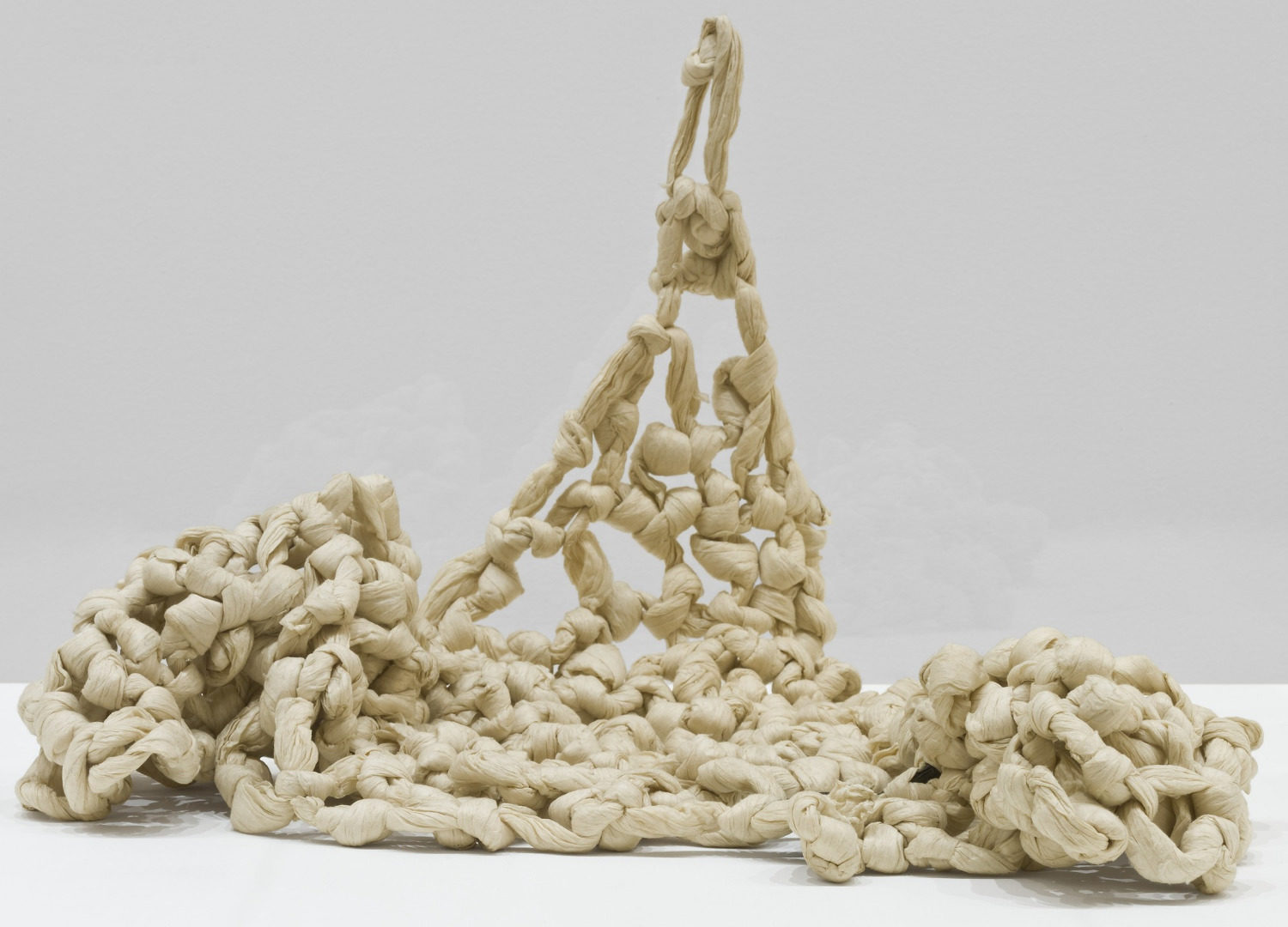 #25
#25
Mira Schendel
Mira Schendel renews Brazilian painting through the sign, transparency and emptiness explored on paper, canvas and fragile materials. The confrontation of "Monotipias", "Droguinhas" and "Objetos Graficos" shows the diversity of this research.
Read Mira Schendel's biography on WikipediaChapter II · Ranks 26 to 50
Plurality of scenes, stories and generations
From imperial academicism and baroque mineiro to popular voices, pioneering women and current creation, this part restores the real extent of Brazilian painting.
 #26
#26
Manabu Mabe
Manabu Mabe constructs his universe by working on the ample gestures and chromatic layers which give lyrical abstraction a calligraphic energy. "Natureza-morta" remains a major milestone, while "Vento" and "Abstraçoes Gestuais" specify its evolution.
Read Manabu Mabe's biography on Wikipedia #27
#27
Heitor dos Prazeres
Heitor dos Prazeres develops a lasting language from a set of themes: Rio's sambas, parties and black daily life painted with rhythm and dignity. "Roda de Samba", then "Festa de Sao Joao" and "Frevo", make its coherence noticeable.
Read the biography of Heitor dos Prazeres on Wikipedia #28
#28
Judith Lauand
Judith Lauand organizes her painting to reveal the diagonals, modules and optical tensions developed with personal concrete rigor. "Concreto 61" condenses this ambition without exhausting the research visible in "Série dos Quadrados" and "Planos".
Read Judith Lauand's biography on Wikipedia #29
#29
Fayga Ostrower
Fayga Ostrower establishes herself by exploring color, engraving and the organic structures used to make a sensitive order visible. "Gravuras Abstratas" dialogues with "Labirintos" and "Metamorfoses" in a constantly mastered work.
Read Fayga Ostrower's biography on Wikipedia #30
#30
Georgina of Albuquerque
Georgina de Albuquerque occupies an important place through her way of treating women in national history and the luminous scenes of family life. Between "Sessao do Conselho de Estado", "Dia de Verao" and "Família", the painting changes scale without losing its identity.
Read Georgina de Albuquerque's biography on Wikipedia #31
#31
Angelina Agostini
Angelina Agostini places self-portraits and assertive female figures in an artistic environment that is still very masculine at the center of her work. "Vaidade", "Autorretrato" and "No Ateliê" allow us to measure its extent.
Read Angelina Agostini's biography on Wikipedia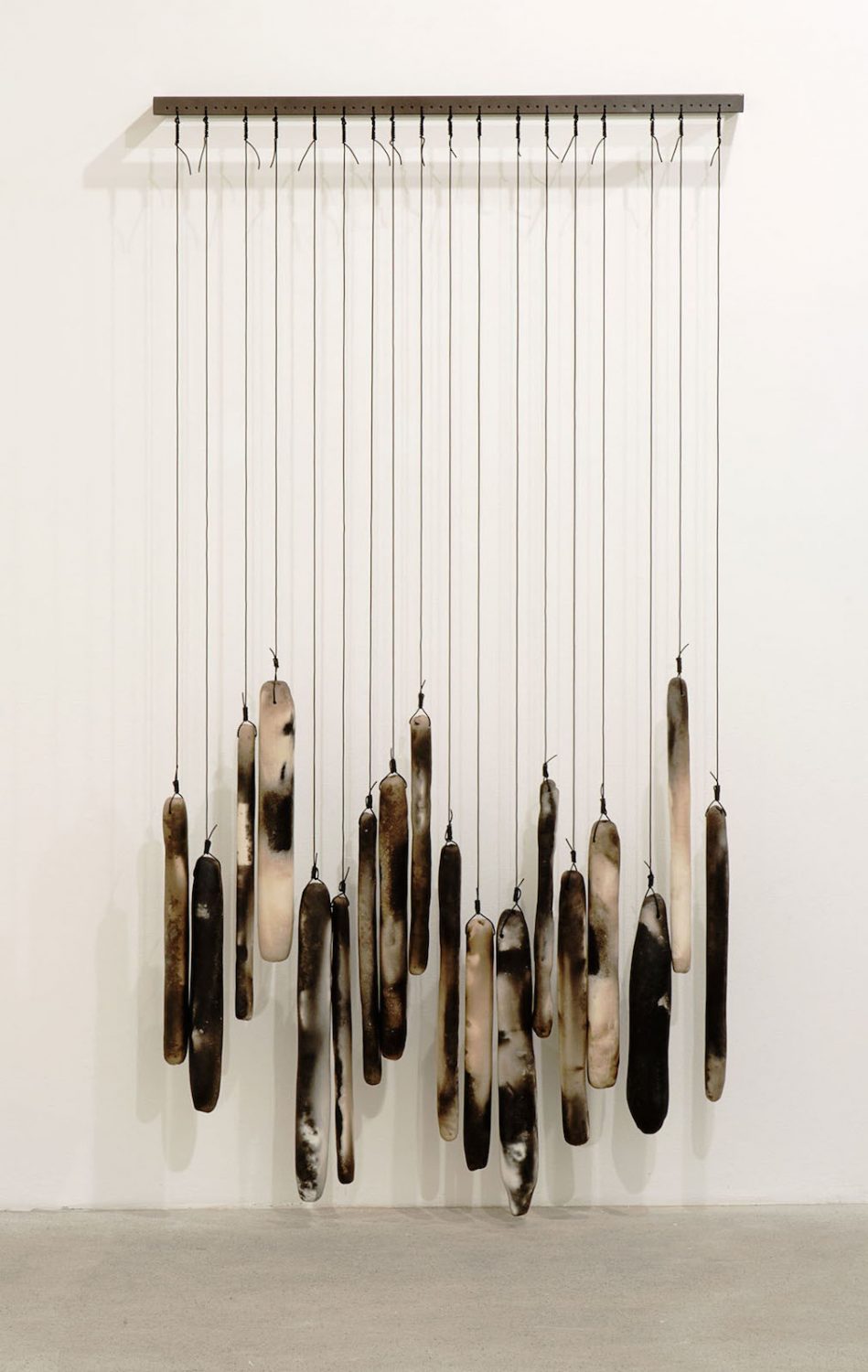 #32
#32
Anna Maria Maiolino
At Anna Maria Maiolino, the focus is on daily gesture, language and organic matter articulated between drawing, painting and installation. From "Entrevidas" to "Mapas Mentais", each image retains a recognizable presence.
Read the biography of Anna Maria Maiolino on Wikipedia #33
#33
Wanda Pimentel
Wanda Pimentel opens an essential path through domestic interiors, objects and the female body reduced to silent geometry. "Envolvimento", "Sem Título" and "Série Geométrica" reveal the main dimensions.
Read Wanda Pimentel's biography on Wikipedia #34
#34
Cybele Varela
Cybèle Varela stands out for the advertising images, tropical nature and mass culture ironically recomposed. "Imagens de Épinal" offers direct entry, supplemented by "Natureza" and "Tropiques".
Read Cybèle Varela's biography on Wikipedia #35
#35
Regina Veiga
Regina Veiga renews Brazilian painting through portraits, interiors and painted flowers with a clear palette open to modern research. The confrontation of "Autorretrato", "Interiores" and "Flores" shows the diversity of this research.
Read Regina Veiga's biography on Wikipedia #36
#36
Alice Brill
Alice Brill builds her universe by working on Sao Paulo, its working-class neighborhoods and its transformations observed between painting and photography. "Sao Paulo" remains a major milestone, while "Favelas" and "Paisagens Urbanas" specify its evolution.
Read Alice Brill's biography on Wikipedia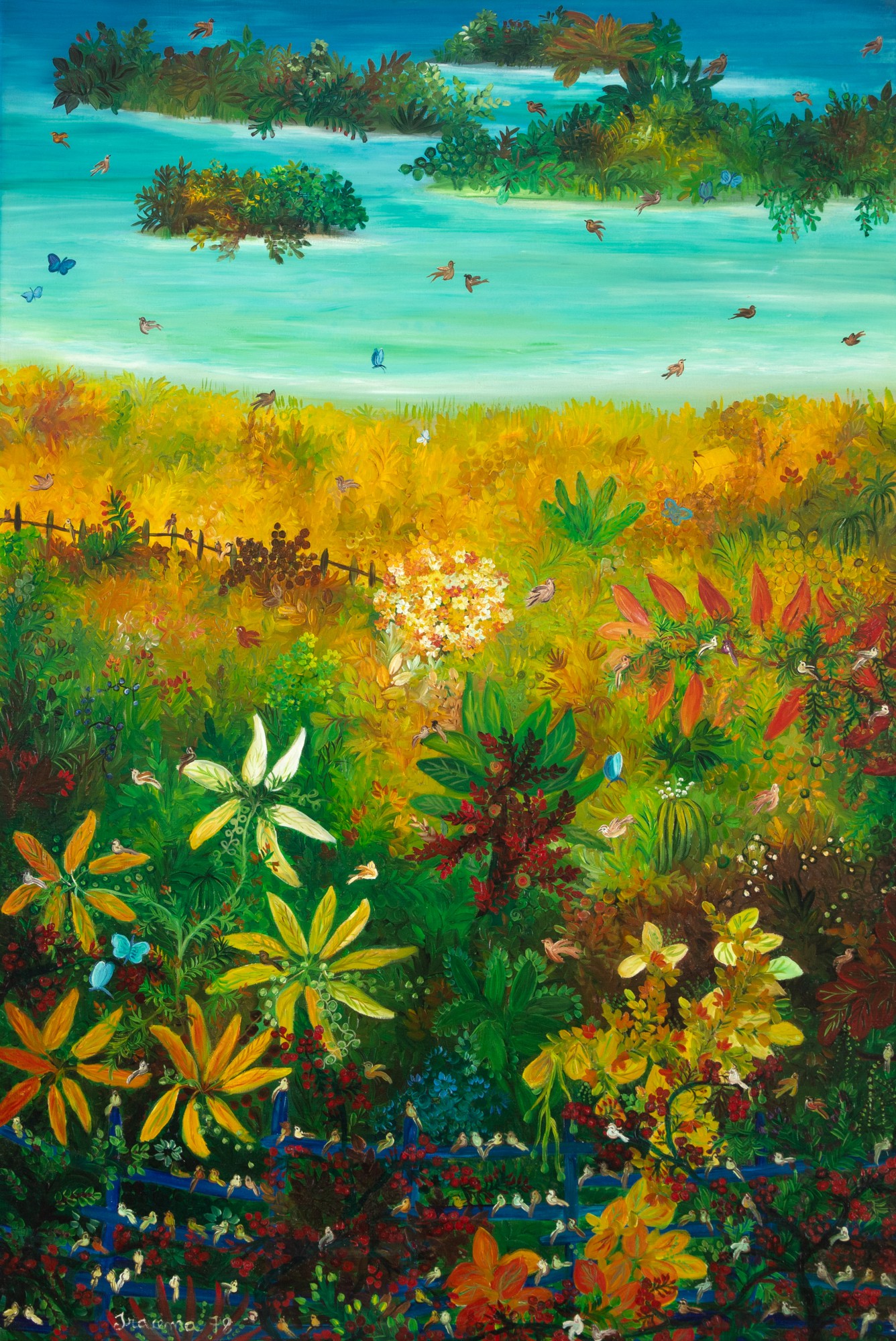 #37
#37
Iracema Arditi
Iracema Arditi develops a lasting language from a set of themes: free color and plant forms led towards a warm abstraction. "Composiçoes Abstratas", then "Paisagens" and "Flores", make its coherence noticeable.
Read the biography of Iracema Arditi on Wikipedia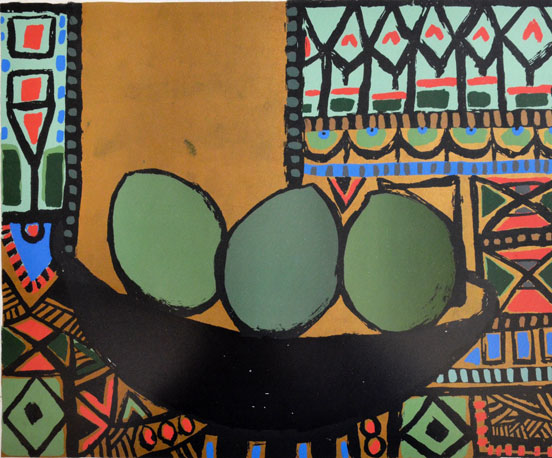 #38
#38
Alice Brueggemann
Alice Brueggemann organizes her painting to reveal the squares, landscapes and life of Porto Alegre interpreted with modern construction. "Praça da Alfândega" condenses this ambition without exhausting the research visible in "Paisagens Gaúchas" and "Retratos".
Read Alice Brueggemann's biography on Wikipedia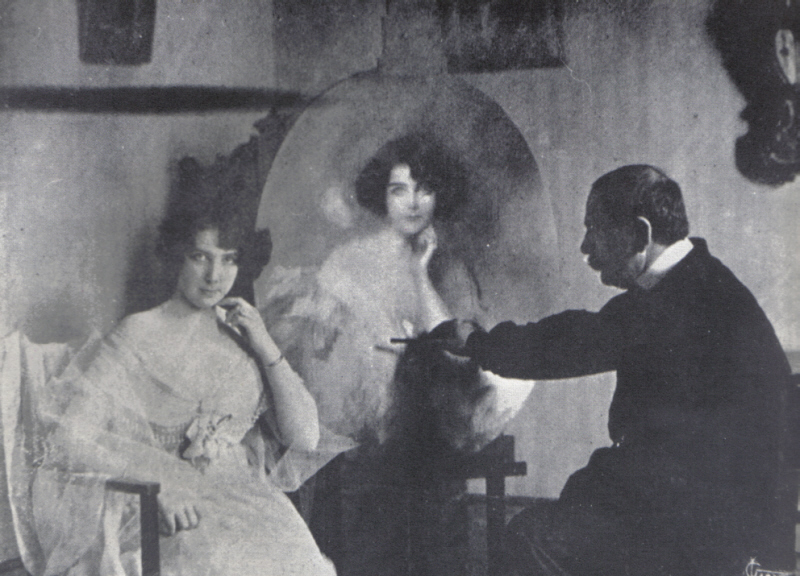 #39
#39
Nair de Tefe
Nair de Tefé establishes himself by exploring the worldly and political caricature used to open up a unique public space for women. "Rian" dialogues with "A Carioca" and "Caricaturas" in a constantly mastered work.
Read the biography of Nair de Tefé on Wikipedia #40
#40
Ana maria pacheco
Ana Maria Pacheco occupies an important place through her way of treating the stories of violence, exile and power developed in a theatrical figuration. Between "Dark Night of the Soul", "Shadows of the Wanderer" and "The Banquet", the painting changes scale without losing its identity.
Read the biography of Ana Maria Pacheco on Wikipedia #41
#41
Christina Oiticica
Christina Oiticica places pigments and canvases entrusted to soils, forests and climates as creative partners at the center of her work. "Caminho das Pedras", "Casa do Sol" and "Interventions in Nature" allow us to measure their extent.
Read Christina Oiticica's biography on Wikipedia #42
#42
Carlos Alberto de Araujo
In Carlos Alberto de Araujo, the gaze is focused on the faces and atmospheric landscapes melted into delicate chromatic passages. From "Paisagens Abstratas" to "Nuagens", each image retains a recognizable presence.
Read the biography of Carlos Alberto de Araujo on Wikipedia #43
#43
Rafael Silveira
Rafael Silveira opens an essential path through visual metaphors, dreams and pop strangeness brought together in narrative paintings. "Metaforamorfoses", "Circonjecturas" and "Jardim de Inverno" reveal its main dimensions.
Read Rafael Silveira's biography on Wikipedia #44
#44
Oswaldo Goeldi
Oswaldo Goeldi is distinguished by the nocturnal engraved woods, deserted streets and isolated silhouettes of expressionist intensity. "Chuva" offers direct entry, complemented by "Noturno" and "Urubus".
Read Oswaldo Goeldi's biography on Wikipedia #45
#45
Benedito Calixto
Benedito Calixto renews Brazilian painting through ports, Paulista landscapes and historical episodes documented with great precision. The confrontation of "Fundaçao de Sao Vicente", "Inundaçao da Várzea do Carmo" and "Porto de Santos" shows the diversity of this research.
See the Benedito Calixto collection #46
#46
Rodolfo Amoedo
Rodolfo Amoedo builds his universe by working on the nude, portraits and literary subjects renewed by a symbolist sensitivity. "O OUDimo Tamoio" remains a major milestone, while "Marabá" and "Más Notícias" specify its evolution.
See the Rodolfo Amoedo collection #47
#47
Henrique Bernardelli
Henrique Bernardelli develops a lasting language from a set of themes: portraits and historical scenes constructed with a free touch and direct observation. "Machado de Assis", then "Messalina" and "Proclamaçao da Republica", make its coherence perceptible.
See the Henrique Bernardelli collection #48
#48
Belmiro de Almeida
Belmiro de Almeida organizes his painting to reveal the psychological tensions of bourgeois life introduced into a modern narrative painting. "Arrufos" condenses this ambition without exhausting the research visible in "A Má Notícia" and "Lady with the Rose".
See the Belmiro collection by Almeida #49
#49
Antonio Parreiras
Antônio Parreiras establishes himself by exploring the forests, panoramas and national history painted between the outdoors and monumental ambition. "Ventania" dialogues with "A Conquista do Amazonas" and "Fim de Romance" in a constantly mastered work.
See the Antônio Parreiras collection #50
#50
Maester Ataïde
Mestre Ataïde occupies an important place through his way of treating illusionist ceilings, mixed angels and the luminous color of Minas Gerais' baroque. Between "Assunçaïo da Virgem", "Ascensaïo de Cristo" and "A Ourltima Ceia", the painting changes scale without losing its identity.
See the Mestre Ataïde collectionSources and routes
Extend the visit to Brazilian painting
Explore Alpha Reproduction
Brazilian painting transforms the territory into a visual experience
From the baroque ceiling of Mestre Ataïde to the colorful architectures of Tarsila, from the workers of Portinari to the relational objects of Lygia Clark, each generation redefines the relationship between form, society and identity. Its strength lies in this ability to welcome very different legacies without renouncing experimentation.
To choose a reproduction, start from the desired atmosphere: the constructed color of Tarsila, the monumental humanity of Portinari, the urban energy of Di Cavalcanti, the sensitive geometry of Volpi, the material of Iberê Camargo or the intensity of 'Almeida Junior.
0 comments