

Top 100 · American painting
From Hopper to O'Keeffe, Pollock and Warhol
Three centuries of images to understand how the United States painted portraiture, territory, city, abstraction and popular culture.
American painting does not follow a single line. It is born in the portraits of the young Republic, transforms the landscapes into a national story, observes the industrial city, builds a modernity between Europe, the Caribbean and the African diaspora, then makes New York an international center after 1945. This classification combines historical influence, invention formal, quality of works, presence museum and cultural posterity.
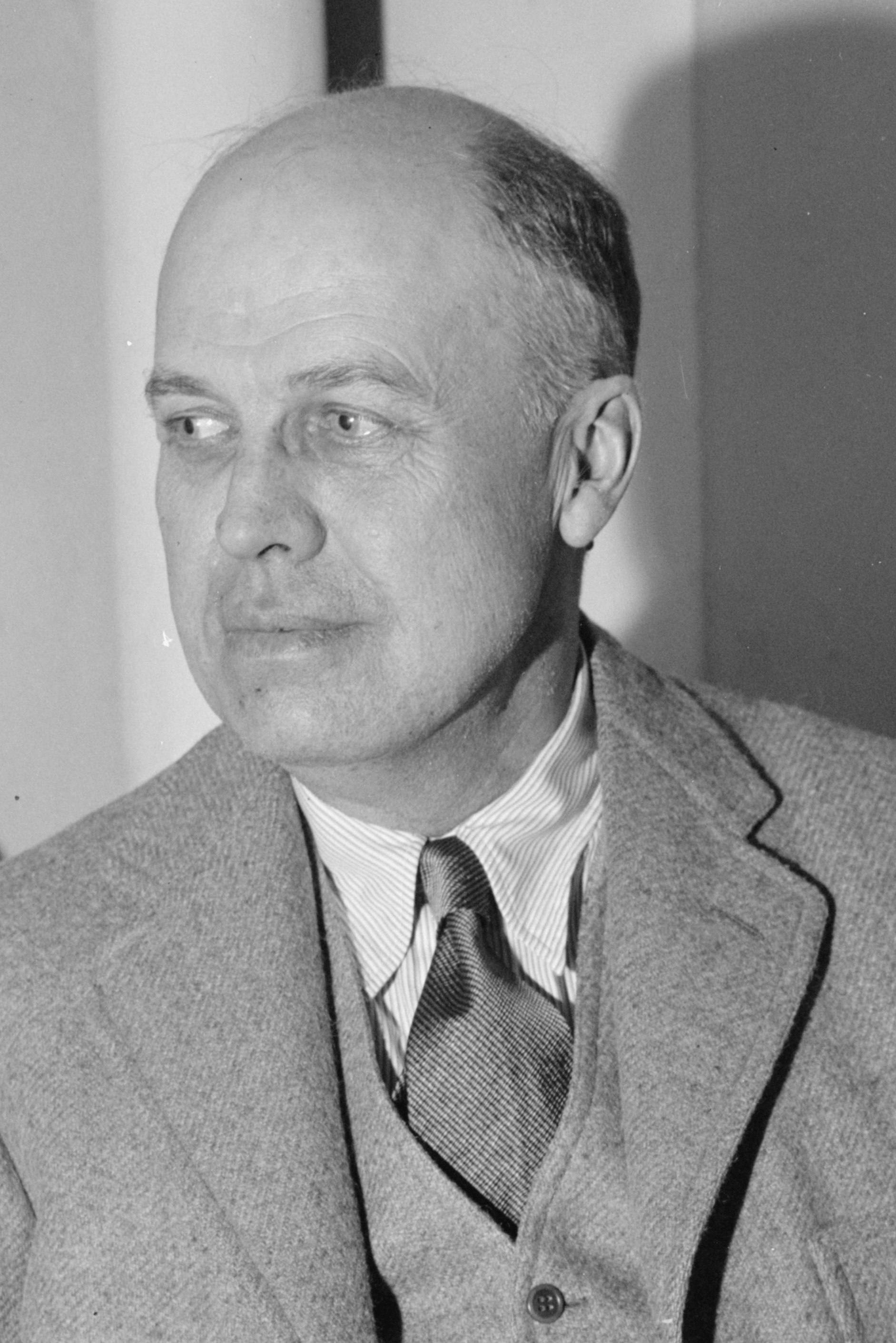
Portrait, landscape, social realism, abstraction, pop art and contemporary scenes.
From the colonies to the Republic
The portrait first constructs a public presence
In the 18th century, Copley, West and Stuart gave elites, intellectuals and rulers an iconography capable of competing with Europe. In the following century, Sargent, Cassatt, Eakins and Whistler moved portraiture towards psychology, modern life and the autonomy of painting. Exchanges remain constant: artists travel, study in London, Paris, Munich or Rome, then adapt these experiences to their own subjects.
Territory, city and modernities
From the natural sublime to the urban experience
Cole, Church and Bierstadt make the landscape a space of the sublime, but also an instrument of the expansion story. Conversely, Homer focuses attention on the sea and the human condition. At the beginning of the 20th century, the Ashcan School, precisionism, Hopper, O'Keeffe and the Harlem Renaissance described the metropolis, the machine, migrations and identities with profoundly different languages.
Top 100 method
Influence, innovation, major works and diversity of stories
Ranks assess the lasting impact on art history, the originality of language, the importance of works preserved in museums, and the ability to expand the subjects of American painting. The ranking measures neither a market rating nor instant popularity: it brings into dialogue canonical artists, long-diminished women, African-American creators, immigrants and stages regional.
The four emblems and modern founders
Top 10 - Hopper, O'Keeffe, Pollock, Warhol and icons
This first circle brings together artists whose images have changed the international perception of American painting, from silent realism to pop art.
#1
Edward Hopper
Its silent rooms, gas stations and night cafes transform the modern city into a theater of waiting. Its crisp light gives American solitude an instantly recognizable shape.
Read Edward Hopper's biography #2
#2
Georgia O'Keeffe
Enlarged flowers, bleached bones and New Mexico horizons make up a language of monumental clarity. It imposes an independent vision of American modernism, far from New York schools.
Read Georgia O'Keeffe's biography #3
#3
Jackson Pollock
By placing the canvas on the ground, he makes dripping a choreography where trajectories, speed and density record the body at work. His all-overs lastingly disrupt the very idea of composition.
See the Jackson Pollock collection #4
#4
Andy Warhol
Soup boxes, stars and news items become the motifs of a serialized painting. Warhol reveals that fame, consumption and industrial reproduction form America's great visual spectacle.
Read Andy Warhol's biography #5
#5
Jean-Michel Basquiat
Crowns, anatomy, fragments of words and references to black history collide in an electric painting. His urgent line connects the street, jazz, scholarship and criticism of the art market.
Read the biography of Jean-Michel Basquiat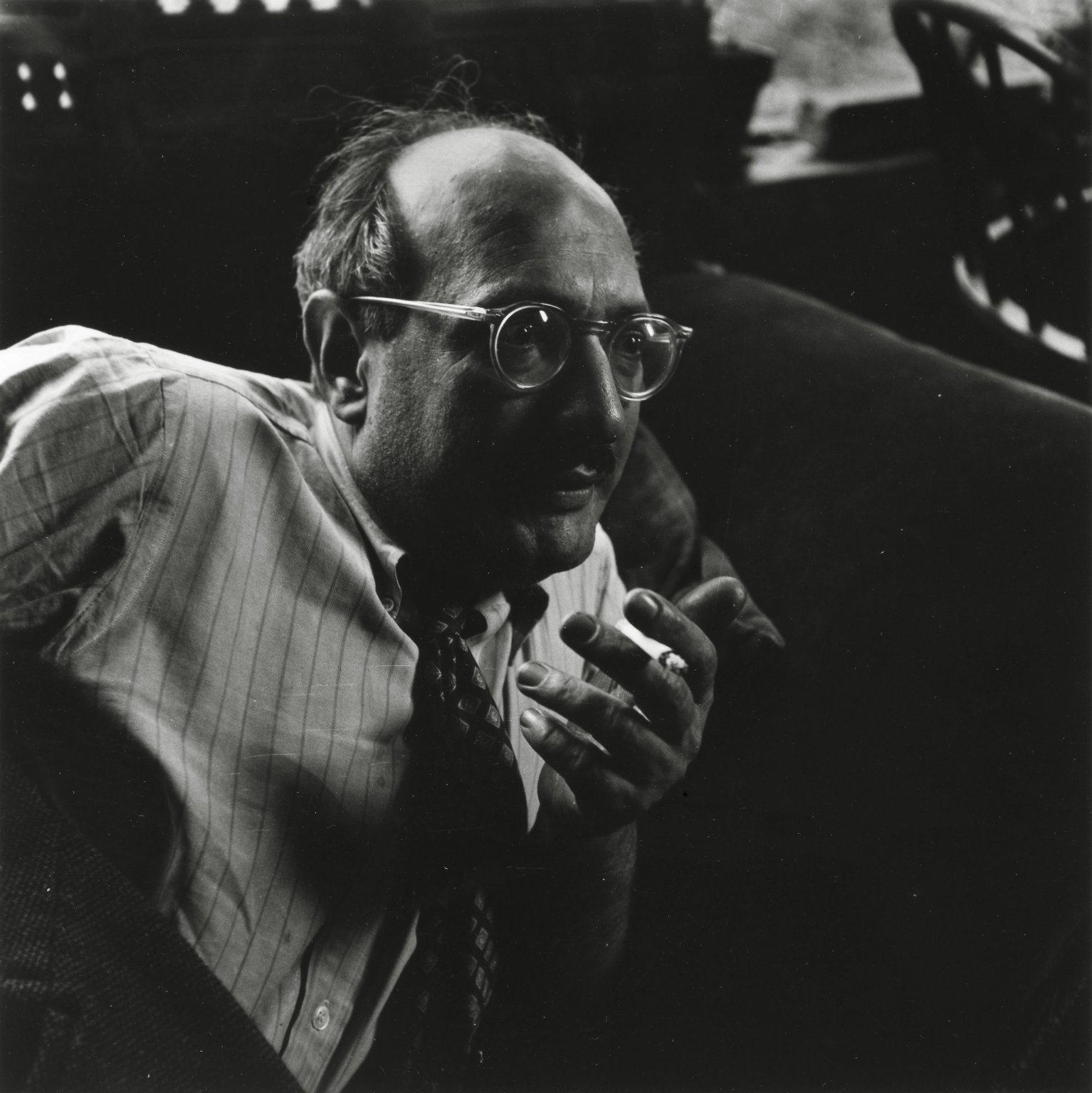 #6
#6
Mark Rothko
Its floating colored rectangles are not simple formal exercises: they seek a slow, physical and meditative experience. The vibrant edges transform each canvas into a space for contemplation.
Read Mark Rothko's biography #7
#7
Roy Lichtenstein
It enlarges bubbles, Ben-Day frames and comic book framing to question manufactured emotion. Its cold precision moves popular images towards large painting without erasing their artificiality.
Read the biography of Roy Lichtenstein #8
#8
Willem de Kooning
His figures and landscapes are born from a painting constantly taken up, scraped and relaunched. The Women series maintains a fruitful tension between recognizable body, material and abstract gesture.
Read the biography of Willem de Kooning #9
#9
Norman Rockwell
A virtuoso of one-image storytelling, he observes gestures, costumes and situations of daily life with exceptional readability. His late works also address civil rights and national contradictions.
Read Norman Rockwell's biography #10
#10
John Singer Sargent
His quick brush gives fabrics, skin tones and attitudes a spectacular presence. A cosmopolitan portraitist, he captures both the social rank and the fleeting psychology of his models.
See the John Singer Sargent collectionFrom young countries to continental territories
Ranks 11 to 25 - Portrait, landscape and national story
Portraitists of the Republic, marines, Hudson River School and regionalists give a visual form to the history, ambitions and contradictions of the territory.
 #11
#11
Winslow Homer
From war scenes to Prouts Neck's marines, he gradually reduces the story to the confrontation between human beings and the elements. His watercolors are among the freest of the American 19th century.
See the Winslow Homer collection #12
#12
James McNeill Whistler
His harmonies, arrangements and nocturnals favor relationships of tone rather than anecdote. Between London, Paris and Venice, he defends an autonomy of painting which announces modernity.
See the James McNeill Whistler collection #13
#13
Mary Cassatt
Her mothers, children, readers and spectators occupy spaces constructed with great intelligence of the gaze. She introduces into impressionism a modern feminine experience, attentive to gestures and distances.
See the Mary Cassatt collection #14
#14
Thomas Eakins
Anatomy, sport, science and portraiture nourish a demanding painting, without easy idealization. Its medical amphitheaters make knowledge and the body major subjects of American modernity.
See the Thomas Eakins collection #15
#15
Frederic Edwin Church
From Ecuador to the Arctic, he constructs panoramas of encyclopedic precision and spectacular staging. His landscapes combine science, travel and a feeling of the sublime.
See the Frederic Edwin Church collection #16
#16
Albert bierstadt
His immense views of the Rockies and Yosemite popularized a grandiose image of the West. Theatrical light celebrates nature while participating in the national narrative of expansion.
See the Albert Bierstadt collection #17
#17
Thomas Cole
Founder of the Hudson River School, he combines observation of the territory and moral meditation. Its allegorical cycles show that the rise of civilizations also carries the possibility of their ruin.
See the Thomas Cole collection #18
#18
Grant Wood
Behind the almost Flemish clarity of his farms and portraits, he depicts the myths of the Midwest with subtle ambiguity. American Gothic has become a continually reinterpreted icon.
See the Grant Wood collection #19
#19
Andrew Wyeth
In Chadds Ford and Maine, he painted familiar places with an austerity charged with memory. His temperas and watercolors give the walls, fields and bodies an almost tactile intensity.
Read Andrew Wyeth's biography #20
#20
NC Wyeth
It renews adventure illustration with strong silhouettes, readable gestures and dramatic color. His images of pirates and heroes have captured the visual imagination of literary classics.
See the NC Wyeth collection #21
#21
Gilbert Stuart
His unfinished portrait of George Washington provides the most widely distributed effigy of the first president. Stuart excels at suggesting character through pose, gaze, and a surprisingly vivid touch.
See the Gilbert Stuart collection #22
#22
John singleton copley
Before his departure for London, he described with remarkable precision the elites of Boston and their objects. His great British historical scenes then extended his talent to collective spectacle.
See the John Singleton Copley collection #23
#23
Benjamin West
Based in London and becoming president of the Royal Academy, he modernized history painting by giving recent events contemporary costumes. His workshop trains several generations of Americans.
See the Benjamin West collection #24
#24
George Caleb Bingham
Missouri's boatmen, elections and rallies allowed him to represent a democracy under construction. His balanced compositions give classic dignity to the border scenes.
See the George Caleb Bingham collection #25
#25
George Bellows
Boxing fights, docks and snowy streets receive nervous material and powerful framing. He captures the physical energy of New York while practicing a more intimate portrait.
See the George Bellows collectionThe city, modernism and social histories
Ranks 26 to 50 - New York, Harlem and the avant-gardes
Ashcan School, precisionism, regionalism and Harlem Renaissance expanded the subjects, audiences and languages of American painting.
 #26
#26
Robert Henry
A charismatic painter and teacher, he encourages his students to look at urban life without an academic hierarchy. His direct portraits favor the presence of the model and the authority of the touch.
See the Robert Henri collection #27
#27
John Sloan
From his windows and in the streets, he observes leisure, work and the intimacy of working-class neighborhoods. His gaze combines social sympathy, humor and precise narrative construction.
See the John Sloan collection #28
#28
William Merritt Chase
Portraits, still lifes and beaches of Shinnecock demonstrate a virtuosity nourished by Munich, Venice and Paris. His teaching transmits to young Americans a taste for direct painting.
See the William Merritt Chase collection #29
#29
Childe Hassam
He adapts the impressionist touch to the avenues, gardens and coasts of New England. Its flags lined up on Fifth Avenue combine colorful vibration and patriotic experience of the city.
See the Childe Hassam collection #30
#30
Cecilia Beaux
His portraits combine psychology, elegance and freedom of style without reducing female models to their costumes. Its institutional success opens an essential path for American painters.
See the Cecilia Beaux collection #31
#31
Maurice Prendergast
Parks, beaches and walks become mosaics of figures, shadow and light colors. His watercolors transform the modern crowd into a decorative rhythm without losing the feel of the place.
See the Maurice Prendergast collection #32
#32
Arthur Dove
Among the first American abstracts, he translated wind, sound, growth and light into organic forms. Its small formats seek less to describe nature than to condense its forces.
See the Arthur Dove collection #33
#33
Marsden Hartley
Its Berlin emblems, Maine mountains and portraits of sailors combine identity, mourning and symbolic power. His painting changes language without abandoning a deeply personal intensity.
See the Marsden Hartley collection #34
#34
Charles Demuth
A refined watercolorist and major precisionist, he combines industrial architecture and typography with luminous geometry. I Saw the Figure 5 in Gold unites poetry, speed and urban culture.
See the Charles Demuth collection #35
#35
Charles Sheeler
Photography and painting respond to each other in its factories, barns and bare interiors. It transforms machine and vernacular architecture into calm, clean and almost abstract structures.
Read the biography of Charles Sheeler #36
#36
Stuart Davis
Signs, jazz and advertising vocabulary fuel a syncopated abstraction with bold colors. Davis claims a modern painting rooted in the concrete rhythm of America.
Read the biography of Stuart Davis #37
#37
Thomas Hart Benton
His frescoes unfold workers, machines, musicians and landscapes in undulating compositions. He gives regionalism an epic, sometimes polemical ambition, and notably forms Jackson Pollock.
Read the biography of Thomas Hart Benton #38
#38
Reginald Marsh
Coney Island, subways, burlesques and crowded sidewalks become a human theater in motion. His skillful tempera and drawing technique serves for relentless observation of the crowd.
See the Reginald Marsh collection #39
#39
Ben Shahn
Painting, photography and graphics carry the same civic requirement with him. He transforms trials, work and public freedoms into clear, tense and accessible images.
Read Ben Shahn's biography #40
#40
Jacob Lawrence
His series tell of migrations, struggles and historical lives in flat, colorful areas and angular rhythms. Each panel remains autonomous while participating in a collective narrative of great force.
Read the biography of Jacob Lawrence #41
#41
Romare Bearden
Collage allows him to assemble memory of the South, Harlem life, jazz and mythology. Breakdowns in scale and point of view give the dark experience a complex visual structure.
Read the biography of Romare Bearden #42
#42
Aaron Douglas
Silhouettes, radiant circles and profiles inspired by ancient Egypt construct a visual history of the diaspora. He became one of the great graphic inventors of the Harlem Renaissance.
Read the biography of Aaron Douglas #43
#43
Horace Pippin
A former self-taught soldier, he paints interiors, war memories and historical episodes with a striking formal economy. Its apparent calm reveals memory, violence and dignity.
See the Horace Pippin collection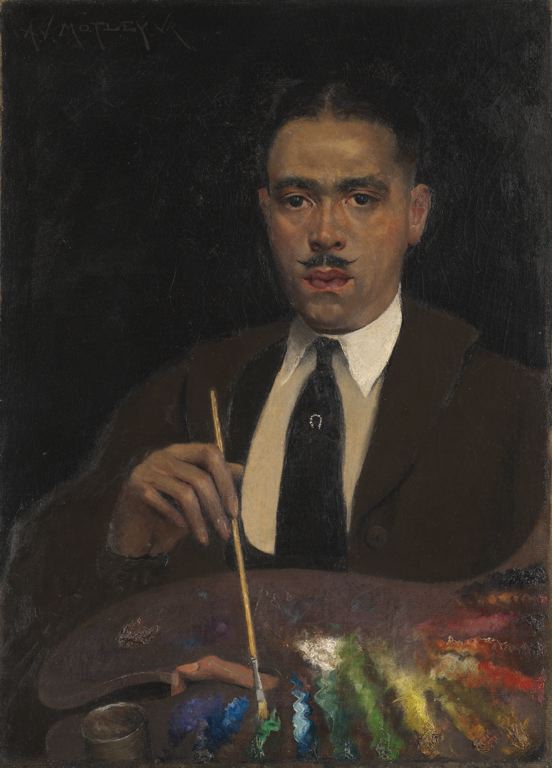 #44
#44
Archibald Motley
A subtle portraitist of skin nuances, he also became the great painter of Chicago's clubs and night streets. Its electric color reveals social energy, spectacle and racial tensions.
Read the biography of Archibald Motley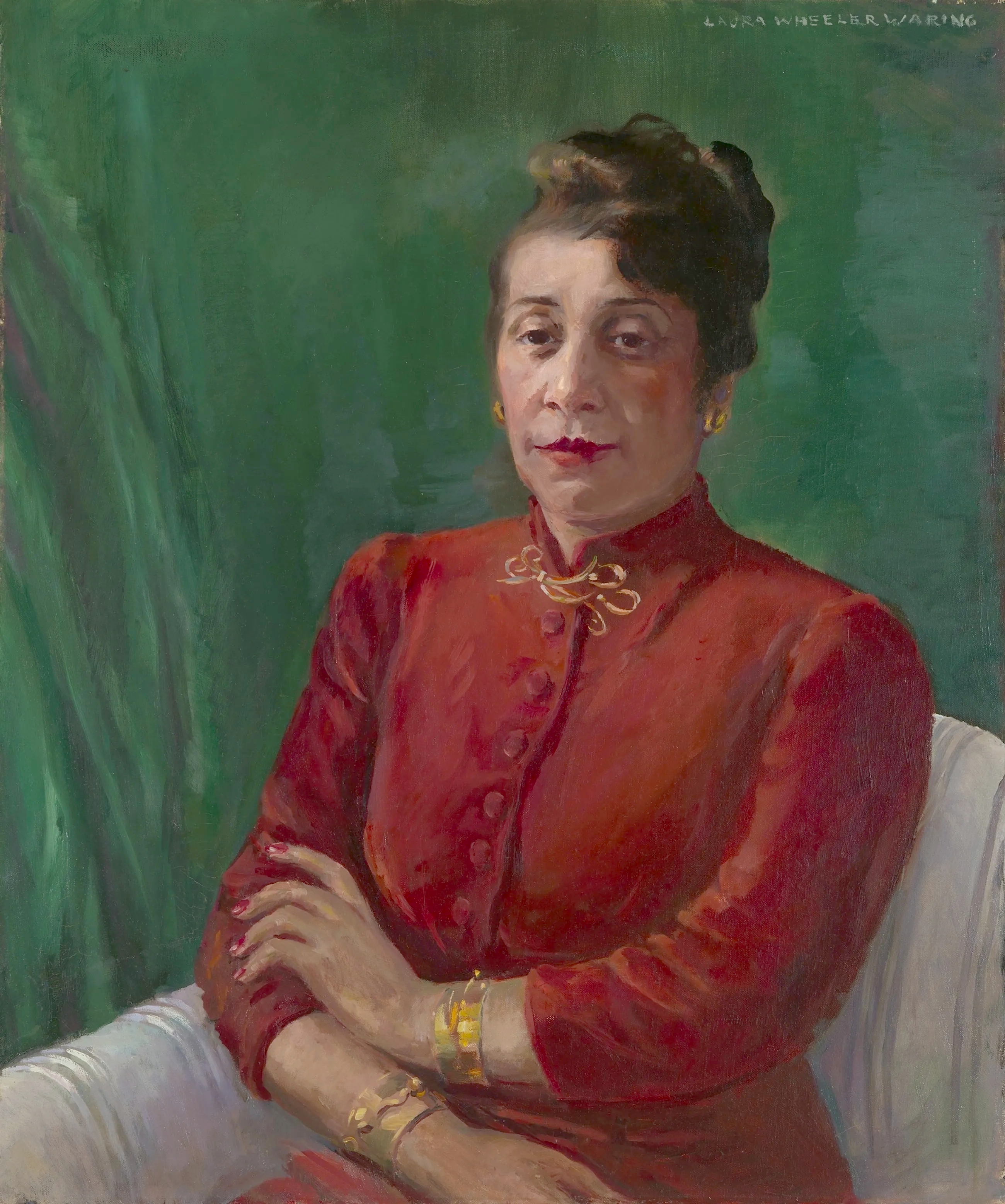 #45
#45
Alma Thomas
Small rectangular touches assembled in arches, bands and halos give the color a luminous rhythm. His late work connects garden, cosmos and optimism without ignoring the obstacles of his career.
Read the biography of Alma Thomas #46
#46
Lois Mailou Jones
From Harlem to Paris, Haiti and Africa, she composes a modernism open to textiles, masks and landscapes. His long career combines black identity, travel and teaching.
Read the biography of Lois Mailou Jones #47
#47
Arshile Gorky
Between surrealism and abstract expressionism, its organic forms condense Armenian memory, nature and automatic invention. His nervous line opens a decisive path to New York painting.
See the Arshile Gorky collection #48
#48
Man Ray
A painter before being a photographer, he constantly blurs the boundaries between mediums. Rayographies, objects and portraits make technical experimentation an exercise in poetic freedom.
Read Man Ray's biography #49
#49
Joseph Stella
The Brooklyn Bridge becomes under his brush a cathedral of steel, light and speed. His work, however, circulates freely between futurism, symbolic flowers and spiritual visions.
See the Joseph Stella collection #50
#50
John Marin
His watercolors of Manhattan and Maine make buildings, rocks and sea vibrate with discontinuous lines. The landscape is never still there: it becomes energy, pressure and rhythm.
See the John Marin collectionThe Postwar Laboratory
Ranks 51 to 75 - Figuration, abstraction and New York School
Gesture, color and material redefine canvas, while portraits, folk art and realism keep other stories active.
 #51
#51
Alex Katz
His portraits with their clear flat areas and cut framing reduce the detail to reinforce the presence. Since the 1950s, Katz has been building a smooth, luminous and immediately contemporary representation.
Read Alex Katz's biography #52
#52
Yasuo Kuniyoshi
Inclined figures, oversized objects and strange landscapes make up a world that is both tender and restless. His journey carries the tensions of an American identity legally denied during his lifetime.
See the Yasuo Kuniyoshi collection #53
#53
George Ault
Nocturnal houses, posts and crossroads are ordered with almost metaphysical accuracy. Behind the silent geometry we can sense a very personal concern about the modern world.
See the George Ault collection #54
#54
John Steuart Curry
Thunderstorms, fires, farms and abolitionist episodes receive swirling energy. His public frescoes seek a popular, spectacular and easily readable Midwestern history.
See the John Steuart Curry collection #55
#55
William Glackens
Columnist of New York streets, he then adopted a clear palette nourished by Renoir. This transition from urban reporting to decorative color sums up the international openness of his generation.
See the William Glackens collection #56
#56
Everett Shinn
An illustrator as much as a painter, he loves theater scenes, damp sidewalks and crowds seen from above. Its framing gives the city the mobility of a stage or a film.
See the Everett Shinn collection #57
#57
George Luks
Its thick and generous touch gives popular figures an unacademic robustness. Children, merchants and street regulars are painted as personalities, never as anonymous guys.
See the George Luks collection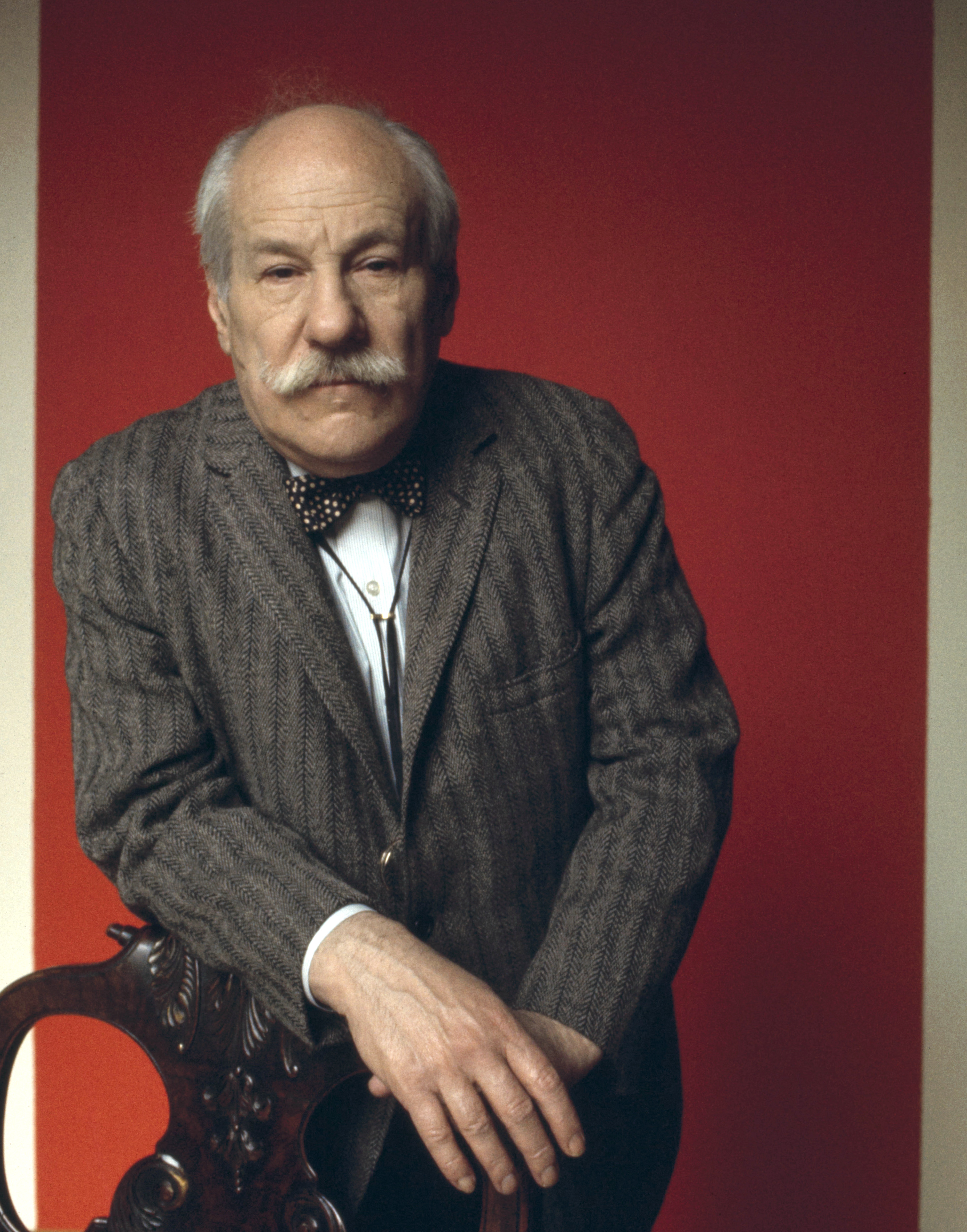 #58
#58
Barnett Newman
Vast fields of color are crossed by vertical bands that he calls zips. This radical economy is not aimed at decoration, but at an experience of presence, scale and the sublime.
Read Barnett Newman's biography #59
#59
Franz Kline
Its large black signs appear improvised but result from enlargements and precise decisions. The contrast transforms the canvas into a field of impact, between calligraphy, architecture and speed.
Read Franz Kline's biography #60
#60
Clyfford Still
Its colored cliffs with torn contours refuse the center and the recognizable pattern. Still seeks a monumental, autonomous painting, whose tension comes from the confrontation of surfaces.
Read Clyfford Still's biography #61
#61
Robert Motherwell
An intellectual of the New York group, he unites collage, automatism and political reflection. The Elegies to the Spanish Republic develop a black and white rhythm that is both funereal and monumental.
Read Robert Motherwell's biography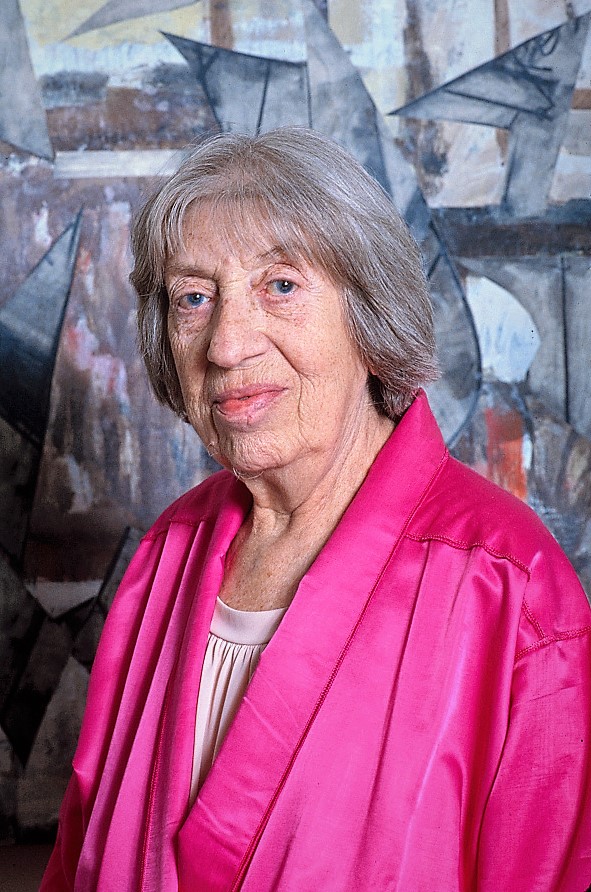 #62
#62
Lee Krasner
She sometimes destroys, cuts and reassembles her own paintings to revive their energy. His career reveals a constant ability to change scale, palette and vocabulary.
Read Lee Krasner's biography #63
#63
Helen Frankenthaler
By pouring diluted paint onto the unprepared canvas, it merges color and support. Its airy surfaces pave the way for color field while maintaining a landscape feel.
Read Helen Frankenthaler's biography #64
#64
Joan Mitchell
Its bundles of colored lines reflect less an observed landscape than a landscape retained by memory. Gestural vigor is balanced with breathing, whites and very controlled construction.
Read Joan Mitchell's biography #65
#65
Elaine de Kooning
She applies freedom of gesture to portraiture, notably in her series of seated men and John F. Kennedy. His critical writing also helped define the New York art scene.
Read the biography of Elaine de Kooning #66
#66
Grace Hartigan
She reintroduces objects, display cases and literary fragments into gestural painting in bold colors. This alliance of figuration and abstraction resists the overly narrow categories of the post-war period.
Read Grace Hartigan's biography #67
#67
Grandma Moses
Started late, his career transforms rural memories, seasons and village festivals into meticulous panoramas. Its worldwide success establishes a popular vision of American memory.
Read the biography of Grandma Moses #68
#68
Adolph Gottlieb
From pictographers to Bursts, he gradually reduces his vocabulary to a few signs charged with energy. His discs and shards combine meditative balance and visual explosion.
Read the biography of Adolph Gottlieb #69
#69
Philip Guston
After a recognized lyrical abstraction, he returns to deliberately clumsy shoes, light bulbs and hooded silhouettes. This reversal renews political and autobiographical painting.
Read the biography of Philip Guston #70
#70
Hans Hofmann
His push and pull theory explains how colors and shapes move the pictorial space forward or backward. A vibrant painter and influential professor, he connects the European avant-garde to New York.
Read the biography of Hans Hofmann #71
#71
Sam Francis
Spots, splashes and white reserves give his paintings a luminous breath. His work circulates between California, Paris and Japan, absorbing several traditions without losing its fluidity.
Read Sam Francis' biography #72
#72
Morris Louis
The very liquid paint crosses the raw canvas in colored sails, columns or streams. Louis replaces the visible gesture with gravity and impregnation, giving the color a monumental lightness.
Read the biography of Morris Louis #73
#73
Rockwell Kent
A traveler from the northern regions, he paints bare horizons where humans appear tiny in front of the world. His black and white illustrations diffuse a clear, heroic and immediately readable line.
Read Rockwell Kent's biography #74
#74
Jasper Johns
Flags, targets, numbers and maps are familiar enough to shift attention to the material and process. It makes strange what everyone thinks they already know.
Read the biography of Jasper Johns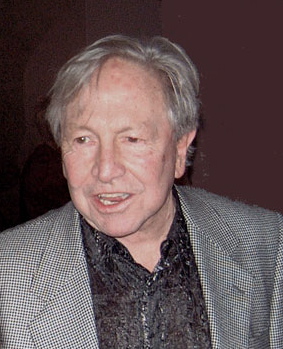 #75
#75
Robert rauschenberg
His Combines bring together painting, photography and found objects without hierarchy. He opens the work to the noise of the everyday world and prepares pop art as much as multimedia practices.
Read the biography of Robert RauschenbergPopular images and contemporary plurality
Ranks 76 to 100 - From pop art to current scenes
Words, media, identity, memory, gender and public space renew painting through contact with photography, collage, installation and visual culture.
 #76
#76
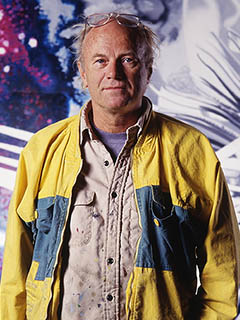
James Rosenquist
A former sign painter, he fragments cars, food, faces and weapons on an advertising scale. Image collisions transform the desire for consumption into an unstable political narrative.
Read the biography of James Rosenquist #77
#77
Robert Indiana
Short words, numbers and signage colors give his paintings the strength of public emblems. LOVE masks behind its apparent simplicity a reflection on desire, identity and circulation of images.
Read Robert Indiana's biography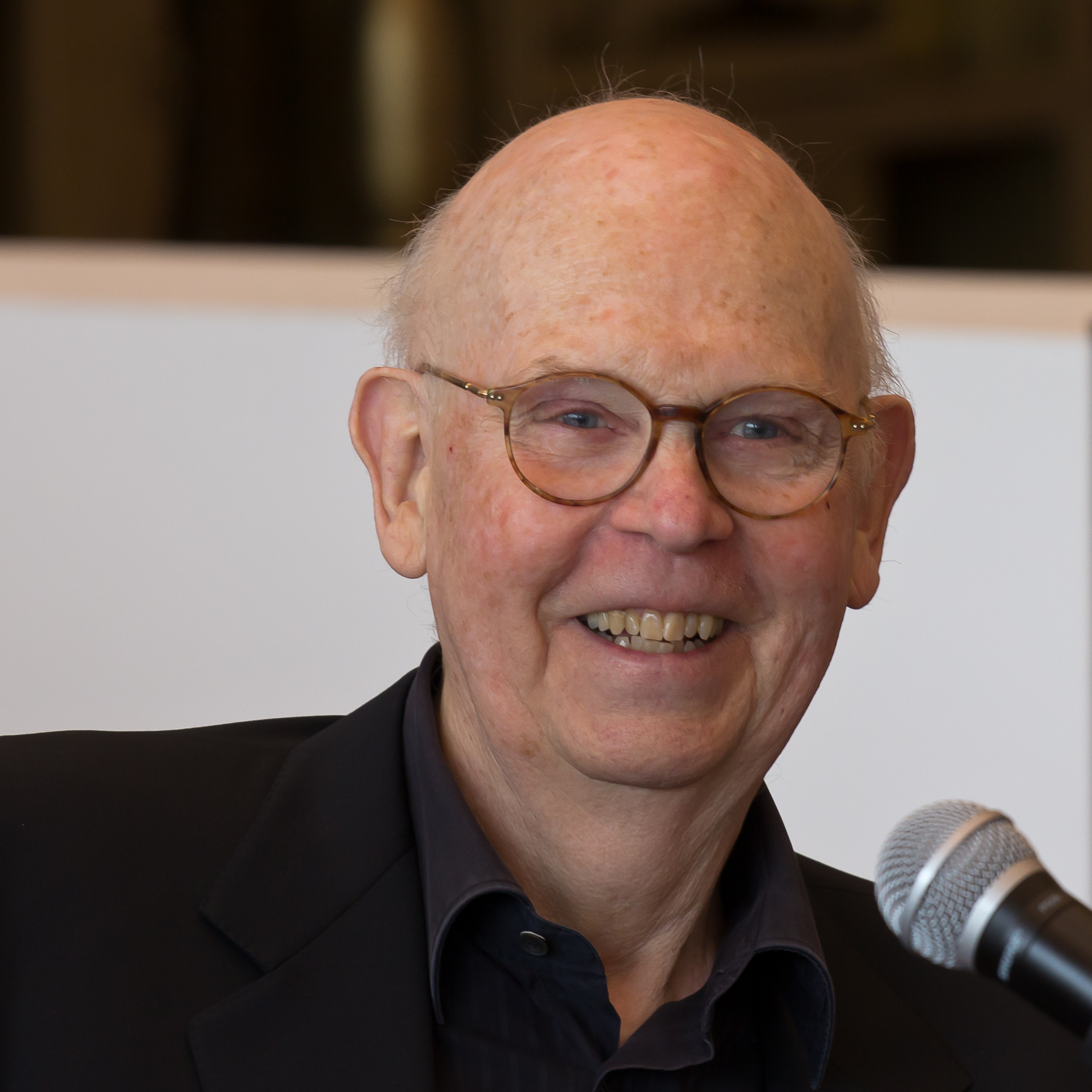 #78
#78
Claes Oldenburg
It enlarges hamburgers, clothespins and tools to the point of disrupting their material and function. Its soft objects and public monuments introduce humor, body and urban scale into pop art.
Read the biography of Claes Oldenburg #79
#79
Paul Cadmus
His precise tempera depicts male bodies, social satire and tensions of desire with resurgent virtuosity. Several works have provoked controversies which reveal their political acuity.
Read the biography of Paul Cadmus #80
#80
Frank Stella
From Black Paintings to baroque reliefs, he explores what a painting can become when shape, frame and surface coincide. His career moved from strict restraint to almost architectural expansion.
Read the biography of Frank Stella #81
#81
Ellsworth Kelly
It isolates a curve, shadow or architectural fragment to make it a self-contained colorful shape. Its panels give simplicity a sensual and spatial precision.
Read Ellsworth Kelly's biography #82
#82
Agnes Martin
Grids, pale lines and almost imperceptible bands require a slow gaze. Her painting does not describe the visible world: she seeks states of innocence, joy and calm.
Read the biography of Agnès Martin #83
#83
Cy Twombly
Graffiti, numbers, mythological names and drips give the canvas the appearance of a memory written on the wall. His gesture unites ancient erudition and physical spontaneity.
Read Cy Twombly's biography #84
#84
Brice Marden
From monochrome panels to calligraphic networks, he seeks dense color and body line. His late works allow the gaze to circulate in supple and meditative interlacing.
Read the biography of Brice Marden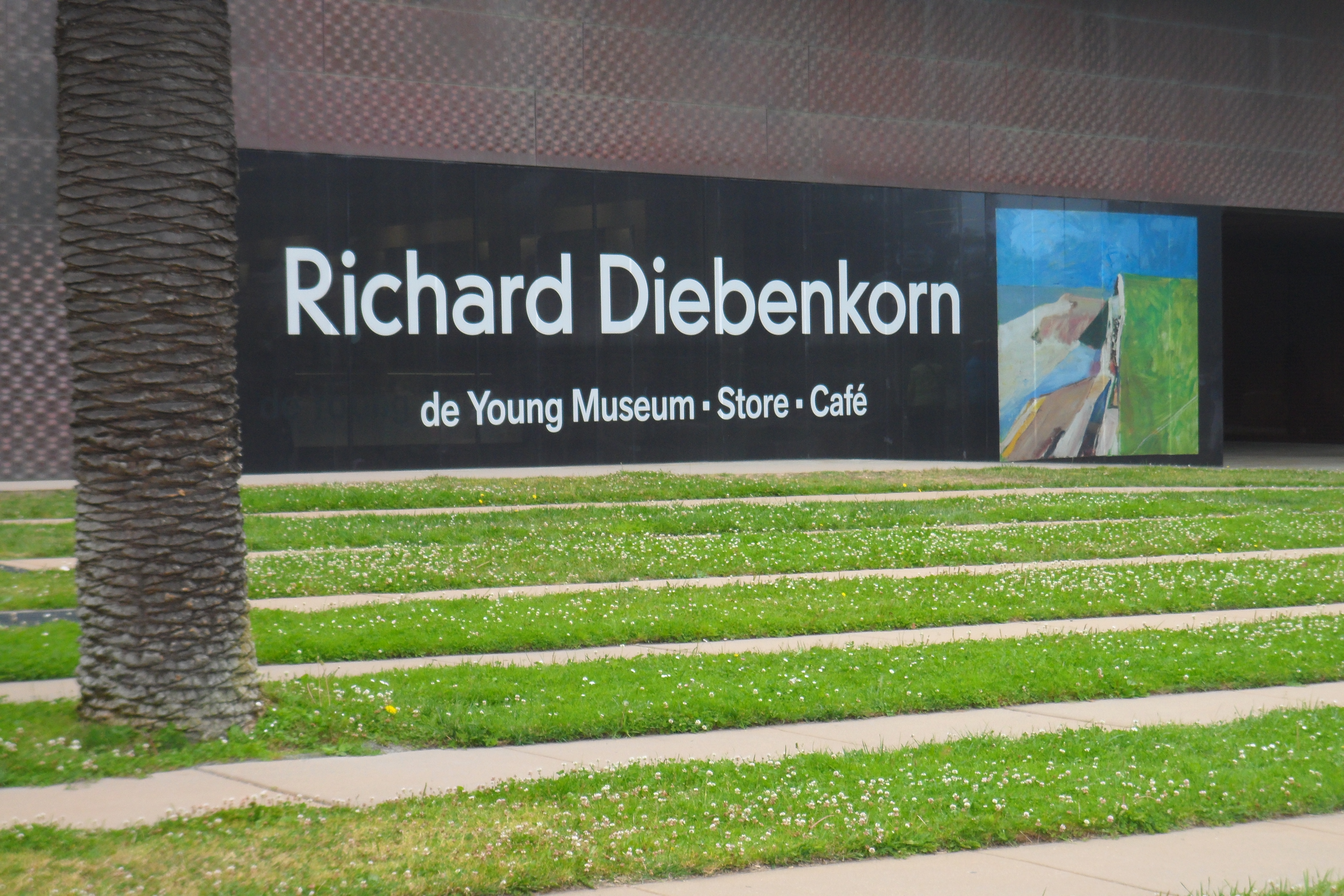 #85
#85
Richard Diebenkorn
It goes from abstraction to figure then returns to the large luminous constructions of Ocean Park. Windows, oblique planes and visible corrections maintain a balance between real space and surface.
Read the biography of Richard Diebenkorn #86
#86
Keith Haring
Its radiant silhouettes immediately make movement, desire, violence and solidarity readable. From the metro to public frescoes, it combines popular diffusion, activism against AIDS and graphic demands.
Read Keith Haring's biography #87
#87
Julian Schnabel
Broken plates, velvet and very large formats give his paintings a theatrical surface. He claims a cultured and physical painting at a time when his return seemed impossible.
Read Julian Schnabel's biography #88
#88
Eric Fischl
Swimming pools, suburbs and family interiors reveal psychological tensions behind American comfort. His scenes seem to capture the moment when an ordinary situation becomes disturbing.
Read the biography of Eric Fischl #89
#89
Joan Brown
Self-portraits, swimmers, animals and domestic scenes construct a frontal, funny and autobiographical world. Its frank color unites Californian daily life, symbolism and spiritual quest.
Read Joan Brown's biography #90
#90
Elizabeth Murray
His cut-out canvases burst cups, tables and bodies into comic book shapes. Visual humor never erases reflection on domestic space, tension and vulnerability.
Read the biography of Elizabeth Murray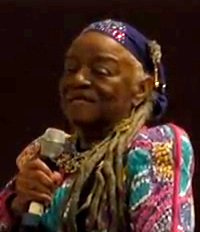 #91
#91
Faith Ringgold
His painted quilts bring together text, fabric and image to tell racism, family, history and emancipation. It transforms a devalued artisanal practice into a powerful political medium.
Read Faith Ringgold's biography #92
#92
Judy Chicago
Installations, ceramics and painting reinscribe the experience of women in monumental history. The Dinner Party remains a key work in its collective ambition and symbolic force.
Read Judy Chicago's biography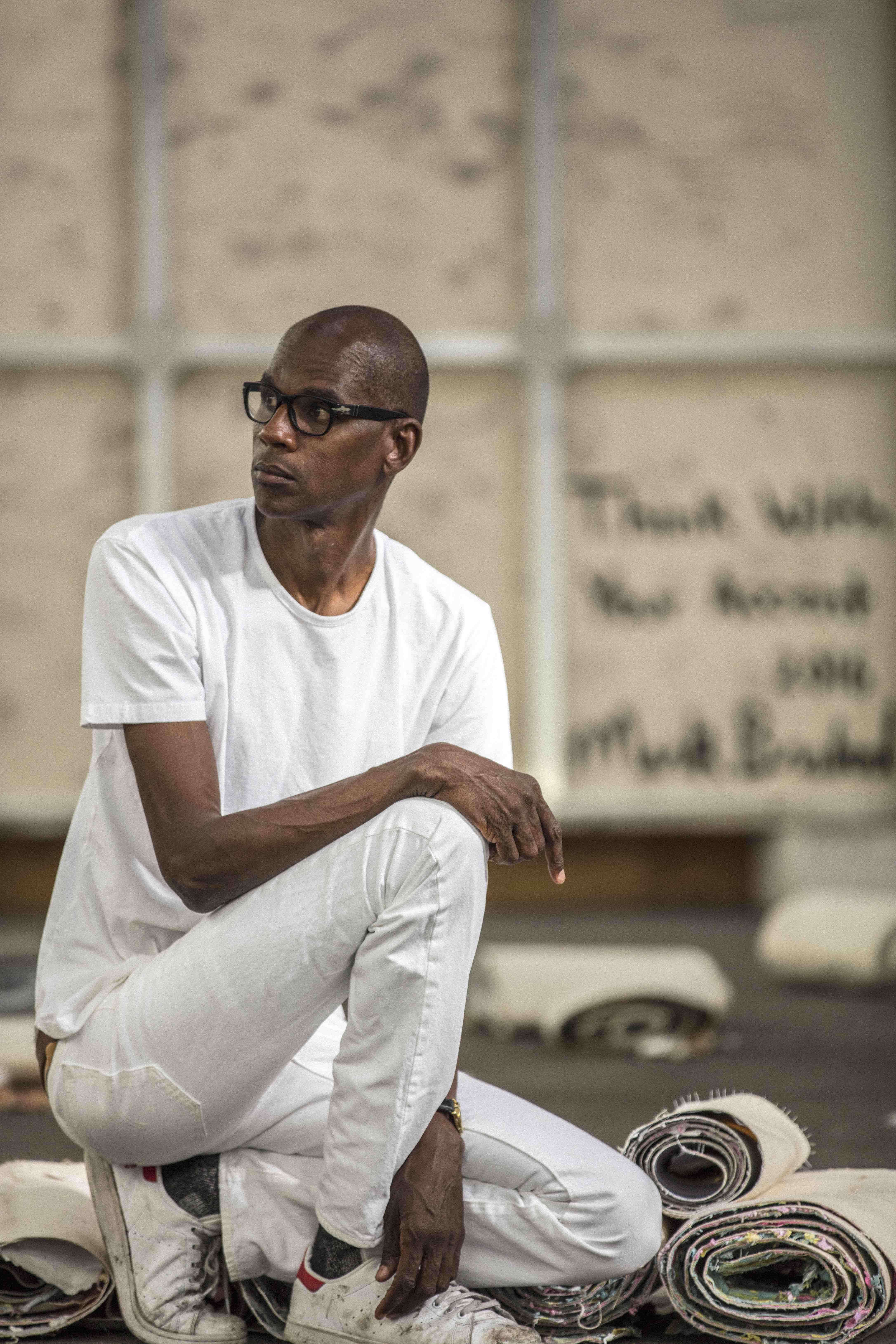 #93
#93
Mark Bradford
Posters, urban papers and sanded layers produce vast abstract maps. The city's visual network reveals circulation, segregation, economy and erasure of memory.
Read Mark Bradford's biography #94
#94
Amy Sherald
His black models pose in front of colorful backgrounds, with skin tones treated in gray. This chromatic distance shifts the codes of the official portrait towards a calm and sovereign presence.
Read Amy Sherald's biography #95
#95
Kehinde Wiley
He entrusts black models with the heroic poses of European painting, in front of invasive decorative motifs. The portrait becomes a debate about power, visibility and desire.
Read Kehinde Wiley's biography #96
#96
Kara Walker
Silhouettes, drawings and installations take elegant forms from the 19th century to confront slavery, sexuality and violence. The decorative contrast makes the stories all the more difficult to dodge.
Read Kara Walker's biography #97
#97
Ed Ruscha
Isolated words, gas stations and panoramas of Los Angeles are painted with dry irony. Ruscha treats language and road landscape as the true monuments of the contemporary West.
Read the biography of Ed Ruscha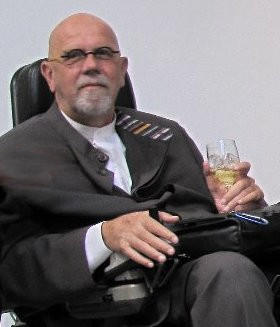 #98
#98
Chuck Close
It breaks down the face into grids, cells and colorful decisions while retaining the impact of the monumental portrait. His process shows how the overall image arises from almost abstract units.
Read Chuck Close's biography #99
#99
Alice Neel
Artists, neighbors, activists, pregnant women and children are painted with a nervous line and rare frankness. His portraits record both the vulnerability of the body and the relationship with the painter.
Read Alice Neel's biography #100
#100
Julie Mehretu
Maps, architectures, diagrams and superimposed gestures form accelerating spaces. His large canvases give a complex image of the migrations, conflicts and flows of the contemporary world.
Read Julie Mehretu's biographySources and extensions
Compare works in major American collections
The dates, movements and landmarks were cross-checked with the resources of reference museums.
Explore Alpha Reproduction
One hundred painters, several Americas
From Stuart to Sherald, portraiture continues to redefine who can occupy public space. From Cole to O'Keeffe, the territory moves from the national sublime to the interior landscape. From Hopper to Basquiat, the city becomes solitude, rhythm, conflict and memory. From Pollock to Frankenthaler, the canvas records the gesture or diffusion of color; from Warhol to Ruscha, the media and words become there very material of art.
This Top 100 is therefore less of a closed podium than a circulation map. Start with the four figures in the title, then follow a thread: the Hudson River School, the modernists, the Harlem Renaissance, the Ashcan School painters, abstract expressionism, pop art or contemporary portraits. Verified links allow each discovery to be directly extended.
0 comments