Top 50 — Surrealists

Top 50 Famous Surrealist Painters

Salvador Dalí, René Magritte, Max Ernst, Joan Miró and other essential figures in the ranking

This guide brings together 50 artists to situate the Surrealists within the history of painting: influences, landmark works, distinctive gestures, and links to available collections.

Wikimedia CommonsWikidataMuseum CollectionsAlpha Reproduction
50 biographical entries reviewed and structured
2026 editorial update
2 images sourced by artist when available
2026 Edition Exhibition The History of Not Laughing, surrealism in Belgium
50
Artists

Alpha Reproduction Editorial Ranking

Context

What makes these painters essential?

This ranking is not a sports leaderboard. It serves as a reading map: to understand the major artists, their lineages, their landmark works, and the way each name continues to matter in the visual imagination.

The entries favor clear, embodied, and verifiable writing. Each artist is presented with biographical landmarks, their pictorial gesture, an iconic work, and, when available, an associated collection of reproductions.

The ranks help you navigate the page. They take nothing away from the painters placed lower down: some are founders, others are transmitters, heirs, or peripheral figures without whom the movement would lose part of its depth.

Selection #1 to #10

Landmarks, lineages and works to know

This section brings together ranks 1 to 10. It offers a way to explore the movement step by step, keeping together the artists who share the same family of forms, subjects or influence.

#1Salvador Dalí

1904-1989 · Spanish · surrealism
Salvador Dalí is one of the useful landmarks for understanding surrealism, because his work does not simply add strangeness to painting. He turns the dream into exact theater: melting watches, Catalan horizons, impossible objects and cold virtuosity. Landmarks: 1904-1989 · Spanish · surrealism. What matters here is the way the image slides reality toward an inner logic: displaced objects, recomposed bodies, mental landscapes, floating signs or scenes of an almost unsettling clarity. Surrealism then functions as a method of looking. It reveals the hidden associations, desires, fears and memories that circulate beneath the surface of ordinary things. In Salvador Dalí, this method takes a singular form: sometimes theatrical, sometimes silent, sometimes close to collage, automatism or metamorphosis. His role in this ranking is therefore not merely decorative. He helps situate a family of images that shook up the 20th century and continues to influence today's visual culture. For a reader or a collector, this entry serves as a point of entry: to recognize a signature, understand a lineage and compare works with greater attention.
Read on Wikipedia Salvador Dalí

#2René Magritte

1898-1967 · Belgian · surrealism
René Magritte is one of the useful landmarks for understanding surrealism, because his work does not simply add strangeness to painting. He shifts the simplest things to the point of vertigo: pipe, apple, blue sky, curtain, man in a bowler hat. Landmarks: 1898-1967 · Belgian · surrealism. What matters here is the way the image slides reality toward an inner logic: displaced objects, recomposed bodies, mental landscapes, floating signs or scenes of an almost unsettling clarity. Surrealism then functions as a method of looking. It reveals the hidden associations, desires, fears and memories that circulate beneath the surface of ordinary things. In René Magritte, this method takes a singular form: sometimes theatrical, sometimes silent, sometimes close to collage, automatism or metamorphosis. His role in this ranking is therefore not merely decorative. He helps situate a family of images that shook up the 20th century and continues to influence today's visual culture. For a reader or a collector, this entry serves as a point of entry: to recognize a signature, understand a lineage and compare works with greater attention.
Read on Wikipedia René Magritte

#3Max Ernst

1891-1976 · German then French · surrealism
Max Ernst is one of the key reference points for understanding surrealism, because his work does not simply add the strange to painting. Frottage, collage, mental forests: he brings elegant monsters to life in the secret mechanics of images. Key dates: 1891-1976 · German then French · surrealism. What matters here is the way the image shifts reality toward an inner logic: displaced objects, recomposed bodies, mental landscapes, floating signs, or scenes of an almost unsettling clarity. Surrealism then functions as a way of seeing. It reveals the hidden associations, desires, fears, and memories that circulate beneath the surface of ordinary things. In Max Ernst's work, this method takes a singular form: sometimes theatrical, sometimes silent, sometimes close to collage, automatism, or metamorphosis. His role in this ranking is therefore not merely decorative. He helps situate a family of images that shook the 20th century and continues to influence today's visual culture. For a reader or a collector, this entry serves as a point of departure: recognizing a signature, understanding a lineage, and comparing works with greater attention.
Read on Wikipedia Max Ernst

#4Joan Miró

1893-1983 · Spanish · surrealism
Joan Miró is one of the key reference points for understanding surrealism, because his work does not simply add the strange to painting. He gives signs a cosmic freedom: stars, birds, women, and constellations become a language of painting. Key dates: 1893-1983 · Spanish · surrealism. What matters here is the way the image shifts reality toward an inner logic: displaced objects, recomposed bodies, mental landscapes, floating signs, or scenes of an almost unsettling clarity. Surrealism then functions as a way of seeing. It reveals the hidden associations, desires, fears, and memories that circulate beneath the surface of ordinary things. In Joan Miró's work, this method takes a singular form: sometimes theatrical, sometimes silent, sometimes close to collage, automatism, or metamorphosis. His role in this ranking is therefore not merely decorative. He helps situate a family of images that shook the 20th century and continues to influence today's visual culture. For a reader or a collector, this entry serves as a point of departure: recognizing a signature, understanding a lineage, and comparing works with greater attention.
Read on Wikipedia Joan Miró

#5Giorgio de Chirico

1888-1978 · Italian · metaphysical painting
Giorgio de Chirico is one of the key reference points for understanding surrealism, because his work does not simply add the strange to painting. His empty piazzas, statues, and silent perspectives open the mental door that the surrealists would later walk through. Key dates: 1888-1978 · Italian · metaphysical painting. What matters here is the way the image shifts reality toward an inner logic: displaced objects, recomposed bodies, mental landscapes, floating signs, or scenes of an almost unsettling clarity. Surrealism then functions as a way of seeing. It reveals the hidden associations, desires, fears, and memories that circulate beneath the surface of ordinary things. In Giorgio de Chirico's work, this method takes a singular form: sometimes theatrical, sometimes silent, sometimes close to collage, automatism, or metamorphosis. His role in this ranking is therefore not merely decorative. He helps situate a family of images that shook the 20th century and continues to influence today's visual culture. For a reader or a collector, this entry serves as a point of departure: recognizing a signature, understanding a lineage, and comparing works with greater attention.
Read on Wikipedia Giorgio de Chirico

#6Yves Tanguy

1900-1955 · French then American · surrealism
Yves Tanguy is one of the key reference points for understanding surrealism, because his work does not simply add the strange to painting. He invents landscapes without geography, populated by mineral shapes like memories from another planet. Key dates: 1900-1955 · French then American · surrealism. What matters here is the way the image shifts reality toward an inner logic: displaced objects, recomposed bodies, mental landscapes, floating signs, or scenes of an almost unsettling clarity. Surrealism then functions as a way of seeing. It reveals the hidden associations, desires, fears, and memories that circulate beneath the surface of ordinary things. In Yves Tanguy's work, this method takes a singular form: sometimes theatrical, sometimes silent, sometimes close to collage, automatism, or metamorphosis. His role in this ranking is therefore not merely decorative. He helps situate a family of images that shook the 20th century and continues to influence today's visual culture. For a reader or a collector, this entry serves as a point of departure: recognizing a signature, understanding a lineage, and comparing works with greater attention.
View the Yves Tanguy collection

#7André Masson

1896-1987 · French · surrealism
André Masson stands as one of the useful reference points for understanding surrealism, because his work does not simply add the strange to painting. His nervous automatism, lines of desire, and mythological scenes give surrealism a volcanic energy. Key facts: 1896-1987 · French · surrealism. What matters here is the way the image slides reality toward an inner logic: displaced objects, recomposed bodies, mental landscapes, floating signs, or scenes of an almost unsettling clarity. Surrealism then operates as a method of looking. It reveals the hidden associations, desires, fears, and memories that circulate beneath the surface of ordinary things. In André Masson's hands, this method takes a singular form: sometimes theatrical, sometimes silent, sometimes close to collage, automatism, or metamorphosis. His role in this ranking is therefore not merely decorative. He helps situate a family of images that upended the 20th century and continues to shape visual culture today. For a reader or collector, this entry serves as a point of entry: recognizing a signature, understanding a lineage, and comparing works with greater attention.
Read on Wikipedia André Masson

#8Paul Delvaux

1897-1994 · Belgian · surrealism
Paul Delvaux stands as one of the useful reference points for understanding surrealism, because his work does not simply add the strange to painting. He places sleepwalking women in stations, ruins, and classical nights where everything seems calm and unsettling. Key facts: 1897-1994 · Belgian · surrealism. What matters here is the way the image slides reality toward an inner logic: displaced objects, recomposed bodies, mental landscapes, floating signs, or scenes of an almost unsettling clarity. Surrealism then operates as a method of looking. It reveals the hidden associations, desires, fears, and memories that circulate beneath the surface of ordinary things. In Paul Delvaux's hands, this method takes a singular form: sometimes theatrical, sometimes silent, sometimes close to collage, automatism, or metamorphosis. His role in this ranking is therefore not merely decorative. He helps situate a family of images that upended the 20th century and continues to shape visual culture today. For a reader or collector, this entry serves as a point of entry: recognizing a signature, understanding a lineage, and comparing works with greater attention.
Read on Wikipedia Paul Delvaux

#9Leonora Carrington

1917-2011 · British then Mexican · surrealism
Leonora Carrington stands as one of the useful reference points for understanding surrealism, because her work does not simply add the strange to painting. She populated the movement with hybrid creatures, rituals, magical kitchens, and an independent feminine mythology. Key facts: 1917-2011 · British then Mexican · surrealism. What matters here is the way the image slides reality toward an inner logic: displaced objects, recomposed bodies, mental landscapes, floating signs, or scenes of an almost unsettling clarity. Surrealism then operates as a method of looking. It reveals the hidden associations, desires, fears, and memories that circulate beneath the surface of ordinary things. In Leonora Carrington's hands, this method takes a singular form: sometimes theatrical, sometimes silent, sometimes close to collage, automatism, or metamorphosis. Her role in this ranking is therefore not merely decorative. She helps situate a family of images that upended the 20th century and continues to shape visual culture today. For a reader or collector, this entry serves as a point of entry: recognizing a signature, understanding a lineage, and comparing works with greater attention.
Read on Wikipedia Leonora Carrington

#10Remedios Varo

1908-1963 · Spanish then Mexican · surrealism
Remedios Varo stands as one of the useful reference points for understanding surrealism, because her work does not simply add the strange to painting. She painted laboratories of intimate alchemy, where machines, dresses, and architectures serve inner metamorphosis. Key facts: 1908-1963 · Spanish then Mexican · surrealism. What matters here is the way the image slides reality toward an inner logic: displaced objects, recomposed bodies, mental landscapes, floating signs, or scenes of an almost unsettling clarity. Surrealism then operates as a method of looking. It reveals the hidden associations, desires, fears, and memories that circulate beneath the surface of ordinary things. In Remedios Varo's hands, this method takes a singular form: sometimes theatrical, sometimes silent, sometimes close to collage, automatism, or metamorphosis. Her role in this ranking is therefore not merely decorative. She helps situate a family of images that upended the 20th century and continues to shape visual culture today. For a reader or collector, this entry serves as a point of entry: recognizing a signature, understanding a lineage, and comparing works with greater attention.
Read on Wikipedia Remedios Varo

Selection #11 to #20

Landmarks, lineages and works to know

This section brings together ranks 11 to 20. It lets you move through the movement step by step, keeping together the artists who share a common family of forms, subjects or influence.
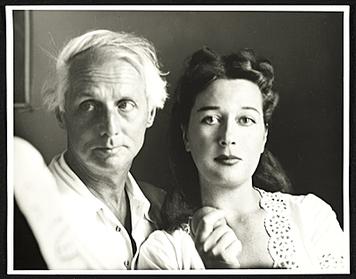
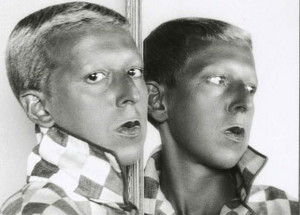
#11Dorothea Tanning

1910-2012 · American · Surrealism
Dorothea Tanning is one of the useful landmarks for understanding Surrealism, because her work does not merely add the strange to painting. She opens rooms where childhood, desire and textile bodies trouble the boundaries of the real. Landmarks: 1910-2012 · American · Surrealism. What matters here is the way the image slides reality toward an inner logic: displaced objects, recomposed bodies, mental landscapes, floating signs or scenes of an almost unsettling clarity. Surrealism then works as a method of seeing. It reveals the hidden associations, desires, fears and memories that circulate beneath the surface of ordinary things. In Dorothea Tanning's hands, this method takes a singular form: sometimes theatrical, sometimes silent, sometimes close to collage, automatism or metamorphosis. Her role in this ranking is therefore not merely decorative. It helps situate a family of images that shook the 20th century and continues to shape today's visual culture. For a reader or collector, this entry serves as a point of entry: recognizing a signature, understanding a lineage, and comparing works with greater attention.
Read on Wikipedia Dorothea Tanning

#12Man Ray

1890-1976 · American · Dadaism and Surrealism
Man Ray is one of the useful landmarks for understanding Surrealism, because his work does not merely add the strange to painting. A painter, photographer and inventor of images, he shifts the everyday object from the studio into the waking dream. Landmarks: 1890-1976 · American · Dadaism and Surrealism. What matters here is the way the image slides reality toward an inner logic: displaced objects, recomposed bodies, mental landscapes, floating signs or scenes of an almost unsettling clarity. Surrealism then works as a method of seeing. It reveals the hidden associations, desires, fears and memories that circulate beneath the surface of ordinary things. In Man Ray's hands, this method takes a singular form: sometimes theatrical, sometimes silent, sometimes close to collage, automatism or metamorphosis. His role in this ranking is therefore not merely decorative. It helps situate a family of images that shook the 20th century and continues to shape today's visual culture. For a reader or collector, this entry serves as a point of entry: recognizing a signature, understanding a lineage, and comparing works with greater attention.
Read on Wikipedia Man Ray

#13Francis Picabia

1879-1953 · French · Dadaism and Surrealism
Francis Picabia is one of the useful landmarks for understanding Surrealism, because his work does not merely add the strange to painting. A chameleon of the avant-garde, he blurs machine, irony, transparency and desire with an almost insolent freedom. Landmarks: 1879-1953 · French · Dadaism and Surrealism. What matters here is the way the image slides reality toward an inner logic: displaced objects, recomposed bodies, mental landscapes, floating signs or scenes of an almost unsettling clarity. Surrealism then works as a method of seeing. It reveals the hidden associations, desires, fears and memories that circulate beneath the surface of ordinary things. In Francis Picabia's hands, this method takes a singular form: sometimes theatrical, sometimes silent, sometimes close to collage, automatism or metamorphosis. His role in this ranking is therefore not merely decorative. It helps situate a family of images that shook the 20th century and continues to shape today's visual culture. For a reader or collector, this entry serves as a point of entry: recognizing a signature, understanding a lineage, and comparing works with greater attention.
View the Francis Picabia collection

#14Jean Arp

1886-1966 · Franco-German · Dadaism and Surrealism
Jean Arp is one of the useful landmarks for understanding Surrealism, because his work does not simply add the strange to painting. His organic forms seem to grow on their own, between chance, abstract humor, and biomorphic poetry. Key facts: 1886-1966 · Franco-German · Dadaism and Surrealism. What matters here is the way the image slides reality toward an inner logic: displaced objects, recomposed bodies, mental landscapes, floating signs, or scenes of an almost unsettling clarity. Surrealism then works as a method of looking. It reveals the hidden associations, desires, fears, and memories that circulate beneath the surface of ordinary things. In Jean Arp's work, this method takes a singular form: sometimes theatrical, sometimes silent, sometimes close to collage, automatism, or metamorphosis. His role in this ranking is therefore not merely decorative. It helps situate a family of images that shook the 20th century and continues to influence visual culture today. For a reader or collector, this entry serves as a point of entry: recognize a signature, understand a lineage, and compare works with greater attention.
Read on Wikipedia Jean Arp

#15Victor Brauner

1903-1966 · Romanian · Surrealism
Victor Brauner is one of the useful landmarks for understanding Surrealism, because his work does not simply add the strange to painting. He blends myths, occult signs, and visionary self-portraits into a painting of omens and doubles. Key facts: 1903-1966 · Romanian · Surrealism. What matters here is the way the image slides reality toward an inner logic: displaced objects, recomposed bodies, mental landscapes, floating signs, or scenes of an almost unsettling clarity. Surrealism then works as a method of looking. It reveals the hidden associations, desires, fears, and memories that circulate beneath the surface of ordinary things. In Victor Brauner's work, this method takes a singular form: sometimes theatrical, sometimes silent, sometimes close to collage, automatism, or metamorphosis. His role in this ranking is therefore not merely decorative. It helps situate a family of images that shook the 20th century and continues to influence visual culture today. For a reader or collector, this entry serves as a point of entry: recognize a signature, understand a lineage, and compare works with greater attention.
Read on Wikipedia Victor Brauner

#16Wifredo Lam

1902-1982 · Cuban · Surrealism
Wifredo Lam is one of the useful landmarks for understanding Surrealism, because his work does not simply add the strange to painting. He connects the European avant-garde to Afro-Cuban mythologies, with hybrid figures of ritualistic force. Key facts: 1902-1982 · Cuban · Surrealism. What matters here is the way the image slides reality toward an inner logic: displaced objects, recomposed bodies, mental landscapes, floating signs, or scenes of an almost unsettling clarity. Surrealism then works as a method of looking. It reveals the hidden associations, desires, fears, and memories that circulate beneath the surface of ordinary things. In Wifredo Lam's work, this method takes a singular form: sometimes theatrical, sometimes silent, sometimes close to collage, automatism, or metamorphosis. His role in this ranking is therefore not merely decorative. It helps situate a family of images that shook the 20th century and continues to influence visual culture today. For a reader or collector, this entry serves as a point of entry: recognize a signature, understand a lineage, and compare works with greater attention.
Read on Wikipedia Wifredo Lam

#17Roberto Matta

1911-2002 · Chilean · Surrealism
Roberto Matta is one of the useful landmarks for understanding Surrealism, because his work does not simply add the strange to painting. His psychological spaces explode into networks, machines, and mental galaxies that foreshadow postwar abstraction. Key facts: 1911-2002 · Chilean · Surrealism. What matters here is the way the image slides reality toward an inner logic: displaced objects, recomposed bodies, mental landscapes, floating signs, or scenes of an almost unsettling clarity. Surrealism then works as a method of looking. It reveals the hidden associations, desires, fears, and memories that circulate beneath the surface of ordinary things. In Roberto Matta's work, this method takes a singular form: sometimes theatrical, sometimes silent, sometimes close to collage, automatism, or metamorphosis. His role in this ranking is therefore not merely decorative. It helps situate a family of images that shook the 20th century and continues to influence visual culture today. For a reader or collector, this entry serves as a point of entry: recognize a signature, understand a lineage, and compare works with greater attention.
Read on Wikipedia Roberto Matta

#18Kay Sage

1898-1963 · American · Surrealism
Kay Sage counts among the useful reference points for understanding surrealism, because her work does not merely add the strange to painting. She erects deserted, veiled, almost military architectures, where solitude becomes a constructed landscape. Key facts: 1898-1963 · American · surrealism. What matters here is the way the image slides reality toward an inner logic: displaced objects, recomposed bodies, mental landscapes, floating signs, or scenes of an almost unsettling clarity. Surrealism then functions as a method of looking. It reveals the hidden associations, desires, fears, and memories that circulate beneath the surface of ordinary things. In Kay Sage, this method takes a singular form: sometimes theatrical, sometimes silent, sometimes close to collage, automatism, or metamorphosis. Her role in this ranking is therefore not merely decorative. It helps situate a family of images that shook the 20th century and continues to influence visual culture today. For a reader or collector, this notice serves as an entry point: recognize a signature, understand a lineage, and compare works with greater attention.
Read on Wikipedia Kay Sage

#19Óscar Domínguez

1906-1957 · Spanish · surrealism
Óscar Domínguez counts among the useful reference points for understanding surrealism, because his work does not merely add the strange to painting. He brought the group decalcomania, the volcanic visions of the Canaries, and a very physical taste for chance. Key facts: 1906-1957 · Spanish · surrealism. What matters here is the way the image slides reality toward an inner logic: displaced objects, recomposed bodies, mental landscapes, floating signs, or scenes of an almost unsettling clarity. Surrealism then functions as a method of looking. It reveals the hidden associations, desires, fears, and memories that circulate beneath the surface of ordinary things. In Óscar Domínguez, this method takes a singular form: sometimes theatrical, sometimes silent, sometimes close to collage, automatism, or metamorphosis. His role in this ranking is therefore not merely decorative. It helps situate a family of images that shook the 20th century and continues to influence visual culture today. For a reader or collector, this notice serves as an entry point: recognize a signature, understand a lineage, and compare works with greater attention.
Read on Wikipedia Óscar Domínguez

#20Eileen Agar

1899-1991 · British · surrealism
Eileen Agar counts among the useful reference points for understanding surrealism, because her work does not merely add the strange to painting. She blends collage, painting, and found objects with a marine, playful, sensual, and experimental grace. Key facts: 1899-1991 · British · surrealism. What matters here is the way the image slides reality toward an inner logic: displaced objects, recomposed bodies, mental landscapes, floating signs, or scenes of an almost unsettling clarity. Surrealism then functions as a method of looking. It reveals the hidden associations, desires, fears, and memories that circulate beneath the surface of ordinary things. In Eileen Agar, this method takes a singular form: sometimes theatrical, sometimes silent, sometimes close to collage, automatism, or metamorphosis. Her role in this ranking is therefore not merely decorative. It helps situate a family of images that shook the 20th century and continues to influence visual culture today. For a reader or collector, this notice serves as an entry point: recognize a signature, understand a lineage, and compare works with greater attention.
Read on Wikipedia Eileen Agar

Selection #21 to #30

Reference points, lineages, and works to know

This section gathers ranks 21 to 30. It allows you to move through the movement step by step, keeping together the artists who share the same family of forms, subjects, or influence.

#21Toyen

1902-1980 · Czech · surrealism
Toyen counts among the useful reference points for understanding surrealism, because her work does not merely add the strange to painting. A major figure in Prague, Toyen paints desire, night, and war with a precision that is both tender and cutting. Key facts: 1902-1980 · Czech · surrealism. What matters here is the way the image slides reality toward an inner logic: displaced objects, recomposed bodies, mental landscapes, floating signs, or scenes of an almost unsettling clarity. Surrealism then functions as a method of looking. It reveals the hidden associations, desires, fears, and memories that circulate beneath the surface of ordinary things. In Toyen, this method takes a singular form: sometimes theatrical, sometimes silent, sometimes close to collage, automatism, or metamorphosis. Her role in this ranking is therefore not merely decorative. It helps situate a family of images that shook the 20th century and continues to influence visual culture today. For a reader or collector, this notice serves as an entry point: recognize a signature, understand a lineage, and compare works with greater attention.
Read on Wikipedia Toyen

#22Meret Oppenheim

1913-1985 · Swiss · Surrealism
Meret Oppenheim counts among the useful reference points for understanding Surrealism, because her work does not simply add the strange to painting. She turns a cup into a tactile trap and makes the Surrealist object an elegant weapon against habits. Reference points: 1913-1985 · Swiss · Surrealism. What matters here is the way the image lets reality slide toward an inner logic: displaced objects, recomposed bodies, mental landscapes, floating signs, or scenes of an almost unsettling clarity. Surrealism then functions as a method of looking. It reveals the hidden associations, desires, fears, and memories that circulate beneath the surface of ordinary things. In Meret Oppenheim, this method takes a singular form: sometimes theatrical, sometimes silent, sometimes close to collage, automatism, or metamorphosis. Her role in this ranking is therefore not merely decorative. It helps situate a family of images that upended the 20th century and continues to influence contemporary visual culture. For a reader or a collector, this entry serves as a point of entry: recognize a signature, understand a lineage, and compare works with greater attention.
Read on Wikipedia Meret Oppenheim

#23Hans Bellmer

1902-1975 · German · Surrealism
Hans Bellmer counts among the useful reference points for understanding Surrealism, because his work does not simply add the strange to painting. His disarticulated dolls shift the body toward the uncanny, between sculpture, drawing, and critical fantasy. Reference points: 1902-1975 · German · Surrealism. What matters here is the way the image lets reality slide toward an inner logic: displaced objects, recomposed bodies, mental landscapes, floating signs, or scenes of an almost unsettling clarity. Surrealism then functions as a method of looking. It reveals the hidden associations, desires, fears, and memories that circulate beneath the surface of ordinary things. In Hans Bellmer, this method takes a singular form: sometimes theatrical, sometimes silent, sometimes close to collage, automatism, or metamorphosis. His role in this ranking is therefore not merely decorative. It helps situate a family of images that upended the 20th century and continues to influence contemporary visual culture. For a reader or a collector, this entry serves as a point of entry: recognize a signature, understand a lineage, and compare works with greater attention.
Read on Wikipedia Hans Bellmer

#24Alberto Giacometti

1901-1966 · Swiss · Surrealism
Alberto Giacometti counts among the useful reference points for understanding Surrealism, because his work does not simply add the strange to painting. Before his thread-like silhouettes, his Surrealist objects give desire a hard, fragile, and threatening presence. Reference points: 1901-1966 · Swiss · Surrealism. What matters here is the way the image lets reality slide toward an inner logic: displaced objects, recomposed bodies, mental landscapes, floating signs, or scenes of an almost unsettling clarity. Surrealism then functions as a method of looking. It reveals the hidden associations, desires, fears, and memories that circulate beneath the surface of ordinary things. In Alberto Giacometti, this method takes a singular form: sometimes theatrical, sometimes silent, sometimes close to collage, automatism, or metamorphosis. His role in this ranking is therefore not merely decorative. It helps situate a family of images that upended the 20th century and continues to influence contemporary visual culture. For a reader or a collector, this entry serves as a point of entry: recognize a signature, understand a lineage, and compare works with greater attention.
Read on Wikipedia Alberto Giacometti

#25Frida Kahlo

1907-1954 · Mexican · Magic Realism and Surrealism
Frida Kahlo counts among the useful reference points for understanding Surrealism, because her work does not simply add the strange to painting. She refuses the label, but her wounded self-portraits meet the dream through the intensity of the lived symbol. Reference points: 1907-1954 · Mexican · Magic Realism and Surrealism. What matters here is the way the image lets reality slide toward an inner logic: displaced objects, recomposed bodies, mental landscapes, floating signs, or scenes of an almost unsettling clarity. Surrealism then functions as a method of looking. It reveals the hidden associations, desires, fears, and memories that circulate beneath the surface of ordinary things. In Frida Kahlo, this method takes a singular form: sometimes theatrical, sometimes silent, sometimes close to collage, automatism, or metamorphosis. Her role in this ranking is therefore not merely decorative. It helps situate a family of images that upended the 20th century and continues to influence contemporary visual culture. For a reader or a collector, this entry serves as a point of entry: recognize a signature, understand a lineage, and compare works with greater attention.
View the Frida Kahlo collection

#26Kurt Seligmann

1900-1962 · Swiss-American · Surrealism
Kurt Seligmann is among the useful reference points for understanding Surrealism, because his work does not merely add the strange to painting. He brings the movement armor, rituals, and esoteric figures, like a heraldic theater of the subconscious. Reference points: 1900-1962 · Swiss-American · Surrealism. What matters here is the way the image lets the real slide toward an inner logic: displaced objects, recomposed bodies, mental landscapes, floating signs, or scenes of an almost unsettling clarity. Surrealism then functions as a method of looking. It reveals the hidden associations, desires, fears, and memories that circulate beneath the surface of ordinary things. In Kurt Seligmann, this method takes a singular form: sometimes theatrical, sometimes silent, sometimes close to collage, automatism, or metamorphosis. His role in this ranking is therefore not merely decorative. It helps situate a family of images that shook the 20th century and continues to influence today's visual culture. For a reader or a collector, this entry serves as a point of entry: to recognize a signature, understand a lineage, and compare works with greater attention.
Read on Wikipedia Kurt Seligmann

#27Wolfgang Paalen

1905-1959 · Austrian then Mexican · Surrealism
Wolfgang Paalen is among the useful reference points for understanding Surrealism, because his work does not merely add the strange to painting. He invented fumage, animated surfaces with the trace of fire, and connected Surrealism, Mexico, and abstraction. Reference points: 1905-1959 · Austrian then Mexican · Surrealism. What matters here is the way the image lets the real slide toward an inner logic: displaced objects, recomposed bodies, mental landscapes, floating signs, or scenes of an almost unsettling clarity. Surrealism then functions as a method of looking. It reveals the hidden associations, desires, fears, and memories that circulate beneath the surface of ordinary things. In Wolfgang Paalen, this method takes a singular form: sometimes theatrical, sometimes silent, sometimes close to collage, automatism, or metamorphosis. His role in this ranking is therefore not merely decorative. It helps situate a family of images that shook the 20th century and continues to influence today's visual culture. For a reader or a collector, this entry serves as a point of entry: to recognize a signature, understand a lineage, and compare works with greater attention.
Read on Wikipedia Wolfgang Paalen

#28Jacqueline Lamba

1910-1993 · French · Surrealism
Jacqueline Lamba is among the useful reference points for understanding Surrealism, because her work does not merely add the strange to painting. A painter and swimmer of light, she builds inner landscapes where color retains an aquatic vibration. Reference points: 1910-1993 · French · Surrealism. What matters here is the way the image lets the real slide toward an inner logic: displaced objects, recomposed bodies, mental landscapes, floating signs, or scenes of an almost unsettling clarity. Surrealism then functions as a method of looking. It reveals the hidden associations, desires, fears, and memories that circulate beneath the surface of ordinary things. In Jacqueline Lamba, this method takes a singular form: sometimes theatrical, sometimes silent, sometimes close to collage, automatism, or metamorphosis. Her role in this ranking is therefore not merely decorative. It helps situate a family of images that shook the 20th century and continues to influence today's visual culture. For a reader or a collector, this entry serves as a point of entry: to recognize a signature, understand a lineage, and compare works with greater attention.
Read on Wikipedia Jacqueline Lamba

#29Alice Rahon

1904-1987 · French then Mexican · Surrealism
Alice Rahon is among the useful reference points for understanding Surrealism, because her work does not merely add the strange to painting. A poet turned painter, she transforms signs, sand, myths, and Mexican memory into mysterious surfaces. Reference points: 1904-1987 · French then Mexican · Surrealism. What matters here is the way the image lets the real slide toward an inner logic: displaced objects, recomposed bodies, mental landscapes, floating signs, or scenes of an almost unsettling clarity. Surrealism then functions as a method of looking. It reveals the hidden associations, desires, fears, and memories that circulate beneath the surface of ordinary things. In Alice Rahon, this method takes a singular form: sometimes theatrical, sometimes silent, sometimes close to collage, automatism, or metamorphosis. Her role in this ranking is therefore not merely decorative. It helps situate a family of images that shook the 20th century and continues to influence today's visual culture. For a reader or a collector, this entry serves as a point of entry: to recognize a signature, understand a lineage, and compare works with greater attention.
Read on Wikipedia Alice Rahon

#30Ithell Colquhoun

1906-1988 · British · surrealism
Ithell Colquhoun is one of the useful reference points for understanding surrealism, because her work does not simply add the strange to painting. It unites automatism, occultism, and interior landscape in an intensely symbolic painting. Key facts: 1906-1988 · British · surrealism. What matters here is the way the image slides the real toward an inner logic: displaced objects, recomposed bodies, mental landscapes, floating signs, or scenes of an almost unsettling clarity. Surrealism then functions as a method of looking. It reveals hidden associations, desires, fears, and memories that circulate beneath the surface of ordinary things. In Ithell Colquhoun's work, this method takes a singular form: sometimes theatrical, sometimes silent, sometimes close to collage, automatism, or metamorphosis. Her role in this ranking is therefore not merely decorative. It helps situate a family of images that upended the 20th century and continues to influence contemporary visual culture. For a reader or collector, this notice serves as an entry point: recognize a signature, understand a lineage, and compare works with greater attention.
Read on Wikipedia Ithell Colquhoun

Selection #31 to #40

Reference points, lineages, and works to know

This section brings together ranks 31 to 40. It allows you to move through the movement in stages, keeping together the artists who share the same family of forms, subjects, or influence.
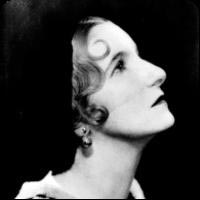
#31Valentine Hugo

1887-1968 · French · surrealism
Valentine Hugo is one of the useful reference points for understanding surrealism, because her work does not simply add the strange to painting. Her drawings and portraits give the surrealist circle a nocturnal, precise, and almost mediumistic elegance. Key facts: 1887-1968 · French · surrealism. What matters here is the way the image slides the real toward an inner logic: displaced objects, recomposed bodies, mental landscapes, floating signs, or scenes of an almost unsettling clarity. Surrealism then functions as a method of looking. It reveals hidden associations, desires, fears, and memories that circulate beneath the surface of ordinary things. In Valentine Hugo's work, this method takes a singular form: sometimes theatrical, sometimes silent, sometimes close to collage, automatism, or metamorphosis. Her role in this ranking is therefore not merely decorative. It helps situate a family of images that upended the 20th century and continues to influence contemporary visual culture. For a reader or collector, this notice serves as an entry point: recognize a signature, understand a lineage, and compare works with greater attention.
Read on Wikipedia Valentine Hugo

#32Leonor Fini

1907-1996 · Argentine then French · surrealism
Leonor Fini is one of the useful reference points for understanding surrealism, because her work does not simply add the strange to painting. She reigns over sphinxes, masks, and androgynous figures, outside the masculine hierarchies of the group. Key facts: 1907-1996 · Argentine then French · surrealism. What matters here is the way the image slides the real toward an inner logic: displaced objects, recomposed bodies, mental landscapes, floating signs, or scenes of an almost unsettling clarity. Surrealism then functions as a method of looking. It reveals hidden associations, desires, fears, and memories that circulate beneath the surface of ordinary things. In Leonor Fini's work, this method takes a singular form: sometimes theatrical, sometimes silent, sometimes close to collage, automatism, or metamorphosis. Her role in this ranking is therefore not merely decorative. It helps situate a family of images that upended the 20th century and continues to influence contemporary visual culture. For a reader or collector, this notice serves as an entry point: recognize a signature, understand a lineage, and compare works with greater attention.
Read on Wikipedia Leonor Fini

#33Pablo Picasso

1881-1973 · Spanish · Cubism and Surrealism
Pablo Picasso stands as one of the useful landmarks for understanding Surrealism, because his work does not simply add a sense of the strange to painting. His detour through distorted figures, Minotaurs, and metamorphosed bodies connects the great modern painting to the preoccupations of Surrealism. Landmarks: 1881-1973 · Spanish · Cubism and Surrealism. What matters here is the way the image shifts reality toward an inner logic: displaced objects, recomposed bodies, mental landscapes, floating signs, or scenes of an almost unsettling clarity. Surrealism then operates as a way of seeing. It reveals the hidden associations, desires, fears, and memories that circulate beneath the surface of ordinary things. In Pablo Picasso's work, this method takes a singular form: sometimes theatrical, sometimes silent, sometimes close to collage, automatism, or metamorphosis. His role in this ranking is therefore not merely decorative. It helps situate a family of images that shook the 20th century and continues to influence contemporary visual culture. For a reader or collector, this entry serves as a point of entry: to recognize a signature, understand a lineage, and compare works with greater attention.
Read on Wikipedia Pablo Picasso

#34Marcel Duchamp

1887-1968 · French then American · Dadaism and Surrealism
Marcel Duchamp stands as one of the useful landmarks for understanding Surrealism, because his work does not simply add a sense of the strange to painting. His objects, optical machines, and conceptual humor shift the image toward a mental trap, at the heart of the Surrealist mind. Landmarks: 1887-1968 · French then American · Dadaism and Surrealism. What matters here is the way the image shifts reality toward an inner logic: displaced objects, recomposed bodies, mental landscapes, floating signs, or scenes of an almost unsettling clarity. Surrealism then operates as a way of seeing. It reveals the hidden associations, desires, fears, and memories that circulate beneath the surface of ordinary things. In Marcel Duchamp's work, this method takes a singular form: sometimes theatrical, sometimes silent, sometimes close to collage, automatism, or metamorphosis. His role in this ranking is therefore not merely decorative. It helps situate a family of images that shook the 20th century and continues to influence contemporary visual culture. For a reader or collector, this entry serves as a point of entry: to recognize a signature, understand a lineage, and compare works with greater attention.
Read on Wikipedia Marcel Duchamp

#35Pierre Roy

1880-1950 · French · Surrealism
Pierre Roy stands as one of the useful landmarks for understanding Surrealism, because his work does not simply add a sense of the strange to painting. He places sharp-edged objects into absurd compositions, with a coldness that makes the everyday suspect. Landmarks: 1880-1950 · French · Surrealism. What matters here is the way the image shifts reality toward an inner logic: displaced objects, recomposed bodies, mental landscapes, floating signs, or scenes of an almost unsettling clarity. Surrealism then operates as a way of seeing. It reveals the hidden associations, desires, fears, and memories that circulate beneath the surface of ordinary things. In Pierre Roy's work, this method takes a singular form: sometimes theatrical, sometimes silent, sometimes close to collage, automatism, or metamorphosis. His role in this ranking is therefore not merely decorative. It helps situate a family of images that shook the 20th century and continues to influence contemporary visual culture. For a reader or collector, this entry serves as a point of entry: to recognize a signature, understand a lineage, and compare works with greater attention.
Read on Wikipedia Pierre Roy

#36Jacques Hérold

1910-1987 · Romanian then French · Surrealism
Jacques Hérold stands as one of the useful landmarks for understanding Surrealism, because his work does not simply add a sense of the strange to painting. His shattered bodies and crystallizations give the dream a sharp, luminous anatomy. Landmarks: 1910-1987 · Romanian then French · Surrealism. What matters here is the way the image shifts reality toward an inner logic: displaced objects, recomposed bodies, mental landscapes, floating signs, or scenes of an almost unsettling clarity. Surrealism then operates as a way of seeing. It reveals the hidden associations, desires, fears, and memories that circulate beneath the surface of ordinary things. In Jacques Hérold's work, this method takes a singular form: sometimes theatrical, sometimes silent, sometimes close to collage, automatism, or metamorphosis. His role in this ranking is therefore not merely decorative. It helps situate a family of images that shook the 20th century and continues to influence contemporary visual culture. For a reader or collector, this entry serves as a point of entry: to recognize a signature, understand a lineage, and compare works with greater attention.
Read on Wikipedia Jacques Hérold

#37Max Morise

1900-1973 · French · surrealism
Max Morise ranks among the useful reference points for understanding surrealism, because his work does not simply add the strange to painting. He accompanied the early days of the group with sober, mental images, often more secret than spectacular. Reference points: 1900-1973 · French · surrealism. What matters here is the way the image slides reality toward an inner logic: displaced objects, recomposed bodies, mental landscapes, floating signs, or scenes of an almost unsettling clarity. Surrealism then functions as a method of looking. It reveals the hidden associations, desires, fears, and memories that circulate beneath the surface of ordinary things. In Max Morise, this method takes a singular form: sometimes theatrical, sometimes silent, sometimes close to collage, automatism, or metamorphosis. His role in this ranking is therefore not merely decorative. It helps situate a family of images that shook up the 20th century and continues to influence today's visual culture. For a reader or collector, this entry serves as a point of entry: recognize a signature, understand a lineage, and compare works with greater attention.
Read on Wikipedia Max Morise

#38Félix Labisse

1905-1982 · French · surrealism
Félix Labisse ranks among the useful reference points for understanding surrealism, because his work does not simply add the strange to painting. His blue, theatrical, and unsettling figures extend surrealism toward an almost cinematic stage. Reference points: 1905-1982 · French · surrealism. What matters here is the way the image slides reality toward an inner logic: displaced objects, recomposed bodies, mental landscapes, floating signs, or scenes of an almost unsettling clarity. Surrealism then functions as a method of looking. It reveals the hidden associations, desires, fears, and memories that circulate beneath the surface of ordinary things. In Félix Labisse, this method takes a singular form: sometimes theatrical, sometimes silent, sometimes close to collage, automatism, or metamorphosis. His role in this ranking is therefore not merely decorative. It helps situate a family of images that shook up the 20th century and continues to influence today's visual culture. For a reader or collector, this entry serves as a point of entry: recognize a signature, understand a lineage, and compare works with greater attention.
Read on Wikipedia Félix Labisse

#39Simon Hantaï

1922-2008 · Hungarian then French · surrealism
Simon Hantaï ranks among the useful reference points for understanding surrealism, because his work does not simply add the strange to painting. Before the abstract folding, he moved through surrealism with organic, violent, and highly material forms. Reference points: 1922-2008 · Hungarian then French · surrealism. What matters here is the way the image slides reality toward an inner logic: displaced objects, recomposed bodies, mental landscapes, floating signs, or scenes of an almost unsettling clarity. Surrealism then functions as a method of looking. It reveals the hidden associations, desires, fears, and memories that circulate beneath the surface of ordinary things. In Simon Hantaï, this method takes a singular form: sometimes theatrical, sometimes silent, sometimes close to collage, automatism, or metamorphosis. His role in this ranking is therefore not merely decorative. It helps situate a family of images that shook up the 20th century and continues to influence today's visual culture. For a reader or collector, this entry serves as a point of entry: recognize a signature, understand a lineage, and compare works with greater attention.
Read on Wikipedia Simon Hantaï

#40Arshile Gorky

1904-1948 · Armenian-American · surrealism and abstraction
Arshile Gorky ranks among the useful reference points for understanding surrealism, because his work does not simply add the strange to painting. He transformed automatism into lyrical painting, a major bridge toward abstract expressionism. Reference points: 1904-1948 · Armenian-American · surrealism and abstraction. What matters here is the way the image slides reality toward an inner logic: displaced objects, recomposed bodies, mental landscapes, floating signs, or scenes of an almost unsettling clarity. Surrealism then functions as a method of looking. It reveals the hidden associations, desires, fears, and memories that circulate beneath the surface of ordinary things. In Arshile Gorky, this method takes a singular form: sometimes theatrical, sometimes silent, sometimes close to collage, automatism, or metamorphosis. His role in this ranking is therefore not merely decorative. It helps situate a family of images that shook up the 20th century and continues to influence today's visual culture. For a reader or collector, this entry serves as a point of entry: recognize a signature, understand a lineage, and compare works with greater attention.
See the collection Arshile Gorky

Selection #41 to #50

Reference points, lineages, and works to know

This section brings together ranks 41 to 50. It allows you to explore the movement in stages, keeping together artists who share the same family of forms, subjects, or influences.

#41Paul Klee
1879-1940 · Swiss-German · expressionism, abstraction, and surrealism
Paul Klee counts among the useful landmarks for understanding surrealism, because his work does not merely add the strange to painting. His signs, creatures, and fragile architectures nourished the surrealist imagination even without strict membership in the group. Landmarks: 1879-1940 · Swiss-German · expressionism, abstraction, and surrealism. What matters here is the way the image slides reality toward an inner logic: displaced objects, recomposed bodies, mental landscapes, floating signs, or scenes of an almost unsettling clarity. Surrealism then functions as a method of looking. It reveals the hidden associations, desires, fears, and memories that circulate beneath the surface of ordinary things. In Paul Klee, this method takes a singular form: sometimes theatrical, sometimes silent, sometimes close to collage, automatism, or metamorphosis. His role in this ranking is therefore not merely decorative. It helps situate a family of images that shook up the 20th century and continues to influence today's visual culture. For a reader or a collector, this notice serves as an entry point: recognizing a signature, understanding a lineage, and comparing works with greater attention.
See the Paul Klee collection

#42Dora Maar

1907-1997 · French · surrealism
Dora Maar counts among the useful landmarks for understanding surrealism, because her work does not merely add the strange to painting. A photographer and painter, she brings to surrealism a tension between fragmented face, social document, and photomontage. Landmarks: 1907-1997 · French · surrealism. What matters here is the way the image slides reality toward an inner logic: displaced objects, recomposed bodies, mental landscapes, floating signs, or scenes of an almost unsettling clarity. Surrealism then functions as a method of looking. It reveals the hidden associations, desires, fears, and memories that circulate beneath the surface of ordinary things. In Dora Maar, this method takes a singular form: sometimes theatrical, sometimes silent, sometimes close to collage, automatism, or metamorphosis. Her role in this ranking is therefore not merely decorative. It helps situate a family of images that shook up the 20th century and continues to influence today's visual culture. For a reader or a collector, this notice serves as an entry point: recognizing a signature, understanding a lineage, and comparing works with greater attention.
Read on Wikipedia Dora Maar

#43Mimi Parent

1924-2005 · Canadian · surrealism
Mimi Parent counts among the useful landmarks for understanding surrealism, because her work does not merely add the strange to painting. She works on reliefs, boxes, and image-objects with an erotic intensity and a precise sense of staging. Landmarks: 1924-2005 · Canadian · surrealism. What matters here is the way the image slides reality toward an inner logic: displaced objects, recomposed bodies, mental landscapes, floating signs, or scenes of an almost unsettling clarity. Surrealism then functions as a method of looking. It reveals the hidden associations, desires, fears, and memories that circulate beneath the surface of ordinary things. In Mimi Parent, this method takes a singular form: sometimes theatrical, sometimes silent, sometimes close to collage, automatism, or metamorphosis. Her role in this ranking is therefore not merely decorative. It helps situate a family of images that shook up the 20th century and continues to influence today's visual culture. For a reader or a collector, this notice serves as an entry point: recognizing a signature, understanding a lineage, and comparing works with greater attention.
Read on Wikipedia Mimi Parent

#44Claude Cahun

1894-1954 · French · surrealism
Claude Cahun counts among the useful landmarks for understanding surrealism, because her work does not merely add the strange to painting. Her self-portraits and stagings turn identity into an unstable, masked, and deeply surrealist territory. Landmarks: 1894-1954 · French · surrealism. What matters here is the way the image slides reality toward an inner logic: displaced objects, recomposed bodies, mental landscapes, floating signs, or scenes of an almost unsettling clarity. Surrealism then functions as a method of looking. It reveals the hidden associations, desires, fears, and memories that circulate beneath the surface of ordinary things. In Claude Cahun, this method takes a singular form: sometimes theatrical, sometimes silent, sometimes close to collage, automatism, or metamorphosis. Her role in this ranking is therefore not merely decorative. It helps situate a family of images that shook up the 20th century and continues to influence today's visual culture. For a reader or a collector, this notice serves as an entry point: recognizing a signature, understanding a lineage, and comparing works with greater attention.
Read on Wikipedia Claude Cahun

#45Rachel Baes

1912-1983 · Belgian · surrealism
Rachel Baes ranks among the useful reference points for understanding surrealism, because her work does not merely add the strange to painting. Her solitary figures and crisp scenes hold a silent strangeness, somewhere between childhood and menace. Key facts: 1912-1983 · Belgian · surrealism. What matters here is the way the image shifts the real toward an inner logic: displaced objects, recomposed bodies, mental landscapes, floating signs, or scenes of an almost unsettling clarity. Surrealism then functions as a way of seeing. It reveals the hidden associations, desires, fears and memories that circulate beneath the surface of ordinary things. In Rachel Baes's work, this method takes a singular form: sometimes theatrical, sometimes silent, sometimes close to collage, automatism or metamorphosis. Her role in this ranking is therefore not merely decorative. It helps situate a family of images that shook the 20th century and continues to influence visual culture today. For a reader or collector, this entry serves as a point of entry: recognizing a signature, understanding a lineage, and comparing works with greater attention.
Read on Wikipedia Rachel Baes

#46Jindřich Štyrský

1899-1942 · Czech · surrealism
Jindřich Štyrský ranks among the useful reference points for understanding surrealism, because his work does not merely add the strange to painting. He connects Prague, poetry and erotic imagery with an experimental boldness close to mental collage. Key facts: 1899-1942 · Czech · surrealism. What matters here is the way the image shifts the real toward an inner logic: displaced objects, recomposed bodies, mental landscapes, floating signs, or scenes of an almost unsettling clarity. Surrealism then functions as a way of seeing. It reveals the hidden associations, desires, fears and memories that circulate beneath the surface of ordinary things. In Jindřich Štyrský's work, this method takes a singular form: sometimes theatrical, sometimes silent, sometimes close to collage, automatism or metamorphosis. His role in this ranking is therefore not merely decorative. It helps situate a family of images that shook the 20th century and continues to influence visual culture today. For a reader or collector, this entry serves as a point of entry: recognizing a signature, understanding a lineage, and comparing works with greater attention.
Read on Wikipedia Jindřich Štyrský

#47Lee Miller

1907-1977 · American · surrealism
Lee Miller ranks among the useful reference points for understanding surrealism, because her work does not merely add the strange to painting. Her photographic work links surrealist experimentation, a cutting eye and historical presence. Key facts: 1907-1977 · American · surrealism. What matters here is the way the image shifts the real toward an inner logic: displaced objects, recomposed bodies, mental landscapes, floating signs, or scenes of an almost unsettling clarity. Surrealism then functions as a way of seeing. It reveals the hidden associations, desires, fears and memories that circulate beneath the surface of ordinary things. In Lee Miller's work, this method takes a singular form: sometimes theatrical, sometimes silent, sometimes close to collage, automatism or metamorphosis. Her role in this ranking is therefore not merely decorative. It helps situate a family of images that shook the 20th century and continues to influence visual culture today. For a reader or collector, this entry serves as a point of entry: recognizing a signature, understanding a lineage, and comparing works with greater attention.
Read on Wikipedia Lee Miller

#48Juan Batlle Planas

1911-1966 · Argentine · surrealism
Juan Batlle Planas ranks among the useful reference points for understanding surrealism, because his work does not merely add the strange to painting. He transposes surrealism into Argentina through mental figures, signs and dreamlike architectures. Key facts: 1911-1966 · Argentine · surrealism. What matters here is the way the image shifts the real toward an inner logic: displaced objects, recomposed bodies, mental landscapes, floating signs, or scenes of an almost unsettling clarity. Surrealism then functions as a way of seeing. It reveals the hidden associations, desires, fears and memories that circulate beneath the surface of ordinary things. In Juan Batlle Planas's work, this method takes a singular form: sometimes theatrical, sometimes silent, sometimes close to collage, automatism or metamorphosis. His role in this ranking is therefore not merely decorative. It helps situate a family of images that shook the 20th century and continues to influence visual culture today. For a reader or collector, this entry serves as a point of entry: recognizing a signature, understanding a lineage, and comparing works with greater attention.
Read on Wikipedia Juan Batlle Planas

#49Gordon Onslow Ford

1912-2003 · British then American · surrealism
Gordon Onslow Ford is one of the useful reference points for understanding surrealism, because his work does not simply add the strange to painting. He explores inner worlds through floating forms, between automatism, cosmology, and visual meditation. Key facts: 1912-2003 · British then American · surrealism. What matters here is the way the image slides reality toward an inner logic: displaced objects, recomposed bodies, mental landscapes, floating signs, or scenes of an almost unsettling clarity. Surrealism then functions as a method of looking. It reveals the hidden associations, desires, fears, and memories that circulate beneath the surface of ordinary things. In Gordon Onslow Ford, this method takes a singular form: sometimes theatrical, sometimes silent, sometimes close to collage, automatism, or metamorphosis. His role in this ranking is therefore not merely decorative. It helps situate a family of images that shook the 20th century and continues to influence today's visual culture. For a reader or collector, this notice serves as an entry point: recognize a signature, understand a lineage, and compare works with greater attention.
Read on Wikipedia Gordon Onslow Ford

#50Roland Penrose

1900-1984 · British · surrealism
Roland Penrose is one of the useful reference points for understanding surrealism, because his work does not simply add the strange to painting. A painter, collector, and facilitator, he spread surrealism in Great Britain through collages and enigmatic images. Key facts: 1900-1984 · British · surrealism. What matters here is the way the image slides reality toward an inner logic: displaced objects, recomposed bodies, mental landscapes, floating signs, or scenes of an almost unsettling clarity. Surrealism then functions as a method of looking. It reveals the hidden associations, desires, fears, and memories that circulate beneath the surface of ordinary things. In Roland Penrose, this method takes a singular form: sometimes theatrical, sometimes silent, sometimes close to collage, automatism, or metamorphosis. His role in this ranking is therefore not merely decorative. It helps situate a family of images that shook the 20th century and continues to influence today's visual culture. For a reader or collector, this notice serves as an entry point: recognize a signature, understand a lineage, and compare works with greater attention.
Read on Wikipedia Roland Penrose

To continue the visit

Sources, collections and paths truly related to the subject

A few useful references to verify the information, compare royalty-free images, and extend the reading without ending up in a museum that never asked for it.

Continue the visit in images

A major movement is best understood when you can compare the works, formats, and colors. Alpha Reproduction prints let you extend this visit at home, with special attention paid to detail, contrast, and the original formats.

0 comments

Leave a comment

Please note that comments must be approved before they are published.