

Top 50 · Australian painting
Fifty painters, a continent of light and stories
From the Heidelberg school to modernists and great indigenous pictorial traditions.
Australian painting is neither about the bush nor a single school. At the end of the 19th century, Roberts, Streeton, McCubbin, Conder and their relatives painted outdoors around Melbourne and gave local light new strength. In the 20th century, Sydney, Melbourne, Adelaide and the communities of the desert, Arnhem Land, Utopia and the Gulf of Carpentaria became very different centers of invention. Nolan and Boyd interrogate national myths; Preston, Cossington Smith, Brack, Williams and Whiteley moved the modern form; Namatjira, Kngwarreye, Malangi, Tjapaltjarri, Gabori and Yunupingu assert links to the country based on knowledge, rights and their own stories.

Light, territory, memory, modernism and visual sovereignties.
Colonies, landscape and outdoors
From colonial topography to the Heidelberg school
Glover, von Guérard, Martens, Earle, Chevalier and Strutt first describe a territory disrupting European landscape conventions. In the 1880s and 1890s, Roberts, Streeton, McCubbin, Conder, Withers, Sutherland and Davies worked directly outside, notably around Heidelberg and Eaglemont. Their freer touch, colorful shadows and contemporary subjects give the Australian outdoors a lasting identity, while participating in national narratives that must be reread today in the light of colonial history.
Modernisms of Melbourne and Sydney
Color, tonalism, Antipodeans and reinvention of the landscape
Beckett and Meldrum focus on tonal values; Preston and Cossington Smith affirm a modernity of color and decor. Around the Angry Penguins then the Antipodeans, Nolan, Boyd, Tucker, Hester, Blackman, Brack and Drysdale construct a figuration where war, suburbs, myth and solitude collide. Williams reorganizes the bush into signs, Olsen transforms it into a living network, while Whiteley and Smart turn Sydney and contemporary architecture into mental experiences.
Countries, knowledge and classification criteria
Give their full place to indigenous pictorial traditions
The classification combines historical importance, originality, influence, quality of museum complexes and international scope. It distinguishes traditions: the arrernte watercolor of Namatjira, the yolngu bark paintings of Malangi and Yunupingu, the maps of the Western Desert of Tjapaltjarri, the anmatyerre gestures of Kngwarreye and the kaiadilt memory of Gabori do not come from a single movement. These works express links to the country, genealogies and specific cultural rights; their presence is essential to any honest history of Australian painting.
The Top 10
Ten painters who shaped the image of Australia
Roberts, Streeton, Nolan, McCubbin and Namatjira open a summit where national narrative, the outdoors, modernism and indigenous sovereignty confront each other.
#1
Tom Roberts
Tom Roberts occupies a decisive place in the history of Australian art. His work articulates a major issue: the outdoors, national construction and figures of work. "Shearing the Rams", "A break away!" and "Bailed Up" show the main changes.
See the Tom Roberts collection #2
#2
Arthur Streeton
A tension structures Arthur Streeton's work: dry light, pastoral space and the horizons of expanding cities. From "Golden Summer, Eaglemont" to "The Purple Noon's Transparent Might", the approach retains an instantly recognizable identity.
See the Arthur Streeton collection #3
#3
Sidney Nolan
Sidney Nolan profoundly renews the forms of Australian painting. His research brings together the myth of Ned Kelly, colonial memory and the immensity of the territory. "Ned Kelly" offers a major milestone, extended by "The Trial" and "Riverbend".
Read Sidney Nolan's biography on Wikipedia #4
#4
Frederick McCubbin
Frederick McCubbin stands out for his constant attention. His favorite subjects are the stories of pioneers, the undergrowth and a melancholy specific to colonization. The confrontation of "The Pioneer", "Down on His Luck" and "Lost" allows us to measure its extent.
See the Frederick McCubbin collection #5
#5
Russell Drysdale
Russell Drysdale develops a lasting language around a specific axis: the Outback, the drought and the monumental solitude of rural communities. "The Cricketers" condenses this ambition without exhausting the research visible in "Sofala" and "The Drover's Wife".
Read Russell Drysdale's biography on Wikipedia #6
#6
Albert Namatjira
Albert Namatjira's coherence is due to a strong choice: working the MacDonnell Ranges, ghost gum trees and a sovereignty of fixed gaze. "Ghost Gum", then "Central Australian Landscape" and "Mount Hermannsburg", reveal the evolution of this research.
Read the biography of Albert Namatjira on Wikipedia #7
#7
Margaret Preston
Margaret Preston imposes herself through a singular exploration. Its field of action brings together flowers, domestic objects and the search for a specifically Australian modern language. Between "Implement Blue", "Native Flowers" and "Flying Over the Shoalhaven River", the painting changes scale without losing its strength.
Read Margaret Preston's biography on Wikipedia #8
#8
Grace Cossington Smith
Grace Cossington Smith's universe is based on a personal relationship with the visible world. It brings together vibrant color, interiors and urban modernity observed from Sydney. "The Sock Knitter" dialogues with "The Bridge in-curve" and "Interior in Yellow" in a constantly mastered work.
Read Grace Cossington Smith's biography on Wikipedia #9
#9
Brett Whiteley
Brett Whiteley opens an essential path by combining Sydney Harbor, self-portraiture and a sensual line charged with energy. "The Balcony 2", "Self Portrait in the Studio" and "Alchemy" make its singularity perceptible.
Read Brett Whiteley's biography on Wikipedia #10
#10
Arthur Boyd
Arthur Boyd gives a new form to a set of themes: the Shoalhaven River, colonial guilt and biblical stories transposed to Australia. "Bride series" is a direct entry, supplemented by "Nebuchadnezzar" and "The Expulsion".
Read Arthur Boyd's biography on WikipediaChapter I · Ranks 11 to 25
Modernisms, Antipodeans and new cartographies
Brack, Williams, Russell, Boyd, Kngwarreye, Tjapaltjarri and Bennett show how the territory became a structure, memory, myth and critique of colonial history.
 #11
#11
John Brack
John Brack occupies a decisive place in the history of Australian art. His work articulates a major issue: suburban life, the office and collective rituals captured with cold irony. "Collins St., 5 pm", "The Bar" and "The Car" show the main inflections.
Read John Brack's biography on Wikipedia #12
#12
Fred Williams
A tension structures Fred Williams' work: the bush seen from above, the repetition of trees and an almost abstract structure of the territory. From "You Yangs Landscape" to "Lysterfield Triptych", the approach retains an immediately recognizable identity.
Read Fred Williams' biography on Wikipedia #13
#13
John peter russell
John Peter Russell profoundly renewed the forms of Australian painting. His research brings together Belle-Île, marine light and direct exchanges with Monet, Van Gogh and Matisse. "Rough Sea, Morestil" offers a major milestone, extended by "Portrait of Vincent van Gogh" and "In the Afternoon".
See the John Peter Russell collection #14
#14
Charles Conder
Charles Conder stands out for his constant attention. His favorite subjects are beaches, modern leisure and a clear touch between Melbourne, Paris and Dieppe. The confrontation of "Holiday at Mentone", "A Dream of Handel's Largo" and "Departure of the Orient" allows us to measure its extent.
See the Charles Conder collection #15
#15
Norman Lindsay
Norman Lindsay develops a lasting language around a precise axis: mythological nudes, satire and a graphic imagination that runs through painting, engraving and literature. "The Magic Pudding" condenses this ambition without exhausting the research visible in "The Crucified Venus" and "The Sirens".
Read Norman Lindsay's biography on Wikipedia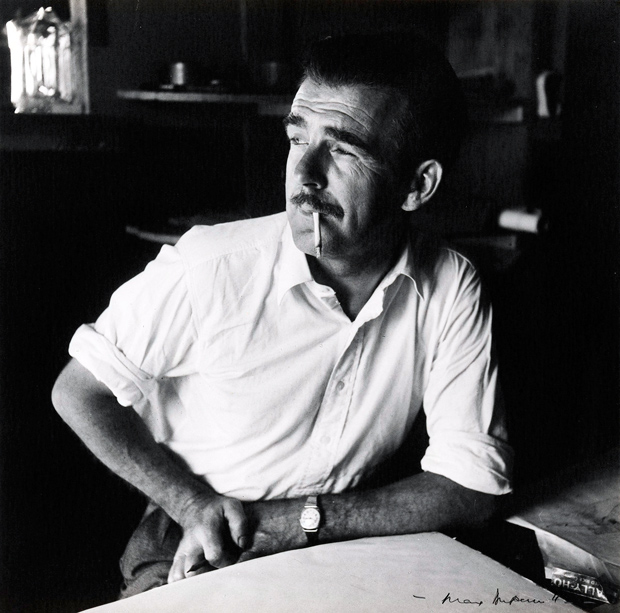 #16
#16
William dobell
William Dobell's coherence lies in a strong choice: working on the psychological portrait, expressive distortion and artistic circles of Sydney. "Portrait of an Artist", then "The Cypriot" and "The Cat Lover", reveal the evolution of this research.
Read William Dobell's biography on Wikipedia #17
#17
Jeffrey Smart
Jeffrey Smart imposes himself through a singular exploration. Its field of action brings together highways, industrial architecture and the geometric solitude of the contemporary world. Between "Cahill Expressway", "Container Train in Landscape" and "The Traveler", the painting changes scale without losing its strength.
Read Jeffrey Smart's biography on Wikipedia #18
#18
Emily Kame Kngwarreye
Emily Kame Kngwarreye's universe is based on a personal relationship with the visible world. It brings together the country of Alhalkere, plant cycles and an abstraction resulting from anmatyerre knowledge. "Earth's Creation" dialogues with "Big Yam Dreaming" and "The Alhalkere Suite" in a constantly mastered work.
Read Emily Kame Kngwarreye's biography on Wikipedia #19
#19
David Malangi
David Malangi opens an essential path by combining ancestral Manharrngu stories, bark painting and a composition that has become emblematic of Australian art. "Gurrmirringu and the Great Ancestral Hunter", "Mourning Rites" and "Dollar Note Design" make its singularity perceptible.
Read David Malangi's biography on Wikipedia #20
#20
Clifford Possum Tjapaltjarri
Clifford Possum Tjapaltjarri gives new form to a set of themes: ancestral stories, desert itineraries and complex maps of Dreamtime. "Warlugulong" is a direct entry, complemented by "Man's Love Story" and "Possum and Wallaby Dreaming".
Read the biography of Clifford Possum Tjapaltjarri on Wikipedia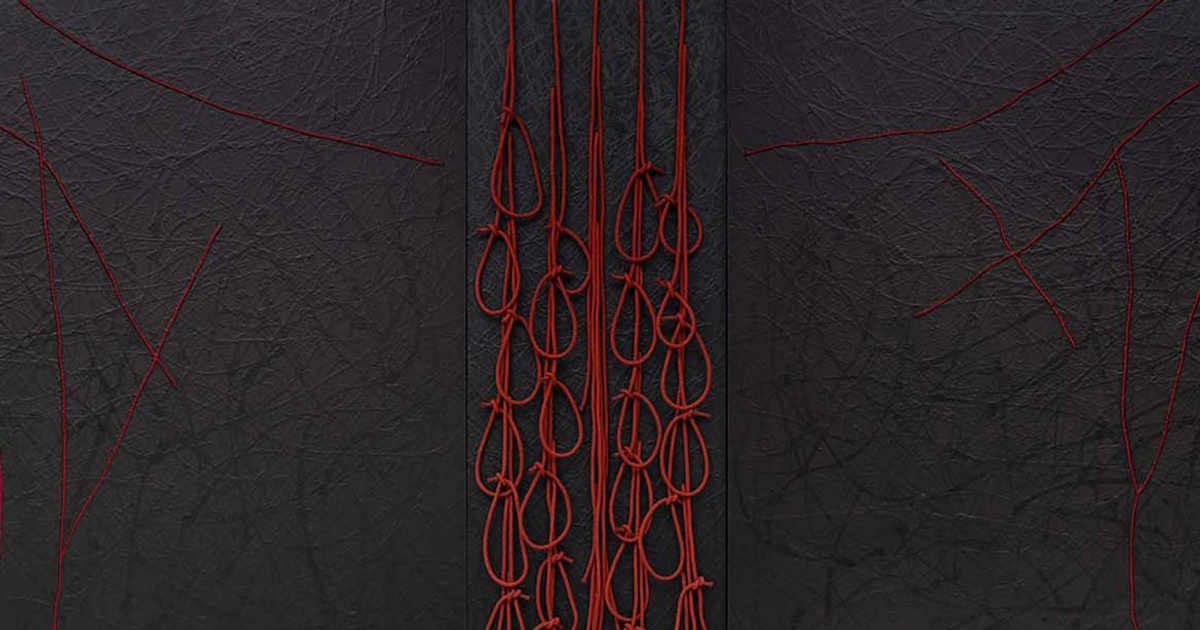 #21
#21
Gordon Bennett
Gordon Bennett occupies a decisive place in the history of Australian art. His work articulates a major issue: colonial images, identity and racism dismantled by quotation and misappropriation. "The Outsider", "Possession Island" and "Home Décor" show the main changes.
Read Gordon Bennett's biography on Wikipedia #22
#22
John Olsen
A tension structures John Olsen's work: lakes, ports and landscape organisms translated into calligraphic networks. From "Five Bells" to "Lake Eyre", the approach retains an immediately recognizable identity.
Read John Olsen's biography on Wikipedia #23
#23
Albert Tucker
Albert Tucker profoundly renewed the forms of Australian painting. His research brings together war, the nocturnal city and the disturbing figures of Australian modernity. "Images of Modern Evil" offers a major milestone, extended by "Victory Girls" and "The Futile City".
Read Albert Tucker's biography on Wikipedia #24
#24
Joy Hester
Joy Hester stands out for her constant attention. Her favorite subjects are the face, love and anguish concentrated in inks of immediate intensity. The confrontation of "Face", "Love" and "Girl with Book" allows us to measure its extent.
Read Joy Hester's biography on WikipediaCharles Blackman
Charles Blackman develops a lasting language around a precise axis: schoolgirls, Alice in Wonderland and a poetic figuration crossed by worry. "Schoolgirl series" condenses this ambition without exhausting the research visible in "Alice in Wonderland series" and "The Blue Alice".
Read the biography of Charles Blackman on WikipediaChapter II · Ranks 26 to 50
Outdoors, tonalism, colonial legacies and contemporary voices
From Beckett, Fox and Bunny to Yolngu and Kaiadilt artists, this part recreates the diversity of schools, regions and perspectives that make up Australian painting.
 #26
#26
Clarice Beckett
Clarice Beckett's coherence lies in a strong choice: working on wet roads, coastal mists and the fleeting effects of daily life. "Wet Evening", then "Passing Trams" and "Evening, St Kilda Road", reveal the evolution of this research.
See the Clarice Beckett collection #27
#27
E. Phillips Fox
E. Phillips Fox stands out through a unique exploration. Its field of action brings together impressionist light, interiors and outdoor scenes between Melbourne and Paris. Between "The Ferry", "The Arbor" and "Nasturtiums", the painting changes scale without losing its strength.
See the E. Phillips Fox collection #28
#28
Rupert Bunny
Rupert Bunny's universe is based on a personal relationship with the visible world. It brings together the mythologies, music and elegance of the Belle Époque developed in Paris. "Summer Time" dialogues with "Pastoral" and "Endormies" in a constantly mastered work.
See the Rupert Bunny collection #29
#29
Elioth Gruner
Elioth Gruner opens an essential path by combining morning light, pastures and the calm rhythms of the rural landscape. "Spring Frost", "Morning Light" and "The Beach" make its uniqueness perceptible.
See the Elioth Gruner collection #30
#30
Hugh Ramsay
Hugh Ramsay gives a new form to a set of themes: intimate portraiture and an early mastery of tone interrupted by a very young death. "The Sisters" is a direct entry, complemented by "A Student of the Latin Quarter" and "Two Girls in White".
See the Hugh Ramsay collection #31
#31
George washington lambert
George Washington Lambert occupies a decisive place in the history of Australian art. His work articulates a major issue: worldly portraits, pastoral life and war scenes composed with virtuosity. "The Squatter's Daughter", "A Sergeant of the Light Horse" and "Anzac, the Landing 1915" show the main inflections.
See the George Washington Lambert collection #32
#32
Walter Withers
A tension structures Walter Withers' work: the seasons, the Victoria countryside and careful observation of the atmosphere. From "Tranquil Winter" to "Early Morning, Heidelberg", the approach retains an immediately recognizable identity.
See the Walter Withers collection #33
#33
Jane Sutherland
Jane Sutherland profoundly renews the forms of Australian painting. Her research brings together rural work, the landscapes of Victoria and the place of women in the Australian outdoors. "Obstruction, Box Hill" offers a major milestone, extended by "Numb Fingers Working While the Eye of the Morning Arose" and "Field Naturalists".
See the Jane Sutherland collection #34
#34
Julian Ashton
Julian Ashton stands out for his constant attention. His favorite subjects are ports, landscapes and the teaching that trained several generations of painters in Sydney. The confrontation of "The Corner of the Paddock", "Circular Quay" and "The Prospectors" allows us to measure its extent.
See the Julian Ashton collection #35
#35
Max Meldrum
Max Meldrum develops a lasting language around a precise axis: tonal perception, light masses and an influential method based on gaze. "Portrait of Ida" condenses this ambition without exhausting the research visible in "The Three Trees" and "Winter Morning".
See the Max Meldrum collection #36
#36
David Davies
David Davies' coherence lies in a strong choice: working on purple evenings, the Victoria campaigns and the silent transitions of the day. "Moonrise", then "From a Distant Land" and "Under the Burden and Heat of the Day", reveal the evolution of this research.
See the David Davies collection #37
#37
Purple Teague
Violet Teague stands out through a unique exploration. Its field of action brings together portraiture, wood engraving and a modernity nourished by Arts and Crafts. Between "Boy with a Palette", "Nightfall in the Ti-Tree" and "Portrait of Una Teague", the painting changes scale without losing its strength.
See the Violet Teague collection #38
#38
Eugene von Guérard
Eugene von Guérard's universe is based on a personal relationship with the visible world. It brings together geological panoramas and naturalistic precision applied to the territories of Victoria. "Mount Kosciuszko" dialogues with "View of Geelong" and "Bushfire between Mount Elephant and Timboon" in a constantly mastered work.
See the Eugene von Guérard collection #39
#39
John Glover
John Glover opens an essential path by combining the light of Tasmania and the tensions between European conventions and the southern environment. "Mount Wellington and Hobart Town", "The River Nile, Van Diemen's Land" and "A Corroboree of Natives" make its singularity perceptible.
See the John Glover collection #40
#40
Conrad Martens
Conrad Martens gives a new form to a set of themes: Sydney Harbor, the Blue Mountains and a precise topography inherited from the Beagle's voyage. "View of Sydney Cove" provides a direct entrance, complemented by "North Head, Sydney Harbor" and "Government House and Fort Macquarie".
See the Conrad Martens collection #41
#41
Augustus Earle
Augustus Earle occupies a decisive place in the history of Australian art. His work articulates a major issue: colonial encounters, portraits and direct observation of Pacific societies. "A Bivouac of Travelers in Australia", "Portrait of Bungaree" and "Meeting of the War Parties" show the main changes.
See the Augustus Earle collection #42
#42
ST Gill
A tension structures ST Gill's work: gold rushes, new towns and daily life vividly documented. From "Doing the Block" to "Gold Diggings of Victoria", the approach retains an immediately recognizable identity.
See the ST Gill collection #43
#43
Nicholas Knight
Nicholas Chevalier profoundly renewed the forms of Australian painting. His research brings together the Victorian Alps, travel and a panoramic vision of the territory. "The Buffalo Ranges" offers a major milestone, extended by "Studley Park at Sunrise" and "Mount Arapiles".
See the Nicholas Chevalier collection #44
#44
William Strutt
William Strutt is distinguished by constant attention. His favorite subjects are fires, explorations and colonial conflicts transformed into dramatic compositions. The confrontation of "Black Thursday", "Bushrangers, Victoria, Australia, 1852" and "The Burial of Burke" allows us to measure its extent.
See the William Strutt collection #45
#45
Ben Quilty
Ben Quilty develops a lasting language around a precise axis: the thick material, the portrait and the collective traumas addressed by a physically engaged painting. "Margaret Olley" condenses this ambition without exhausting the research visible in "After Afghanistan" and "Rorschach paintings".
Read Ben Quilty's biography on Wikipedia #46
#46
Nora Heysen
Nora Heysen's coherence is due to a strong choice: working on the portrait, still life and the gaze of a first woman to win the Archibald Prize. "Madame Elink Schuurman", then "Self Portrait" and "Transport Driver", reveal the evolution of this research.
Read Nora Heysen's biography on Wikipedia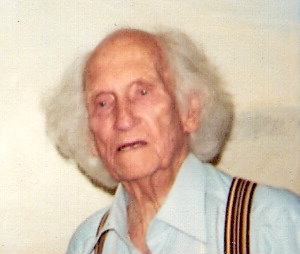 #47
#47
Lloyd Rees
Lloyd Rees stands out through a unique exploration. Its field of action brings together Sydney, the coast and late landscapes where light seems to dissolve matter. Between "The Road to Berry", "The Harbor from McMahons Point" and "The Summit, Mount Wellington", the painting changes scale without losing its strength.
Read Lloyd Rees' biography on Wikipedia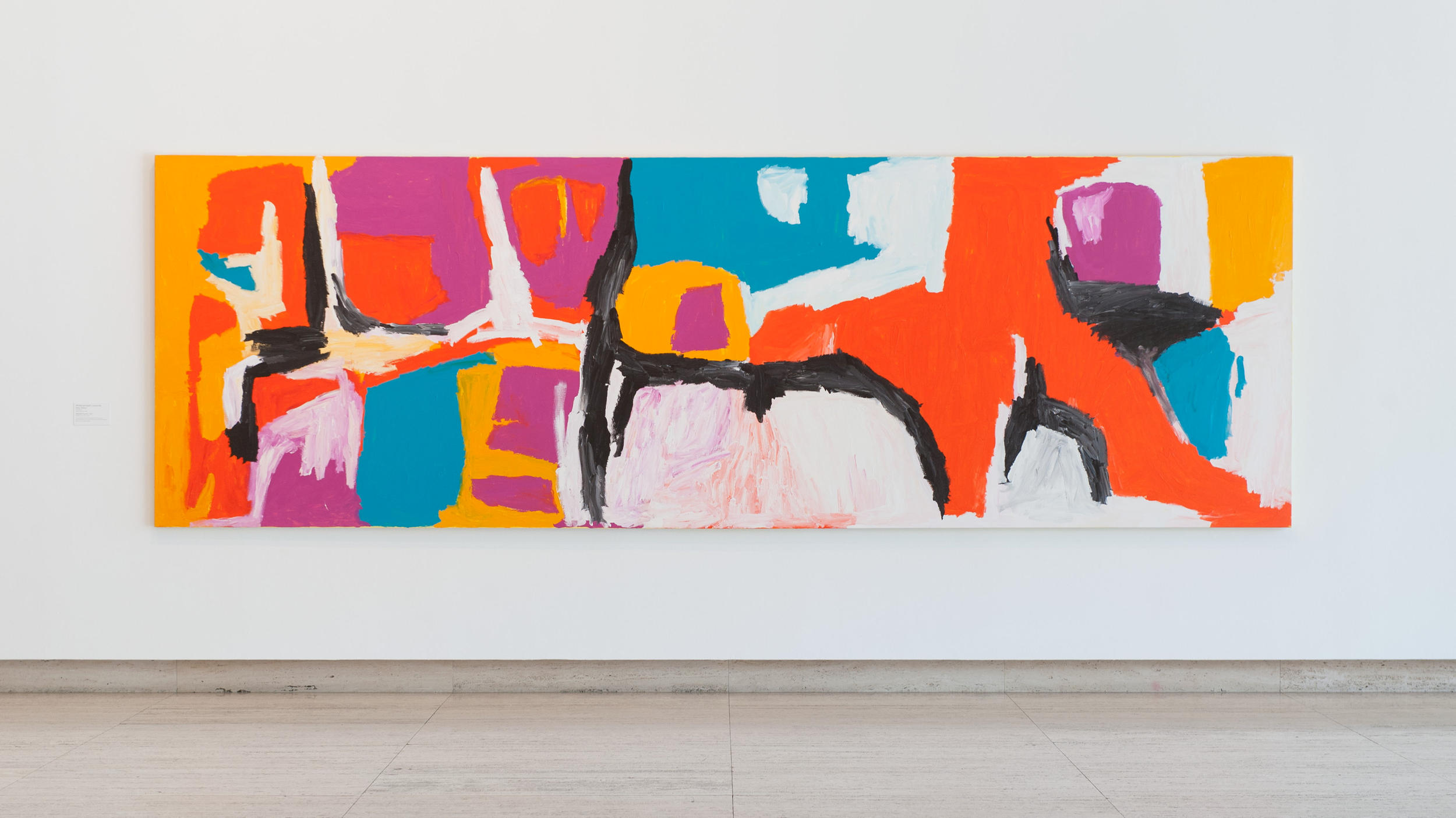 #48
#48
Sally Gabori
Sally Gabori's universe is based on a personal relationship with the visible world. It brings together the places of Bentinck Island and a sovereign color which condenses memory, sea and territory. "Dibirdibi Country" dialogues with "Thundi" and "Nyinyilki" in a constantly mastered work.
Read Sally Gabori's biography on Wikipedia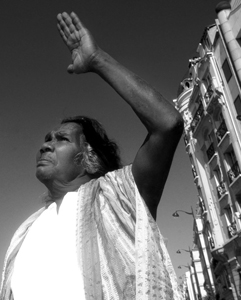 #49
#49
Gulumbu Yunupingu
Gulumbu Yunupingu opens an essential path by associating constellations, family ties and a universal vision born from Yolngu knowledge. "Garak, the Universe", "Gan'yu, Stars" and "Buwayak, Invisibility" make its singularity perceptible.
Read Gulumbu Yunupingu's biography on Wikipedia #50
#50
Bronwyn Bancroft
Bronwyn Bancroft gives a new form to a set of themes: connections to the country, family stories and colorful bundjalung-inspired geometry. "Earth, Wind, Fire and Water" is a direct entry, complemented by "Time Goes By" and "Journey to My Country".
Read Bronwyn Bancroft's biography on WikipediaSources and routes
Extend the visit to Australian painting
Explore Alpha Reproduction
Australian painting makes the territory a history in motion
From the panoramas of Glover to the light of Streeton, from the stories of Nolan to the constellations of Yunupingu, each generation recomposes the relationship between gaze, memory and country. The strength of this ensemble lies in its differences: the landscape can become a colonial story, an outdoor experience, an abstract structure, a social testimony or an affirmation of cultural sovereignty.
To choose a reproduction, start from the desired atmosphere: the golden light of Roberts and Streeton, the narrative depth of McCubbin, the colorful modernity of Preston, the Outback of Drysdale, the networks of Williams or the chromatic power of Kngwarreye and Gabori.
0 comments