

Image, precision and illusion
Top 50 hyperrealist painters: image, precision and illusion
A guide to understanding Chuck Close, Richard Estes, Audrey Flack, Ralph Goings, Vija Celmins, trompe l'oeil and the heirs of the precise image.
Hyperrealism is not limited to copying a photograph: it questions confidence in the image. Reflections, display cases, bodies, objects, shiny surfaces, trompe l'oeil and extreme details make up a long history, from the masters of illusion to American photorealists.

Before the grid
Why hyperrealism fascinates so much
Hyperrealistic painting disturbs the eye: it resembles a photograph, but it requires time, a hand and a pictorial decision. Its effect comes from this paradox between mechanical image and slow manufacturing.
This Top 50 combines the modern photorealistic core, hyperrealistic sculpture, photo-painting and a genealogy of illusion: trompe l'oeil, precise still life, fijnschilders, precisionism and magical realism.
Top 1 to 10
American photorealism and modern image
The first block brings together Close, Estes, Flack, Goings, Bechtle, Eddy and the big modern names in precise images.
 #1
#1
Chuck Close
Close transforms photography into a monumental, grid portrait, almost mechanical, but intensely human.
Read Chuck Close's biography on Wikipedia#2
Richard Estes
Estes paints windows, streets, reflections and urban surfaces with icy precision that has become emblematic of photorealism.
Read Richard Estes' biography on Wikipedia #3
#3
Audrey Flack
Flack combines photography, vanity, jewelry, fruit, symbols and brilliant precision in a very theatrical painting.
Read Audrey Flack's biography on Wikipedia #4
#4
Ralph Goings
Goings makes dinners, ketchup, vans and ordinary objects scenes of luminous precision.
Read Ralph Goings' biography on Wikipedia #5
#5
Robert Bechtle
Bechtle paints cars, houses, quiet streets and suburban lights with an almost photographic neutrality.
Read Robert Bechtle's biography on Wikipedia #6
#6
Don Eddy
Eddy explores bodies, reflections, shiny surfaces and objects with highly controlled optical virtuosity.
Read Don Eddy's biography on Wikipedia #7
#7
Ron Mueck
Mueck changes the scale of the human body to produce emotional, fragile and spectacular realism.
Read Ron Mueck's biography on Wikipedia #8
#8
Antonio Lopez Garcia
Lopez Garcia paints Madrid, interiors, trees and bodies with obsessive slowness and relentless light.
Read the biography of Antonio Lopez Garcia on Wikipedia #9
#9
Yigal Ozeri
Ozeri paints figures in luminous landscapes with photographic and atmospheric precision.
Read Yigal Ozeri's biography on Wikipedia #10
#10
Gottfried Helnwein
Helnwein uses realistic imagery to explore childhood, violence, history, injury and media culture.
Read Gottfried Helnwein's biography on WikipediaRanks 11 to 20
International hyperrealism and contemporary illusion
Brilliant objects, sculpted bodies, digital images and photo-painting expand the hyperrealistic vocabulary.
 #11
#11
Tjalf Sparnaay
Sparnaay expands eggs, sandwiches, fries and edibles into monumental hyperrealistic icons.
Read Tjalf Sparnaay's biography on Wikipedia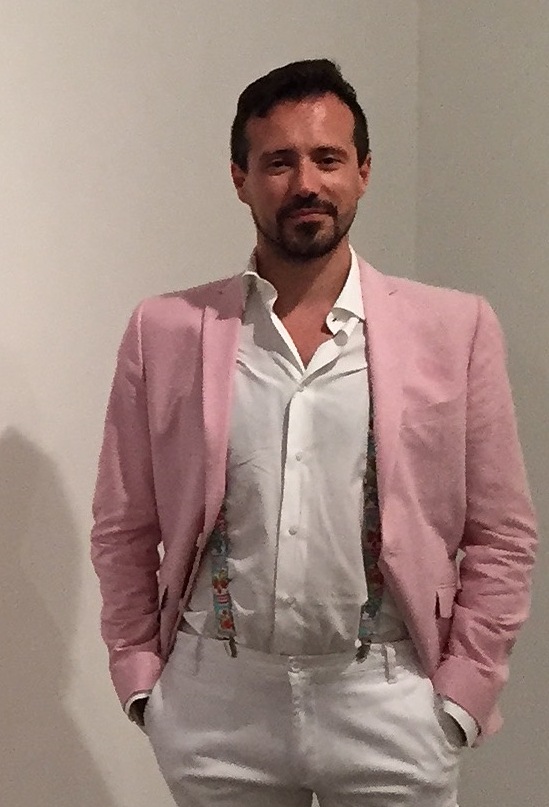 #12
#12
Juan Francisco Casas
Casas uses the Bic pen to produce images close to photography, between intimacy and digital culture.
Read the biography of Juan Francisco Casas on Wikipedia #13
#13
Patricia Piccinini
Piccinini uses disturbing realism to imagine hybrid bodies, biotechnology, tenderness and unease.
Read Patricia Piccinini's biography on Wikipedia #14
#14
Isaac Cordal
Cordal uses realistic miniature figures to create critical and melancholy urban scenes.
Read Isaac Cordal's biography on Wikipedia #15
#15
Zhang Xiaogang
Zhang Xiaogang paints smooth, haunted family portraits, between realism and political memory.
Read Zhang Xiaogang's biography on Wikipedia #16
#16
Gerhard Richter
Richter blurs photography and painting, precision and blur, in a decisive reflection on the image.
Read Gerhard Richter's biography on Wikipedia #17
#17
Vija Celmins
Celmins paints seas, skies, cobwebs and surfaces with slow, meditative, almost cosmic precision.
Read Vija Celmins' biography on Wikipedia #18
#18
Alex Katz
Katz simplifies the contemporary figure into sharp, frontal surfaces, close to the printed image.
Read Alex Katz's biography on Wikipedia #19
#19
Johannes Vermeer
Vermeer is an essential ancestor of optical precision: light, silence, interior and sensitive illusion.
See the Johannes Vermeer collection #20
#20
Gerrit Dou
Dou pushes Dutch detail towards a miniature, brilliant, almost tactile virtuosity.
See the Gerrit Dou collectionRanks 21 to 30
Trompe-l'oeil, still life and ancient precision
This section dates back to the masters of illusion: Dutch fijnschilders, still lifes, trompe l'oeil and exact pastel.
 #21
#21
Frans van Mieris the Elder
Van Mieris embodies fine Dutch painting: textures, fabrics, reflections and meticulous scenes.
See the Frans van Mieris the Elder collection #22
#22
Gerard ter Borch
Ter Borch paints satin, discreet gestures and refined interiors with a remarkable material illusion.
See the Gerard ter Borch collection #23
#23
Pieter Claesz
Claesz gives glasses, metals and foods a sober, exact and almost tactile presence.
See the Pieter Claesz collection #24
#24
Willem Kalf
Kalf transforms cuts, fruits, porcelain and reflections into a silent theater of matter.
See the Willem Kalf collection #25
#25
Jan Davidsz de Heem
De Heem composes flowers, fruits, insects and precious objects with spectacular illusionist profusion.
See Heem's Jan Davidsz collection #26
#26
Cornelis norbertus gijsbrechts
Gijsbrechts plays with frames, papers, reverse of paintings and trompe l'oeil like an image magician.
See the Cornelis Norbertus Gijsbrechts collection #27
#27
Samuel van Hoogstraten
Van Hoogstraten experiments with perspective, optical boxes, thresholds and painted illusions.
See the Samuel van Hoogstraten collection #28
#28
Jean-Etienne Liotard
Liotard seeks cold, precise, almost photographic accuracy before his time.
See the Jean-Étienne Liotard collection #29
#29
Raphaelle Peale
Peale founded an American tradition of precision in still life, sober, frontal and meticulous.
See the Raphaelle Peale collection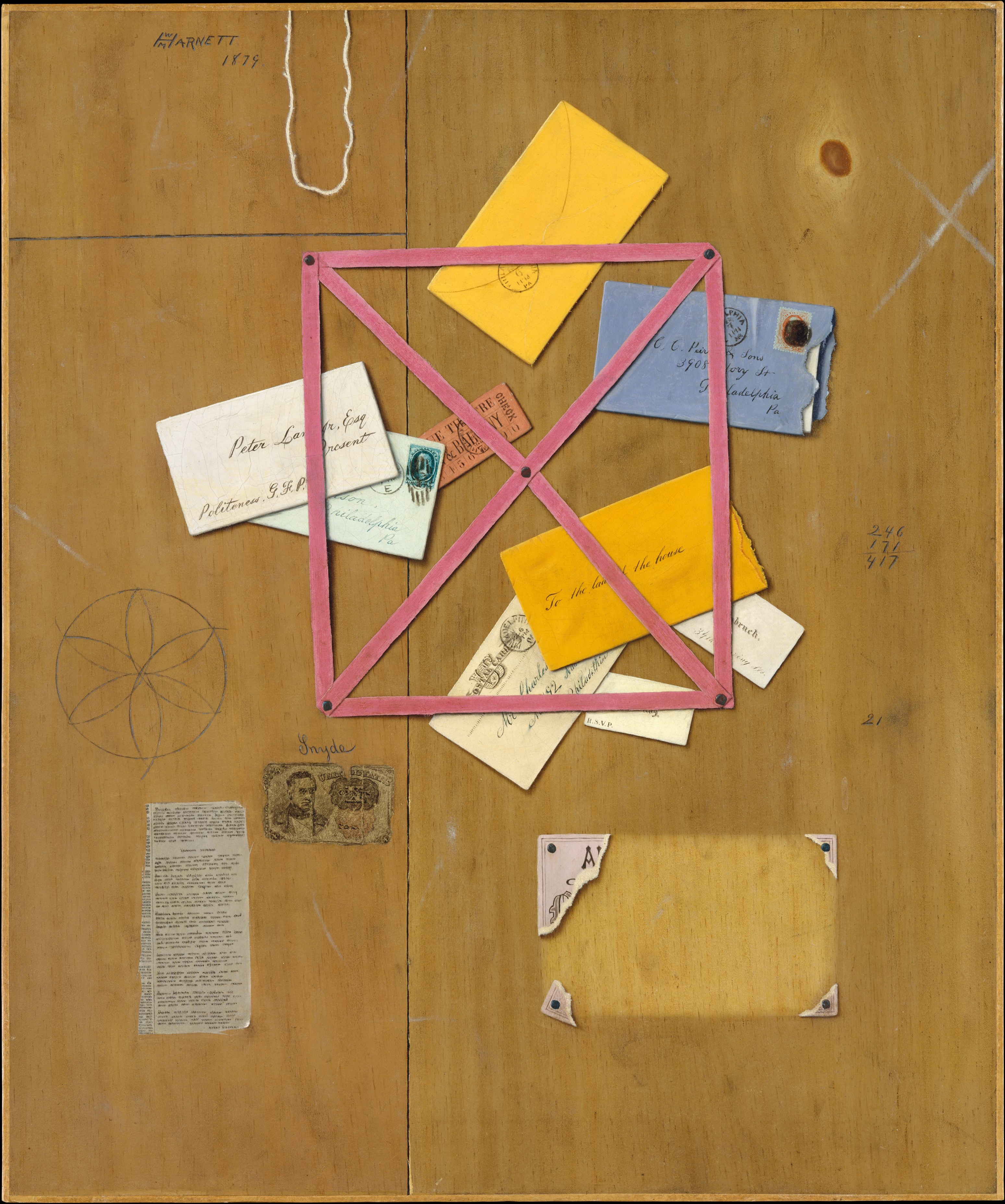 #30
#30
William Harnett
Harnett paints banknotes, newspapers, instruments and hanging objects with a striking material illusion.
See the William Harnett collectionRanks 31 to 40
American trompe-l'oeil, precisionism and clear realism
American realism transforms ordinary banknotes, objects, factories, architecture and scenes into precision images.
 #31
#31
John F. Peto
Peto transforms letters, papers, keys and worn objects into paintings of melancholy illusion.
See the John F. Peto Collection #32
#32
John Haberle
Haberle excels in trompe l'oeil notes, stamps, papers and printed objects.
See the John Haberle collection #33
#33
Charles Sheeler
Sheeler transforms American factories, machines and architecture into sharp, accurate, almost mechanical images.
Read Charles Sheeler's biography on Wikipedia #34
#34
Charles Demuth
Demuth connects modernity, typography, architecture and American precision in graphic images.
See the Charles Demuth collection #35
#35
Grant Wood
Wood simplifies and hardens the American figure with smooth, almost iconic precision.
See the Grant Wood collection #36
#36
Edward Hopper
Hopper is not hyperrealistic, but his cold observation of light and space prepares a photographic sensitivity.
Read Edward Hopper's biography on Wikipedia #37
#37
Andrew Wyeth
Wyeth paints houses, bodies, herbs and silences with dry and psychological precision.
Read Andrew Wyeth's biography on Wikipedia #38
#38
Norman Rockwell
Rockwell demonstrates the narrative power of readable, detailed and immediately popular realism.
Read Norman Rockwell's biography on Wikipedia #39
#39
Ivan Albright
Albright pushes the body's precision toward decomposition, texture, and almost hallucinatory intensity.
Read Ivan Albright's biography on Wikipedia #40
#40
Alex Colville
Colville constructs realistic, cold, tense images, where precision creates a discreet unease.
Read Alex Colville's biography on WikipediaRanks 41 to 50
Psychological realism and observed surfaces
The last block follows modern legacies: magical realism, body, landscape, surface and optical observation.
 #41
#41
George Tooker
Tooker paints sharp, silent figures in disturbing social and psychological architectures.
Read George Tooker's biography on Wikipedia #42
#42
Odd Nerdrum
Nerdrum defends virtuoso, dramatic figurative painting, going against the grain of contemporary art.
Read Odd Nerdrum's biography on Wikipedia #43
#43
David Hockney
Hockney reflects on image, photography, perspective and vision with pop precision.
Read David Hockney's biography on Wikipedia #44
#44
Lucian Freud
Freud paints the body with carnal, slow, almost clinical attention, far from any idealization.
Read the biography of Lucian Freud on Wikipedia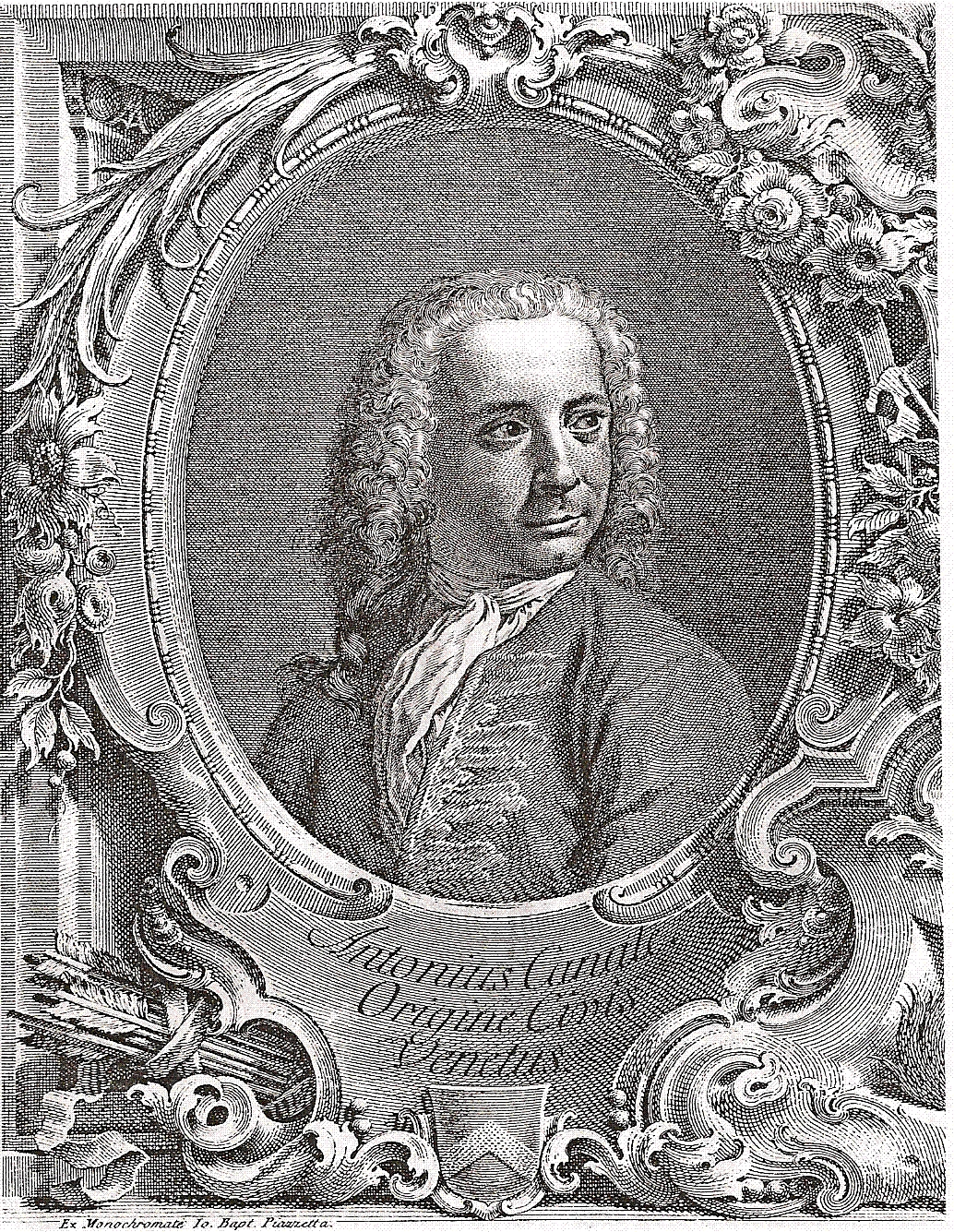 #45
#45
Canaletto
Canaletto constructs urban views of architectural, luminous, almost optical precision.
See the Canaletto collection #46
#46
Bernardo Bellotto
Bellotto extends the veduta with clear, detailed, cold and topographical towns.
See the Bernardo Bellotto collection #47
#47
Giovanni Paolo Panini
Panini paints ruins, galleries and architecture with scenographic and illusionistic precision.
See the Giovanni Paolo Panini collection #48
#48
Jean-Leon Gérôme
Gérôme pushes the academic finish towards a clear, narrative, almost photographic image.
See the Jean-Léon Gérôme collection #49
#49
Lawrence Alma-Tadema
Alma-Tadema paints marbles, fabrics, antique architecture and surfaces with luxurious precision.
See the Lawrence Alma-Tadema collection #50
#50
Thomas Eakins
Eakins combines scientific observation, anatomy, photography and direct realism.
See the Thomas Eakins collectionMethod
How the 50 artists were selected
The selection favors modern photorealism and hyperrealism, then artists who shed light on the history of pictorial precision: trompe-l'oeil, illusionist still life, precisionism and observational realism.
The link rule remains the same: artists who died in 1956 or before refer to an internal collection; artists who died after 1956, or who are still alive, refer to Wikipedia.
Choose an entry
Where to start?
For modern photorealism, start with Close, Estes, Flack, Goings, Bechtle and Eddy. For bodily or critical hyperrealism, look at Mueck, Helnwein, Piccinini, Ozeri or Lopez Garcia.
To understand the roots, explore Vermeer, Dou, Gijsbrechts, Liotard, Harnett, Peto and Haberle: they show that realistic illusion is an old laboratory of the eye.
When painting challenges photography
Hyperrealism fascinates because it seems objective, while it is full of choices: framing, surface, reflection, scale, patience and illusion.
From Vermeer to Chuck Close, from Harnett to Richard Estes, this Top 50 shows the same obsession: making the visible so precise that it becomes strange.
0 comments