

Top 40 · Hungarian painting
From Munkácsy to Moholy-Nagy, Hungarian painting in forty artists
Realism, Nagybanya, Fauvism, Bauhaus, European School and abstraction: a story at the crossroads of Budapest, Paris, Berlin and Szentendre.
Hungarian painting was built between the Austro-Hungarian Empire, national affirmation, open-air colonies and the great European avant-gardes. Budapest concentrates academies, museums and debates; Nagybanya, Szolnok and Szentendre offer other laboratories. This classification combines historical influence, plastic invention, quality of works, educational role and international influence.

History, light, construction, exile and experimentation.
Nation and institutions
From baroque portraits to great history paintings
In the 18th and 19th centuries, Adám Mányoki, Miklôs Barabás, Bertalan Székely, Károly Lotz and Gyula Benczúr participated in the construction of a national visual culture. Portraits, frescoes and historical episodes accompany the rise of Pest-Buda, then Budapest, while maintaining close links with Vienna and Munich.
The outdoor revolution
Nagybanya, color and the Eight
From 1896, the Nagybânya colony renewed teaching through work in front of the motif. Ferenczy, Réti, Thorma and Iványi-Grünwald directly observed light and landscape. A younger generation - Berency, Kernstok, Marffy, Tihanyi and Czóbel - then pushed the break towards Cézanne, Fauvism and Expressionism.
Avant-garde and exile
From the Bauhaus to Paris, the image becomes a laboratory
The journals of Lajos Kassâk, the Bauhaus of Moholy-Nagy and the networks of Der Sturm place the Hungarian avant-garde in a European circulation. After 1945, Rozsda, Hantaï, Reigl, Vasarely and Vera Molnâr continued research in France on gesture, fold, optics and algorithm, while Szentendre nourished a modernity based on the sign and memory.
The essential figures
Top 8 - From Munkácsy to Mednyánszky
Realism, symbolist vision, the outdoors, Bauhaus and optical art meet in this first set. These artists gave Hungarian painting a lasting international reach.
#1
Mihály Munkácsy
Mihály Munkácsy brings Hungarian realism to the European scene with dark interiors, social scenes and vast biblical compositions. Its deep material and sense of theater give the figures an immediately dramatic presence.
See the Mihály Munkácsy collection #2
#2
Laszlo Moholy-Nagy
Laszló Moholy-Nagy redefines painting based on light, photography and industrial materials. At the Bauhaus then in Chicago, he defended an experimental pedagogy where image, typography, film and space belonged to the same laboratory.
See the Laszló Moholy-Nagy collection #3
#3
Tivadar Kosztka Csontváry
Tivadar Kosztka Csontváry transforms Mediterranean cedars, ruins and ports into cosmic visions. Its unreal light, monumental scales and creative solitude place it outside the ordinary categories of symbolism.
See the Tivadar Kosztka Csontváry collection #4
#4
József Rippl-Ronai
József Rippl-Rónai brings back from Paris a nabi lesson which he adapts to the interiors and gardens of Kaposvár. The soft contours, decorative flat areas and speckled colors give everyday life a calm modernity.
See the József Rippl-Rónai collection #5
#5
Karoly Ferenczy
Károly Ferenczy is Nagybanya's pictorial consciousness. His nudes, portraits and open-air scenes combine natural light, firm construction and poetic silence, opening a Hungarian path to modernity.
See the Károly Ferenczy collection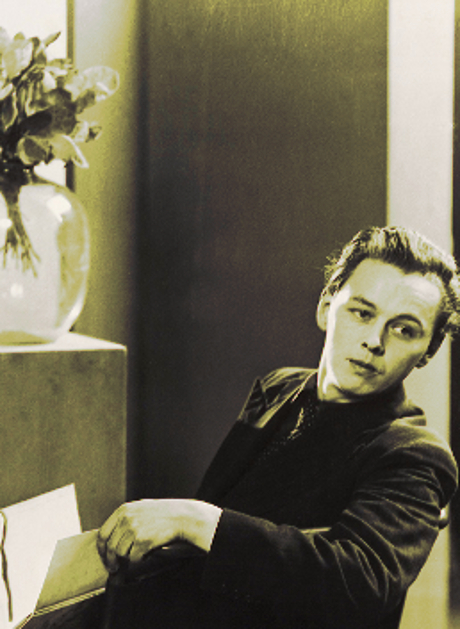 #6
#6
Victor Vasarely
Victor Vasarely makes perception the true subject of the painting. Geometric networks, contrasts and optical deformations produce moving surfaces, designed to circulate from painting to architecture and design.
Read the Wikipedia entry by Victor Vasarely #7
#7
Pel Szinyei Merse
Pál Szinyei Merse paints light and outdoor recreation very early on with exceptional colorful frankness. His famous Hungarian Lunch on the Grass heralds impressionism without directly depending on Paris.
See the Pál Szinyei Merse collection #8
#8
Laszló Mednyanszky
Laszló Mednyânszky travels through mountains, marshes and battlefields as a solitary observer. Its misty landscapes and marginal figures transform nature into an interior state, between realism and melancholic vision.
See the Laszló Mednyanszky collectionModernities in motion
Ranks 9 to 16 - From Vaszary to the Eight
Paris, Budapest and the artists' colonies become the poles of rapid modernity. Fauvism, gestural abstraction and monumental painting move the landscape, the figure and the color.
 #9
#9
János Vaszary
János Vaszary goes through several modernities without losing his energy: symbolism, Fauvism, war scenes, beaches and cafes. Its touch becomes ever faster, brighter and urban.
See the János Vaszary collection #10
#10
Simon Hantaï
Simon Hantaï invents with folding a method which takes away total control of the surface from the painter. Tied, painted then deployed, the canvas reveals constellations of color where gesture, chance and white reserve become inseparable.
Read Simon Hantaï's Wikipedia entry #11
#11
Judit Reigl
Judit Reigl moves from surrealism to monumental gesture, then to the body and writing of movement. His series explore the physical push of painting, the fall and the transition between recognizable form and pure energy.
Read Judit Reigl's Wikipedia entry #12
#12
Béla Czóbel
Béla Czóbel brings to the Eight a fawn color nourished by Paris. Portraits, workshops and landscapes are based on robust contours and intense tones, capable of simplifying the motif without abolishing it.
Read Béla Czóbel's Wikipedia entry #13
#13
Vilmos Aba-Novak
Vilmos Aba-Novak gives popular frescoes and scenes an almost sculptural energy. Massive figures, bold shortcuts and frank contrasts serve as a painting designed for public space as much as for the easel.
See the Vilmos Aba-Novak collection #14
#14
Béla Iványi-Grünwald
Béla Ivânyi-Grünwald links the naturalist experience of Nagybânya to freer decorative research. Landscapes, village scenes and sustained colors show a constant capacity to renew the outdoors.
See the Béla Iványi-Grünwald collection #15
#15
Istvan Csok
Istvân Csok combines virtuosity of color, portraits and scenes inspired by regional traditions. Its interiors and female figures transform fabrics, popular objects and light into refined pictorial spectacles.
Read the Wikipedia entry for István Csok #16
#16
Robert Bereny
Róbert Bérény is one of the driving forces behind the Eight, a group determined to break with academic naturalism. His tense portraits, nudes and posters organize color into powerful relationships, sometimes almost musical.
See the Róbert Bérény collectionAvant-gardes and social experience
Ranks 17 to 24 - Expressionism, futurism and social realism
The Eight, Der Sturm and the interwar period transformed portrait, city and popular scene. Painting becomes at the same time a modern construction, social testimony and personal language.
 #17
#17
Oedon Marffy
Odön Marffy adapts wild freedom to Hungarian gardens, nudes and portraits. Its clear palette and rhythmic curves soften the avant-garde break without returning to naturalist imitation.
Read the Wikipedia entry for Ödön Marffy #18
#18
Lajos Tihanyi
Lajos Tihanyi constructs his portraits using colorful shots and nervous angles. Installed in Paris after exile, he captured writers and artists with a psychological intensity that brought together cubism, expressionism and direct observation.
See the Lajos Tihanyi collection #19
#19
Karoly Kernstok
Károly Kernstok seeks a solid painting, structured by drawing and the body. His riders, nudes and landscapes give the Eight program an intellectual and monumental ambition.
See the Károly Kernstok collection #20
#20
Béla Kádár
Béla Kâdár mixes village, town, horse and figure in a rhythmic language that seduces the Der Sturm gallery. His style combines expressionism, cubism and popular motifs without losing its concise narration.
See the Béla Kádár collection #21
#21
Hugo Scheiber
Hugo Scheiber paints jazz, cabaret, automobiles and urban faces with accelerated curves. Its electric color and close framing give modern life stage energy.
See the Hugo Scheiber collection #22
#22
Gyula Derkovits
Gyula Derkovits constructs a social painting without illustrative rhetoric. Compressed bodies, diagonals and metallic tones make precariousness sensitive, while maintaining a high requirement for composition.
See the Gyula Derkovits collection #23
#23
József Egry
József Egry tirelessly returns to Lake Balaton to paint the passage of light in water and air. Figures and boats dissolve there until they become vibrant signs.
See the József Egry collection #24
#24
Margit Anna
Margit Anna transforms dolls, masks and self-portraits into figures of biting vulnerability. After the death of Imre Alos, his language becomes an intimate theater of memory, irony and survival.
Read Margit Anna's Wikipedia entryMemory and abstraction
Ranks 25 to 32 - From the European School to algorithmic art
War, exile and reconstruction nourish works where icon, sign, dream and geometric system respond to each other. Several trajectories extend to Paris and reinvent abstraction.
 #25
#25
Ilka Gedor
Ilka Ged¸ develops a work of extreme concentration, from drawings from the Budapest ghetto to self-portraits and late paintings. Lines, grids and colors retained record the fragility of the presence.
Read the Wikipedia entry for Ilka Gedʼ #26
#26
Endre Rozsda
Endre Rozsda paints time as a web of memories, objects and microforms. Its dense surrealism invites the eye to circulate in an image without a stable center, between autobiography and cosmos.
Read the Wikipedia entry for Endre Rozsda #27
#27
Imre Amos
Imre Amos combines everyday life, Jewish tradition and premonitory signs in an increasingly serious painting. Its angels, clocks and fires announce the historical catastrophe that ultimately prevails.
See the Imre Amos collection #28
#28
Lajos Vajda
Lajos Vajda superimposes facades, icons, masks and popular motifs to invent a modernity of Central Europe. Its transparencies make several times and several cultures coexist in the same sheet.
See the Lajos Vajda collection #29
#29
Lajos Kassak
Writer, editor and painter, Lajos Kassák organizes the Hungarian avant-garde around his magazines. Its image architectures use typography, geometry and color as instruments of a modern and collective culture.
Read the Wikipedia entry for Lajos Kassak #30
#30
Jenor Barcsay
Jenʼ Barcsay reduces city, body and landscape to measured structures. His teaching of artistic anatomy and his mosaics show the same search for order, between observation and geometric abstraction.
Read the Wikipedia entry for Jen¸ Barcsay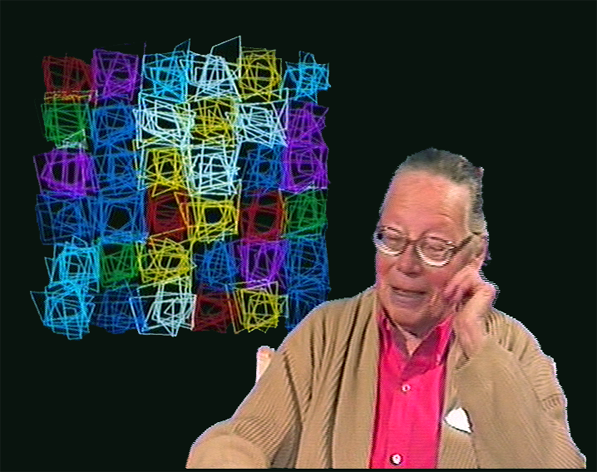 #31
#31
Vera Molnár
Vera Molnár explored rule, permutation and controlled error in the 1960s, with and then without a computer. Its lines and squares demonstrate that a rigorous system can produce surprise, humor and sensitivity.
Read Vera Molnár's Wikipedia entry #32
#32
Endre Bálint
Endre Bálint assembles houses, crosses, fish and silhouettes into floating emblems. His vocabulary, nourished by Szentendre and surrealism, transforms collective memory into personal signs.
Read the Wikipedia entry for Endre BálintNational Foundations
Ranks 33 to 40 - Portrait, history and Nagybanya
From late Baroque to the Nagybanya colony, these painters built the institutions, historical images and outdoor practices on which Hungarian modernity would be based.
 #33
#33
Miklos Barabas
Miklôs Barabás fixes the faces of 19th century Hungarian society with accessible and elegant precision. Oil portraits and watercolors build a veritable gallery of the modern nation.
See the Miklôs Barabás collection #34
#34
Karoly Lotz
Károly Lotz covers palaces, museums and public buildings with vast allegories. Its fluid design, bright ceilings and sense of movement define the historicist setting of Budapest.
See the Károly Lotz collection #35
#35
Bertalan Székely
Bertalan Székely transforms the crises of Hungarian history into strongly composed human dramas. His photographic and graphic studies also reveal methodical research on movement.
See the Bertalan Székely collection #36
#36
Gyula Benczur
Gyula Benczúr masters the great historical scene, the official portrait and the sumptuous decor. His academic virtuosity organizes costume, crowd and light in the service of a spectacular national memory.
See the Gyula Benczúr collection #37
#37
Adám Mányoki
Adám Mányoki gives Hungarian Baroque portraiture an international presence. His court models are defined by the precision of the face, the richness of the fabrics and a dignity without stiffness.
See the Adám Mányoki collection #38
#38
Istvan Reti
István Reti paints the silence of interiors and portraits with a measured palette. A teacher and historian, he also plays an essential role in transmitting the Nagybanya experience.
See the István Reti collection #39
#39
János Thorma
János Thorma connects history painting and outdoor observation. In Nagybanya, he brightens his palette while maintaining particular attention to the story and the psychology of the figures.
See the János Thorma collection #40
#40
Adolf Fenyes
Adolf Fényes observes peasants, artisans and small towns without sentimental idealization. His painting evolves from a dark social realism towards lighter, almost geometric constructions.
See the Adolf Fényes collectionSources and extensions
Compare works in public collections
The dates, movements and landmarks were cross-checked with the resources of major Hungarian institutions. The Hungarian National Gallery illuminates historical painting, Munkácsy and Nagybánya; the Ludwig Museum follows the avant-gardes and the post-war period; the Vasarely and Ferenczy museums allow you to deepen the op art and the Szentendre home.
Hungarian painting transforms borders into a method of creation
In Munkácsy, realistic observation reaches the scale of the great theater. In Nagybanya, light reorganizes the landscape; among the Eight, color and construction accelerate the rupture. Moholy-Nagy then moves painting towards photography and space, while Hantaï, Reigl, Vasarely and Molnár invent other relationships in Paris between gesture, system and perception.
This journey invites us to compare rather than isolate: the national portrait facing the modern mask, the outdoors facing abstraction, the icon of Szentendre facing the algorithm. Each rank is a gateway to a European history made of circulations, returns and exiles.
0 comments