

Top 100 · German painting
One hundred painters, six centuries of German invention
From Dürer to Friedrich, Klee and Richter: Renaissance, romantic landscape, expressionism, Bauhaus and contemporary painting.
German painting does not follow a single line. It was built between Nuremberg, Augsburg and Cologne during the Renaissance; Dresden, Berlin and Munich in the Romantic and Modern era; Weimar and Dessau with the Bauhaus; Düsseldorf, Cologne and Leipzig after 1945. Dürer unites observation and humanism, Friedrich transforms the landscape into an interior experience, the groups Die Brücke and Der Blaue Reiter liberate color, while Klee, Richter, Kiefer and Polke question the very status of the image.

Nature, history, color, form and memory.
From principalities to modern territory
A polycentric history before being national
Before the unification of 1871, artists worked in a Germanic space composed of free cities, courts and principalities. Nuremberg, Augsburg, Cologne, Dresden and Munich develop their own networks. This diversity explains the constant passages between engraving, religious painting, court portrait and landscape, as well as the circulation of artists towards Italy, the Netherlands, Switzerland, Russia and France.
Images that move the gaze
Landscape, color and memory as laboratories
Friedrich makes landscape the place of a metaphysical experience; Kirchner, Marc and Münter charge color with new energy; the Bauhaus links painting, architecture and pedagogy. After 1945, Richter, Kiefer, Polke, Baselitz and Palermo took images from history, photography and the media to test what painting can still say.
The ranking criteria
Influence, invention, preserved works and international scope
The rank combines historical importance, the originality of the language, the quality of the preserved ensembles and the influence on subsequent generations. The perimeter brings together German artists and some international figures inseparable from German schools - Klee, Kandinsky, Jawlensky or Feininger - in order to make visible the exchanges which shaped the Bauhaus and the avant-gardes.
The Top 10
Ten artists who redefined painting in Germany
Dürer, Friedrich, Klee and Richter open a summit where Renaissance, romanticism, abstraction, expressionism and contemporary memory respond to each other.
#1
Albrecht Durer
Albrecht Dürer places the precision of drawing, the observation of nature and humanist ambition at the center of his work. Self-portrait at twenty-eight, The Hare and The Apocalypse allow us to follow his choices without reducing the artist to a famous image.
See the Albrecht Dürer collection #2
#2
Caspar david friedrich
In Caspar David Friedrich, the contemplative landscape, solitude and the feeling of the sublime organize both the composition and the relationship with the spectator. From The Traveler contemplating a sea of clouds to The Sea of Ice, then to The Monk by the Sea, language evolves while maintaining a clear identity.
See the Caspar David Friedrich collection #3
#3
Paul Klee
Senecio reveals the essential of Paul Klee: a poetic language of signs, colors and rhythms. Chirping Machine and Ad Parnassum show how this research expands and changes scale.
See the Paul Klee collection #4
#4
Gerhard Richter
Gerhard Richter's strength lies in the tension between photographic image, memory and abstraction, conducted with rare coherence. Betty offers direct input, while Atlas and Abstraktes Bild illuminate other dimensions.
Read Gerhard Richter's biography on Wikipedia #5
#5
Lucas Cranach the Elder
Lucas Cranach the Elder occupies a unique place in the history of art in Germany through incisive portraits and linear mythology in the service of the court and the Reformation. The comparison of Venus and Cupid, Judith with the head of Holofernes and Portrait of Martin Luther reveals a work more diverse than a single masterpiece.
See the Lucas Cranach the Elder collection #6
#6
Hans Holbein the Younger
Rather than a simple stylistic effect, the psychological truth of the portrait and the virtuosity of the materials become for Hans Holbein the Younger a way of thinking about the image. The Ambassadors, Portrait of Henry VIII and Christ Dead at the Tomb, outline the tensions between observation, invention and memory.
See the Hans Holbein the Younger collection #7
#7
Max Ernst
With Europe after the rain, Max Ernst imposes a vision based on mental collage, rubbing and landscapes from the unconscious. The Celebes Elephant and The Forest and the Dove confirm his ability to renew his subjects without losing his personal construction.
Read Max Ernst's biography on Wikipedia #8
#8
Wassily Kandinsky
Wassily Kandinsky transforms autonomous color and the spiritual construction of abstraction into complete pictorial vocabulary, from detail to general organization. Composition VII, Yellow-red-blue and Improvisation 28 clearly mark this evolution.
See the Wassily Kandinsky collection #9
#9
Franz Marc
Franz Marc's work can be recognized by the symbolic color and an animal vision of the world, never treated as a formula. Between Blue Horse I and The Destiny of Animals, then with The Yellow Cow, it gains in intensity and historical significance.
See the Franz Marc collection #10
#10
Otto Dix
Otto Dix deserves to be looked beyond labels with a sharp realism that exposes the war and fractures of Weimar. War constitutes a major landmark; Portrait of journalist Sylvia von Harden and Skat Players reveal other aspects of her ambition.
Read Otto Dix's biography on WikipediaChapter I · Ranks 11 to 25
Expressionism, Renaissance and the birth of modernity
From Beckmann to Modersohn-Becker, the great old workshops and the ruptures of the early 20th century reveal a history made of decisive inventions.
 #11
#11
Max Beckmann
Max Beckmann places compressed spaces where modern theater becomes an allegory at the center of his work. Le Départ, Self-portrait in a tuxedo and La Nuit allow you to follow the choices without reducing the artist to a famous image.
See the Max Beckmann collection #12
#12
Emil Nolde
In Emil Nolde, an incandescent color applied to landscapes, flowers and religious scenes organizes both the composition and the relationship with the spectator. From The Last Supper to Dancing around the Golden Calf, then to Autumn Sea, the language evolves while maintaining a clear identity.
See the Emil Nolde collection #13
#13
Ernst ludwig kirchner
Berlin Street reveals the essentials of Ernst Ludwig Kirchner: the angular line and chromatic intensity of the modern city. Self-portrait as a soldier and Five Women in the Street show how this research expands and changes scale.
See the Ernst Ludwig Kirchner collection #14
#14
August Macke
August Macke's strength lies in a luminous color that transforms walks, windows and gardens into harmonies, conducted with rare coherence. Lady in a green jacket offers direct entry, while Promenade and Marché in Tunis illuminate other dimensions.
See the August Macke collection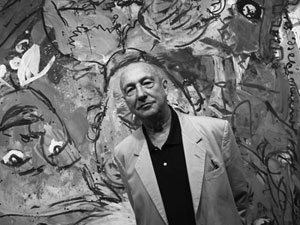 #15
#15
Georg Baselitz
Georg Baselitz occupies a unique place in the history of art in Germany through the inverted figure, the material and the questioning of the national image. The comparison of Der Wald auf dem Kopf, Die große Nacht im Eimer and Adieu reveals a work more diverse than a single masterpiece.
Read Georg Baselitz's biography on Wikipedia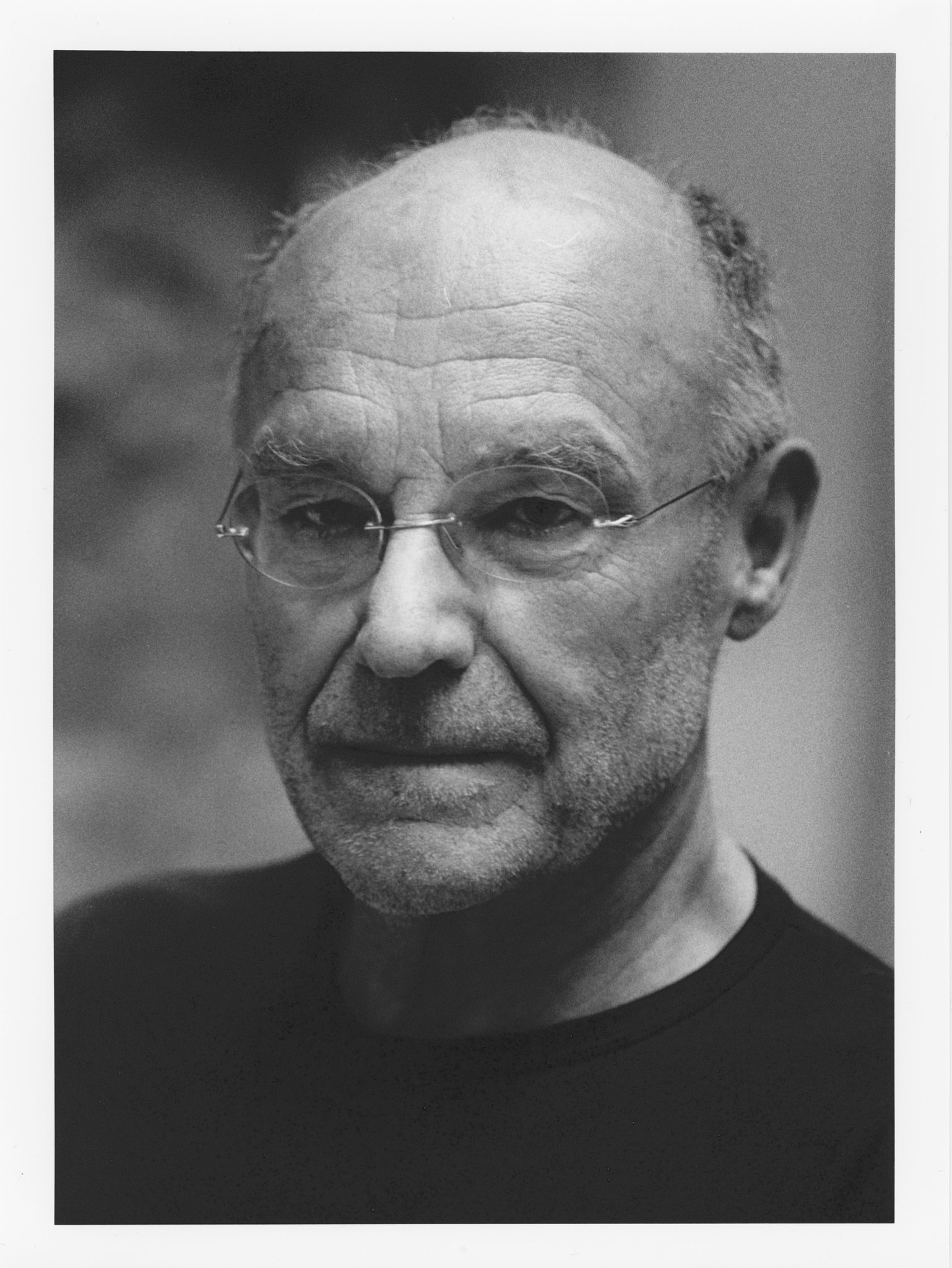 #16
#16
Anselm Kiefer
Rather than a simple stylistic effect, a monumental material which questions German history, memory and mythology becomes for Anselm Kiefer a way of thinking about images. Margarethe, Sulamith and The Orders of the Night outline the tensions between observation, invention and memory.
Read Anselm Kiefer's biography on Wikipedia #17
#17
Matthias Grünewald
With Altarpiece by Issenheim, Matthias Grünewald imposes a vision based on a dramatic spirituality carried by the color and intensity of bodies. Crucifixion and Resurrection confirm his ability to renew his subjects without losing his personal construction.
See the Matthias Grünewald collection #18
#18
Albrecht Altdorfer
Albrecht Altdorfer transforms the autonomous landscape and historical visions on a cosmic scale into complete pictorial vocabulary, from detail to general organization. The Battle of Alexander, Saint George in the Forest and Landscape at the Bridge clearly mark this evolution.
See the Albrecht Altdorfer collection #19
#19
Hans Baldung Grien
Hans Baldung Grien's work can be recognized by a nervous drawing where portraits, witchcraft and vanities respond to each other, never treated as a formula. Between The Three Ages of Women and Death and The Witches' Sabbath, then with Portrait of a Man, it gains in intensity and historical significance.
See the Hans Baldung Grien collection #20
#20
Lovis Corinth
Lovis Corinth deserves to be looked beyond labels thanks to a carnal touch that connects naturalism, impressionism and modernity. Ecce Homo constitutes a major landmark; Self-portrait with skeleton and Walchensee reveal other aspects of his ambition.
See the Lovis Corinth collection #21
#21
Adolph Menzel
Adolph Menzel places an acute observation of the court, industrial work and daily life at the center of his work. The Forge, Flute Concert at Sans-Souci and Room with Balcony allow you to follow the choices without reducing the artist to a famous image.
See the Adolph Menzel collection #22
#22
Wilhelm Leibl
In Wilhelm Leibl, a dense realism attached to faces and Bavarian rural life organizes both the composition and the relationship with the spectator. From Three Women in Church to Portrait of Frau Gedon, then to Peasants in an Inn, language evolves while maintaining a clear identity.
See the Wilhelm Leibl collection #23
#23
Max Liebermann
The Linen Spinner reveals the essentials of Max Liebermann: a moving light applied to work, leisure and gardens. The Goose Feathers and Terrace in Wannsee show how this research is expanding and changing scale.
See the Max Liebermann collection #24
#24
Käthe Kollwitz
Käthe Kollwitz's strength lies in a serious image of poverty, mourning and resistance, conducted with rare coherence. The Weavers' Revolt offers direct entry, while The War and Mother with her dead son shed light on other dimensions.
See the Käthe Kollwitz collection #25
#25
Paula Modersohn-Becker
Paula Modersohn-Becker occupies a unique place in the history of art in Germany with simplified portraits and self-portraits that herald modernity. The comparison of Self-portrait on the sixth wedding anniversary, Old Peasant Woman and Naked Child with a Stork reveals a work more diverse than a single masterpiece.
See the Paula Modersohn-Becker collectionChapter II · Ranks 26 to 50
Bauhaus, Die Brücke and New Objectivity
Münter, Höch, Kirchner, Schlemmer, Grosz and their contemporaries made color, editing, drawing and figure the critical instruments of an unstable era.
 #26
#26
Gabriele Muenter
Rather than a simple stylistic effect, frank contours and a structuring color applied to landscapes and interiors become for Gabriele Münter a way of thinking about images. Murnau, rue du village, Portrait of Marianne von Werefkin and Meditation break down the tensions between observation, invention and memory.
Read Gabriele Münter's biography on Wikipedia #27
#27
Hannah Hoch
With Cut with a Kitchen Knife, Hannah Höch imposes a vision based on the critical photomontage of identities, media and power. La Belle Fille and Fuite confirm his ability to renew his subjects without losing his personal construction.
Read Hannah Höch's biography on Wikipedia #28
#28
Otto Mueller
Otto Mueller transforms nudes and landscapes constructed in a muted range and archaic simplicity into complete pictorial vocabulary, from detail to general organization. Two girls in the reeds, Three nudes in a landscape and Bathers clearly mark this evolution.
See the Otto Mueller collection #29
#29
Karl Schmidt-Rottluff
Karl Schmidt-Rottluff's work can be recognized by the monumental simplification of shapes and a strongly contrasting color, never treated as a formula. Between Houses at Night and Self-Portrait with Monocle, then with Nordic Landscape, it gains in intensity and historical significance.
Read Karl Schmidt-Rottluff's biography on Wikipedia #30
#30
Erich Heckel
Erich Heckel deserves to be looked beyond labels thanks to a line cut like an engraving and landscapes charged with tension. Man with a pipe constitutes a major landmark; Crystal Day and Red Houses reveal other aspects of his ambition.
Read the biography of Erich Heckel on Wikipedia #31
#31
Alexej von Jawlensky
Alexej von Jawlensky places the face reduced to a colorful and meditative icon at the center of his work. Head of a Medusa Woman, Abstract Head and Meditation allow you to follow the choices without reducing the artist to a famous image.
See the Alexej von Jawlensky collection #32
#32
Lyonel Feininger
At Lyonel Feininger, a crystalline architecture where city, light and movement interpenetrate organizes both the composition and the relationship with the viewer. From Church of Gelmeroda to The Lady in Purple, then to Voiliers, language evolves while maintaining a clear identity.
See the Lyonel Feininger collection #33
#33
Oskar Schlemmer
Bauhaus Stairway reveals the essential of Oskar Schlemmer: the human figure transformed by geometry, stage and modern space. Triadisches Ballett and Group at the Table show how this research expands and changes scale.
See the Oskar Schlemmer collection #34
#34
Willi Baumeister
Willi Baumeister's strength lies in elementary signs and surfaces that connect sport, archaism and abstraction, conducted with rare coherence. Tennis player offers direct entry, while Montaru and Eidos illuminate other dimensions.
See the Willi Baumeister collection #35
#35
George Grosz
George Grosz occupies a unique place in the history of art in Germany through the acid satire of the bourgeoisie, militarism and the metropolis. The comparison of The Pillars of Society, Metropolis and Eclipse of the Sun reveals a work more diverse than a single masterpiece.
Read George Grosz's biography on Wikipedia #36
#36
Christian Schad
Rather than a simple stylistic effect, an icy precision which reveals social and intimate tensions becomes for Christian Schad a way of thinking about images. Self-portrait, Countess Vera Wassilko and Agosta and Rasha describe the tensions between observation, invention and memory.
Read Christian Schad's biography on Wikipedia #37
#37
Karl Hofer
With Couple, Karl Hofer imposes a vision based on silent figures whose monumentality reflects the anxiety of the century. Woman in the Mirror and Prisoners confirm her ability to renew her subjects without losing her personal construction.
See the Karl Hofer collection #38
#38
Jeanne Mammen
Jeanne Mammen transforms an independent look at women, cafes and the margins of Berlin into a complete pictorial vocabulary, from detail to general organization. She, Two Women in a Café and At the Lesbian Bar clearly mark this evolution.
Read the biography of Jeanne Mammen on Wikipedia #39
#39
Anton Räderscheidt
Anton Räderscheidt's work can be recognized by isolated couples in a geometric and dehumanized city, never treated as a formula. Between House No. 9 and Self-portrait, then with Man and Woman, it gains in intensity and historical significance.
Read the biography of Anton Räderscheidt on Wikipedia #40
#40
Conrad Felixmuller
Conrad Felixmüller deserves to be looked beyond labels with an energetic drawing focused on workers, family and society. Self-portrait with his son constitutes a major landmark; The Miner and Portrait of Raoul Hausmann reveal other aspects of his ambition.
Read Conrad Felixmüller's biography on Wikipedia #41
#41
Rudolf Schlichter
Rudolf Schlichter places cold, narrative portraits of marginal Berlin at the center of his work. Portrait of Margot, Bertolt Brecht and Hausvogteiplatz allow us to follow the choices without reducing the artist to a famous image.
See the Rudolf Schlichter collection #42
#42
Heinrich Campendonk
In Heinrich Campendonk, animals and figures integrated into networks of transparent colors organize both the composition and the relationship with the viewer. From The Cow to Landscape with Animals, then to The Dream, language evolves while maintaining a clear identity.
Read Heinrich Campendonk's biography on Wikipedia #43
#43
Adolf Hoelzel
Composition in red reveals the essentials of Adolf Hölzel: a theory of color which moves the composition of the subject to autonomy. Adoration and Colorful Figure show how this research expands and changes scale.
See the Adolf Hölzel collection #44
#44
Franz von Stuck
Franz von Stuck's strength lies in a dark mythology where sensuality, decor and concern meet, conducted with rare coherence. Sin offers direct entry, while Lucifer and War illuminate other dimensions.
See the Franz von Stuck collection #45
#45
Martin Schongauer
Martin Schongauer occupies a unique place in the history of art in Germany through the finesse of the engraving and a very clear religious narration. The comparison of The Temptation of Saint Anthony, The Virgin with the Rose Bush and Carrying the Cross reveals a work more diverse than a single masterpiece.
See the Martin Schongauer collection #46
#46
Stefan Lochner
Rather than a simple stylistic effect, a precious sweetness which unites Gothic tradition and Flemish observation becomes for Stefan Lochner a way of thinking about the image. Altarpiece of the patterns of Cologne, Virgin with the Rose Bush and Last Judgment highlight the tensions between observation, invention and memory.
See the Stefan Lochner collection #47
#47
Hans burgkmair
With Portrait of Hans Schellenberger, Hans Burgkmair imposes a vision based on court art open to Italy, prints and distant worlds. Saint John to Patmos and Triumph of Maximilian confirm his ability to renew his subjects without losing his personal construction.
See the Hans Burgkmair collection #48
#48
Hans Holbein the Elder
Hans Holbein the Elder transformed altarpieces and portraits that accompanied the transition from Gothic to Renaissance into complete pictorial vocabulary, from detail to general organization. Basilica of Saint Mary Major, Portrait of Ulrich Schwarz and Altarpiece of Kaisheim clearly mark this evolution.
See the Hans Holbein the Elder collection #49
#49
Lucas Cranach the Younger
The work of Lucas Cranach the Younger can be recognized by the continuity of a large workshop in the service of the Reformation and the Saxon courts, never treated as a formula. Between The Last Supper of the Reformers and Portrait of Philipp Melanchthon, then with Allegory of the Redemption, it gains in intensity and historical significance.
See the Lucas Cranach the Younger collection #50
#50
Hans von Aachen
Hans von Aachen deserves to be looked beyond labels thanks to an international mannerist elegance adapted to court portraiture and allegory. The Triumph of Truth constitutes a major landmark; Bacchus, Ceres and Cupid and Portrait of Emperor Rudolf II reveal other aspects of his ambition.
See the Hans von Aachen collectionChapter III · Ranks 51 to 75
From Baroque to German Romanticism and Impressionism
History painting, landscape, court portrait and urban scenes show how the homes of Munich, Berlin, Dresden, Frankfurt and Hamburg interact with Europe.
 #51
#51
Adam Elsheimer
Adam Elsheimer places small formats where the nocturnal landscape becomes a poetic and cosmic space at the center of his work. The Flight into Egypt, Jupiter and Mercury in Philemon and Baucis and The Fire of Troy allow us to follow the choices without reducing the artist to a famous image.
See the Adam Elsheimer collection #52
#52
Johann Liss
In Johann Liss, a sensual movement and a warm color nourished by Venice and Rome organizes both the composition and the relationship with the spectator. From The Temptation of Saint Anthony to Apollo and Marsyas, then to Judith in Holofernes' tent, language evolves while maintaining a clear identity.
See the Johann Liss collection #53
#53
Georg Flegel
Still life with a parrot reveals the essentials of Georg Flegel: the new autonomy of objects, foods and flowers observed with meticulousness. Snack on fish and Still life with carnations show how this research expands and changes scale.
See the Georg Flegel collection #54
#54
Joachim von Sandrart
Joachim von Sandrart's strength lies in scholarly painting coupled with the founding work of an art historian, conducted with rare coherence. The Month of February offers direct entry, while Allegory of Peace and Portrait of a Woman shed light on other dimensions.
See the Joachim von Sandrart collection #55
#55
Johann heinrich schoenfeld
Johann Heinrich Schönfeld occupies a unique place in the history of art in Germany with ancient and religious scenes animated by silver light. The comparison of The Treasure of Croesus, The Triumph of Venus and Battle reveals a work more diverse than a single masterpiece.
See the Johann Heinrich Schoenfeld collection #56
#56
Cosmas Damian Asam
Rather than a simple stylistic effect, the spectacular fusion of fresco, architecture and light becomes for Cosmas Damian Asam a way of thinking about the image. Frescoes of Weltenburg, Church of Saint John Nepomuk and Assumption of Mary highlight the tensions between observation, invention and memory.
See the Cosmas Damian Asam collection #57
#57
Anton raphael mengs
With Parnassus, Anton Raphael Mengs imposes a vision based on an archaeological classicism which reforms European court painting. Portrait of Charles III and Perseus and Andromeda confirm his ability to renew his subjects without losing his personal construction.
See the Anton Raphael Mengs collection #58
#58
Johann Heinrich Wilhelm Tischbein
Johann Heinrich Wilhelm Tischbein transforms the intellectual portrait and the dialogue between travel, antiquity and literature into complete pictorial vocabulary, from detail to general organization. Goethe in the Roman countryside, Hector defying Paris and Conradin of Swabia clearly mark this evolution.
See the Johann Heinrich Wilhelm Tischbein collection #59
#59
Philipp Otto Runge
Philipp Otto Runge's work can be recognized by a symbolism of nature constructed by color, cycle and allegory, never treated as a formula. Between Le Matin and Les Enfants Hülsenbeck, then with The Three of Us, it gains in intensity and historical significance.
See the Philipp Otto Runge collection #60
#60
Carl Blechen
Carl Blechen deserves to be looked beyond labels with fast, modern light that renews the romantic landscape. Construction of the Devil's Bridge constitutes a major landmark; Villa d'Este Park and Rapallo Bay reveal other aspects of his ambition.
See the Carl Blechen collection #61
#61
Karl Friedrich Schinkel
Karl Friedrich Schinkel places architectural landscapes where project, history and imagination come together at the center of his work. The Cathedral by the water, Medieval Town by the River and Le Matin allow you to follow the choices without reducing the artist to a famous image.
See the Karl Friedrich Schinkel collection #62
#62
Carl Spitzweg
In Carl Spitzweg, a tender humor applied to loners, small towns and interiors organizes both the composition and the relationship with the spectator. From The Poor Poet to The Library Rat, then to The Serenade, language evolves while maintaining a clear identity.
See the Carl Spitzweg collection #63
#63
Moritz von Schwind
The Symphony reveals the essentials of Moritz von Schwind: stories of tales, music and legends in a clear narrative vein. Honeymoon and The King of Alders show how this research expands and changes scale.
See the Moritz von Schwind collection #64
#64
Ludwig Richter
Ludwig Richter's strength lies in a familiar image of the landscape and German life diffused by the illustration, conducted with rare coherence. Crossing the Elbe offers direct entry, while Wedding Procession in Spring and Fountain in Ariccia illuminate other dimensions.
See the Ludwig Richter collection #65
#65
Anselm Feuerbach
Anselm Feuerbach occupies a unique place in the history of art in Germany with a melancholy monumentality which reinterprets antiquity and the Renaissance. The comparison of The Banquet of Plato, Iphigenia and Medea reveals a work more diverse than a single masterpiece.
See the Anselm Feuerbach collection #66
#66
Hans Thoma
Rather than a simple stylistic effect, landscapes of southern Germany loaded with memory and simplicity become for Hans Thoma a way of thinking about images. The Rhine near Säckingen, Self-portrait with Love and Death and Taunuslandschaft break down the tensions between observation, invention and memory.
See the Hans Thoma collection #67
#67
Wilhelm Trübner
With Lady in Gray, Wilhelm Trübner imposes a vision based on compact material and sober color applied to portraiture and landscape. View of the Starnberger See and Salomé confirm his ability to renew his subjects without losing his personal construction.
See the Wilhelm Trübner collection #68
#68
Franz von Lenbach
Franz von Lenbach transforms a dark ceremonial portrait that forges the image of imperial elites into a complete pictorial vocabulary, from detail to general organization. Portrait of Bismarck, Portrait of Richard Wagner and Self-portrait clearly mark this evolution.
See the Franz von Lenbach collection #69
#69
Fritz von Uhde
Fritz von Uhde's work can be recognized by contemporary scenes where light brings together everyday life and spirituality, never treated as a formula. Between Let the Little Children Come to Me and The Meal, then with The Big Sister, it gains in intensity and historical significance.
See the Fritz von Uhde collection #70
#70
Max Slevogt
Max Slevogt deserves to be looked beyond labels with a keen touch of attention to theater, portraiture and outdoor light. The Singer Francisco d'Andrade constitutes a major landmark; Red dancer and Palmenhaus reveal other aspects of her ambition.
See the Max Slevogt collection #71
#71
Lesser Ury
Lesser Ury places the reflections of rain, cafes and traffic of the big city at the center of his work. Berlin at night, Café Bauer and Unter den Linden in the rain allow you to follow the choices without reducing the artist to a famous image.
See the Lesser Ury collection #72
#72
Walter Leistikow
At Walter Leistikow, lakes and forests reduced to great decorative rhythms organize both the composition and the relationship with the viewer. From Grunewaldsee to Soir au Schlachtensee, then to Maison au bord du lac, the language evolves while maintaining a clear identity.
See the Walter Leistikow collection #73
#73
Heinrich von zugel
Beefs at plowing reveals the essentials of Heinrich von Zügel: the light and movement observed in herds and rural work. Sheep in the Rain and Through the Forest show how this research expands and changes scale.
See the Heinrich von Zügel collection #74
#74
Franz Xaver Winterhalter
The strength of Franz Xaver Winterhalter lies in a cosmopolitan elegance which defines the image of European courts, conducted with rare coherence. Empress Eugénie surrounded by her ladies offers direct entry, while Portrait of Sissi and Florinda shed light on other dimensions.
See the Franz Xaver Winterhalter collection #75
#75
Eduard von Grützner
Eduard von Grützner occupies a unique place in the history of art in Germany with scenes of monks and interiors rendered with narrative virtuosity. The comparison of The Tasting, Falstaff and In the Monastery Cellar reveals a work more diverse than a single masterpiece.
See the Eduard von Grützner collectionChapter IV · Ranks 76 to 100
From late expressionism to the contemporary scene
ZERO, informal art, capitalist realism, neo-expressionism and the New School of Leipzig extend German history to current practices of color and image.
 #76
#76
Albert Weisgerber
Rather than a simple stylistic effect, a synthesis of modern color, portrait and religious composition becomes for Albert Weisgerber a way of thinking about images. Absalom, Procession of Saint Sebastian and Self-portrait break down the tensions between observation, invention and memory.
See the Albert Weisgerber collection #77
#77
Christian Rohlfs
With Tournesols, Christian Rohlfs imposes a vision based on a liberated and almost transparent color applied to flowers and landscapes. Datura and Maisons à Soest confirm his ability to renew his subjects without losing his personal construction.
See the Christian Rohlfs collection #78
#78
Max Pechstein
Max Pechstein transforms a bold color inspired by the coasts, bodies and cultures of the Pacific into a complete pictorial vocabulary, from detail to general organization. Under the trees, Pêcheurs and Palau Triptyque clearly mark this evolution.
See the Max Pechstein collection #79
#79
Ludwig Meidner
Ludwig Meidner's work can be recognized by apocalyptic cities and self-portraits crossed by urgency, never treated as a formula. Between Apocalyptic Landscape and The City on Fire, then with Self-Portrait, it gains in intensity and historical significance.
Read Ludwig Meidner's biography on Wikipedia #80
#80
Elfriede Lohse-Wächtler
Elfriede Lohse-Wächtler deserves to be looked beyond labels with direct portraits of marginalized people and her own vulnerability. Self-portrait constitutes a major landmark; Lissy and Patient reveal other aspects of her ambition.
See the Elfriede Lohse-Wächtler collection #81
#81
Anita Ree
Anita Rée places a silent precision that connects portrait, Mediterranean landscape and identity at the center of her work. Self-portrait, Woman with a Parrot and Throat near Pians allow you to follow the choices without reducing the artist to a famous image.
See the Anita Rée collection #82
#82
Josef Albers
In Josef Albers, the methodical experience of the interactions of color and perception organizes both the composition and the relationship with the viewer. From Homage to the square to Variant/Adobe, then to Structural Constellation, language evolves while maintaining a clear identity.
Read Josef Albers' biography on Wikipedia #83
#83
Wols
It's All Over reveals the gist of Wols: a microscopic line and unstable matter on the border of the sign. The City and Blue Phantom show how this research expands and changes scale.
See the Wols collection #84
#84
Blinky Palermo
Blinky Palermo's strength lies in the color released from the chassis in fabrics, objects and murals, driven with rare coherence. Stoffbilder offers direct entry, while To the People of New York City and Blue Disc and Staff illuminate other dimensions.
Read Blinky Palermo's biography on Wikipedia #85
#85
Ernst Wilhelm Nay
Ernst Wilhelm Nay occupies a unique place in the history of art in Germany through color organized into records, rhythms and spatial tensions. The comparison of Fugale Bilder, Scheibenbilder and Augenbilder reveals a work more diverse than a single masterpiece.
Read Ernst Wilhelm Nay's biography on Wikipedia #86
#86
Otto Piene
Rather than a simple stylistic effect, light, fire and air used as materials for an expanded painting become for Otto Piene a way of thinking about images. Lichtballett, Feuerbild and Olympic Rainbow break down the tensions between observation, invention and memory.
Read Otto Piene's biography on Wikipedia #87
#87
Heinz Mack
With Sahara Project, Heinz Mack imposes a vision based on the vibration of light on reliefs, colors and installations. Lichtrelief and Chromatische Konstellation confirm his ability to renew his subjects without losing his personal construction.
Read Heinz Mack's biography on Wikipedia #88
#88
Gunther Uecker
Günther Uecker transforms the nail, shadow and movement transformed into active surfaces into complete pictorial vocabulary, from detail to general organization. Field of nails, New York Dancer and Black Rain clearly mark this evolution.
Read the biography of Günther Uecker on Wikipedia #89
#89
Sigmar Polke
Sigmar Polke's work can be recognized by the irony of media images and incessant experimentation with media, never treated as a formula. Between Girlfriends and Higher Beings Command, then with Watchtower, it gains in intensity and historical scope.
Read Sigmar Polke's biography on Wikipedia #90
#90
Markus Lüpertz
Markus Lüpertz deserves to be looked beyond labels with a heroic and ambiguous painting that revisits historical motifs and myths. Deutsche Motive is a major landmark; Dithyrambe and Arcadia reveal other aspects of his ambition.
Read the biography of Markus Lüpertz on Wikipedia #91
#91
AR Penck
AR Penck places schematic figures that transform politics and communication into signs at the center of his work. Standard, Weltbild and Systembild allow you to follow the choices without reducing the artist to a famous image.
Read AR Penck's biography on Wikipedia #92
#92
Joerg Immendorff
In Joerg Immendorff, a dense pictorial scene which questions German division and the role of the artist organizes both the composition and the relationship with the spectator. From Café Deutschland to Hört auf zu malen, then to Naht, language evolves while maintaining a clear identity.
Read Joerg Immendorff's biography on Wikipedia #93
#93
Martin Kippenberger
Martin, ab in die Ecke reveals the gist of Martin Kippenberger: the self-deprecation and appropriation used against the heroic status of the artist. Paris Bar and The Happy End of Franz Kafka's Amerika show how this research expands and changes scale.
Read Martin Kippenberger's biography on Wikipedia #94
#94
Neo Rauch
Neo Rauch's strength lies in enigmatic stories where socialist realism, dreams and history overlap, conducted with rare coherence. Die Fuge offers direct entry, while Vater and Der Rückzug shed light on other dimensions.
Read Neo Rauch's biography on Wikipedia #95
#95
Albert Oehlen
Albert Oehlen occupies a unique place in the history of art in Germany through a deliberately unstable abstraction which puts painting to the test. The comparison of Computer Paintings, Baumbilder and Untitled 1994 reveals a work more diverse than a single masterpiece.
Read Albert Oehlen's biography on Wikipedia #96
#96
Daniel Richter
Rather than a simple stylistic effect, an electric color applied to history, crowds and conflicts becomes for Daniel Richter a way of thinking about images. Tarifa, Phienox and Lonely Old Slogan break down the tensions between observation, invention and memory.
Read Daniel Richter's biography on Wikipedia #97
#97
Katharina Grosse
With It Wasn't Us, Katharina Grosse imposes a vision based on color sprayed beyond the painting into architecture and landscape. Rockaway! and This Drove My Mother Up the Wall confirm his ability to renew his subjects without losing his personal construction.
Read Katharina Grosse's biography on Wikipedia #98
#98
Rosemarie Trockel
Rosemarie Trockel transforms a precise critique of artistic and social categories through multiple mediums into a complete pictorial vocabulary, from detail to general organization. Knitted paintings, Cogito, ergo sum and A Cosmos clearly mark this evolution.
Read Rosemarie Trockel's biography on Wikipedia #99
#99
Norbert Bisky
Norbert Bisky's work can be recognized by luminous and fragmented bodies which confront utopia, violence and media, never treated as a formula. Between Fernzünder and Vertigo, then with Pompa, it gains in intensity and historical significance.
Read Norbert Bisky's biography on Wikipedia #100
#100
Jonathan Meese
Jonathan Meese deserves to be looked beyond labels thanks to a theatrical and provocative mythology that mixes painting, installation and performance. Die Diktatur der Kunst constitutes a major landmark; Dr. No and Parsifal reveal other aspects of his ambition.
Read Jonathan Meese's biography on WikipediaSources and routes
Extend the visit to German painting
The dates, schools and landmarks were compared with the resources of German museums retaining major ensembles of Dürer, Friedrich, Expressionism, Bauhaus and post-war art.
Explore Alpha Reproduction
German painting turns history into visual experience
From Dürer's exact line to Friedrich's silence, from expressionist color to Richter's blurred images, this story moves forward in shifts. Each generation takes up the portrait, the landscape, the body or the collective memory to ask what an image can show - and what it should leave open.
To choose a reproduction, start from the desired atmosphere: the precision of Dürer, the sublime of Friedrich, the poetry of Klee, the energy of Marc, the structure of Kandinsky or the ambiguity of Richter. Eligible files lead directly to the store's verified collections.
0 comments