

Top 100 · Italian painting
One hundred painters to explore eight centuries of Italian art
From Giotto to Caravaggio, from Leonardo da Vinci to Artemisia Gentileschi, then from Modigliani to Burri: a history made of cities, workshops and ruptures.
Italian painting is not just about the Renaissance. It was born from exchanges between Byzantium, Rome and medieval communes, flourished in Florence, Siena, Venice, Ferrara and Milan, then reinvented the Baroque in Rome, Bologna, Naples and Genoa. In the 19th century, the Risorgimento and the Macchiaioli renewed the national image; in the 20th century, futurism, metaphysics, spatialism and informal art placed Italy at the center of the avant-gardes.

Perspective, color, light, movement and matter.
Geography before school
Florence, Venice, Rome, Siena and Naples speak different languages
Florence builds body and perspective; Venice thinks through color and atmosphere; Siena preserves line and gold; Rome transforms Antiquity into a monumental program; Naples pushes naturalism and chiaroscuro to a spectacular intensity. These foci circulate, compete and fertilize each other.
Commands that shape the image
Churches, brotherhoods, palaces and collectors guide inventions
Public frescoes, altarpieces, court portraits and paintings intended for the private market do not meet the same uses. Understanding their purpose sheds light on the format, point of view, materials and way in which each artist addresses their audience.
The ranking criteria
Influence, invention, preserved works and international scope
The rank intersects with historical importance, the originality of the language, the quality of the preserved ensembles and the influence exerted on subsequent generations. The fifty artists from the previous edition are all preserved and supplemented by fifty figures necessary for a fairer vision of Italian painting.
The Top 10
Ten masters who changed the Western outlook
Leonardo, Michelangelo, Raphael, Caravaggio, Botticelli, Titian and Giotto concentrated the major revolutions in Italian painting.
 #1
#1
Leonardo da Vinci
Leonardo da Vinci made the science of gaze a method of observation as much as a personal language. The Mona Lisa, The Last Supper and The Virgin of the Rocks allow us to follow their inventions without reducing the work to a single masterpiece.
See the Leonardo da Vinci collection #2
#2
Michelangelo
In Michelangelo, the monumental body organizes the composition and the relationship with the spectator. From Sistine Chapel to The Last Judgment, then to Doni Tondo, this research is transformed while retaining an immediately readable identity.
See the Michelangelo collection #3
#3
Raphael
The School of Athens reveals Raphael's essentials: sovereign harmony, but also an acute attention to gesture and presence. The Sistine Madonna and The Transfiguration show how this principle moves to other subjects.
See the Raphaël collection #4
#4
Caravaggio
The strength of Caravaggio lies in dramatic chiaroscuro, conducted with rare coherence. The Vocation of Saint Matthew offers direct entry, while Bacchus and The Entombment shed light on the successive developments of his practice.
See the Caravaggio collection #5
#5
Sandro Botticelli
Sandro Botticelli occupies a unique place in Italian painting through his sense of poetic line. The comparison between The Birth of Venus, Spring and The Adoration of the Magi reveals a work more diverse than its most famous image.
See the Sandro Botticelli collection #6
#6
Titian
Rather than a simple stylistic effect, Venetian color becomes a way of thinking about painting for Titian. Venus of Urbino, Bacchus and Ariadne and Assumption of the Virgin break down the tensions between tradition, experience and invention.
See the Titian collection #7
#7
Giotto
With Chapelle Scrovegni, Giotto imposes a vision based on human volume. Lamentation and Madonna Ognissanti confirm her ability to renew subjects while maintaining a very personal construction.
See the Giotto collection #8
#8
Masaccio
Masaccio transforms founding perspective into complete pictorial vocabulary, from detail to the general organization of the scene. The Trinity, The Payment of Tribute and Adam and Eve Chased clearly mark this evolution.
See the Masaccio collection #9
#9
Piero della Francesca
The work of Piero della Francesca can be recognized as silent geometry, never treated as a formula. Between The Flagellation of Christ and The Resurrection, then with Cycle of the True Cross, it gains in turn in intensity, freedom and historical significance.
See the Piero della Francesca collection #10
#10
Andrea Mantegna
Andrea Mantegna deserves to be looked beyond categories thanks to sculptural rigor. The dead Christ constitutes a major landmark; Caesar's Chamber of Spouses and Triumphs reveal other, sometimes more intimate, aspects of his ambition.
See the Andrea Mantegna collectionChapter I · Ranks 11 to 25
From Siena to Venice, the Renaissance is reinventing itself
Venetian color, Florentine grace, perspective, portrait and mannerism make up a golden age far more diverse than a single style.
 #11
#11
Giovanni Bellini
Giovanni Bellini makes meditative light a method of observation as much as a personal language. Saint Francis in the desert, Altarpiece San Giobbe and Madonnas allow us to follow his inventions without reducing the work to a single masterpiece.
See the Giovanni Bellini collection #12
#12
Giorgione
In Giorgione, pastoral mystery organizes the composition and the relationship with the spectator. From The Tempest to Sleeping Venus, then to The Three Philosophers, this research is transformed while retaining an immediately readable identity.
See the Giorgione collection #13
#13
Tintoretto
The Miracle of the Slave reveals the essentials of Tintoretto: theatrical speed, but also an acute attention to gesture and presence. The Last Supper and Paradise show how this principle moves to other subjects.
See the Tintoretto collection #14
#14
Paolo Veronese
Paolo Veronese's strength lies in decorative splendor, conducted with rare coherence. The Wedding at Cana offers a direct entry, while Le Repas chez Lévi and Mars et Vénus shed light on the successive developments of his practice.
See the Paolo Veronese collection #15
#15
Fra Angelico
Fra Angelico occupies a unique place in Italian painting through his sense of spiritual light. The comparison between The Annunciation, Coronation of the Virgin and Frescoes of San Marco reveals a work more diverse than its most famous image.
See the Fra Angelico collection #16
#16
Duccio
Rather than a simple stylistic effect, Byzantine gold became a way of thinking about painting for Duccio. Maestà, Madone Rucellai and Crucifixion break down the tensions between tradition, experience and invention.
See the Duccio collection #17
#17
Cimabue
With Crucifix de Santa Croce, Cimabue imposes a vision based on sacred transition. Maestà and Madonna enthroned confirm her ability to renew subjects while maintaining a very personal construction.
See the Cimabue collection #18
#18
Simone Martini
Simone Martini transforms linear elegance into complete pictorial vocabulary, from detail to the general organization of the scene. Annunciation, Guidoriccio da Fogliano and Saint Louis de Toulouse clearly mark this evolution.
See the Simone Martini collection #19
#19
Pietro Perugino
Pietro Perugino's work can be recognized by Umbrian gentleness, never treated as a formula. Between handing over the keys to Saint Peter and Pietà, then with Madonnas, it gains in turn in intensity, freedom and historical significance.
See the Pietro Perugino collection #20
#20
Domenico Ghirlandaio
Domenico Ghirlandaio deserves to be looked at beyond categories thanks to Florentine chronicle. Cycle Tornabuoni constitutes a major landmark; Life of Saint Francis and Portraits reveal other, sometimes more intimate, aspects of his ambition.
See the Domenico Ghirlandaio collection #21
#21
Filippo Lippi
Filippo Lippi makes embodied tenderness a method of observation as much as a personal language. Madonna and Child, Coronation of the Virgin and Frescoes by Prato allow us to follow its inventions without reducing the work to a single masterpiece.
See the Filippo Lippi collection #22
#22
Antonello da Messina
In Antonello da Messina, luminous intimacy organizes the composition and the relationship with the spectator. From Saint Jerome in his office to Ecce Homo, then to Portrait of a Man, this research is transformed while retaining an immediately readable identity.
See the Antonello da Messina collection #23
#23
Vittore Carpaccio
Cycle of Saint Ursula reveals the essentials of Vittore Carpaccio: urban story, but also an acute attention to gesture and presence. Two Venetian ladies and Saint George show how this principle moves towards other subjects.
See the Vittore Carpaccio collection #24
#24
Correggio
Correggio's strength lies in celestial illusion, conducted with rare coherence. Assumption of the Virgin offers direct entry, while Jupiter and Io and Noli me tangere shed light on the successive developments of his practice.
See the Correggio collection #25
#25
Parmigianino
Parmigianino occupies a unique place in Italian painting through his sense of elongated elegance. The comparison between Madonna with the Long Neck, Self-Portrait with Convex Mirror and Cupid reveals a work more diverse than his most famous image.
See the Parmigianino collectionChapter II · Ranks 26 to 50
Course, chiaroscuro and first modernities
From mannerism to baroque, then from rococo to futurism, Italian artists are constantly moving the boundaries of the image.
 #26
#26
Bronzino
Rather than a simple stylistic effect, aristocratic coldness becomes for Bronzino a way of thinking about painting. Portrait of Eleanor of Toledo, Allegory with Venus and Medicean Portraits break down the tensions between tradition, experience and invention.
See the Bronzino collection #27
#27
Pontormo
With Deposition of Santa Felicita, Pontormo imposes a vision based on lyrical instability. Visitation and Joseph in Egypt confirm his ability to renew subjects while maintaining a very personal construction.
See the Pontormo collection #28
#28
Artemisia Gentileschi
Artemisia Gentileschi transforms narrative force into complete pictorial vocabulary, from detail to the general organization of the scene. Judith beheading Holofernes, Suzanne and the Old Men and Self-Portraits clearly mark this evolution.
See the Artemisia Gentileschi collection #29
#29
Annibale Carracci
Annibale Carracci's work can be recognized by classical reform, never treated as a formula. Between Galerie Farnèse and Le Mangeur de fèves, then with Pietà, it gains in turn in intensity, freedom and historical significance.
See the Annibale Carracci collection #30
#30
Guido Reni
Guido Reni deserves to be looked at beyond categories thanks to ideal grace. The Dawn constitutes a major landmark; Saint Michael and Atalanta and Hippomenes reveal other, sometimes more intimate, aspects of his ambition.
See the Guido Reni collection #31
#31
Guercino
Guercino makes carnal emotion a method of observation as much as a personal language. And in Arcadia ego, L'Aurore and Saint Guillaume d'Aquitaine allow us to follow its inventions without reducing the work to a single masterpiece.
See the Guercino collection #32
#32
Luca Signorelli
In Luca Signorelli, visionary anatomy organizes the composition and the relationship with the spectator. From Chapelle San Brizio to The Last Judgment, then to Madonnas, this research is transformed while retaining an immediately readable identity.
See the Luca Signorelli collection #33
#33
Giovanni Battista Tiepolo
Würzburg frescoes reveal the essentials of Giovanni Battista Tiepolo: theatrical sky, but also an acute attention to gesture and presence. Cleopatra's Symposium and Apotheoses show how this principle moves to other subjects.
See the Giovanni Battista Tiepolo collection #34
#34
Canaletto
Canaletto's strength lies in urban precision, conducted with rare coherence. The Grand Canal offers direct entry, while St. Mark's Square and Views of Venice shed light on successive developments in his practice.
See the Canaletto collection #35
#35
Francesco Guardi
Francesco Guardi occupies a unique place in Italian painting through his sense of atmospheric vibration. The comparison between Views of Venice, Caprices and Lagoon reveals a work more diverse than its most famous image.
See the Francesco Guardi collection #36
#36
Rosalba Carriera
Rather than a simple stylistic effect, virtuoso pastel becomes a way of thinking about painting for Rosalba Carriera. Self-portrait, Pastel Portraits and Young Girl with a Monkey break down the tensions between tradition, experience and invention.
See the Rosalba Carriera collection #37
#37
Sofonisba Anguissola
With The Chess Game, Sofonisba Anguissola imposes a vision based on psychological presence. Self-portrait and Portrait of Philip II confirm his ability to renew subjects while maintaining a very personal construction.
See the Sofonisba Anguissola collection #38
#38
Lavinia Fontana
Lavinia Fontana transforms public ambition into complete pictorial vocabulary, from detail to the general organization of the scene. Self-portrait with harpsichord, Noli me tangere and Portrait of Antonietta Gonsalvus clearly mark this evolution.
See the Lavinia Fontana collection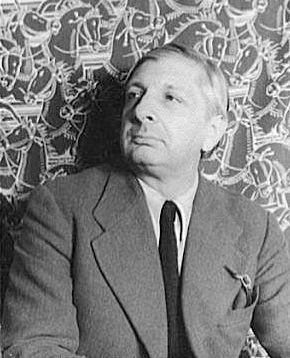 #39
#39
Giorgio de Chirico
The work of Giorgio de Chirico can be recognized as a modern enigma, never treated as a formula. Between The Song of Love and Mystery and Melancholy of a Street, then with The Disturbing Muses, it gains in turn in intensity, freedom and historical significance.
Read the biography of Giorgio de Chirico on Wikipedia #40
#40
Amedeo Modigliani
Amedeo Modigliani deserves to be looked at beyond categories thanks to melancholic line. Reclining nude constitutes a major landmark; Jeanne Hébuterne and Portraits reveal other, sometimes more intimate, aspects of her ambition.
See the Amedeo Modigliani collection #41
#41
Umberto Boccioni
Umberto Boccioni makes modern speed a method of observation as much as a personal language. The Rising City, States of Soul and Dynamism allow us to follow its inventions without reducing the work to a single masterpiece.
See the Umberto Boccioni collection #42
#42
Giacomo Balla
In Giacomo Balla, analytical movement organizes composition and the relationship with the spectator. From Dynamism of a Dog on a Leash to Lampada ad arco, then to Abstract Speed, this research is transformed while retaining an immediately readable identity.
Read Giacomo Balla's biography on Wikipedia #43
#43
Carlo Carrà
Funeral of the anarchist Galli reveals the essential of Carlo Carrà: constructed rupture, but also an acute attention to gesture and presence. The Metaphysical Muse and Landscapes show how this principle moves towards other subjects.
Read Carlo Carrà's biography on Wikipedia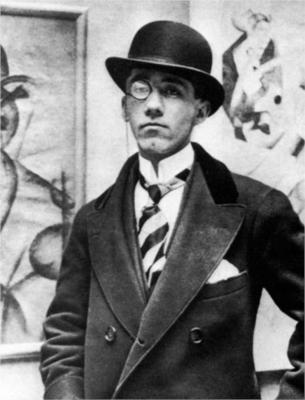 #44
#44
Gino Severini
Gino Severini's strength holds at a fragmented pace, driven with rare coherence. Blue Dancer offers direct entry, while Armored Train and Dynamic Hieroglyph shed light on the successive developments of her practice.
Read Gino Severini's biography on Wikipedia #45
#45
Giorgio Morandi
Giorgio Morandi occupies a unique place in Italian painting through his sense of tonal silence. The comparison between Still Lifes, Landscapes of Grizzana and Bottles reveals a work more diverse than its most famous image.
Read Giorgio Morandi's biography on Wikipedia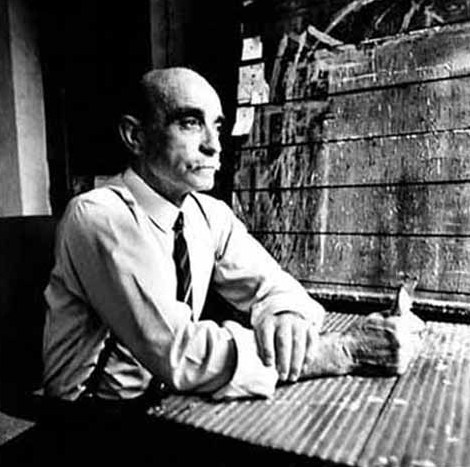 #46
#46
Lucio Fontana
Rather than a simple stylistic effect, open surface becomes a way of thinking about painting for Lucio Fontana. Concetto spaziale, Tagli and Ambienti spaziali break down the tensions between tradition, experience and invention.
Read Lucio Fontana's biography on Wikipedia #47
#47
Giovanni Boldini
With Portrait of Donna Franca Florio, Giovanni Boldini imposes a vision based on worldly momentum. Parisian portraits and Whistler confirm his ability to renew subjects while maintaining a very personal construction.
See the Giovanni Boldini collection #48
#48
Giuseppe Arcimboldo
Giuseppe Arcimboldo transforms visual metamorphosis into complete pictorial vocabulary, from detail to the general organization of the scene. The Seasons, The Elements and Vertumnus clearly mark this evolution.
See the Giuseppe Arcimboldo collection #49
#49
Nice da Fabriano
Gentile da Fabriano's work is recognized as Gothic luxury, never treated as a formula. Between Adoration of the Magi and Madonnas, then with Polyptychs, it gains in turn in intensity, freedom and historical significance.
See the Gentile da Fabriano collection #50
#50
Pietro Longhi
Pietro Longhi deserves to be looked at beyond categories through daily theater. The Rhinoceros constitutes a major landmark; Scènes de société and Le Charlatan reveal other, sometimes more intimate, aspects of his ambition.
See the Pietro Longhi collectionChapter III · Ranks 51 to 75
Workshops, cities and inventions of the Renaissance
Florence, Siena, Ferrara, Venice and Rome reveal here their schools, their rivalries and their sometimes forgotten traditions.
 #51
#51
Paolo Uccello
Paolo Uccello subjects battles, hunts and sacred stories to a perspective as scholarly as it is strange. In The Battle of San Romano, mathematical space becomes a theater of spears, armor and unreal colors.
See the Paolo Uccello collection #52
#52
Andrea del Verrocchio
Andrea del Verrocchio runs one of the most fruitful workshops in Florence, where Leonardo da Vinci and Perugino were trained. His precise drawing, his sense of volume and the Baptism of Christ bring painting and sculpture into dialogue.
See the Andrea del Verrocchio collection #53
#53
Benozzo Gozzoli
Benozzo Gozzoli transforms the Chapel of the Magi into a sumptuous procession through Tuscany. The portraits of the Medici, the fabrics and the landscape unite political chronicle and decorative marvel.
See the Benozzo Gozzoli collection #54
#54
Carlo Crivelli
Carlo Crivelli builds altarpieces of almost tactile precision, loaded with fruit, marble and jewelry. Its intensely expressive saints and impossible architectures give the sacred a unique theatrical presence.
See the Carlo Crivelli collection #55
#55
Domenico Veneziano
Domenico Veneziano bathes his figures in a clear light that unifies architecture, color and perspective. The Altarpiece of Santa Lucia by Magnoli announces a brighter and more atmospheric Florentine painting.
See the Domenico Veneziano collection #56
#56
Cosimo Tura
Cosimo Tura gives bodies, rocks and draperies an instantly recognizable metallic tension. At the court of Ferrara, his imagination transforms humanism into nervous and fantastic vision.
See the Cosimo Tura collection #57
#57
Ercole de' Roberti
Ercole de' Roberti condenses religious stories into rapid, angular and highly emotional compositions. Its small panels and large altarpieces make perspective a dramatic instrument.
See the Ercole de' Roberti collection #58
#58
Giovanni di Paolo
Giovanni di Paolo paints jagged landscapes, miniature cities and golden skies that seem to escape ordinary laws. His late Sienese art combines fervor, storytelling and visionary invention.
See the Giovanni di Paolo collection #59
#59
Ambrogio Lorenzetti
Ambrogio Lorenzetti expands civic painting with the frescoes of Good and Bad Government. The city, the countryside and daily work become actors in unprecedented political reflection.
See the Ambrogio Lorenzetti collection #60
#60
Pietro Lorenzetti
Pietro Lorenzetti gives religious scenes a new spatial density and human intensity. His Assisi frescoes convey mourning, gesture and architecture with a force that prepares the Renaissance.
See the Pietro Lorenzetti collection #61
#61
Taddeo Gaddi
Taddeo Gaddi extends Giotto's teaching while experiencing light and depth. In the Baroncelli chapel, the Annunciation to the Shepherds makes nocturnal brilliance a true pictorial subject.
See the Taddeo Gaddi collection #62
#62
Paolo Veneziano
Paolo Veneziano unites Byzantine tradition with the more flexible rhythms of Gothic. Its golden polyptychs give Venice a monumental language before the rise of the Lagoon Renaissance.
See the Paolo Veneziano collection #63
#63
Melozzo da Forligh
Melozzo da Forl§ masters shortcut and ascending perspective with spectacular audacity. His musical angels and apostles seen from below open the way to the great Italian illusionist settings.
See the Melozzo da Forlikh collection #64
#64
Piero di Cosimo
Piero di Cosimo populates the primitive story of monsters, fires and animals observed with curiosity. His singular imagination mixes mythology, natural science and domestic strangeness.
See the Piero di Cosimo collection #65
#65
Lorenzo Lotto
Lorenzo Lotto captures his models in moments of worry, surrounded by meaningful objects. His portraits and altarpieces combine Venetian color, psychology and symbols with a very personal frankness.
See the Lorenzo Lotto collection #66
#66
Sebastiano del Piombo
Sebastiano del Piombo brings the colorful depth of Venice to Roman monumentality. His collaboration with Michelangelo produces powerful figures, immersed in serious and silent atmospheres.
See the Sebastiano del Piombo collection #67
#67
Jacopo Bassano
Jacopo Bassano installs biblical stories among the animals, tools and gestures of a Venetian farm. Its night light and vibrant colors transform the rustic scene into a spiritual experience.
See the Jacopo Bassano collection #68
#68
Federico Barocci
Federico Barocci softens Mannerist tension with pearly colors and circular movements. His countless preparatory drawings give his religious scenes a fluid emotion that announces the Baroque.
See the Federico Barocci collection #69
#69
Dosso Dossi
Dosso Dossi treats myths and enchantments like painted enigmas. Its warm color, deep landscapes and deliberately ambiguous stories make the court of Ferrara a laboratory of visual poetry.
See the Dosso Dossi collection #70
#70
Giovanni Battista Moroni
Giovanni Battista Moroni paints nobles, artisans and scholars with a direct presence, free from the emphasis of court. The Tailor shows how a professional gesture can become the center of a large portrait.
See the Giovanni Battista Moroni collection #71
#71
Palma the Old
Palma the Elder develops a broad, peaceful and colorful beauty that appeals to Venetian collectors. His sacred conversations and female portraits favor the harmony of figures over landscape.
See the Palma le Vieux collection #72
#72
Garofalo
Garofalo adapts Raphael's balances to the light and traditions of Ferrara. Its clear, orderly and narrative altarpieces ensure the lasting diffusion of classicism in northern Italy.
See the Garofalo collection #73
#73
Mattia Preti
Mattia Preti brings out saints, philosophers and martyrs from a shadow crossed by large bursts of light. From Naples to Malta, his energetic brush renews the Caravaggesque heritage on a monumental scale.
See the Mattia Preti collection #74
#74
Salvator Rosa
Salvator Rosa invents wild landscapes where rocks, bandits and storms refuse the classical ideal. Painter, poet and satirist, he constructs the figure of an independent artist who will fascinate the romantics.
See the Salvator Rosa collection #75
#75
Pietro da Cortona
Pietro da Cortona opens Roman ceilings to fictional architecture and crowds of moving allegories. The Triumph of Divine Providence makes painting, stucco and space a total spectacle.
See the Pietro da Cortona collectionChapter IV · Ranks 76 to 100
From the great baroque decor to the modern break
Illusion, landscape, Risorgimento, divisionism, futurism, matter and concept extend Italian history until the 20th century.
 #76
#76
Domenichino
Domenichino organizes sacred stories with a clarity that lets every gesture carry emotion. Its classical landscapes and Roman frescoes defend a measured path within the Baroque.
See the Domenichino collection #77
#77
Carlo Dolci
Carlo Dolci focuses attention on collected faces, delicate hands and precious materials. His devotional painting transforms meticulousness into silent intensity.
See the Carlo Dolci collection #78
#78
Elisabetta Sirani
Elisabetta Sirani runs an active workshop in Bologna and trains several women artists despite a very brief career. Its biblical and ancient heroines combine decision, elegance of drawing and speed of execution.
See the Elisabetta Sirani collection #79
#79
Bernardo Strozzi
Bernardo Strozzi connects Genoese naturalism to the free color of Venice. Its cooks, musicians and saints have a generous material that makes the light almost palpable.
See the Bernardo Strozzi collection #80
#80
Giovanni Lanfranco
Giovanni Lanfranco propels the figures towards the top of the domes in vast luminous spirals. His Assumption of Sant'Andrea della Valle imposes a decisive model for Baroque illusionism.
See the Giovanni Lanfranco collection #81
#81
Andrea Pozzo
Andrea Pozzo abolishes the limits of architecture with a perspective calculated to the point of vertigo. In Sant'Ignazio, real ceiling and painted sky merge to place the viewer at the center of the illusion.
See the Andrea Pozzo collection #82
#82
Sebastiano Ricci
Sebastiano Ricci lightens the great baroque decor with a bright touch and light colors. His travels spread from Venice to London a brilliant language which prepares the European rococo.
See the Sebastiano Ricci collection #83
#83
Giovanni Battista Piazzetta
Giovanni Battista Piazzetta models his figures with powerful contrasts of light and velvety shadows. His religious scenes and his drawings maintain an intimate gravity in the heart of the Venetian 18th century.
See the Giovanni Battista Piazzetta collection #84
#84
Pompeo Batoni
Pompeo Batoni becomes the preferred portraitist for travelers on the Grand Tour in Rome. It combines resemblance, antiques and social staging in images that create a cultivated European identity.
See the Pompeo Batoni collection #85
#85
Giovanni Paolo Panini
Giovanni Paolo Panini brings together ruins, ceremonies and imaginary galleries in skillfully orchestrated perspectives. Its whims make Rome a spectacular memory that the traveler can recompose with their gaze.
See the Giovanni Paolo Panini collection #86
#86
Francesco Hayez
Francesco Hayez gives Italian romanticism its most political and sensitive images. The Kiss unites private passion and national aspiration in a composition that has become emblematic of the Risorgimento.
See the Francesco Hayez collection #87
#87
Giovanni Fattori
Giovanni Fattori builds Tuscan soldiers, peasants and landscapes with large spots of light and color. Its sober realism avoids heroic anecdote to observe fatigue, space and time.
See the Giovanni Fattori collection #88
#88
Telemaco Signorini
Telemaco Signorini applies spot painting to the streets, institutions and margins of modern society. Its bold framing gives social observation a new visual intensity.
See the Telemaco Signorini collection #89
#89
Silvestro Lega
Silvestro Lega finds a calm light in gardens and family interiors, structured by simple masses. His intimate scenes give the Macchiaioli movement its most tender and meditative note.
See the Silvestro Lega collection #90
#90
Giovanni Segantini
Giovanni Segantini fragments the alpine light into colorful filaments which give the mountains a spiritual presence. Maternity, pastoral work and the cycle of the seasons become universal symbols for him.
See the Giovanni Segantini collection #91
#91
Gaetano Previati
Gaetano Previati stretches the divisionist touch into light fibers adapted to dreams, mourning and music. His Maternity transforms a modern technique into an enveloping and almost immaterial vision.
See the Gaetano Previati collection #92
#92
Giuseppe Pellizza da Volpedo
Giuseppe Pellizza da Volpedo uses divided light to give dignity and collective strength to workers. The Fourth State advances towards the viewer as an image that is social, monumental and modern.
See the Giuseppe Pellizza da Volpedo collection #93
#93
Federico Zandomeneghi
Federico Zandomeneghi adapts the color of Macchiaioli to impressionist research in Paris. His women reading, combing their hair or conversing are observed closely, without losing the rigor of the composition.
See the Federico Zandomeneghi collection #94
#94
Antonio Mancini
Antonio Mancini accumulates impasto, shards and sometimes imprints of grids until the surface vibrates. His portraits of children and artists combine psychological vulnerability and material virtuosity.
See the Antonio Mancini collection #95
#95
Felice Casorati
Felice Casorati installs figures, objects and architecture in a geometric silence that suspends the story. His coldly luminous portraits connect the Italian Renaissance to the magical realism of the 20th century.
Read Felice Casorati's biography on Wikipedia #96
#96
Luigi Russolo
Luigi Russolo translates urban speed into lines of force and colors crossed by energy. With The Art of Noises, he goes beyond painting to imagine a radically new listening to the industrial world.
See the Luigi Russolo collection #97
#97
Fortunato Depero
Fortunato Depero transforms futurism into a universe of mechanical puppets, typographies and bold colors. Painting, advertising, theater and furniture become for him the elements of total art.
Read Fortunato Depero's biography on Wikipedia #98
#98
Renato Guttuso
Renato Guttuso gives markets, political struggles and bodies an ardent and deliberately direct color. The Vucciria condenses its attachment to Sicily in an almost sonorous abundance.
Read Renato Guttuso's biography on Wikipedia #99
#99
Alberto Burri
Alberto Burri makes bags, burnt plastics and cracked surfaces the protagonists of painting. Injury, sewing and combustion transform poor material into rigorous construction.
Read Alberto Burri's biography on Wikipedia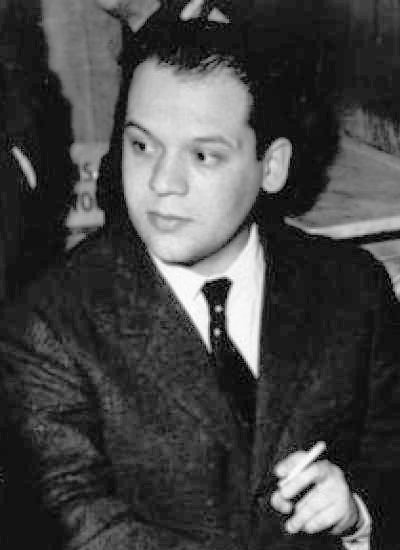 #100
#100
Piero Manzoni
Piero Manzoni challenges the art object, signature and value with methodical irony. His Achromes seek a liberated surface of composition, while his conceptual gestures shift the very role of the artist.
Read Piero Manzoni's biography on WikipediaSources and routes
Extend the visit to Italian painting
Biographical landmarks, dates and schools were confronted with the resources of museums preserving major ensembles, from medieval painting to the avant-gardes.
Italian painting is a story of transformations
These hundred artists show a tradition which advances less by quiet succession than by revivals, rivalries and ruptures. Giotto gives weight to bodies; the Renaissance measures space; Venice liberates color; Caravaggio dramatizes light; the baroque opens the ceilings; the moderns finally attack the surface and the material themselves.
To choose a reproduction, start from the desired experience: the balance of Raphael, the line of Botticelli, the color of Titian, the shadow of Caravaggio, the silence of Morandi or the energy of Boccioni. Each sheet opens a journey dedicated to the artist and his available works.
0 comments