
Reproduction du tableau « L'Arrestation du Christ - Le Caravage » par Alpha Reproduction en peinture à l’huile

Top 100 Most Influential Baroque Painters

The Baroque movement, born in Italy at the dawn of the 17th century under the impetus of the Counter-Reformation, marks a radical break with the balanced serenity of the Renaissance. It is an art of staging, instability, and raw emotion, designed to dazzle and captivate the viewer through dynamic compositions and a spectacular mastery of chiaroscuro. By exploring the tensions between shadow and light, the spiritual and the carnal, Baroque painters transformed the canvas into a living theater where the energy of moving bodies and the depth of psychological expressions create a sensory experience of unparalleled intensity.

This ranking of the 100 most significant Baroque artists illustrates the extraordinary diversity of a style that has adapted to the sensibilities of all of Europe. From the provocative naturalism of Caravaggio in Rome to the decorative splendor of Rubens in Antwerp, through the psychological realism of Rembrandt in Amsterdam and the solemn dignity of Velázquez in Madrid, Baroque takes on multiple faces. Whether expressed through illusionistic celestial ceilings or the mystical silence of a still life, this artistic heritage remains a testament to an era inhabited by a sense of drama, the quest for the grandiose, and an infinite fascination with the contrasts of the human condition.

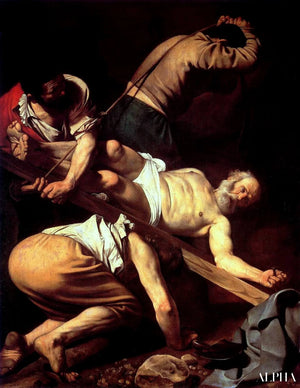
1- Caravaggio (Michelangelo Merisi, 1571–1610)

1- Caravaggio (Michelangelo Merisi, 1571–1610)

Revolutionary painter of the late Renaissance, he transformed art through radical naturalism and dramatic chiaroscuro, giving his scenes an unprecedented realistic and emotional intensity.
See the collection
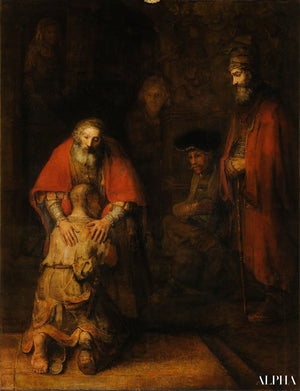
2- Rembrandt Harmenszoon van Rijn, (1606–1669)

2- Rembrandt Harmenszoon van Rijn, (1606–1669)

Major painter of the Dutch Golden Age, he is recognized for the psychological depth of his portraits, the mastery of chiaroscuro, and an intimate exploration of the human condition.

See the collection
3- Peter Paul Rubens (1577–1640)

3- Peter Paul Rubens (1577–1640)

A major painter of Flemish Baroque, he has marked the history of art with the dynamic power of his compositions, the richness of his color, and the expressive exuberance of his figures.

See the collection
4- Diego Velázquez (1599–1660)

4- Diego Velázquez (1599–1660)

Major painter of the Spanish Golden Age, he is recognized for his subtle realism, his mastery of light, and his ability to capture the human presence with depth and naturalness.

See the collection
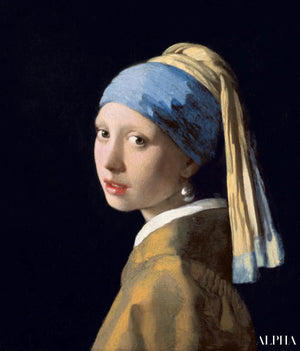
5- Johannes Vermeer (1632–1675)

5- Johannes Vermeer (1632–1675)

Painter of the Dutch Golden Age, he is famous for his intimate scenes bathed in light, characterized by a rigorous composition, a silent atmosphere, and great chromatic finesse.

See the collection
6- Artemisia Gentileschi (1593–circa 1656)

6- Artemisia Gentileschi (1593–circa 1656)

Italian Baroque painter, she distinguished herself by the dramatic strength of her compositions, a powerful chiaroscuro, and female figures of exceptional expressive intensity.
See the collection
7- Antoine van Dyck (1599–1641)

7- Antoine van Dyck (1599–1641)

Flemish Baroque painter, he is famous for his elegant and refined portraits, combining psychological insight, nobility of drawing, and colorful virtuosity.

See the collection
8- Francisco de Zurbarán (1598–1664)

8- Francisco de Zurbarán (1598–1664)

Spanish baroque painter, he is recognized for the monumental sobriety of his compositions, the power of chiaroscuro, and the spiritual intensity of his religious works.
See the collection

9- Nicolas Poussin (1594–1665)

9- Nicolas Poussin (1594–1665)

A major painter of French classicism, he founded a rigorous and intellectual art, based on the clarity of composition, the balance of forms, and the inspiration of Antiquity.

See the collection - 311 works
10- Annibale Carracci (1560–1609)

10- Annibale Carracci (1560–1609)

A major painter of the transition between mannerism and baroque, he renewed painting through a return to naturalism, classical harmony, and the expressive vitality of figures.

See the collection
11- Guido Reni (1575–1642)

11- Guido Reni (1575–1642)

As a figure of baroque classicism, he favored elegance, clarity, and idealization in his religious compositions.

See the collection
12- Guercino (Giovanni Francesco Barbieri, 1591–1666)

12- Guercino (Giovanni Francesco Barbieri, 1591–1666)

Italian baroque painter, he distinguished himself by the expressive vigor of his figures, the dramatic use of light, and a great emotional intensity.

See the collection
13- Pietro da Cortona (1596–1669)

13- Pietro da Cortona (1596–1669)

Italian Baroque painter and architect, he is famous for his monumental and decorative compositions, characterized by spectacular dynamism, rich color, and theatrical staging.
See the collection
14- Luca Giordano (1634–1705)

14- Luca Giordano (1634–1705)

Italian Baroque painter, he is recognized for his technical virtuosity, the speed of his execution, and his dynamic compositions with vibrant colors.
See the collection
15- Salvator Rosa (1615–1673)

15- Salvator Rosa (1615–1673)

Italian baroque painter, he distinguished himself with his wild and dramatic landscapes, as well as an expressive and independent style, blending poetry, rebellion, and emotional intensity.

See the collection
16- Giovanni Battista Gaulli, known as Baciccio (1639–1709)

16- Giovanni Battista Gaulli, known as Baciccio (1639–1709)

Italian baroque painter, he is famous for his spectacular illusionistic frescoes, blending light, movement, and theatricality in the service of a triumphant spirituality.

See the collection

17- Andrea Pozzo (1642–1709)

17- Andrea Pozzo (1642–1709)

Italian baroque painter and architect, he is famous for his illusionistic frescoes and his spectacular mastery of perspective, creating painted spaces with striking depth and dynamism.
See the collection - 29 works
18- Orazio Gentileschi (1563–1639)

18- Orazio Gentileschi (1563–1639)

Italian Baroque painter, he distinguished himself with an elegant and luminous style, combining a naturalism inherited from Caravaggio with great finesse in drawing and color.
See the collection
19- Bernardo Strozzi (1581–1644)

19- Bernardo Strozzi (1581–1644)

Italian Baroque painter, he is recognized for the vigor of his brushwork, the richness of his color, and an expressive naturalism influenced by Caravaggism and the Venetian tradition.
See the collection
20- Mattia Preti (1613–1699)

20- Mattia Preti (1613–1699)

Italian baroque painter, he distinguished himself with a dramatic and powerful style, marked by intense chiaroscuro, dynamic compositions, and strong narrative expressiveness.

See the collection
21- Domenichino (Domenico Zampieri, 1581–1641)

21- Domenichino (Domenico Zampieri, 1581–1641)

Major painter of Italian baroque classicism, he is recognized for the clarity of his compositions, the harmonious balance of his figures, and a deep narrative sensitivity.

See the collection
22- Carlo Dolci (1616–1686)

22- Carlo Dolci (1616–1686)

Florentine baroque painter, he is famous for the extreme finesse of his execution, the softness of his colors, and the intense piety that permeates his works.
See the collection
23- Giovanni Benedetto Castiglione (1609–1664)

23- Giovanni Benedetto Castiglione (1609–1664)

Italian baroque painter and engraver, he distinguished himself by his innovative sense of composition, his taste for pastoral and animal scenes, and a great freedom of touch.

See the collection
24- Carlo Maratta (1625–1713)

24- Carlo Maratta (1625–1713)

A major painter of Roman Baroque classicism, he perpetuated the ideal of clarity, balance, and nobility inherited from Raphael, exerting a lasting influence on academic painting.

See the collection

25- Frans Hals (circa 1582–1666)

25- Frans Hals (circa 1582–1666)

Painter of the Dutch Golden Age, he is famous for the vibrancy of his brushwork, the naturalness of his portraits, and his ability to capture the moment and the personality of his subjects.

See the collection
26- Jacob Jordaens (1593–1678)

26- Jacob Jordaens (1593–1678)

Flemish Baroque painter, he is known for his dynamic and warm scenes, characterized by great expressive vigor, a rich chromatic palette, and a powerful sense of storytelling.
See the collection
27- Jan Steen (1626–1679)

27- Jan Steen (1626–1679)

Painter of the Dutch Golden Age, he is famous for his lively and humorous genre scenes, blending social observation, expressive storytelling, and dynamic composition.

See the collection
28- Pieter de Hooch (1629–1684)

28- Pieter de Hooch (1629–1684)

Painter of the Dutch Golden Age, he is known for his calm and bright interior scenes, characterized by a remarkable mastery of space, light, and perspective.

See the collection
29- Gerard van Honthorst (1592–1656)

29- Gerard van Honthorst (1592–1656)

Dutch Caravaggist painter, he is famous for his candlelit night scenes, blending dramatic chiaroscuro, vivid realism, and a marked theatrical sense.
See the collection
30- Hendrick Ter Brugghen (1588–1629)

30- Hendrick Ter Brugghen (1588–1629)

Dutch Caravaggist painter, he distinguished himself by a powerful naturalism, marked light contrasts, and a direct expressiveness inspired by the art of Caravaggio.
See the collection
31- Adriaen van Ostade (1610–1685)

31- Adriaen van Ostade (1610–1685)

Painter of the Dutch Golden Age, he is known for his popular genre scenes depicting peasant life, characterized by lively observation, a warm tone, and expressive realism.

See the collection
32- Jacob van Ruisdael (circa 1628–1682)

32- Jacob van Ruisdael (circa 1628–1682)

A major painter of the Dutch landscape, he is recognized for the expressive power of his views of nature, blending dramatic skies, changing lights, and a deep atmospheric sensitivity.
See the collection

33- Meindert Hobbema (1638–1709)

33- Meindert Hobbema (1638–1709)

Painter of the Dutch landscape, he distinguished himself by his wooded scenes and paths animated by light, characterized by a clear composition and a vivid sense of depth.

See the collection
34- Willem Kalf (1619–1693)

34- Willem Kalf (1619–1693)

Painter of the Dutch Golden Age, he is famous for his sumptuous still lifes, characterized by a subtle mastery of light, materials, and reflections.

See the collection
35- Judith Leyster (1609–1660)

35- Judith Leyster (1609–1660)

Painter of the Dutch Golden Age, she distinguished herself with lively genre scenes and portraits, characterized by a free touch, a keen sense of movement, and great expressiveness.

See the collection
36- Carel Fabritius (1622–1654)

36- Carel Fabritius (1622–1654)

Painter of the Dutch Golden Age, a student of Rembrandt, he is recognized for his innovative approach to perspective, his luminous sensitivity, and the poetic subtlety of his works.

See the collection
37- Aelbert Cuyp (1620–1691)

37- Aelbert Cuyp (1620–1691)

Dutch landscape painter, he is famous for his bright and peaceful views, bathed in a golden atmosphere, harmoniously blending vast horizons, water, and sky.

See the collection
38- Jan van Goyen (1596–1656)

38- Jan van Goyen (1596–1656)

Painter of the Dutch landscape, he distinguished himself by his sober and atmospheric compositions, characterized by a limited palette, a fluid touch, and a keen sense of light.

See the collection
39- Gabriel Metsu (1629–1667)

39- Gabriel Metsu (1629–1667)

Painter of the Dutch Golden Age, he is known for his refined genre scenes, blending elegance, psychological sensitivity, and a great mastery of color and light.

See the collection
40- Bartolomé Esteban Murillo (1617–1682)

40- Bartolomé Esteban Murillo (1617–1682)

Spanish baroque painter, he is famous for the luminous softness of his painting, the tenderness of his figures, and a deeply human and spiritual sensitivity, particularly in his religious scenes and portraits of children.
See the collection

41- Juan de Valdés Leal (1622–1690)

41- Juan de Valdés Leal (1622–1690)

Spanish Baroque painter, he is recognized for the dramatic and expressive strength of his works, marked by powerful compositions, intense chiaroscuro, and a striking vision of human vanity.
See the collection
42- Jusepe de Ribera (1591–1652)

42- Jusepe de Ribera (1591–1652)

Spanish Baroque painter active in Italy, he distinguished himself by a powerful naturalism, dramatic chiaroscuro, and an intense and realistic representation of human figures.
See the collection
43- Alonso Cano (1601–1667)

43- Alonso Cano (1601–1667)

Spanish baroque artist, both painter, sculptor, and architect, he is recognized for the elegance of his drawing, the nobility of his figures, and a great spiritual intensity.
See the collection
44- Juan van der Hamen (1596–1631)

44- Juan van der Hamen (1596–1631)

Spanish baroque painter, he is recognized for his refined still lifes and portraits, characterized by a rigorous composition, great descriptive precision, and an elegant sense of sobriety.
See the collection
45- Juan Carreño de Miranda (1614–1685)

45- Juan Carreño de Miranda (1614–1685)

Spanish baroque painter and court portraitist, he distinguished himself by the dignity of his figures, the sobriety of his palette, and a psychological insight inherited from Velázquez.
See the collection
46- Eustache Le Sueur (1616–1655)

46- Eustache Le Sueur (1616–1655)

Eustache Le Sueur (1616–1655) is a French classical painter of the 17th century, nicknamed the "French Raphael," known for his religious and mythological compositions imbued with clarity and harmony.

See the collection
47- Claudio Coello (1642–1693)

47- Claudio Coello (1642–1693)

Spanish baroque painter, he is recognized for his large religious and decorative compositions, blending chromatic richness, dynamism, and a strong spiritual expressiveness.
See the collection
48- Georges de La Tour (1593–1652)

48- Georges de La Tour (1593–1652)

French Baroque painter, he is famous for his intimate night scenes illuminated by candlelight, characterized by great sobriety, controlled light, and profound spiritual intensity.
See the collection

49- Claude Lorrain (1600–1682)

49- Claude Lorrain (1600–1682)

Major painter of the classical landscape, he idealized nature through harmonious compositions, bathed in a golden light and inspired by Antiquity, exerting a lasting influence on European painting.

See the collection
50- Charles Le Brun (1619–1690)

50- Charles Le Brun (1619–1690)

A major painter and theorist of French classicism, he played a central role in academic art under Louis XIV, distinguished by his grand historical compositions, intellectual rigor, and sense of monumental staging.

See the collection
51- Simon Vouet (1590–1649)

51- Simon Vouet (1590–1649)

French Baroque painter, he introduced the Italian influences of the Baroque in France, blending decorative richness, dynamism of compositions, and elegance of drawing.
See the collection
52- Philippe de Champaigne (1602–1674)

52- Philippe de Champaigne (1602–1674)

A major painter of French classicism, he is recognized for the sobriety and rigor of his style, the spiritual depth of his religious works, and the psychological insight of his portraits.

See the collection
53- Sébastien Bourdon (1616–1671)

53- Sébastien Bourdon (1616–1671)

French painter of the 17th century, he developed an eclectic style blending classicism and baroque, distinguished by the diversity of his subjects, the clarity of his compositions, and a solid mastery of drawing.
See the collection
54- Pierre Mignard (1612–1695)

54- Pierre Mignard (1612–1695)

French classical painter, he is famous for his elegant portraits and large decorative compositions, combining the grace of drawing, the softness of colors, and academic refinement.
See the collection
55- Valentin de Boulogne (1591–1632)

55- Valentin de Boulogne (1591–1632)

French Caravaggist painter, he distinguished himself by a powerful naturalism and marked dramatic intensity, blending chiaroscuro, raw realism, and emotional depth.
See the collection
56- Hyacinthe Rigaud (1659–1743)

56- Hyacinthe Rigaud (1659–1743)

Major portrait painter during the reign of Louis XIV, he is famous for his majestic and solemn effigies, combining meticulous realism, decorative richness, and the assertion of power and social rank.

See the collection

57- Nicolas de Largillière (1656–1746)

57- Nicolas de Largillière (1656–1746)

French painter of the late 17th and early 18th century, he is known for his elegant and expressive portraits, characterized by a great chromatic richness and a lively presence of the subjects.
See the collection
58- Jean Jouvenet (1644–1717)

58- Jean Jouvenet (1644–1717)

Late classical French painter, he distinguished himself by the expressive power of his large religious and historical compositions, combining baroque dynamism and academic rigor.
See the collection
59- Agostino Carracci (1557–1602)

59- Agostino Carracci (1557–1602)

Italian painter and engraver, founding member of the Bolognese school, he contributed to the revival of painting through the rigor of drawing, the study of nature, and a renewed classical ideal.
See the collection
60- Giovanni Lanfranco (1582–1647)

60- Giovanni Lanfranco (1582–1647)

Italian Baroque painter, he is recognized for his dynamic compositions and illusionistic frescoes, characterized by a spectacular sense of movement, light, and space.
See the collection
61- Andrea Sacchi (1599–1661)

61- Andrea Sacchi (1599–1661)

Italian baroque painter, a figure of Roman classicism, he is recognized for the clarity of his compositions, the nobility of his figures, and an ideal of sobriety and harmony inherited from Raphael.

See the collection
62- Francesco Albani (1578–1660)

62- Francesco Albani (1578–1660)

Italian Baroque painter of the Bolognese school, he is recognized for his elegant and graceful mythological scenes, characterized by harmonious compositions, a delicate touch, and a poetic atmosphere.
See the collection
63- Giovanni Battista Tiepolo (1696–1770)

63- Giovanni Battista Tiepolo (1696–1770)

Major Venetian painter of the 18th century, he is famous for his monumental and luminous frescoes, characterized by spectacular virtuosity, airy composition, and a brilliant theatrical sense.
See the collection
64- Giovanni Battista Salvi, known as Sassoferrato (1609–1685)

64- Giovanni Battista Salvi, known as Sassoferrato (1609–1685)

Italian baroque painter, he is famous for his idealized religious representations, marked by great formal purity, serene softness, and deep spiritual fervor.
See the collection

65- Francisco Herrera the Elder (circa 1576–1656)

65- Francisco Herrera the Elder (circa 1576–1656)

Spanish Baroque painter, he distinguished himself by an energetic and expressive style, a vigorous touch, and a powerful naturalism that marked Andalusian painting of the 17th century.
See the collection
66- Francisco Herrera the Younger (1627–1685)

66- Francisco Herrera the Younger (1627–1685)

Spanish baroque painter, he distinguished himself with dynamic and decorative compositions, blending expressive vigor, Italian influences, and a marked theatrical sense.
See the collection
67- Vincenzo Carducci, known as Vicente Carducho (circa 1576–1638)

67- Vincenzo Carducci, known as Vicente Carducho (circa 1576–1638)

Spanish Baroque painter of Italian origin, he is known for his large religious and theoretical compositions, combining academic rigor, narrative clarity, and deep spirituality.
See the collection
68- Gerard ter Borch (1617–1681)

68- Gerard ter Borch (1617–1681)

Painter of the Dutch Golden Age, he is known for his elegant and intimate genre scenes, characterized by great psychological finesse, a delicate touch, and a masterful rendering of fabrics.

See the collection
69- Adriaen van de Velde (1636–1672)

69- Adriaen van de Velde (1636–1672)

Painter of the Dutch landscape, he distinguished himself with his bright pastoral scenes, blending delicate figures, harmony of compositions, and a sensitive observation of nature.

See the collection
70- David Teniers the Younger (1610–1690)

70- David Teniers the Younger (1610–1690)

Flemish painter of the 17th century, he is famous for his lively genre scenes and representations of peasant life, characterized by a vibrant touch, a keen narrative sense, and great expressiveness.
See the collection
71- Frans Snyders (1579–1657)

71- Frans Snyders (1579–1657)

Flemish Baroque painter, he is famous for his hunting scenes, his animal still lifes, and market scenes, characterized by overflowing energy, great technical virtuosity, and a powerful observation of the living world.
See the collection
72- Jan Brueghel the Elder (1568–1625)

72- Jan Brueghel the Elder (1568–1625)

Flemish Baroque painter, he is recognized for the extreme finesse of his execution, the detailed richness of his landscapes and still lifes, and a close collaboration with great masters like Rubens.
See the collection

73- Jan Brueghel the Younger (1601–1678)

73- Jan Brueghel the Younger (1601–1678)

Flemish Baroque painter, he continued his father's legacy by developing refined landscapes and still lifes, characterized by great precision of detail and a luminous palette.
See the collection
74- Adriaen Brouwer (1605–1638)

74- Adriaen Brouwer (1605–1638)

Flemish painter of the 17th century, he is known for his intense and expressive genre scenes, depicting popular life and human passions with great freedom of touch and a strong emotional charge.
See the collection
75- Laurent de La Hyre (1606–1656)

75- Laurent de La Hyre (1606–1656)

French classical painter, he distinguished himself by the intellectual clarity of his compositions, the elegance of his drawing, and a serene and scholarly interpretation of mythological and religious subjects.
See the collection
76- Johann Liss (circa 1597–1631)

76- Johann Liss (circa 1597–1631)

German baroque painter active in Italy, he distinguished himself with an energetic and expressive style, blending Venetian and Caravaggist influences in compositions with vibrant colors and strong dramatic impact.
See the collection
77- Adam Elsheimer (1578–1610)

77- Adam Elsheimer (1578–1610)

German painter of the transition between the Renaissance and Baroque, he is famous for his small formats of great finesse, characterized by effects of nocturnal light, a poetic atmosphere, and a precise observation of nature.
See the collection
78- Joachim von Sandrart (1606–1688)

78- Joachim von Sandrart (1606–1688)

German Baroque painter and theorist, he distinguished himself as much by his works as by his writings on art, contributing to the dissemination of Italian models and to the structuring of artistic thought in Northern Europe.

See the collection
79- Johann Heinrich Schönfeld (1609–1684)

79- Johann Heinrich Schönfeld (1609–1684)

German baroque painter, he distinguished himself with his dynamic and expressive compositions, blending Italian influences, a dramatic sense, and great freedom of movement in storytelling.
See the collection
80- Franz Anton Maulbertsch (1724–1796)

80- Franz Anton Maulbertsch (1724–1796)

Austrian painter of the late Baroque, he is known for his energetic and expressive frescoes, characterized by a free touch, vibrant colors, and great dramatic intensity.
See the collection

81- Peter Lely (1618–1680)

81- Peter Lely (1618–1680)

Baroque painter of Dutch origin active in England, he is famous for his elegant court portraits, characterized by refined sensuality, graceful poses, and a fluid touch.

See the collection
82- Godfrey Kneller (1646–1723)

82- Godfrey Kneller (1646–1723)

Baroque painter of German origin active in England, he was the main portraitist of the English court, recognized for his elegant likenesses, his assured academic style, and his sense of official representation.
See the collection
83- Giovanni Battista Piazzetta (1682–1754)

83- Giovanni Battista Piazzetta (1682–1754)

Eighteenth-century Venetian painter, he is recognized for the expressive power of his chiaroscuro, the emotional depth of his figures, and an intense and meditative atmosphere.
See the collection
84- Sebastiano Ricci (1659–1734)

84- Sebastiano Ricci (1659–1734)

Late Baroque Venetian painter, he played a key role in the transition to Rococo with his elegant, luminous, and dynamic compositions, marked by great decorative freedom.
See the collection
85- Francesco Solimena (1657–1747)

85- Francesco Solimena (1657–1747)

Neapolitan baroque painter, he is known for his monumental and theatrical compositions, blending chromatic richness, dynamism of figures, and a strong dramatic intensity.
See the collection
86- Alessandro Magnasco (1667–1749)

86- Alessandro Magnasco (1667–1749)

Italian Baroque painter, he distinguished himself with a very expressive and energetic style, characterized by a swift brushstroke, dramatic contrasts, and scenes often imbued with tension, mystery, and social critique.
See the collection
87- Pier Francesco Mola (1612–1666)

87- Pier Francesco Mola (1612–1666)

Italian Baroque painter, he is known for his poetic landscapes and mythological scenes imbued with gentleness, characterized by a melancholic atmosphere and subtle light.
See the collection
88- Giuseppe Maria Crespi (1665–1747)

88- Giuseppe Maria Crespi (1665–1747)

Italian Baroque painter, he is recognized for his genre and religious scenes with a vivid naturalism, characterized by a free touch, direct observation of everyday life, and strong expressiveness.
See the collection

89- Domenico Fetti (circa 1589–1623)

89- Domenico Fetti (circa 1589–1623)

Italian Baroque painter, he distinguished himself with an expressive and intimate style, blending chiaroscuro, emotional sensitivity, and a personal interpretation of religious and biblical subjects.
See the collection
90- Tanzio da Varallo (Antonio d’Enrico, circa 1582–1633)

90- Tanzio da Varallo (Antonio d’Enrico, circa 1582–1633)

Italian baroque painter, he is recognized for his intense and dramatic naturalism, marked by the influence of Caravaggio, a powerful chiaroscuro and strong emotional expressiveness.

See the collection
91- Bartolomeo Manfredi (1582–1622)

91- Bartolomeo Manfredi (1582–1622)

Italian Baroque painter, a major figure of Caravaggism, he spread a vigorous naturalism and dramatic chiaroscuro through genre scenes and powerful religious compositions.
See the collection
92- Hendrick Avercamp (1585–1634)

92- Hendrick Avercamp (1585–1634)

Painter of the Dutch Golden Age, he is famous for his lively winter scenes, depicting with finesse and vibrancy daily life on the frozen canals.

See the collection
93- Dirck van Baburen (circa 1595–1624)

93- Dirck van Baburen (circa 1595–1624)

Dutch Caravaggist painter, he distinguished himself by a direct and vigorous naturalism, marked contrasts of light, and genre scenes with frank expressiveness.
See the collection
94- Michael Sweerts (1618–1664)

94- Michael Sweerts (1618–1664)

Flemish Baroque painter, he is known for his genre scenes and portraits imbued with calm realism, characterized by soft light, great sobriety, and profound humanity.
See the collection
95- Abraham Bloemaert (1566–1651)

95- Abraham Bloemaert (1566–1651)

A major painter of the transition between mannerism and baroque in the Netherlands, he distinguished himself by the richness of his drawing, the softness of his figures, and his essential role in the formation of an entire generation of Dutch artists.

See the collection
96- Samuel van Hoogstraten (1627–1678)

96- Samuel van Hoogstraten (1627–1678)

Painter and theorist of the Dutch Golden Age, a student of Rembrandt, he is recognized for his research on perspective and illusionism, as well as for his interior scenes of great spatial subtlety.

See the collection

97- Carlo Saraceni (circa 1579–1620)

97- Carlo Saraceni (circa 1579–1620)

Italian Baroque painter of Venetian origin, he distinguished himself with a refined Caravaggism, blending dramatic chiaroscuro, elegance of drawing, and a colorful sensitivity inherited from Venice.
See the collection
98- Giuseppe Cesari, known as the Cavalier d'Arpin (1568–1640)

98- Giuseppe Cesari, known as the Cavalier d'Arpin (1568–1640)

Major painter of the late Roman mannerism, he is recognized for his ambitious large-scale decorations, his formal elegance, and his decisive influence on Roman painting of his time.

See the collection
99- Bartolomeo Cavarozzi (1587–1625)

99- Bartolomeo Cavarozzi (1587–1625)

Italian Baroque painter, close to Caravaggism, he distinguished himself by a soft and luminous naturalism, great delicacy of execution, and an intimate and serene atmosphere.

See the collection
100- Giuseppe Vermiglio (1585–1635)

100- Giuseppe Vermiglio (1585–1635)

Italian baroque painter, influenced by Caravaggio, he is recognized for his rigorous naturalism, marked light contrasts, and the expressive sobriety of his religious compositions.

See the collection