

Top 100 · Baroque painting
The 100 masters of drama and light
From Caravaggio to Rembrandt, from Rubens to Velazquez: a century and a half of chiaroscuro, movement and emotion.
Born between Rome, Antwerp, Madrid, Amsterdam and Paris, the Baroque does not form a single school. It is a way of making the image more present: a light that cuts through space, a gesture captured at the tipping point, a look that directly meets the viewer.

Two cards per line on computer, one on mobile.
Understand before classifying
The baroque transforms the painting into an event
Around 1600, Caravaggio disrupted Roman painting by bringing sacred stories closer to the real world and making light a dramatic force. But the story does not stop at chiaroscuro: the Carracci reinvent great decoration, Rubens gives the bodies an expansive energy, Velazquez questions the gaze and Rembrandt makes the shadow an interior space.
Each region translates this momentum according to its own needs. Italy favors spectacular altarpieces and ceilings, Flanders color and movement, Spain a spiritual gravity, the United Provinces portraiture, landscape, domestic scene and still life, while France seeks a balance between eloquence and classical order.
This Top 100 combines historical influence, pictorial invention, museum importance and diversity of genres. Rank makes the visit easier; the filters then make it possible to reconstruct other routes by artistic focus or around women painters.
To stage
Light no longer just describes: it triggers action
Oblique rays, candles and deep nights isolate the decisive gesture. The spectator no longer observes the story from afar: he seems to enter the scene.
Deploy
From the altarpiece to still life, all genres gain presence
Baroque can be monumental or intimate. It inhabits Roman ceilings, court portraits, Dutch kitchens, landscapes, bouquets and silent tables.
Circulate
Artists travel, styles translate
The Caravaggesques cross Europe, Rubens connects the courtyards, Van Dyck transforms the English portrait and the Dutch painters absorb the Italian light without losing their daily attention.
The essentials
The ten masters who give Baroque its European face
Chiaroscuro, portrait, landscape and great decoration: ten world works to immediately enter the movement.
 #1
#1
Caravaggio
Caravaggio depicts chiaroscuro, movement and emotion with an intensity that gives the Baroque its theatrical power.
See the Caravaggio collection #2
#2
Rembrandt van Rijn
Rembrandt van Rijn explores light, faces and the everyday world with an attention that gives the Dutch Golden Age its depth.
See the Rembrandt van Rijn collection #3
#3
Peter paul rubens
Peter Paul Rubens unites color, material and movement in a generous painting that takes Flemish eloquence to its peak.
See the Peter Paul Rubens collection #4
#4
Diego Velazquez
Diego Velázquez combines naturalism, spirituality and presence in a painting where light reveals as much as it dramatizes.
See the Diego Velazquez collection #5
#5
Johannes Vermeer
Johannes Vermeer explores light, faces and the everyday world with an attention that gives the Dutch Golden Age its depth.
See the Johannes Vermeer collection #6
#6
Anthony van Dyck
Anthony van Dyck unites color, material and movement in a generous painting that takes Flemish eloquence to its peak.
See the Anthony van Dyck collection #7
#7
Frans Hals
Frans Hals explores light, faces and the everyday world with an attention that gives the Dutch Golden Age its depth.
See the Frans Hals collection #8
#8
Nicolas Poussin
Nicolas Poussin balances baroque eloquence with clarity of composition and a very French mastery of narrative.
See the Nicolas Poussin collection #9
#9
Claude Lorrain
Claude Lorrain makes light, movement and presence the driving forces of an immediately recognizable pictorial experience.
See the Claude Lorrain collection #10
#10
Jusepe de Ribera
Jusepe de Ribera makes light, movement and presence the driving forces of an instantly recognizable pictorial experience.
See the Jusepe de Ribera collectionChapter I · Ranks 11 to 25
Spain, Italy, Flanders and France: the baroque language asserts itself
Altarpieces, portraits and monumental decorations make emotion a scholarly construction.
 #11
#11
Francisco de Zurbaran
Francisco de Zurbaran combines naturalism, spirituality and presence in a painting where light reveals as much as it dramatizes.
See the Francisco de Zurbaran collection #12
#12
Bartolome Esteban Murillo
Bartolomé Esteban Murillo combines naturalism, spirituality and presence in a painting where light reveals as much as it dramatizes.
See the Bartolomé Esteban Murillo collection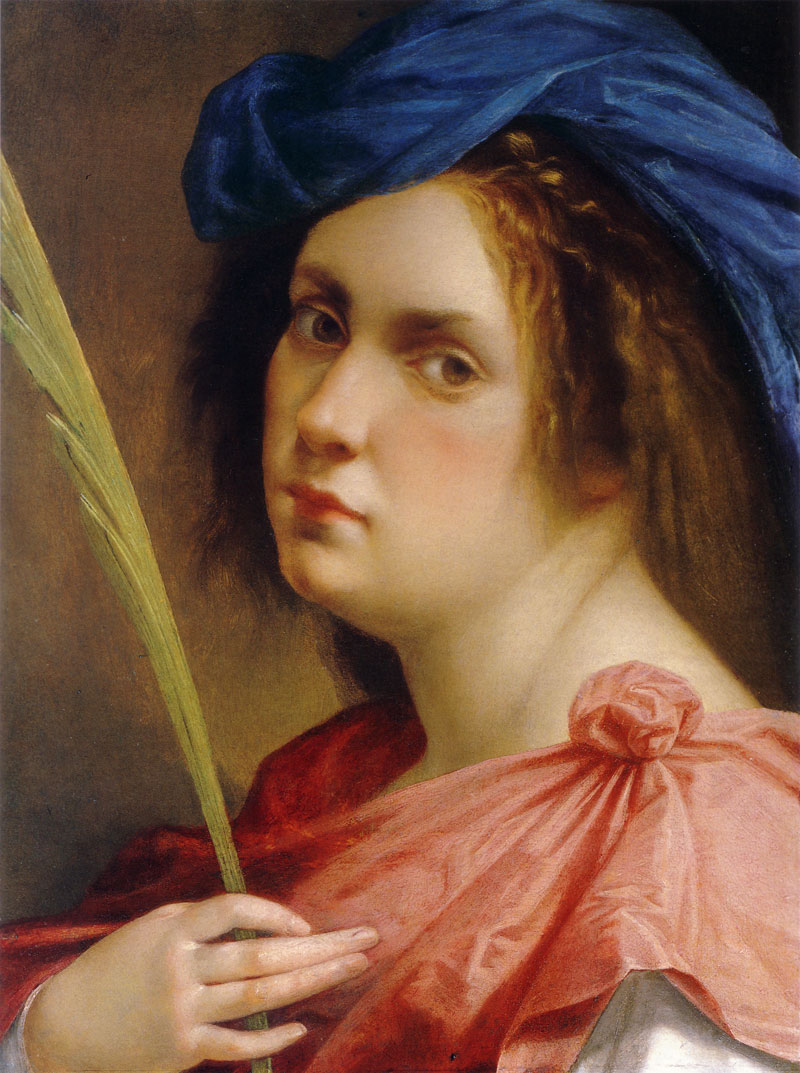 #13
#13
Artemisia Gentileschi
Artemisia Gentileschi makes light, movement and presence the driving forces of an instantly recognizable pictorial experience.
See the Artemisia Gentileschi collection #14
#14
Guido Reni
Guido Reni makes light, movement and presence the driving forces of an instantly recognizable pictorial experience.
See the Guido Reni collection #15
#15
Annibale Carracci
Annibale Carracci makes light, movement and presence the driving forces of an instantly recognizable pictorial experience.
See the Annibale Carracci collection #16
#16
Guercino
Guercino makes light, movement and presence the driving forces of an instantly recognizable pictorial experience.
See the Guercino collection #17
#17
Domenichino
Domenichino makes light, movement and presence the driving forces of an instantly recognizable pictorial experience.
See the Domenichino collection #18
#18
Georges de La Tour
Georges de La Tour makes light, movement and presence the driving forces of an immediately recognizable pictorial experience.
See the Georges de La Tour collection #19
#19
Jacob Jordaens
Jacob Jordaens unites color, material and movement in a generous painting that brings Flemish eloquence to its peak.
See the Jacob Jordaens collection #20
#20
David Teniers the Younger
David Teniers the Younger makes light, movement and presence the driving forces of an instantly recognizable pictorial experience.
See the David Teniers the Younger collection #21
#21
Gerrit van Honthorst
Gerrit van Honthorst explores light, faces and the everyday world with an attention that gives the Dutch Golden Age its depth.
See the Gerrit van Honthorst collection #22
#22
Philippe de Champaigne
Philippe de Champaigne balances baroque eloquence with clarity of composition and a very French mastery of narrative.
See the Philippe de Champaigne collection #23
#23
Charles Le Brun
Charles Le Brun balances baroque eloquence with clarity of composition and a very French mastery of narrative.
See the Charles Le Brun collection #24
#24
Simon Vouet
Simon Vouet balances baroque eloquence with clarity of composition and a very French mastery of narrative.
See the Simon Vouet collection #25
#25
Pietro da Cortona
Pietro da Cortona makes light, movement and presence the driving forces of an instantly recognizable pictorial experience.
See the Pietro da Cortona collectionChapter II · Ranks 26 to 50
Chiaroscuro travels and national schools stand out
From Naples to Madrid and from Paris to Venice, every home reformulates drama, color and space.
 #26
#26
Orazio Gentileschi
Orazio Gentileschi makes light, movement and presence the driving forces of an instantly recognizable pictorial experience.
See the Orazio Gentileschi collection #27
#27
Valentin de Boulogne
Valentin de Boulogne balances baroque eloquence with clarity of composition and a very French mastery of narrative.
See the Valentin de Boulogne collection #28
#28
Mattia Preti
Mattia Preti depicts chiaroscuro, movement and emotion with an intensity that gives the baroque its theatrical power.
See the Mattia Preti collection #29
#29
Luca Giordano
Luca Giordano depicts chiaroscuro, movement and emotion with an intensity that gives the baroque its theatrical power.
See the Luca Giordano collection #30
#30
Bernardo Strozzi
Bernardo Strozzi makes light, movement and presence the driving forces of an immediately recognizable pictorial experience.
See the Bernardo Strozzi collection #31
#31
Salvator Rosa
Salvator Rosa depicts chiaroscuro, movement and emotion with an intensity that gives the Baroque its theatrical power.
See the Salvator Rosa collection #32
#32
Carlo Dolci
Carlo Dolci makes light, movement and presence the driving forces of an instantly recognizable pictorial experience.
See the Carlo Dolci collection #33
#33
Carlo Maratta
Carlo Maratta makes light, movement and presence the driving forces of an instantly recognizable pictorial experience.
See the Carlo Maratta collection #34
#34
Giovanni Lanfranco
Giovanni Lanfranco makes light, movement and presence the driving forces of an immediately recognizable pictorial experience.
See the Giovanni Lanfranco collection #35
#35
Sebastiano Ricci
Sebastiano Ricci depicts chiaroscuro, movement and emotion with an intensity that gives the Baroque its theatrical power.
See the Sebastiano Ricci collection #36
#36
Francesco Solimena
Francesco Solimena depicts chiaroscuro, movement and emotion with an intensity that gives the baroque its theatrical power.
See the Francesco Solimena collection #37
#37
Giovanni Battista Tiepolo
Giovanni Battista Tiepolo depicts chiaroscuro, movement and emotion with an intensity that gives the Baroque its theatrical power.
See the Giovanni Battista Tiepolo collection #38
#38
Giovanni Paolo Panini
Giovanni Paolo Panini makes light, movement and presence the driving forces of an immediately recognizable pictorial experience.
See the Giovanni Paolo Panini collection #39
#39
Giovanni Battista Piazzetta
Giovanni Battista Piazzetta depicts chiaroscuro, movement and emotion with an intensity that gives the Baroque its theatrical power.
See the Giovanni Battista Piazzetta collection #40
#40
Andrea Pozzo
Andrea Pozzo makes light, movement and presence the driving forces of an instantly recognizable pictorial experience.
See the Andrea Pozzo collection #41
#41
Pierre Subleyras
Pierre Subleyras balances baroque eloquence with clarity of composition and a very French mastery of narrative.
See the Pierre Subleyras collection #42
#42
Hyacinthe Rigaud
Hyacinthe Rigaud balances baroque eloquence with clarity of composition and a very French mastery of narrative.
See the Hyacinthe Rigaud collection #43
#43
Pierre Mignard
Pierre Mignard balances baroque eloquence with clarity of composition and a very French mastery of narrative.
See the Pierre Mignard collection #44
#44
Laurent de La Hyre
Laurent de La Hyre balances baroque eloquence with clarity of composition and a very French mastery of narrative.
See the Laurent de La Hyre collection #45
#45
Sébastien Bourdon
Sébastien Bourdon balances baroque eloquence with clarity of composition and a very French mastery of narrative.
See the Sébastien Bourdon collection #46
#46
Eustache Le Sueur
Eustache Le Sueur balances baroque eloquence with clarity of composition and a very French mastery of narrative.
See the Eustache Le Sueur collection #47
#47
Antoine Coypel
Antoine Coypel balances baroque eloquence with clarity of composition and a very French mastery of narrative.
See the Antoine Coypel collection #48
#48
Alonso Cano
Alonso Cano combines naturalism, spirituality and presence in a painting where light reveals as much as it dramatizes.
See the Alonso Cano collection #49
#49
Juan Carreño de Miranda
Juan Carreño de Miranda combines naturalism, spirituality and presence in a painting where light reveals as much as it dramatizes.
See the Juan Carreño de Miranda collection #50
#50
Juan de Valdés Leal
Juan de Valdés Leal combines naturalism, spirituality and presence in a painting where light reveals as much as it dramatizes.
See the Juan collection by Valdés LealChapter III · Ranks 51 to 75
Landscapes, interiors and still lifes expand the Baroque
Light sometimes leaves the altarpiece to reveal a street, a bouquet, a river or the silence of a room.
 #51
#51
Adam Elsheimer
Its small nocturnal formats transform the landscape into cosmic theater, where each light source becomes a narrative event.
See the Adam Elsheimer collection #52
#52
Jan Steen
His scenes of disordered homes combine satire, tenderness and virtuosity, as if human comedy were entirely contained in a Dutch house.
See the Jan Steen collection #53
#53
Pieter de Hooch
Paved courtyards, open doors and calm light allow him to build domestic spaces of almost musical precision.
See the Pieter de Hooch collection #54
#54
Jacob van Ruisdael
It gives the Dutch landscape a monumental gravity thanks to the shifting skies, tormented trees and deeply breathed horizons.
See the Jacob van Ruisdael collection #55
#55
Gabriel Metsu
Its refined interiors capture gestures, fabrics and silences with a delicacy that rivals Vermeer.
See the Gabriel Metsu collection #56
#56
Gerard ter Borch
Master of satin fabrics and restrained conversations, he makes the slightest social exchange a psychological scene.
See the Gerard ter Borch collection #57
#57
Adriaen Brouwer
Taverns, grimaces and bodies captured from life give his painting a raw energy which will influence Rubens like the Dutch.
See the Adriaen Brouwer collection #58
#58
Hendrick Avercamp
Its winters populated by skaters make up vast collective scenes where social observation meets the poetry of cold.
See the Hendrick Avercamp collection #59
#59
Joachim Wtewael
Its dense, brilliant and contorted mythologies extend mannerism while announcing the baroque taste for spectacle.
See the Joachim Wtewael collection #60
#60
Solomon van Ruysdael
Rivers, ferries and silvery skies become under his brush an ample and serene vision of Dutch territory.
See the Salomon van Ruysdael collection #61
#61
Canaletto
Its luminous perspective transforms Venice into an exact and spectacular scene, between urban document and theatrical illusion.
See the Canaletto collection #62
#62
Francesco Guardi
More vibrant and atmospheric than Canaletto, it dissolves palace and lagoon in a nervous touch that announces modern sensitivity.
See the Francesco Guardi collection #63
#63
Claudio Coello
The last great decorator of the Habsburg court, he combines portrait, ceremony and architectural illusion with sovereign wealth.
See the Claudio Coello collection #64
#64
Giovanni Benedetto Castiglione
His caravans, animals and biblical figures are organized in a free material which brings the Genoese Baroque into dialogue with Rembrandt.
See the Giovanni Benedetto Castiglione collection #65
#65
Juan van der Hamen
His still lifes order fruits, glassware and sweets on degrees of stone, with an austerity as precise as it is sumptuous.
See the Juan van der Hamen collection #66
#66
Frans Snyders
Animals, markets and overflowing tables give him an incomparable sense of abundance, movement and material.
See the Frans Snyders collection #67
#67
Jan Brueghel the Elder
His precious attention to detail embraces flowers, landscapes and allegorical scenes, often in dialogue with the great figures of Rubens.
See the Jan Brueghel the Elder collection #68
#68
Johann Liss
His short career unites Venetian color, Caravaggesque naturalism and gestures carried away in compositions of rare intensity.
See the Johann Liss collection #69
#69
Antonio de Pereda
Vanities, dreams and precious objects remind him that all material splendor already bears the shadow of time.
See the Antonio de Pereda collection #70
#70
Gaspar de Crayer
His monumental altarpieces translate Rubenian eloquence into a more stable, clear and directly devotional register.
See the Gaspar de Crayer collection #71
#71
Pieter Claesz
A few glasses, a lemon and a watch are enough for its gray harmonies to make the silence of things intensely present.
See the Pieter Claesz collection #72
#72
Aelbert Cuyp
It envelops countryside, herds and horsemen in a golden light which will give the Dutch landscape a European audience.
See the Aelbert Cuyp collection #73
#73
Carel Fabritius
A student of Rembrandt, he lightens the palette and experiences space with a freedom of which The Goldfinch remains the emblem.
See the Carel Fabritius collection #74
#74
Louis the Dwarf
Its peasant families, dignified and silent, impose an unemphasized monumentality at the heart of French realism.
See the Louis Le Nain collection #75
#75
Giovanni Baglione
Rival and biographer of Caravaggio, he adapts Roman chiaroscuro to a more rhetorical and official religious painting.
See the Giovanni Baglione collectionChapter IV · Ranks 76 to 100
Workshops, specializations and voices long underestimated
This last part makes visible the networks of artists, genre painters and several creators essential to a more complete history.
 #76
#76
Carlo Saraceni
He softens Caravaggesque naturalism with a light Venetian color, particularly sensitive in his nocturnal scenes.
See the Carlo Saraceni collection #77
#77
Judith Leyster
Its musicians and smiling figures reveal a lively touch, an immediate presence and a remarkable mastery of light.
See the Judith Leyster collection #78
#78
Meindert Hobbema
Paths, mills and undergrowth make up a Dutch countryside structured by powerful rhythms of light and shadow.
See the Meindert Hobbema collection #79
#79
Paulus Potter
He grants animals a monumental individuality, even making a bull the true hero of landscape painting.
See the Paulus Potter collection #80
#80
Rachel Ruysch
His scholarly bouquets combine botanical accuracy, theatrical obscurity and movement in an exceptional international career.
See the Rachel Ruysch collection #81
#81
Rosalba Carriera
His pastel portraits give faces a powdery and intimate light that accompanies the transition from baroque to rococo.
See the Rosalba Carriera collection #82
#82
Juan Bautista Maino
Trained in Italy, he introduced to Madrid a luminous, precise and colorful Caravaggio, visible in his altarpieces as well as in his portraits.
See the Juan Bautista Maino collection #83
#83
Clara Peeters
His tables of cheeses, cups and flowers affirm a pioneering mastery of still life, even in his tiny thoughtful self-portraits.
See the Clara Peeters collection #84
#84
Jan Both
It transposes the warm light of Italy into Dutch landscapes where paths, travelers and ruins breathe against the light.
See the Jan Both collection #85
#85
Alessandro Magnasco
Its dazzling touch populates, ruins and assemblies of nervous figures, giving the late Baroque a singular anxiety.
See the Alessandro Magnasco collection #86
#86
Abraham van Beijeren
Fish, silverware and sumptuous banquets become sensual meditations on abundance and fragility.
See the Abraham van Beijeren collection #87
#87
Abraham Bloemaert
A major professor of Utrecht, he links Mannerism, pastoralism and Caravaggesque naturalism in a work as diverse as it is influential.
See the Abraham Bloemaert collection #88
#88
Jacques Blanchard
Nicknamed the French Titian, he brings to Paris a warm and sensual color nourished by his Venetian stay.
See the Jacques Blanchard collection #89
#89
Jan Fyt
Furs, feathers, dogs and game acquire under his brush a tactile presence carried by a very mobile composition.
See the Jan Fyt collection #90
#90
Lubin Baugin
His silent still lifes and religious scenes show two complementary faces of color-sensitive French classicism.
See the Lubin Baugin collection #91
#91
Willem van de Velde the Younger
Naval battles and calm seas are rendered with sovereign knowledge of ships, air and marine light.
See the Willem van collection by Velde the Younger #92
#92
Jan van Goyen
Its almost monochrome palette unifies rivers, villages and clouds in a fluid vision that has become essential to the Dutch landscape.
See the Jan van Goyen collection #93
#93
Mateo Cerezo
His brief career produced religious compositions and still lifes where Madrid chiaroscuro gained color softness.
See the Mateo Cerezo collection #94
#94
Thomas de Keyser
His group portraits combine social precision, architecture and naturalness, before Rembrandt's ascent to Amsterdam.
See the Thomas de Keyser collection #95
#95
Bartholomeus van der Helst
Its large collective effigies seduce with their clarity, their textile richness and their attention to each personality.
See the Bartholomeus van der Helst collection #96
#96
Francisco Rizi
A fruitful decorator of Madrid, he deployed feigned architecture, ascending movements and dazzling colors in court baroque.
See the Francisco Rizi collection #97
#97
Melchior d'Hondecoeter
Peacocks, poultry and exotic birds become the actors of a natural theater of extraordinary precision and decorative scale.
See Hondecoeter's Melchior collection #98
#98
Juan Sanchez Cotan
Its fruits and vegetables suspended in a dark niche transform everyday sobriety into an almost metaphysical experience.
See the Juan Sanchez Cotân collection #99
#99
Elisabetta Sirani
Painter, designer and workshop mistress, she condenses female heroism, speed of execution and Bolognese elegance.
See the Elisabetta Sirani collection #100
#100
Fede Galizia
Its rigorous and luminous still lifes of fruit are among the foundations of the genre in Northern Italy.
See the Fede Galizia collectionSources and extensions
Continue visiting the Baroque
Biographical and stylistic landmarks were compared with major museum collections and art history resources. The links in each sheet lead to the corresponding Shopify collection.
Baroque remains the art of making the moment unforgettable
These hundred artists show that baroque is reduced neither to excess nor to chiaroscuro. It can be theatrical in Rubens, interior in Rembrandt, silent in Vermeer, sovereign in Velazquez or almost abstract in the balance of a still life. Its strength comes from this diversity united by the same ambition: to give images enough presence so that they continue to act on us.
To choose a reproduction, start from the desired effect: a Caravaggio composition strongly structures a wall, a Dutch interior brings calm, a landscape opens the room and a portrait establishes a presence. Each sheet leads directly to the artist's collection in order to continue the discovery without breaking the journey.
0 comments