

Top 100 - Religious painting
The 100 masters of sacred painting
From Byzantine icons to modern visions, a story of light, storytelling and meditation
For centuries, religious painting gave form to the divine, to doubt and hope. This journey brings together a hundred artists who transformed the sacred story into a visual experience.

From medieval foundations to modern renewals
Context
Why does religious painting always go beyond its subject?
An altarpiece, a fresco, an icon or a biblical scene does not just illustrate a text. Each work organizes an encounter between a story, a place, a community and a spectator. Light hierarchizes figures, color makes the invisible sensitive and a gesture can condense an entire episode.
This Top 100 follows these transformations over several centuries. It brings together the most influential masters and artists who have renewed a specific tradition: the Russian icon, Spanish devotion, French church decor, British Pre-Raphaelitism or American spiritual painting.
Rank intersects with historical influence, the importance of sacred works in the career, pictorial invention, the posterity of images and the diversity of schools. It serves to construct a coherent visit, not to reduce different traditions to a definitive verdict.
Tell
Hold a world in an image
Religious painting condenses complex stories by organizing gestures, looks, architecture and secondary details. The viewer understands the action before even knowing each character.
Move
Make the mystery humanly close
Pain, grace, doubt, tenderness and hope pass through bodies. From Giotto to Caravaggio, the truth of a sacred scene often depends on a hand, a face or silence.
Meditate
Build a space that slows down the gaze
Gold, sfumato, chiaroscuro or modern light not only decorate the work: they regulate its rhythm and invite the viewer to remain in front of the image.
Transmit
Renew a tradition without breaking it
Each generation cites, moves or corrects the models received. The icon, altarpiece, fresco and devotional canvas remain alive because their forms continue to be reinvented.
The essentials
The ten artists who gave the sacred its universal images
Ten masters open the route: fresco, altarpiece, icon, chiaroscuro and monumentality become immediately recognizable languages.
 #1
#1
Fra Angelico
Faith in a pure light version: gentleness, gold, silence and holiness which never forces the voice.
See the Fra Angelico collection #2
#2
 #3
#3
Leonardo da Vinci
It gives sacred subjects a human, psychological and mysterious depth.
See the Leonardo da Vinci collection #4
#4
 #5
#5
Giotto di Bondone
He gives Christian scenes bodies, looks and emotions.
See the Giotto di Bondone collection #6
#6
Caravaggio
The sacred takes to the streets, takes a chiaroscuro in the face and becomes impossible to forget.
See the Caravaggio collection #7
#7
El Greco
Mystical, vertical, incandescent: its figures rise towards the sky as if gravity had placed an RTT.
See the El Greco collection #8
#8
Tiziano Vecellio
Titian gives the Venetian sacred color, flesh and drama.
See the Tiziano Vecellio collection #9
#9
 #10
#10
Rogier van der Weyden
He paints Christian compassion with an intensity that makes you want to speak softly in front of the painting.
See the Rogier van der Weyden collectionChapter I · Ranks 11 to 25
Renaissance, humanism and the power of storytelling
From Italian workshops to northern homes, these artists give the biblical story a credible space, present bodies and new architecture.
 #11
#11
Duccio di Buoninsegna
A Sienese grand master, he connects the Byzantine icon to a more tender narration.
See the Duccio di Buoninsegna collection #12
#12
Cimabue
It prepares the transition from the medieval icon to a more embodied painting.
See the Cimabue collection #13
#13
Masaccio
Perspective, gravity, human presence: in him, the sacred scenes stop floating to stand upright.
See the Masaccio collection #14
#14
Piero della Francesca
His religious painting combines silence, geometry and mystery.
See the Piero della Francesca collection #15
#15
Sandro Botticelli
Beyond the myth, his Madonnas and Christian visions impose a linear grace that almost tiptoes on tiptoe.
See the Sandro Botticelli collection #16
#16
Albrecht Durer
Painter and engraver, he gives the Apocalypse, the Passion and the saints a very organized Nordic force.
See the Albrecht Dürer collection #17
#17
Matthias Grünewald
His sacred expressionism transforms the pain of Christ into a physical, mystical experience that is very difficult to ignore.
See the Matthias Grünewald collection #18
#18
Hieronymus Bosch
Moral visions, demons, paradise, hells: Bosch paints as if the catechism had swallowed a strange dream.
See the Hieronymus Bosch collection #19
#19
Pieter Brueghel the Elder
He inscribes biblical stories in crowds and landscapes.
See the Pieter Brueghel the Elder collection #20
#20
Jacopo Tintoretto
Its dramatic energy makes Venetian Christian painting a rapidly accelerating theater of light.
See the Jacopo Tintoretto collection #21
#21
Paul Veronese
He transforms religious episodes into great Venetian spectacles.
See the Paul Veronese collection #22
#22
Giovanni Bellini
Its Virgins and altarpieces give Venice a gentle, luminous and meditative spirituality.
See the Giovanni Bellini collection #23
#23
Fra Filippo Lippi
He humanizes the Madonnas and gives Christian subjects a very well-bred Florentine tenderness.
See the Fra Filippo Lippi collection #24
#24
Domenico Ghirlandaio
It combines Florentine civic life, portraits and great sacred cycles.
See the Domenico Ghirlandaio collection #25
#25
Andrea Mantegna
His austere and monumental art gives Christian scenes an ancient power, almost engraved in marble.
See the Andrea Mantegna collectionChapter II · Ranks 26 to 50
Baroque theater and the emotions of faith
The light concentrates, the gestures intensify and the religious image brings the mystery closer to the viewer.
 #26
#26
Antonello da Messina
It introduces a luminous and interior depth into devotional portraits and images.
See the Antonello da Messina collection #27
#27
Antonio da Correggio
Its domes and celestial visions open religious painting towards baroque illusion.
See the Antonio da Correggio collection #28
#28
 #29
#29
Luca Signorelli
His final Judgments and powerful figures announce the energy of Michelangelo.
See the Luca Signorelli collection #30
#30
Hans Memling
It offers Flemish devotion a soft, luminous and collected precision.
See the Hans Memling collection #31
#31
Hugo van der Goes
It gives Flemish altarpieces a rare psychological intensity.
See the Hugo van der Goes collection #32
#32
 #33
#33
Dirk Bouts
He developed a calm, precise and deeply meditative Flemish religious painting.
See the Dirk Bouts collection #34
#34
Simone Martini
Its Sienese Gothic transforms the sacred image into precious elegance.
See the Simone Martini collection #35
#35
Ambrogio Lorenzetti
It connects spirituality, civic morality and storytelling with remarkable invention.
See the Ambrogio Lorenzetti collection #36
#36
Annibale Carracci
He reformed sacred painting by bringing together naturalness, classical composition and baroque grandeur.
See the Annibale Carracci collection #37
#37
Guido Reni
Angels, saints and martyrs find in him a clear beauty, almost too polite to suffer.
See the Guido Reni collection #38
#38
Guercino
It combines emotion, chiaroscuro and color in an intensely human religious painting.
See the Guercino collection #39
#39
Domenichino
It gives the sacred story a clear, noble and classic construction.
See the Domenichino collection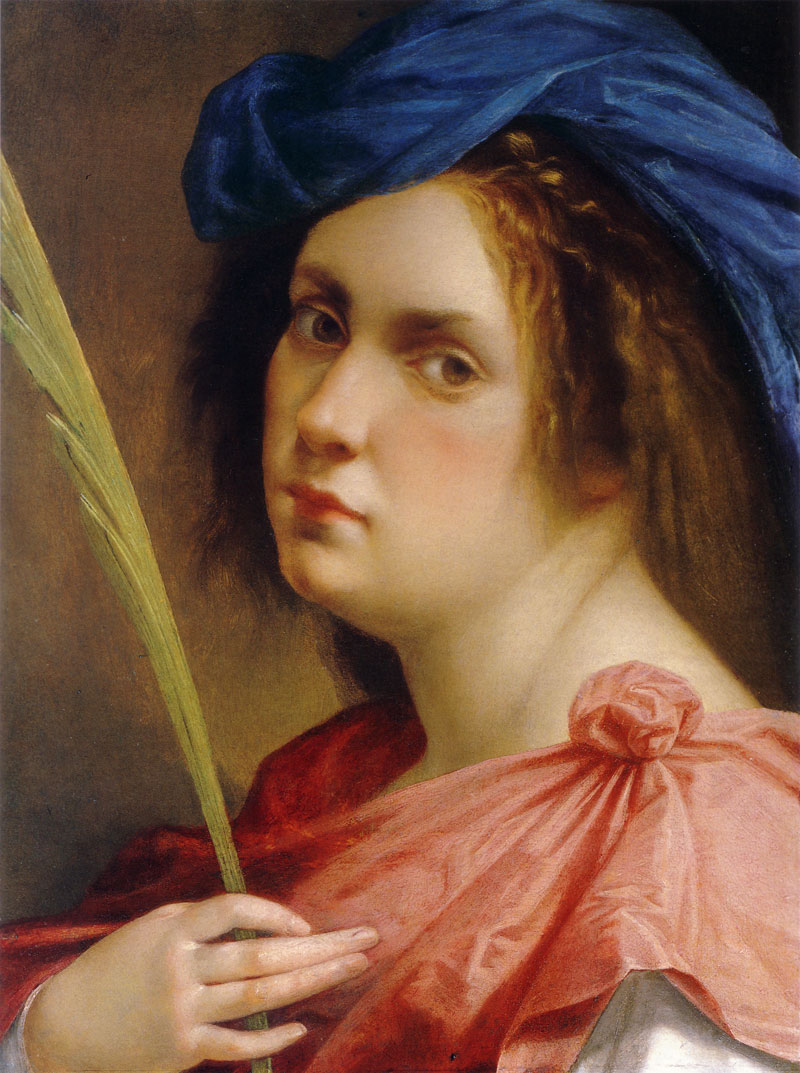 #40
#40
Artemisia Gentileschi
It imposes a dramatic and heroic vision of female biblical figures.
See the Artemisia Gentileschi collection #41
#41
Peter paul rubens
It takes Baroque religious art to spectacular proportions.
See the Peter Paul Rubens collection #42
#42
Rembrandt van Rijn
His biblical scenes immerse faith in interiority, forgiveness and spiritual light.
See the Rembrandt van Rijn collection #43
#43
Georges de La Tour
He transforms the candle into a revelation.
See the Georges de La Tour collection #44
#44
Jusepe de Ribera
His darkness gives saints, martyrs and philosophers austere spiritual strength.
See the Jusepe de Ribera collection #45
#45
Francisco de Zurbaran
He embodies Spanish monastic fervor through sobriety, light and the presence of objects.
See the Francisco de Zurbaran collection #46
#46
Bartolome Esteban Murillo
He softened Spanish religious painting through grace, childhood and Marian visions.
See the Bartolomé Esteban Murillo collection #47
#47
Gustave Doré
A major biblical illustrator, he gives the Scriptures a dark, popular and very cinematic monumentality.
See the Gustave Doré collection #48
#48
William blake
A Christian visionary and mystic, he mixes Bible, prophecy, poetry and spiritual imagination.
See the William Blake collection #49
#49
James Tissot
He devotes a major part of his work to biblical stories with almost documentary narrative precision.
See the James Tissot collection #50
#50
Raja Ravi Varma
A great Indian painter of Hindu mythological subjects, he opens this classification to another spiritual tradition.
See the Raja Ravi Varma collectionChapter III · Ranks 51 to 75
Icons, European schools and living traditions
From Byzantium to Russia, from Flanders to Spain, sacred traditions circulate, respond to each other and renew each other.
 #51
#51
Andrei Rublev
The Trinity makes color, rhythm and silence a true painted theology.
See the Andrei Rublev collection #52
#52
Theophanes the Greek
His nervous and monumental brush conveys a spiritual intensity that directly connects Byzantium to medieval Russia.
See the Theophanes the Greek collection #53
#53
Lorenzo Monaco
Gold backgrounds, slender figures and precious colors give his altarpieces a monastic fervor of great delicacy.
See the Lorenzo Monaco collection #54
#54
Paolo Uccello
It puts the new perspective at the service of the miracle, biblical narration and almost unreal sacred spaces.
See the Paolo Uccello collection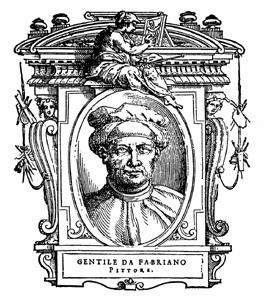 #55
#55
Nice da Fabriano
In his Adorations, the gold, fabrics and crowd transform devotion into a sumptuous spectacle without losing the readability of the story.
See the Gentile da Fabriano collection #56
#56
Benozzo Gozzoli
His frescoes unfold the sacred like a living procession where portraits, landscapes and details tell as much as the holy characters.
See the Benozzo Gozzoli collection #57
#57
Carlo Crivelli
Fruits, marbles, jewelry and trompe l'oeil create a precise, tactile and immediately recognizable devotion in him.
See the Carlo Crivelli collection #58
#58
Giovanni di Paolo
Its luminous and almost cosmic landscapes open the holy scenes to an interior, poetic and deliberately unreal world.
See the Giovanni di Paolo collection #59
#59
Andrea del Sarto
The balance of groups and the softness of colors give its Virgins a calm humanity, without weakening their sacred presence.
See the Andrea del Sarto collection #60
#60
Pontormo
Weightless bodies, acidic colors and unstable space make his religious scenes one of the great emotional turning points of mannerism.
See the Pontormo collection #61
#61
Parmigianino
Its elongated and refined grace gives the sacred a strange elegance, on the border of ideal beauty and worry.
See the Parmigianino collection #62
#62
Sebastiano del Piombo
He unites the colorful depth of Venice with Roman monumental power in sacred figures of exceptional gravity.
See the Sebastiano del Piombo collection #63
#63
Jacopo Bassano
He installs biblical stories in rural life, among animals, tools and bright nights, bringing Scripture closer to daily experience.
See the Jacopo Bassano collection #64
#64
Federico Barocci
Vibrant pastels, circular gestures and tenderness of faces announce the baroque while maintaining a deeply devotional sweetness.
See the Federico Barocci collection #65
#65
Ludovico Carracci
His reform of sacred painting brings together observation of reality, narrative clarity and classical nobility on the threshold of the Baroque.
See the Ludovico Carracci collection #66
#66
Carlo Dolci
Its saints and Virgins, polished like precious icons, transform religious emotion into an intimate and silent experience.
See the Carlo Dolci collection #67
#67
Mattia Preti
The chiaroscuro, diagonals and powerful bodies give his martyrs and miracles spectacular dramatic energy.
See the Mattia Preti collection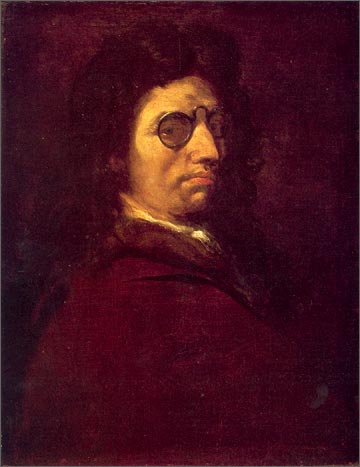 #68
#68
Luca Giordano
Its dazzling virtuosity and vast ceilings circulate sacred light in compositions designed on an architectural scale.
See the Luca Giordano collection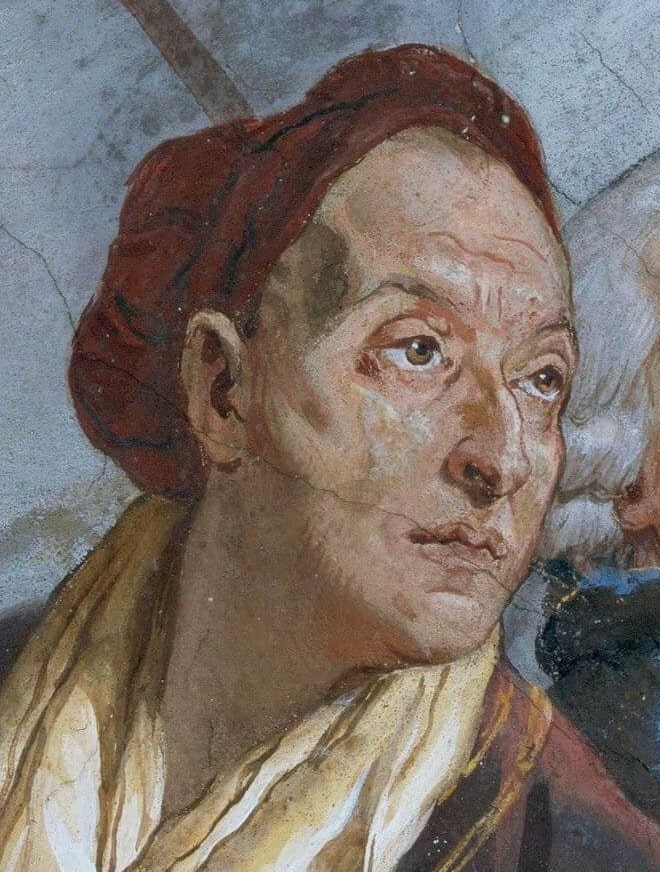 #69
#69
Giambattista Tiepolo
It opens the ceilings onto radiant skies where saints, angels and light seem to abolish the weight of architecture.
See the Giambattista Tiepolo collection #70
#70
Philippe de Champaigne
Its rigor, its cold light and its economy of gestures give the religious portrait and Jansenist spirituality an austere force.
See the Philippe de Champaigne collection #71
#71
Nicolas Poussin
He orders holy history with an almost philosophical clarity, where each gesture participates in a moral architecture of the painting.
See the Nicolas Poussin collection #72
#72
Charles Le Brun
His great style organizes gestures, passions and monumental settings to make the sacred story a public and readable demonstration.
See the Charles Le Brun collection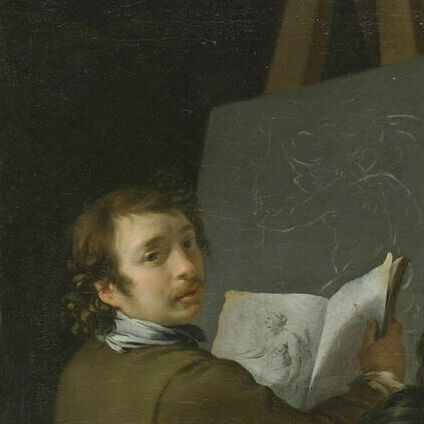 #73
#73
Eustache Le Sueur
The cycle of Saint Bruno reveals a restrained, meditative painting, where space and silence count as much as action.
See the Eustache Le Sueur collection #74
#74
Simon Vouet
Returning from Rome, he acclimatized baroque lighting, ample draping and an immediately theatrical religious narration to France.
See the Simon Vouet collection #75
#75
Valentin de Boulogne
Its Caravaggesque realism gives the apostles and martyrs ordinary faces, dense matter and an almost physical presence.
See the Valentin de Boulogne collectionChapter IV · Ranks 76 to 100
Romanticisms, symbolisms and modern renewals
In the 19th century and on the threshold of modernity, the sacred also became psychology, interior landscape, national memory and plastic research.
 #76
#76
Luis de Morales
Nicknamed El Divino, he tightens the Virgin and Christ in images of silent pain made for close devotion.
See the Luis de Morales collection #77
#77
Juan de Juanes
His Last Supper and his holy figures combine Flemish precision, Italian balance and devotional clarity specific to the Valencian school.
See the Juan de Juanes collection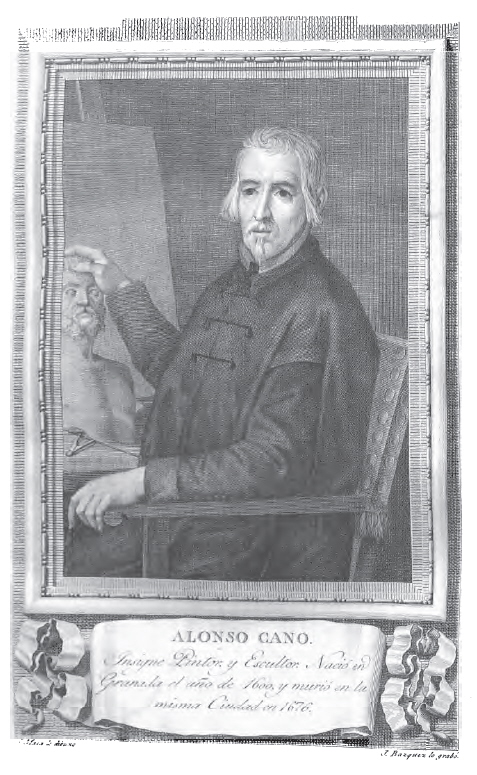 #78
#78
Alonso Cano
Painter, sculptor and architect, he notably gave the Immaculate a simple, stable and immediately memorable grace.
See the Alonso Cano collection #79
#79
Francisco ribalta
Its tactile chiaroscuro and ascetic figures place the viewer as close as possible to ecstasy, fatigue and faith.
See the Francisco Ribalta collection #80
#80
Francisco de Goya
His religious commissions cross tradition with a restless modernity, attentive to doubt, violence and human fragility.
See the Francisco de Goya collection #81
#81
Eugene Delacroix
In chapels as on canvas, color and gesture make the biblical story a storm of movement, flesh and light.
See the Eugène Delacroix collection #82
#82
Jean-Auguste-Dominique Ingres
The purity of the line and the authority of the drawing give his great religious compositions a solemnity constructed with precision.
See the Jean-Auguste-Dominique Ingres collection #83
#83
Benjamin West
He transposes the breath of history painting to biblical subjects and participates in a truly transatlantic religious culture.
See the Benjamin West collection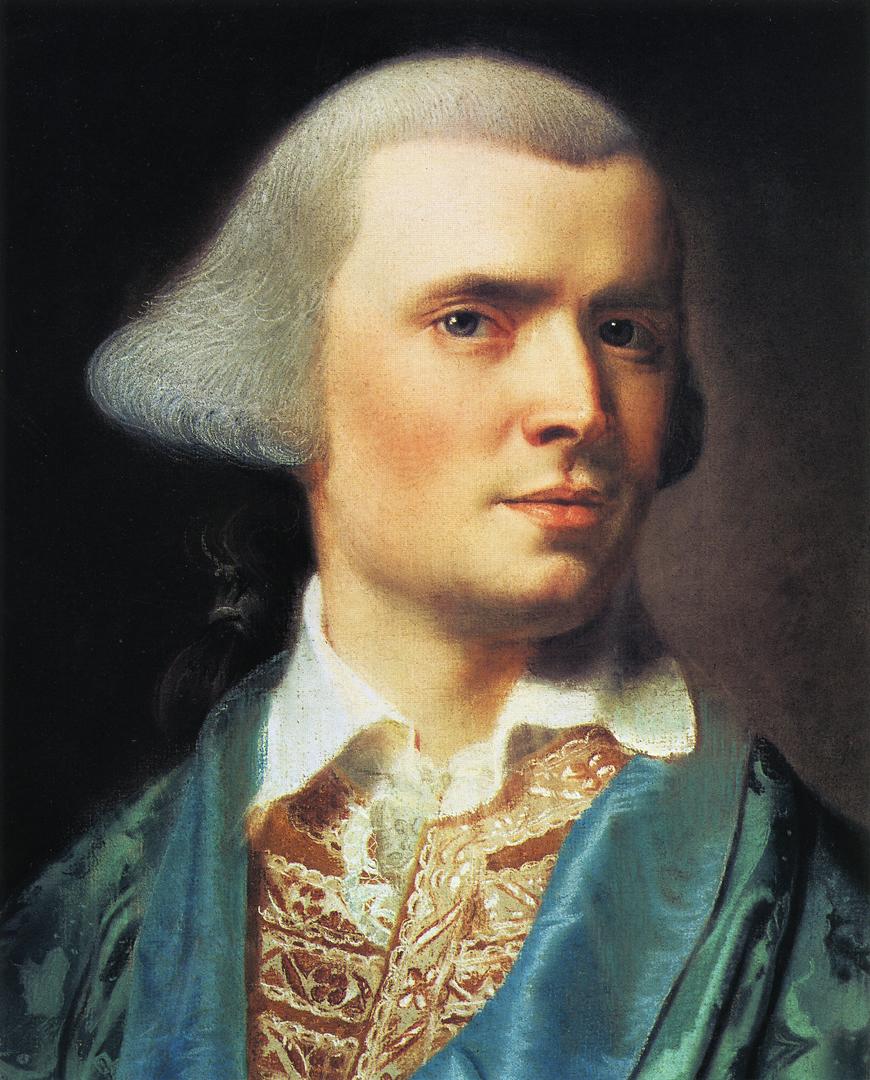 #84
#84
John singleton copley
His mastery of portraiture nourishes sacred scenes where individual emotions make the collective dimension of the event credible.
See the John Singleton Copley collection #85
#85
John Martin
Cataclysms, immense architecture and tiny crowds transform the Apocalypse into a dizzying spectacle on the scale of the cosmos.
See the John Martin collection #86
#86
Dante Gabriel Rossetti
It mixes Christian symbols, medieval poetry and modern sensuality in images where devotion always remains crossed by desire.
See the Dante Gabriel Rossetti collection #87
#87
Edward Burne-Jones
Its angels, stained glass windows and dreamy figures give the sacred the slow rhythm of a medieval legend set in motion.
See the Edward Burne-Jones collection #88
#88
William holman hunt
Archaeological detail, sharp colors and moral symbols make The Light of the World a major icon of the Victorian faith.
See the William Holman Hunt collection #89
#89
John Everett Millais
His radical naturalism places Christ in a tangible workshop, scandalous for his time precisely because the sacred becomes real there.
See the John Everett Millais collection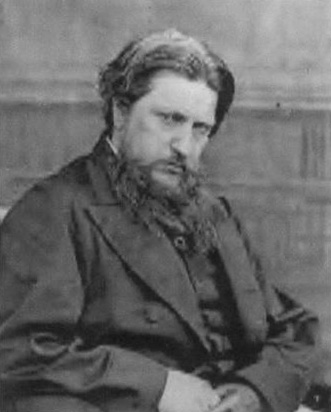 #90
#90
Ford Madox Brown
It connects Christian morality, history and the modern world in dense compositions where every detail contributes to meaning.
See the Ford Madox Brown collection #91
#91
Henry Ossawa Tanner
The Annunciation and its biblical scenes combine modern light, domestic intimacy and unemphasized spirituality.
See the Henry Ossawa Tanner collection #92
#92
Viktor Vasnetsov
Its cathedral decorations bring together Byzantine heritage, modern monumentality and Russian national imagination.
See the Viktor Vasnetsov collection #93
#93
Mikhail Nesterov
Saints, hermits and silent landscapes compose a Russian spirituality for him where nature becomes a space of contemplation.
See the Mikhail Nesterov collection #94
#94
Ivan Kramskoy
Christ in the desert reduces the story to tense psychological solitude, making the inner decision the real subject.
See the Ivan Kramskoy collection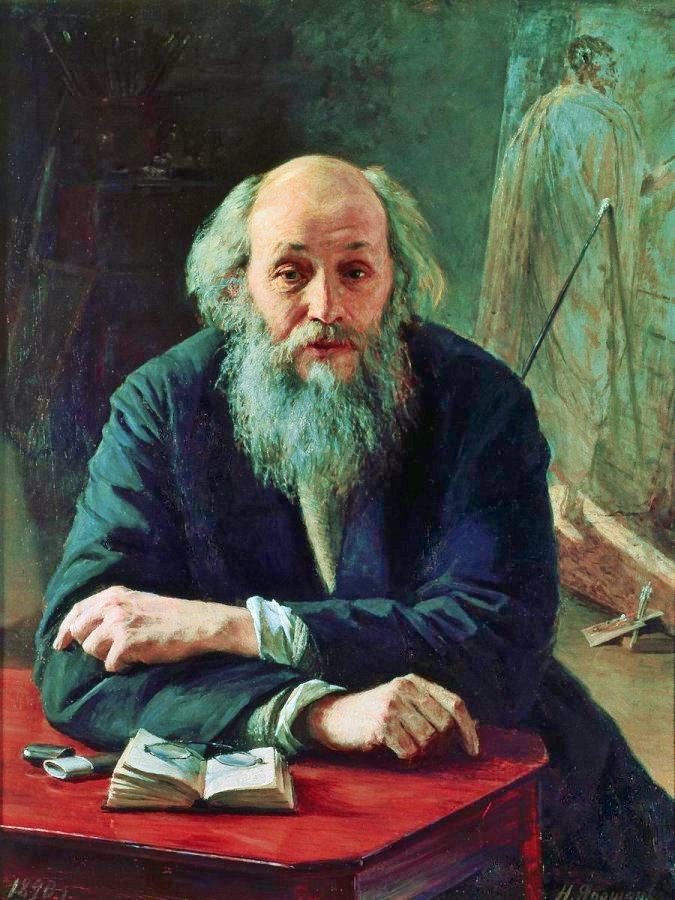 #95
#95
Nikolai Gay
His cycle of Passion abandons idealization in favor of a harsh, dark and morally demanding truth.
See the Nikolai Gay collection #96
#96
Mikhail Vrubel
Its faceted shapes and mineral color renew frescoes, angels and biblical visions with a force close to mosaic.
See the Mikhail Vrubel collection #97
#97
Ilia Repin
Even in religious subjects, his attention to bodies, crowds, and conflicts of conscience keeps the story at the human level.
See the Ilia Repine collection #98
#98
Hippolyte Flandrin
Its large church decorations impose a calm line, processional rhythms and monumentality designed to accompany the architecture.
See the Hippolyte Flandrin collection #99
#99
Ary Scheffer
The comforter Christ and his meditative figures gave religious romanticism an accessible image of compassion.
See the Ary Scheffer collection #100
#100
William Bouguereau
His smooth virtuosity, his angels and his Pietà extended the ideal of devotional beauty of great Western painting in the 19th century.
See the William Bouguereau collectionAfter the ranking
Read works through light, gestures and place
Identifying the story is useful, but the work also works by proportions, materials and directions. Before naming each figure, observe what the image asks of you physically: look up, follow a diagonal, approach a face, or walk through a crowd.
Collections to browse
Blog guides
Benchmarks for further investigation
From medieval gold backgrounds to modern light, the sacred constantly reinvents painting
These hundred artists show that a religious image can be at the same time story, space of meditation, aesthetic manifesto and collective memory. A reproduction chosen for its light, its silence or its narrative force extends this experience into an interior without reducing the work to a simple setting.
0 comments