

The masters of nature
Top 100 famous landscape painters: the masters of nature
From Patinir to Turner, from Ruisdael to Monet, from Friedrich to Georgia O'Keeffe, this guide brings together one hundred non-Asian artists who have made landscape a major territory of painting.
The landscape is not just a setting. It can be a worldview, a meditation, a national memory, an experience of light or an abstraction of nature. This Top 100 now focuses on European, American and Oceanian traditions: Flanders, Dutch Golden Age, classicism, romanticism, Barbizon, impressionism, American wide open spaces, Canada, Australia and modern landscapes.

Before the grid
Why landscape painters matter so much
In art history, landscape has long been considered a background. However, as soon as it becomes the main subject, it reveals another ambition: to understand man's place in nature, to observe light, to organize space, to translate the climate, or to give a visible form to silence.
This ranking doesn't just follow fame. It compares non-Asian landscape traditions: Flemish and Dutch schools, Italian vedute, British and German romanticism, Hudson River School, Barbizon, impressionism, Nordic symbolism, American modernities and contemporary approaches to landscape.
Top 1 to 20
Flanders, Dutch Golden Age and classical landscape
The landscape becomes an autonomous world: Flemish horizons, Dutch skies, Italian vedute, idealized nature and the first great British masters.
 #1
#1
Joachim Patinir
Patinir makes the landscape the main subject, a vast theater of mountains, rivers and bluish horizons.
See the Joachim Patinir collection #2
#2
Pieter Bruegel the Elder
Bruegel gives the seasons, villages and human works an unforgettable landscape grandeur.
See the Pieter Bruegel the Elder collection #3
#3
Hercules Seghers
Seghers invents imaginary, engraved, colorful, strange, almost modern landscapes.
See the Hercules Seghers collection #4
#4
Jacob van Ruisdael
Ruisdael paints trees, skies, mills and waterfalls with major atmospheric gravity.
See the Jacob van Ruisdael collection #5
#5
Meindert Hobbema
Hobbema excels in paths, villages and Dutch woods structured by light.
See the Meindert Hobbema collection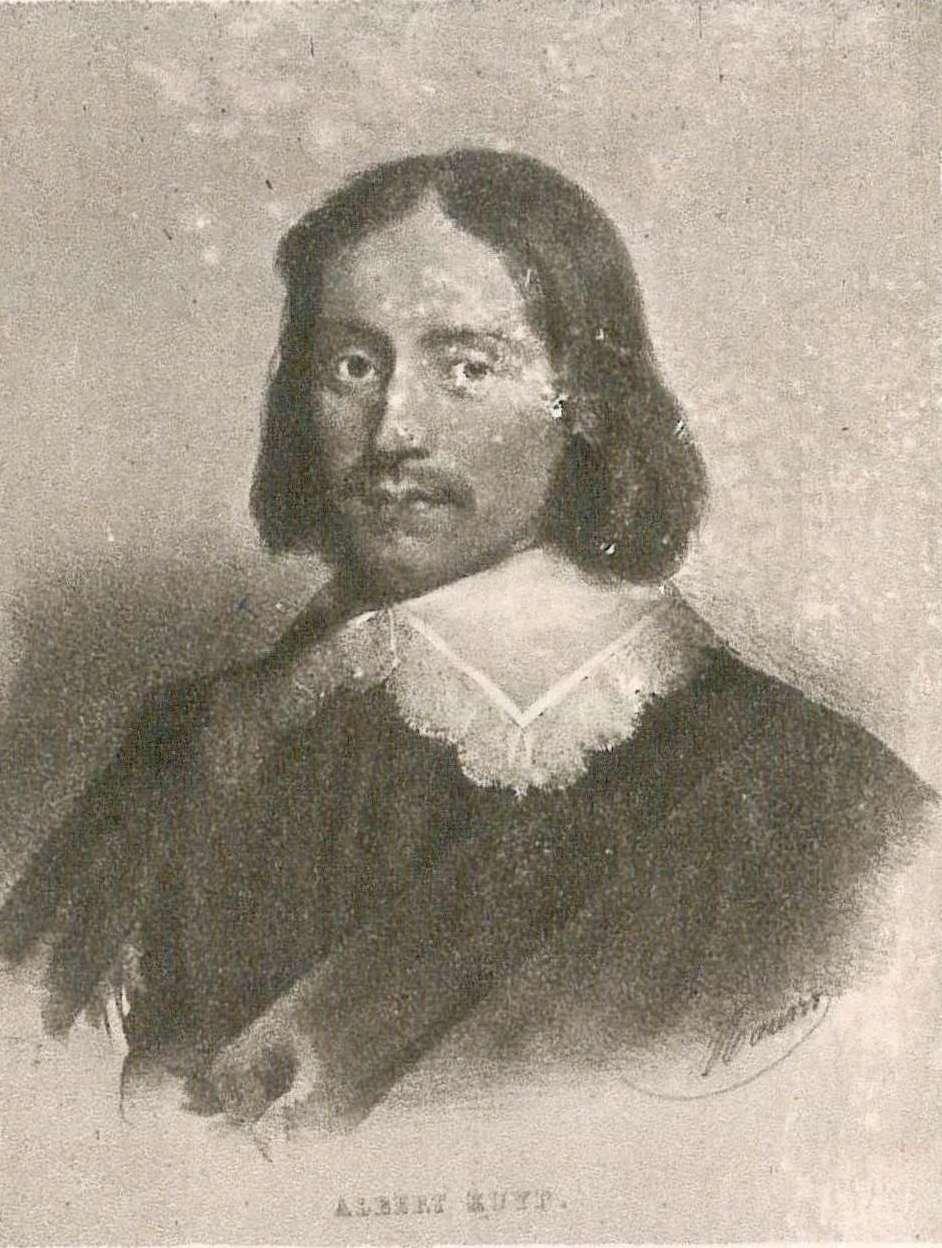 #6
#6
Aelbert Cuyp
Cuyp bathes plains, rivers, cattle and horsemen in a very recognizable golden light.
See the Aelbert Cuyp collection #7
#7
Jan van Goyen
Van Goyen paints rivers, skies and villages in sober, silvery, atmospheric tones.
See the Jan van Goyen collection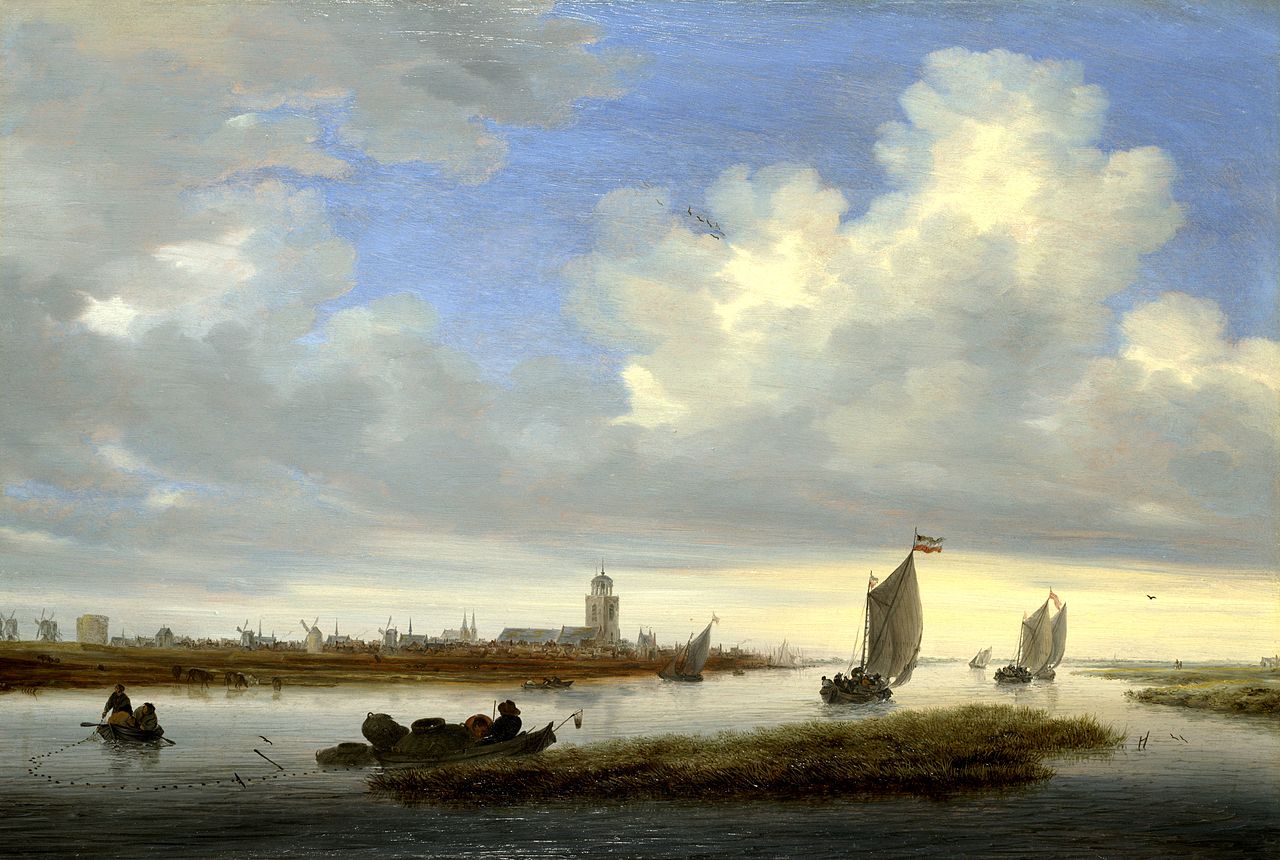 #8
#8
Solomon van Ruysdael
Salomon van Ruysdael gives the Dutch river landscape calm and ample clarity.
See the Salomon van Ruysdael collection #9
#9
Claude Lorrain
Claude composes ports, suns and ruins where light organizes the world.
See the Claude Lorrain collection #10
#10
Nicolas Poussin
Poussin gives the landscape a moral, ancient, measured and dramatic architecture.
See the Nicolas Poussin collection #11
#11
Salvator Rosa
Rosa paints rocks, storms, bandits and solitudes with pre-romantic intensity.
See the Salvator Rosa collection #12
#12
Canaletto
Canaletto transforms Venice into a bright, exact, theatrical and very constructed urban landscape.
See the Canaletto collection #13
#13
Bernardo Bellotto
Bellotto gives European cities topographical precision and cool light.
See the Bernardo Bellotto collection #14
#14
Francesco Guardi
Guardi makes Venice more trembling, nervous, atmospheric than topographical.
See the Francesco Guardi collection #15
#15
John Constable
Constable paints clouds, mills, fields and rivers with a moving meteorological truth.
See the John Constable collection#16
JMW Turner
Turner dissolves sea, rain, fire and light in an almost abstract vision of the landscape.
See the JMW Turner collection #17
#17
Thomas Gainsborough
Gainsborough unites portrait and nature, flowing trees, paths and pastoral melancholy.
See the Thomas Gainsborough collection #18
#18
Richard Wilson
Wilson adapts the classic Italian landscape to a British sensibility.
See the Richard Wilson collection #19
#19
Jacob Philipp Hackert
Hackert paints Italy, volcanoes and classic sites with traveler-like luminous precision.
See the Jacob Philipp Hackert collection #20
#20
Thomas Girtin
Girtin unleashes English watercolor, giving ruins, rivers and skies a modern scale.
See the Thomas Girtin collectionRanks 21 to 40
Vedute, Romanticism and Hudson River School
Venice, Rome, the Alps, German forests and the New World give the landscape a spectacular and spiritual scale.
 #21
#21
John Sell Cotman
Cotman simplifies bridges, coasts and architectures into clear, almost graphic masses.
See the John Sell Cotman collection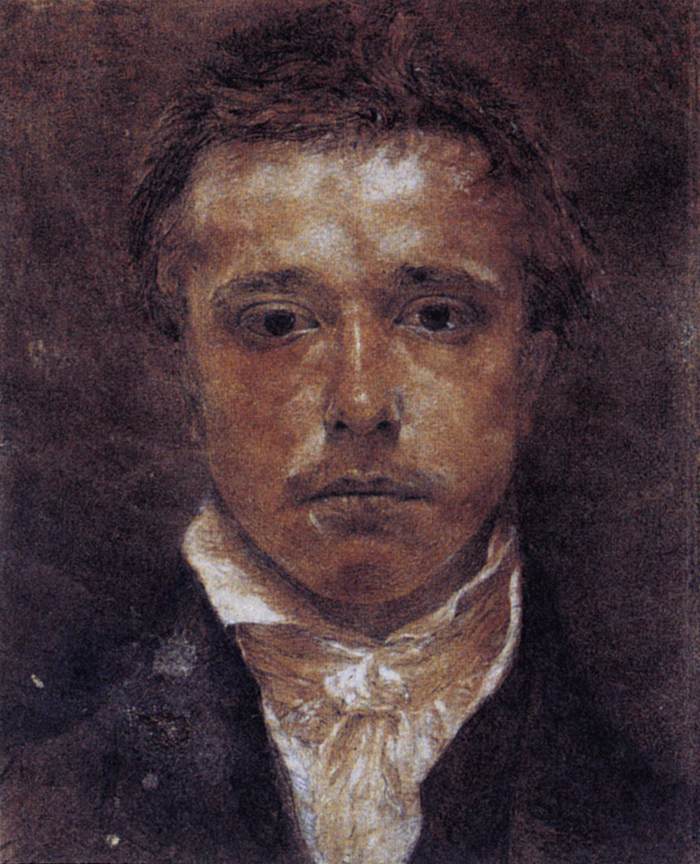 #22
#22
Samuel Palmer
Palmer transforms the English countryside into night vision, mystical, dense and poetic.
See the Samuel Palmer collection #23
#23
David Cox
Cox paints winds, rains, roads and countryside with remarkable atmospheric freedom.
See the David Cox collection #24
#24
Francis Danby
Danby dramatizes skies, waters and natural visions in a dark and theatrical romanticism.
See the Francis Danby collection #25
#25
John Martin
Martin enlarges the landscape to the sublime, between catastrophes, immense valleys and biblical visions.
See the John Martin collection #26
#26
John Frederick Kensett
Kensett paints American coasts, lakes and horizons in calm, sharp and silent light.
See the John Frederick Kensett Collection #27
#27
Fitz Henry Lane
Lane gives New England's harbors, sailboats and shores crystal clear light.
See the Fitz Henry Lane collection #28
#28
Ralph Albert Blakelock
Blakelock paints moonlights, trees and interior landscapes in a dreamy tone.
See the Ralph Albert Blakelock collection #29
#29
Hans Gude
Gude magnifies fjords, mountains and coastal scenes in a Nordic romantic tradition.
See the Hans Gude collection #30
#30
Peder Balke
Balke paints seas, cliffs and arctic lights with an almost abstract audacity.
See the Peder Balke collection #31
#31
Caspar david friedrich
Friedrich transforms sea, mountains, forest and ruins into meditations on infinity.
See the Caspar David Friedrich collection #32
#32
Carl Gustav Carus
Carus combines romantic landscape, geology, natural science and spirituality.
See the Carl Gustav Carus collection #33
#33
Johan Christian Dahl
Dahl gives the fjords, mountains and northern skies a national and romantic grandeur.
See the Johan Christian Dahl collection #34
#34
Albert bierstadt
Bierstadt paints the American West in panoramic, luminous and spectacular visions.
See the Albert Bierstadt collection #35
#35
Frederic Edwin Church
Church paints tropics, Andes, Niagara and twilights with an encyclopedic ambition.
See the Frederic Edwin Church collection #36
#36
Thomas Cole
Cole founded an American vision of landscape, moral, wild and allegorical.
See the Thomas Cole collection #37
#37
Asher B. durand
Durand observes trees, valleys and light with almost devotional attention.
See the Asher B. Durand collection #38
#38
Sanford Robinson Gifford
Gifford makes the landscape a golden, calm, luminous and spiritual atmosphere.
See the Sanford Robinson Gifford collection #39
#39
Martin Johnson Heade
Heade paints swamps, thunderstorms, flowers and hummingbirds with unique light tension.
See the Martin Johnson Heade collection #40
#40
George Inness
Inness transforms the landscape into a state of mind, mist, muted color and spirituality.
See the George Inness collectionRanks 41 to 60
Barbizon, impressionism and post-impressionism
The painting comes out into the fields, on the banks, in front of the changing skies: the landscape becomes light, season, sensation and color.
 #41
#41
Jean-Baptiste-Camille Corot
Corot connects classical landscape, observation on motif and silver poetry.
See the Jean-Baptiste-Camille Corot collection #42
#42
Theodore Rousseau
Rousseau gives the forest of Fontainebleau an almost heroic gravity.
See the Théodore Rousseau collection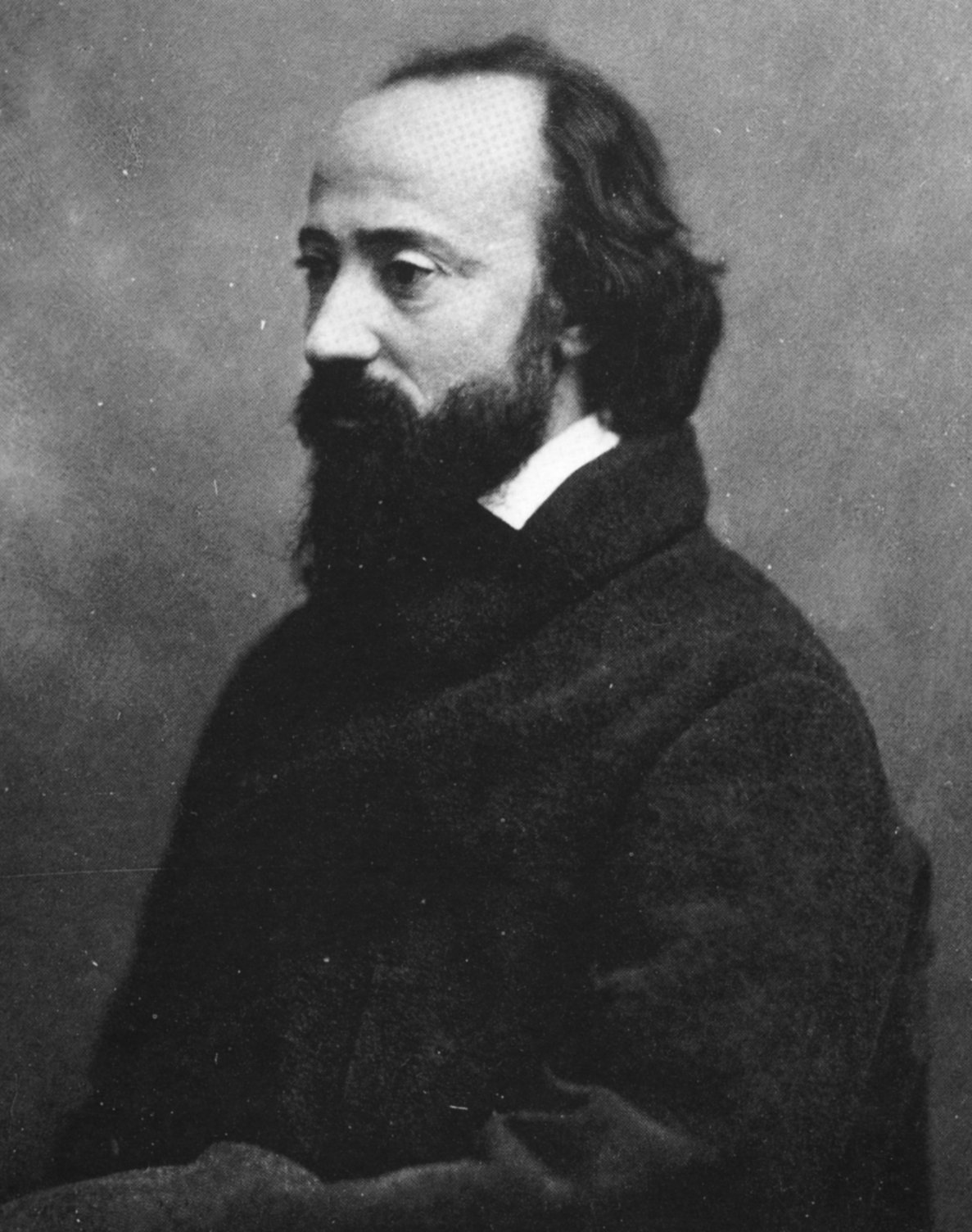 #43
#43
Charles-Francois Daubigny
Daubigny paints rivers, boats and banks of the Seine with a freedom announcing impressionism.
See the Charles-François Daubigny collection #44
#44
Narcissus Virgilio Diaz
Diaz makes undergrowth, clearings and colors vibrate in a free and dense paint.
See the Narcisse Virgilio Diaz collection #45
#45
Jules Dupré
Dupré dramatizes trees, skies and plains with dark and energetic material.
See the Jules Dupré collection #46
#46
Gustave Courbet
Courbet gives cliffs, waves, caves and mountains a solid and harsh material.
See the Gustave Courbet collection #47
#47
Eugene Boudin
Boudin paints Normandy skies, beaches and ports with a pre-impressionist freshness.
See the Eugène Boudin collection #48
#48
Claude Monet
Monet transforms the landscape into variations of light, water, mist, seasons and color.
See the Claude Monet collection #49
#49
Camille Pissarro
Pissarro paints roads, villages, fields and seasons with humble and luminous attention.
See the Camille Pissarro collection #50
#50
Alfred Sisley
Sisley is one of the purest impressionist landscapers, sensitive to rivers and skies.
See the Alfred Sisley collection #51
#51
Pierre-Auguste Renoir
Renoir also paints landscapes bathed in light, foliage and vibrant color.
See the Pierre-Auguste Renoir collection #52
#52
Berthe Morisot
Morisot gives gardens, shores and outdoor scenes a mobile delicacy.
See the Berthe Morisot collection #53
#53
Armand Guillaumin
Guillaumin intensifies landscapes, rivers and hills with a bold and lively color.
See the Armand Guillaumin collection #54
#54
Paul Cezanne
Cézanne reconstructs the landscape in volumes, colorful plans and Sainte-Victoire mountain.
See the Paul Cézanne collection #55
#55
Vincent van Gogh
Van Gogh vibrates fields, cypresses, olive trees and skies with inner energy.
See the Vincent van Gogh collection #56
#56
Paul Gauguin
Gauguin simplifies Breton and tropical landscapes into symbolic solids and strong colors.
See the Paul Gauguin collection #57
#57
Georges Seurat
Seurat organizes ports, banks and horizons through scientific and dotted light.
See the Georges Seurat collection #58
#58
Paul Signac
Signac transforms Mediterranean ports, sails and shores into colorful mosaics.
See the Paul Signac collection #59
#59
Henri Edmond Cross
Cross gives the Mediterranean landscape a divided, decorative and almost abstract light.
See the Henri-Edmond Cross collection #60
#60
Henri Rousseau
Rousseau invents imaginary, frontal, luxuriant and strangely silent jungles.
See the Henri Rousseau collectionRanks 61 to 80
Russia, America, Canada, Australia and modernities
Russian forests, American seas, Canadian lakes and Australian light open the landscape to very strong national identities.
 #61
#61
Edvard Munch
Munch transforms fjords, roads and skies into psychic landscapes.
See the Edvard Munch collection #62
#62
Ferdinand Hodler
Hodler monumentalizes lakes, mountains and horizons through rhythm, symmetry and silence.
See the Ferdinand Hodler collection #63
#63
Giovanni Segantini
Segantini paints Alps, light and rural life with spiritual divisionism.
See the Giovanni Segantini collection #64
#64
Isaac Levitan
Levitan gives the Russian landscape a deep, foggy and inner melancholy.
See the Isaac Levitan collection #65
#65
Ivan Shishkin
Shishkin paints forests, pines and clearings with monumental precision.
See the Ivan Shishkin collection #66
#66
Arkhip Kuindzhi
Kuindzhi dramatizes moonlight, steppe, sea and almost supernatural light.
See the Arkhip Kuindzhi collection #67
#67
Nicholas Roerich
Roerich paints Himalayas, temples and skies in mystical and colorful visions.
See the Nicholas Roerich collection #68
#68
Winslow Homer
Homer paints sea, fishermen, storms and shores with direct force.
See the Winslow Homer collection #69
#69
Thomas Moran
Moran gives American canyons and geysers spectacular grandeur.
See the Thomas Moran collection #70
#70
Childe Hassam
Hassam paints streets, gardens, coasts and American lights with a vibrant touch.
See the Childe Hassam collection #71
#71
William Merritt Chase
Chase paints parks, beaches and landscapes with elegance, speed and color.
See the William Merritt Chase collection #72
#72
John Henry Twachtman
Twachtman transforms snow, rivers and gardens into calm harmonies.
See the John Henry Twachtman collection #73
#73
Tom Thomson
Thomson gives Canadian forests, lakes and skies raw energy.
See the Tom Thomson collection #74
#74
Emily Carr
Carr paints the forests, totems and coasts of British Columbia with spiritual force.
See the Emily Carr collection #75
#75
Lawren Harris
Harris simplifies mountains, lakes and the Canadian North into almost abstract light shapes.
Read Lawren Harris' biography on Wikipedia #76
#76
Arthur Streeton
Streeton paints Australian light, dry hills and immense space.
See the Arthur Streeton collection #77
#77
Tom Roberts
Roberts gives the Australian landscape a modern, bright and national identity.
See the Tom Roberts collection #78
#78
Sidney Nolan
Nolan transforms the Australian bush into a mythical, harsh and colorful setting.
Read Sidney Nolan's biography on Wikipedia #79
#79
David Hockney
Hockney renews landscape, roads, hills and seasons through color, design and technology.
Read David Hockney's biography on Wikipedia #80
#80
Gerhard Richter
Richter paints blurred, photographic landscapes, between memory, distance and image.
Read Gerhard Richter's biography on WikipediaRanks 81 to 100
Abstraction, desert, memory and contemporary landscape
The modern landscape does not disappear: it becomes color, surface, memory, mental photography, desert, sea, sky or interior space.
 #81
#81
Anselm Kiefer
Kiefer transforms fields, ruins and horizons into historical and material landscapes.
Read Anselm Kiefer's biography on Wikipedia #82
#82
Peter Finger
Finger paints landscapes of memory, snow, lakes, roads and troubled colors.
Read Peter Doig's biography on Wikipedia #83
#83
Alex Katz
Katz simplifies trees, sea and seasons into clean, graphic and modern surfaces.
Read Alex Katz's biography on Wikipedia #84
#84
Anton Mauve
Mauve paints dunes, paths, herds and gray skies in a sober poetry of the Dutch landscape.
See the Anton Mauve collection #85
#85
Harald Sohlberg
Sohlberg transforms Norwegian mountains, summer nights and horizons into silent and mysterious landscapes.
See the Harald Sohlberg collection #86
#86
Georgia O'Keeffe
O'Keeffe gives the desert, bones, cliffs and flowers a monumental presence.
Read Georgia O'Keeffe's biography on Wikipedia #87
#87
Marsden Hartley
Hartley paints mountains, Maine coastlines and interior landscapes with modernist force.
See the Marsden Hartley collection #88
#88
Arthur Dove
Dove simplifies nature, sounds, seasons and landscapes into organic abstract shapes.
See the Arthur Dove collection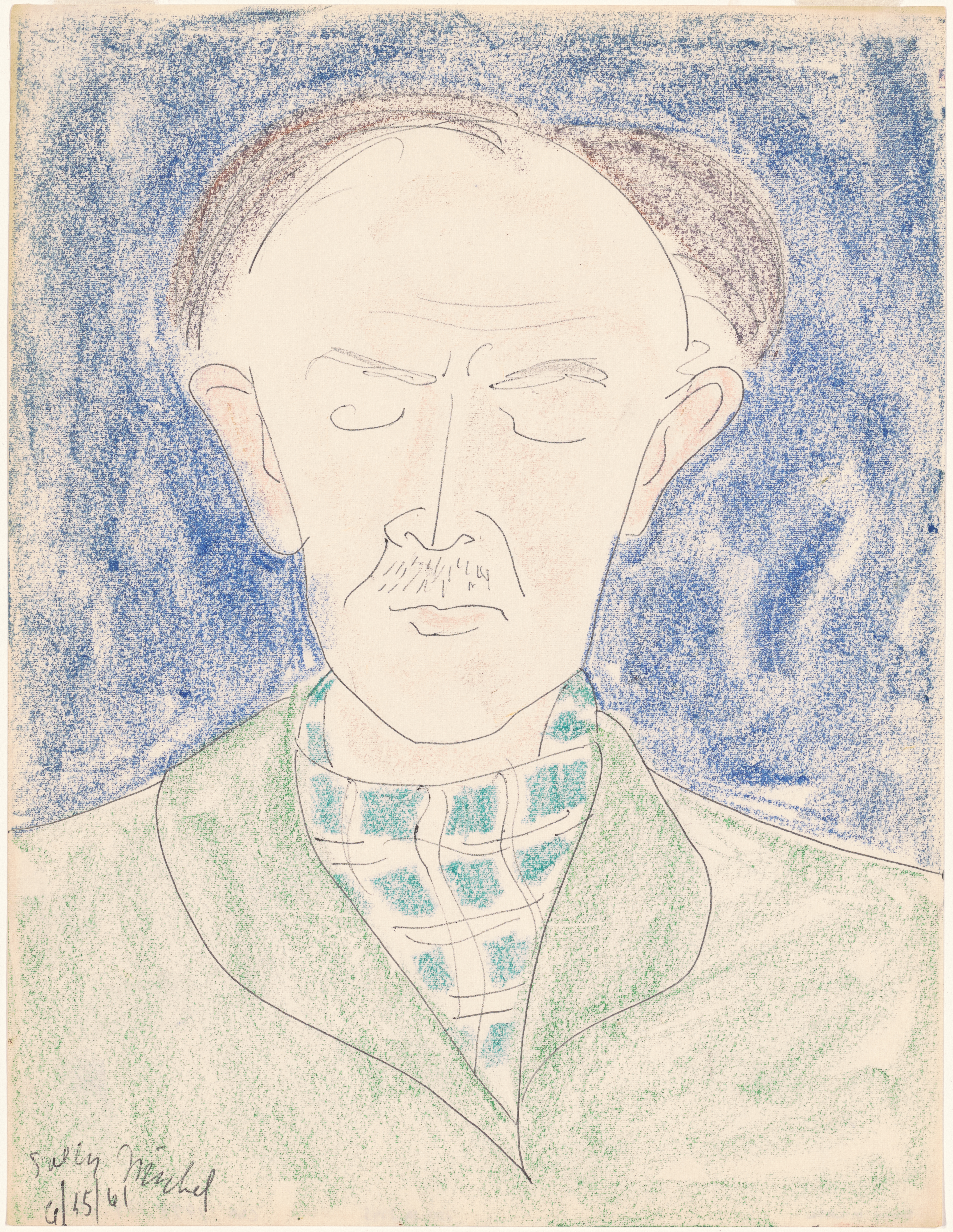 #89
#89
Milton Avery
Avery reduces seas, hills and figures to large, colorful areas.
Read Milton Avery's biography on Wikipedia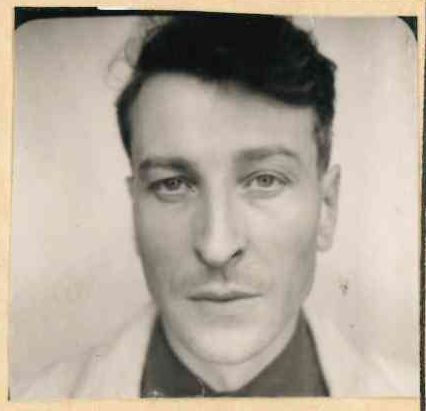 #90
#90
Nicholas of Stael
De Staël transforms seas, terrain and horizons into powerful colorful masses.
See the Nicolas de Staël collection #91
#91
Joan Mitchell
Mitchell transforms landscape memories into colorful, rapid and intense gestures.
Read Joan Mitchell's biography on Wikipedia #92
#92
Helen Frankenthaler
Frankenthaler lets color become river, mountain, stain and open space.
Read Helen Frankenthaler's biography on Wikipedia #93
#93
Andrew Wyeth
Wyeth paints fields, houses and grasses with dry and melancholy precision.
Read Andrew Wyeth's biography on Wikipedia #94
#94
Edward Hopper
Hopper gives roads, houses, lighthouses and lights a modern solitude.
Read Edward Hopper's biography on Wikipedia #95
#95
Joaquin Sorolla
Sorolla paints beaches, gardens and Mediterranean light with dazzling virtuosity.
See the Joaquin Sorolla collection #96
#96
Joaquim Mir
Mir breaks down mountains, coves and gardens into free, almost visionary colors.
See the Joaquim Mir collection #97
#97
April Gornik
Gornik paints skies, seas, cliffs and horizons in a contemporary romanticism.
Read April Gornik's biography on Wikipedia #98
#98
Vija Celmins
Celmins meditates on oceans, night skies and surfaces with silent precision.
Read Vija Celmins' biography on Wikipedia #99
#99
Tacita Dean
Dean works on landscapes, trees, sea and memory of time through drawing, film and images.
Read Tacita Dean's biography on Wikipedia #100
#100
Caspar Wolf
Wolf gives glaciers, waterfalls and high mountains a striking pre-Romantic grandeur.
See the Caspar Wolf collectionMethod
How the 100 painters were selected
The selection favors artists for whom the landscape is a central part of the work: mountain, sea, forest, countryside, city, garden, desert, sky or imaginary territory. The artists were ordered to tell a readable story, more than to impose an absolute track record.
The link rule remains the same as in the other articles: artists who died in 1956 or before refer to an internal collection; artists who died after 1956, or who are still alive, refer to Wikipedia.
Choose an entry
Where to start?
For the European origins of autonomous landscape, start with Patinir, Bruegel, Seghers, Ruisdael and Hobbema. For classical and romantic light, look at Claude Lorrain, Turner, Constable, Friedrich, Church and Bierstadt.
For the modern landscape, Monet, Pissarro, Sisley, Cézanne, Van Gogh, Hodler, Levitan, O'Keeffe, Nicolas de Staël and Hockney show how nature becomes color, structure, memory and sensation.
Nature as an infinite workshop
These hundred painters show that the landscape is never neutral. It can be faithful, dreamed, dramatic, scientific, national, intimate or almost abstract.
From the panoramas of Patinir to the fields of Monet, from the forests of Ruisdael to the deserts of O'Keeffe, this Top 100 tells the same fascination: looking at the outside world until discovering an inner life.
0 comments