

Top 100 · Cubism
The 100 artists who reinvented modern space
From Picasso to Braque, from Paris to Prague and from Moscow to New York: a century of facets, collages and multiple points of view.
Born in Paris around 1907, Cubism broke with the perspective inherited from the Renaissance. Objects are no longer observed from a fixed point: they are decomposed, moved then reconstructed on the surface of the painting. This visual revolution quickly spread to sculpture, collage, decor, photography and design.

Plans, collages, simultaneity and construction.
Understand before classifying
Cubism is a method of construction, not a simple geometric decoration
Picasso and Braque start from Cézanne to question the volume, the content and the point of view. Analytical cubism tightens the palette and fragments the motif; synthetic cubism then reintroduces color, letters, glued papers and immediately recognizable signs.
Around them, Gris, Léger, Metzinger, Gleizes and the artists of the Golden Section multiply the solutions. In Italy, geometry takes charge of speed; in Russia, it encounters futurism and constructivism; in Prague, it even gains architecture; in the Americas, it dialogues with the city, jazz and local cultures.
This Top 100 combines formal invention, historical influence, quality of Cubist work and role in the international diffusion of the movement. He retains the thirty artists from the old ranking and adds seventy essential figures, including several creators who have long been underrepresented.
Break down
The unique point of view is shattered
Profile and face, top and side can coexist in the same image. This simultaneity does not destroy the object: it offers a more mobile knowledge of its structure.
Assemble
Collage brings the real world into the picture
Newspapers, wallpapers, typographies and faux wood blur the line between representation and object. A cutout is sometimes enough to evoke a guitar, a table or a glass.
Circulate
Each country transforms Cubist grammar
Cubism becomes Cubofuturism, Orphism, Vibrationism, Precisionism or Constructivism. This ability to be translated explains its central place in the history of modern art.
The founders
The ten artists who shook up the pictorial space
Picasso, Braque, Cézanne and their companions bring out the unique point of view, then reconstruct reality through plans, signs and colors.
 #1
#1
Pablo Picasso
Born October 25, 1881 in Malaga, into a family where his father taught drawing, Pablo Ruiz Picasso showed exceptional talent very early on. After classical training in La Coruña, he moved to Barcelona in 1895, where he entered the School of Fine Arts, then joined Madrid at the Real Academia in San Fernando.
Read the biography of Pablo Picasso on Wikipedia #2
#2
Georges Braque
Georges Braque was born in Argenteuil in 1882 and died in Paris in 1963. He is one of the founding fathers of Cubism, a movement which radically transformed 20th century painting.
Read the biography of Georges Braque on Wikipedia #3
#3
Paul Cezanne
Paul Cézanne (1839-1906) is the absolute precursor of Cubism, and one of the most important painters of modern art. Born in Aix-en-Provence into a family of wealthy traders, he moved to Paris in 1861 to study painting, but retained a deep attachment to his native Provence which would mark all his work.
See the Paul Cézanne collection #4
#4
Juan Grey
Juan Gris (1887-1927), whose real name is José Victoriano Gonzalez-Pérez, is one of the masters of synthetic cubism and one of the most rigorous theorists of the cubist form. Born in Madrid into a bourgeois family, he studied at the School of Arts and Crafts in Madrid, then moved to Paris in 1906, where he first lived as an illustrator for satirical newspapers.
See the Juan Gris collection #5
#5
Fernand Léger
Born in 1881 in Argentan, in the Normandy countryside, Fernand Léger began his training as an architectural designer in Caen before moving to Paris in 1900. He attended the Académie Julian, the École des Beaux-Arts and Gérome's workshop, where he acquired a solid mastery of drawing.
See the Fernand Léger collection #6
#6
Robert Delaunay
Robert Delaunay was born in Paris in 1885 into a bourgeois family which soon broke up. Raised by his uncle, he was boarded and then attended Léon Le Sénéchal's decorative painting workshop for a while before undertaking a long journey in Brittany, to Belle-Île, where he discovered the changing light of the coastline on the motif.
See the Robert Delaunay collection #7
#7
Sonia Delaunay
Sonia Delaunay (1885-1979) is the major female figure of Cubism and the inventor of simultaneous abstraction. Born Sarah Stern in Odessa into a modest Jewish family, she was adopted by a rich uncle who sent her to study in Karlsruhe and then in Munich.
Read Sonia Delaunay's biography on Wikipedia #8
#8
Jacques Villon
Jacques Villon (1875-1963), whose real name is Gaston Émile Duchamp, is a major French painter and engraver of the 20th century, brother of Raymond Duchamp-Villon and Marcel Duchamp. Born in Damville in Normandy, he moved to Paris in 1894 and attended the Académie Julian, where he became friends with the Duchamp brothers and with Picabia.
Read the biography of Jacques Villon on Wikipedia #9
#9
Raymond Duchamp-Villon
Raymond Duchamp-Villon, born Pierre-Maurice-Raymond Duchamp in 1876 in Damville and died prematurely in 1918 following septicemia contracted during the First World War, is one of the major sculptors of the Cubist avant-garde. Coming from a cultured family - he is the older brother of Jacques Villon and Marcel Duchamp - he began by studying medicine at the Sorbonne before turning definitively to sculpture at the turn of the century.
See the Raymond Duchamp-Villon collection #10
#10
Marcel Duchamp
Marcel Duchamp was born on July 28, 1887 in Blainville-Crevon, in Normandy, into a family where art seemed to flow naturally: his father was a notary, but his maternal grandfather, Émile Nicolle, painter and engraver, introduced him to drawing at a very young age. After secondary studies at the Rouen high school, he moved to Paris in 1904 and tried without much enthusiasm to become an artist according to academic rules - he painted some post-impressionist works, notably a Portrait of Father Ubu (1911) crossed by...
Read the biography of Marcel Duchamp on WikipediaChapter I · Ranks 11 to 25
The Golden Section and the Russian avant-gardes
Paris organizes Cubism into a collective movement while Moscow and Saint Petersburg combine it with Futurism, Suprematism and Constructivism.
 #11
#11
Albert Gleizes
Albert Gleizes was born in Paris in 1881 into a family of upholsterers and decorators. A mediocre student, he embarked on the artistic adventure at a very young age, multiplying small jobs while drawing tirelessly.
See the Albert Gleizes collection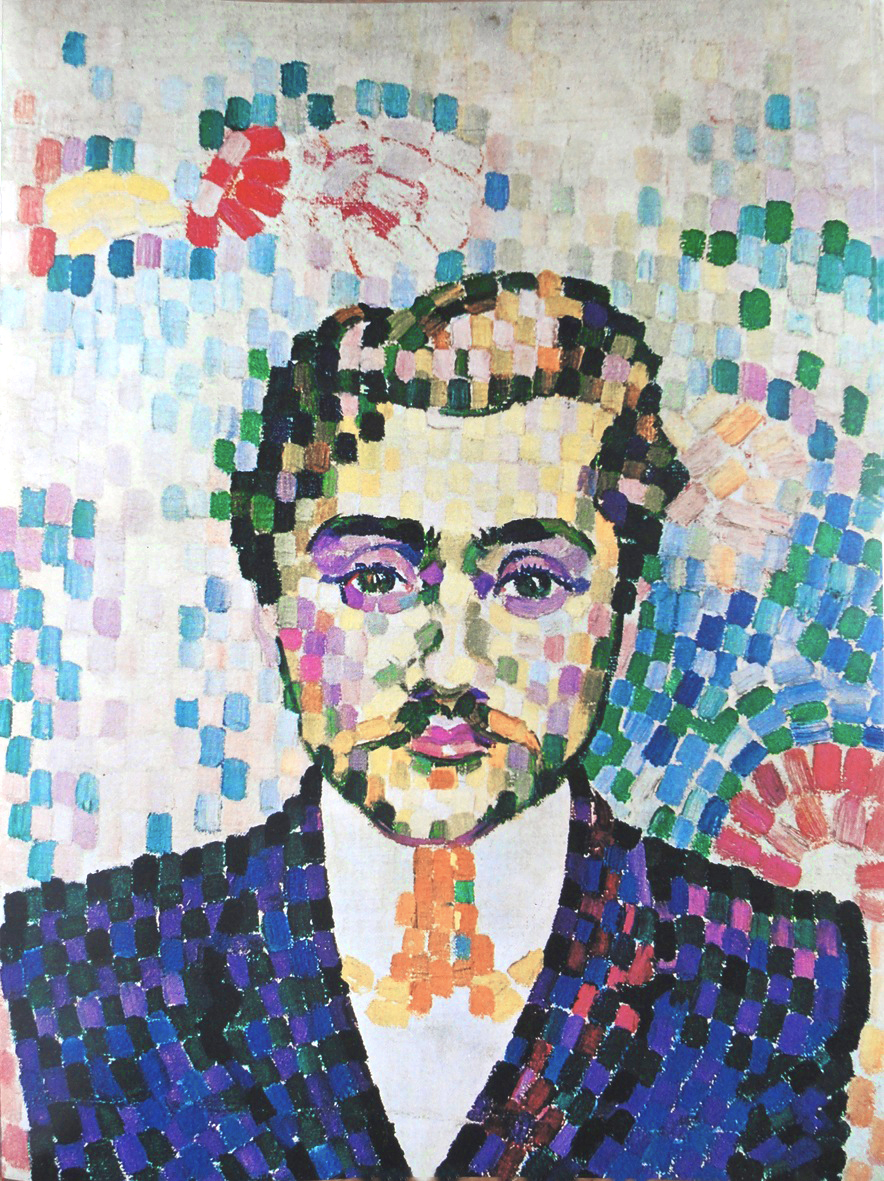 #12
#12
Jean Metzinger
Jean Metzinger (1883-1956) is a central theorist of Cubism and one of the most rigorous painters of the Golden Section. Born in Nantes into a family of officers, he moved to Paris in 1903 after aborted medical studies.
See the Jean Metzinger collection #13
#13
Henri Le Fauconnier
Henri Le Fauconnier (1881-1921) is a first generation Cubist painter, famous for his monumental compositions with massive figures. Born in Hesdin in Pas-de-Calais into a provincial bourgeois family, he studied law in Paris before turning to painting in 1901.
See the Henri Le Fauconnier collection #14
#14
Roger de La Fresnaye
Roger de La Fresnaye (1885-1925) is a French cubist painter of great sensitivity, known for his treatment of color and his subtle mixture between abstraction and figuration. Born in Le Mans into a family of the old Norman aristocracy, he moved to Paris in 1903 and studied at the Académie Julian, then at the Académie Ranson where his masters were Paul Sérusier and Maurice Denis.
See the Roger de La Fresnaye collection #15
#15
André Lhote
André Lhote was born in Bordeaux in 1885 into a modest family. His vocation was revealed early, but it was as an autodidact that he learned to draw before attending the School of Fine Arts in his hometown.
Read André Lhote's biography on Wikipedia #16
#16
Auguste Herbin
Auguste Herbin (1882-1960) is a major French painter, a transitional figure between cubism and geometric abstraction. Born in Quiévy in the North, he moved to Paris in 1901 and studied at the École des Beaux-Arts in Lille, then at the Académie de la Palette where he met Metzinger and Le Fauconnier.
Read the biography of Auguste Herbin on Wikipedia #17
#17
André Mare
Born in 1885 in Argentan, André Mare grew up in a Normandy still vibrant with impressionist light. A student at the Académie Julian, then at Fernand Humbert's studio at the École des Beaux-Arts in Paris, the young painter first trained in a post-impressionist tradition nourished by Cézanne, before frequenting, around 1908, the avant-garde circles which met in Puteaux with the brothers Duchamp and Jacques Villon.
See the André Mare collection.jpg/1280px-Am%C3%A9d%C3%A9e_Ozenfant_%E2%80%94_Graphics_on_a_Black_Background_(1928).jpg) #18
#18
Amédée Ozenfant
Born in Saint-Quentin in 1886, Amédée Ozenfant grew up in a family of artists and learned about painting at a very young age. A student at the La Palette academy then at the Julian academy, he learned about the Parisian avant-gardes and exhibited in 1911 at the Salon des Indépendants, rubbing shoulders with emerging cubist circles.
Read the biography of Amédée Ozenfant on Wikipedia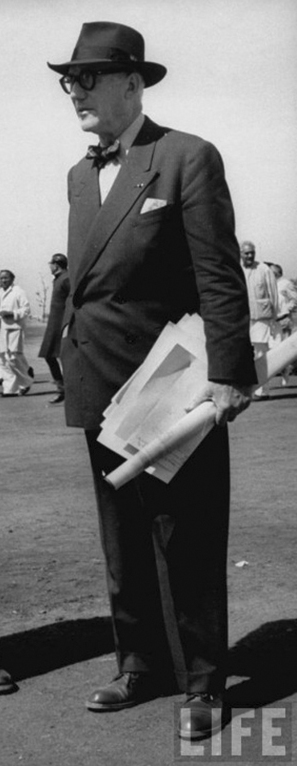 #19
#19
Le Corbusier
Born in 1887 in La Chaux-de-Fonds under the name Charles-Édouard Jeanneret, the future Le Corbusier received his first artistic training at the local art school, in the workshop of the chiseler Charles L'Éplattenier, who passed on to him the rigorous taste for decorative art and Jura nature. His first trips to Italy (1907), to Paris where he collaborated with the Perret brothers, then to Berlin with Peter Behrens, refined his culture of craftsmanship and geometry.
Read Le Corbusier's biography on Wikipedia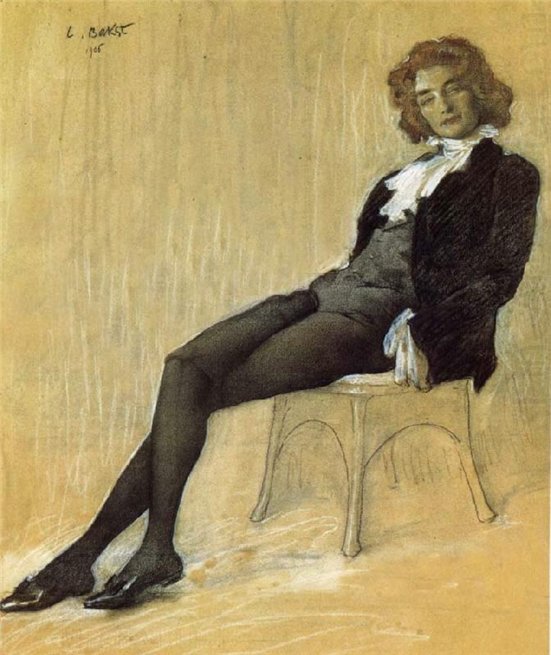 #20
#20
Leon Bakst
Léon Bakst, born Lev Samoïlovitch Rosenberg in 1866 in Grodno and died in Paris in 1924, was one of the most flamboyant creators of artistic Russia at the beginning of the 20th century. To be distinguished, however: Bakst did not belong to Cubism, a contemporary movement led by Picasso and Braque; his universe, nourished by symbolism, Art Nouveau and the Mir Iskoustva group, is of a completely different sensitivity.
See the Léon Bakst collection #21
#21
Ivan Punished
Ivan Pouni (1892-1956), also known under the French name of Jean Pougny, is one of the most unique figures of the Russian avant-garde. Born in Kuokkala, Russian Finland, he began his artistic studies at the Moscow School of Painting, Sculpture and Architecture, where he notably attended Ilia Machkov and the Russian futurists.
See the Ivan Puni collection #22
#22
Lyubov Popova
Lyubov Popova (1889-1924) is a major figure in Russian constructivism and one of the most radical female artists of the Soviet avant-garde. Born in Ivanovskoe near Moscow into a family of intellectuals, she studied art in Moscow then in Paris in 1912-1913, where she attended the workshops of Le Fauconnier and Metzinger.
See the Lyubov Popova collection #23
#23
Nadezhda Udaltsova
Nadezhda Udaltsova (1886-1985) is a major figure in Russian Cubo-Futurism and one of the rare female painters of the Soviet avant-garde to have survived the purges. Born in Orel into a family of teachers, she entered the Moscow School of Painting, Sculpture and Architecture in 1907, where she met Lyubov Popova, her life partner for several years.
Read Nadezhda Udaltsova's biography on Wikipedia #24
#24
Olga Rozanova
Olga Rozanova (1886-1918) is an avant-garde Russian painter, a pioneering figure of Cubo-Futurism and Suprematism. Born in Vladimir into a family of intellectuals, she studied at the Moscow School of Art from 1904.
See the Olga Rozanova collection #25
#25
Kazimir Malevich
Kazimir Malevich was born in 1879 in kyiv, into a family of Polish origin. He moved to Moscow in 1904 and attended the school of painting, sculpture and architecture of the Society for the Encouragement of the Arts.
See the Kazimir Malevich collectionChapter II · Ranks 26 to 50
Sculpture, color and European expansion
Geometry gains volume, decor and theater; from the School of Paris to Italy, it is loaded with speed, light and matter.
 #26
#26
Vladimir Tatlin
Vladimir Tatlin was born in 1885 in Kharkov, in the Russian Empire, and grew up in a modest environment. His initial training led him towards the art of the icon, then he joined the Moscow school of painting, sculpture and architecture, where he studied with traditional Russian artists.
See the Vladimir Tatlin collection #27
#27
El Lissitzky
El Lissitzky (1890-1941), whose real name is Lazar Markovich Lissitzky, is a Russian artist, designer and theorist who played a leading role in the spread of constructivism and suprematism in Europe. Born in Potchinok in Belarus into a Jewish family, he studied architecture in Darmstadt in Germany in 1909-1914, then returned to Moscow where he met Malevich, Tatlin and Popova in 1919.
See the El Lissitzky collection #28
#28
Alexander Archipenko
Born in kyiv in 1887, Alexander Archipenko began his training at the kyiv School of Fine Arts in 1902, where he studied painting before turning to sculpture. In 1908, he moved to Paris, a city that would revolutionize his artistic approach.
Read the biography of Alexander Archipenko on Wikipedia #29
#29
Jacques Lipchitz
Jacques Lipchitz (1891-1973) is one of the greatest Cubist sculptors of the 20th century. Born in Druskininkai in Lithuania into a wealthy Jewish family, he moved to Paris in 1909 to study at the École des Beaux-Arts and the Académie Julian.
Read the biography of Jacques Lipchitz on Wikipedia #30
#30
Henri Laurens
Born in Paris in 1885, Henri Laurens began his training at thirteen with a masonry contractor, where he learned the trade of stonemason. It was by carrying out this artisanal work that he became familiar with volumes, material and geometric composition - a school of form which would nourish all his future work.
See the Henri Laurens collection #31
#31
Louis Marcoussis
Marcoussis builds guitars, tables and portraits in interlocking shots, with almost architectural clarity. A virtuoso engraver, he gives synthetic cubism a meditative elegance and great line precision.
See the Louis Marcoussis collection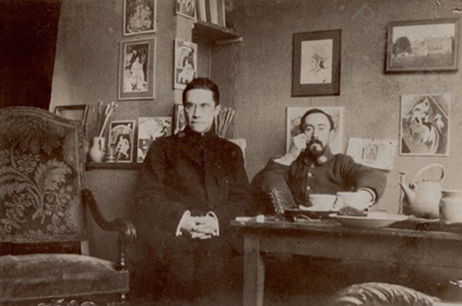 #32
#32
Alfred Reth
Réth participated in the Cubist movement in 1911 before joining Abstraction-Création. His landscapes and still lifes make Cézannian facets evolve towards very gentle plays of lines, materials and plans.
Read Alfréd Réth's biography on Wikipedia #33
#33
Marie Laurencin
Laurencin simplifies the silhouettes in soft flat areas while refusing the chromatic austerity of analytical cubism. Its female groups in powder tones open a singular poetic path within the Parisian avant-garde.
See the Marie Laurencin collection #34
#34
Maria Blanchard
Blanchard masters Cubist construction with a very personal color density and emotional tension. His still lifes and then his monumental figures show that formal analysis and compassion can share the same canvas.
See the Maria Blanchard collection #35
#35
Alice Bailly
Bailly fragments figures and landscapes into colorful rhythms that mix cubism, futurism and orphism. His wool paintings, sewn rather than painted, extend this research into a radically new material.
See the Alice Bailly collection #36
#36
Jeanne Rij-Rousseau
Rij-Rousseau develops a "vibrism" based on colorful triangles which set the motif in motion. Athletes, musicians and landscapes become dynamic networks for her without losing their readability.
See the Jeanne Rij-Rousseau collection #37
#37
Alice Halicka
Halicka assembles objects, papers and fabrics with a very sure decorative sense, in contact with Gris and Marcoussis. His "Padded Romances" transport Cubist collage to relief and urban memory.
Read Alice Halicka's biography on Wikipedia #38
#38
Marcelle Cahn
Cahn reduces houses, instruments and bodies to a syntax of sober plans before gaining abstraction. His discreet rigor makes the link between Cubist teaching, Circle and Square and post-war geometry.
Read Marcelle Cahn's biography on Wikipedia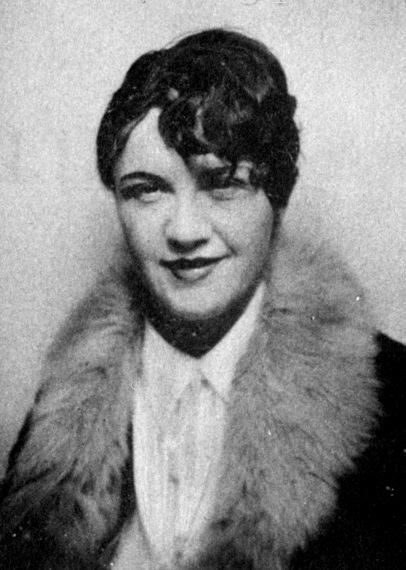 #39
#39
Vera Rockline
Rockline combines a firm cubist structure with very soft nudes and portraits. Based in Paris, it transforms the fragmentation inherited from the Russian avant-garde into silent and sensual volumes.
See the Vera Rockline collection #40
#40
Diego Rivera
Before the Mexican frescoes, Rivera fully participated in Parisian cubism with angular portraits and compressed landscapes. This construction discipline then nourishes the monumental clarity of its social muralism.
Read Diego Rivera's biography on Wikipedia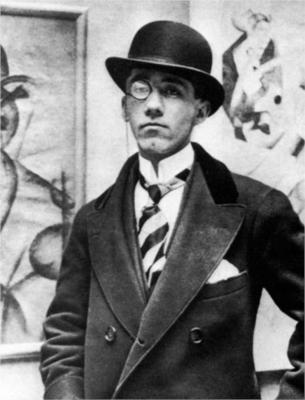 #41
#41
Gino Severini
Severini applies Cubist decomposition to the movement of dancers, trains and boulevards. His role as a conduit between Paris and Italy makes possible a particularly brilliant synthesis of Cubism and Futurism.
Read Gino Severini's biography on Wikipedia #42
#42
Umberto Boccioni
Boccioni transforms cubist fragmentation into continuous energy, as if bodies were absorbing the city and its speed. Paintings and sculptures give an emblematic form to futuristic simultaneity.
See the Umberto Boccioni collection #43
#43
Carlo Carrà
Carrà constructed crowds, noises and movements in facets before turning to metaphysical painting. His cubofuturist period proves how geometry can carry a political and sensory charge.
Read Carlo Carrà's biography on Wikipedia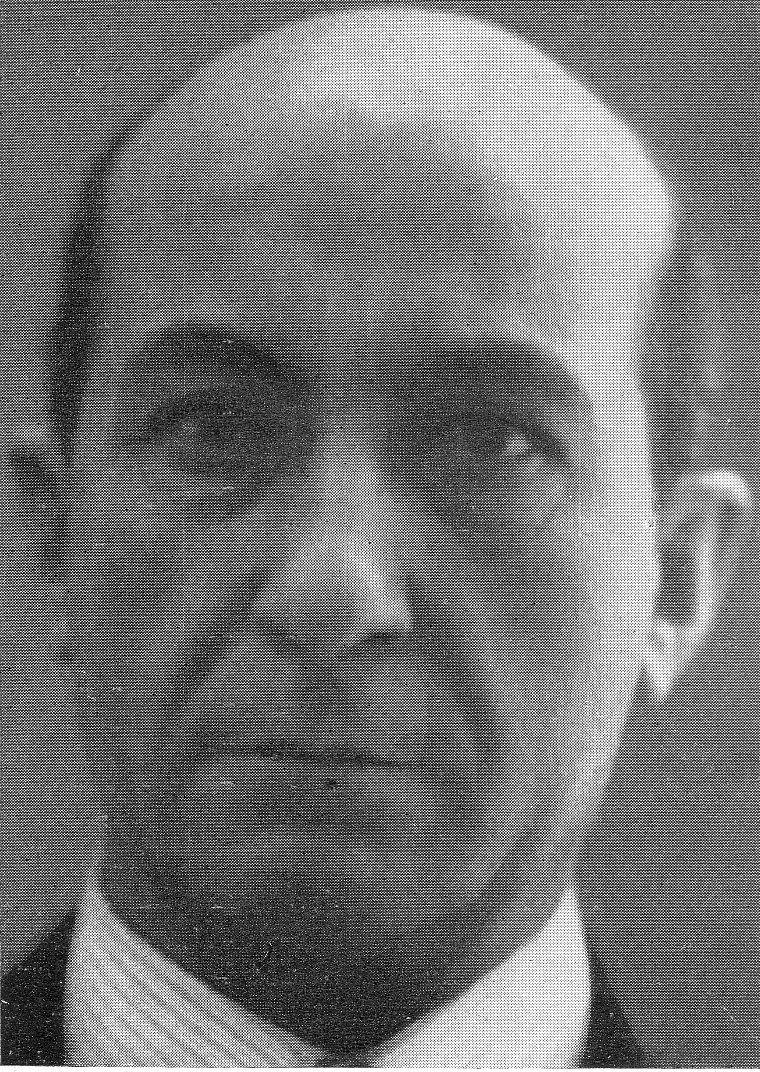 #44
#44
Ardengo Soffici
Critic as much as painter, Soffici introduced Parisian debates on Picasso and Braque to Italy. His compositions mix letters, objects and chromatic bursts in a lively, willingly polemical cubism.
Read the biography of Ardengo Soffici on Wikipedia #45
#45
Giacomo Balla
Balla analyzes speed by repeating contours and diagonals until the entire surface vibrates. Although futuristic, its division of the visible owes a lot to the spatial freedom opened up by Cubism.
Read Giacomo Balla's biography on Wikipedia #46
#46
Fortunato Depero
Depero pushes cubofuturist geometry towards theater, posters, furniture and advertising. Its mechanical characters and bold colors make the avant-garde a true visual environment.
Read Fortunato Depero's biography on Wikipedia #47
#47
Enrico Prampolini
Prampolini conceives of space as an organism of planes, forces and materials rather than as a stable window. Its cosmic settings and compositions extend the Cubist lesson into a total vision of the spectacle.
See the Enrico Prampolini collection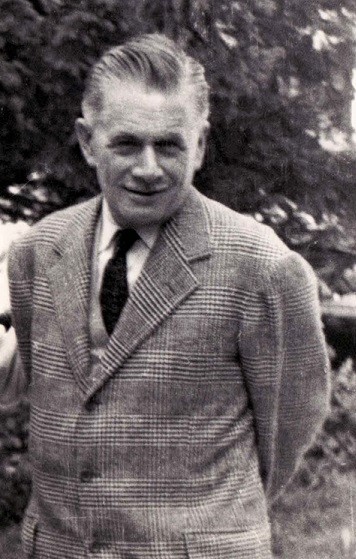 #48
#48
Mario Sironi
Sironi gives architectures and figures a sculptural heaviness resulting from Cubist construction. Its urban peripheries, dark and deserted, transform modern geometry into an existential climate.
Read Mario Sironi's biography on Wikipedia #49
#49
Gino Rossi
Rossi combines Gauguin's lessons and Cubist decomposition in portraits of rough intensity. Its tight volumes and muted colors give Italian modernity a deeply human voice.
See the Gino Rossi collection #50
#50
Alberto Magnelli
Magnelli starts from fragmented architecture and landscapes before completely releasing the color of the object. Its massive shapes make Cubism a springboard towards a clear and monumental abstraction.
Read Alberto Magnelli's biography on WikipediaChapter III · Ranks 51 to 75
From Cubofuturism to Bauhaus
Russia, Germany, Bohemia, Hungary and Portugal transform Cubist fragmentation into abstraction, design and stage language.
 #51
#51
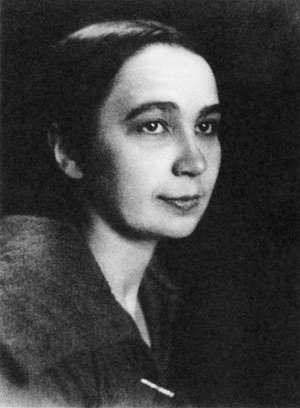
Natalia Goncharova
Goncharova mixes icons, popular signs and cubist fragmentation in a painting of exceptional frontal power. Its rayonism then transforms objects into beams of light and energy.
Read Natalia Goncharova's biography on Wikipedia #52
#52
Mikhail Larionov
Larionov diverts Cubism through the irony of street images and the brilliance of Russian popular traditions. With rayonism, he dissolves the figure in the light trajectories that cross it.
Read Mikhail Larionov's biography on Wikipedia #53
#53
Alexandra Exter
Exter orchestrates colorful and diagonal shots like a moving stage, from kyiv to Paris. Painting, costume and decor become parts of the same cubofuturist architecture.
See the Alexandra Exter collection #54
#54
David Bourliouk
Bourliouk animates the Russian avant-garde with his manifestos, his exhibitions and a deliberately clashing painting. He combines cubist facets, popular colors and a taste for spectacle with pioneering energy.
Read the biography of David Bourliouk on Wikipedia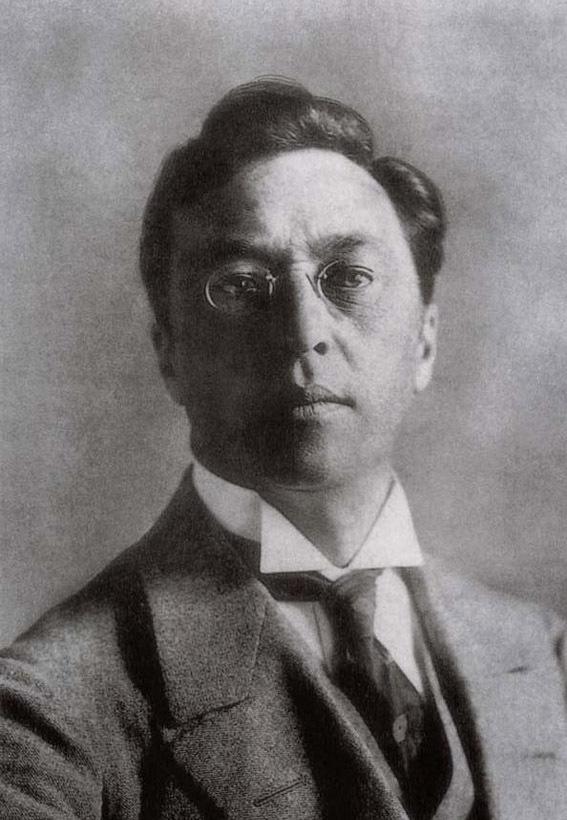 #55
#55
Wassily Kandinsky
Kandinsky does not claim to be Cubism, but shares with him the rupture of perspective space and the autonomy of form. His Parisian years and his exchanges with the avant-gardes brought geometric construction and interior resonance into dialogue.
See the Wassily Kandinsky collection #56
#56
Franz Marc
Marc takes animals and landscapes through colorful prisms that condense their rhythm. The discovery of cubism and futurism hardens its composition without extinguishing its symbolic vision of nature.
See the Franz Marc collection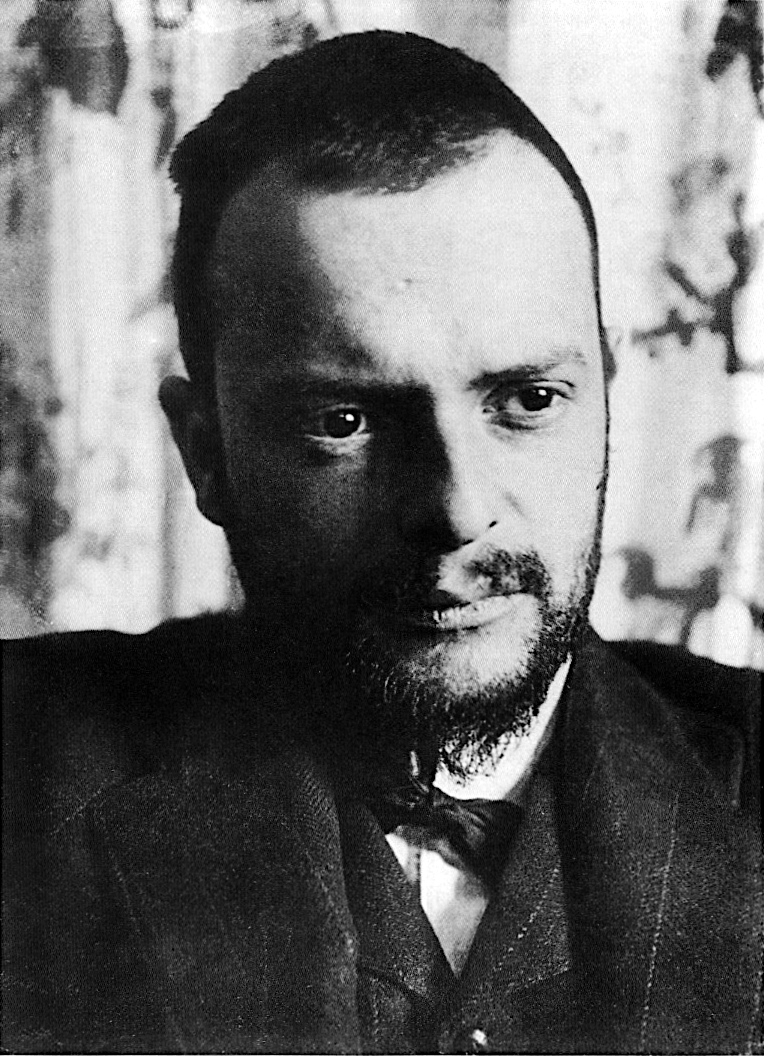 #57
#57
Paul Klee
Klee transforms the cubist grid into a mobile score where signs, colors and memories respond to each other. His art preserves the idea of construction while introducing humor, music and poetry.
See the Paul Klee collection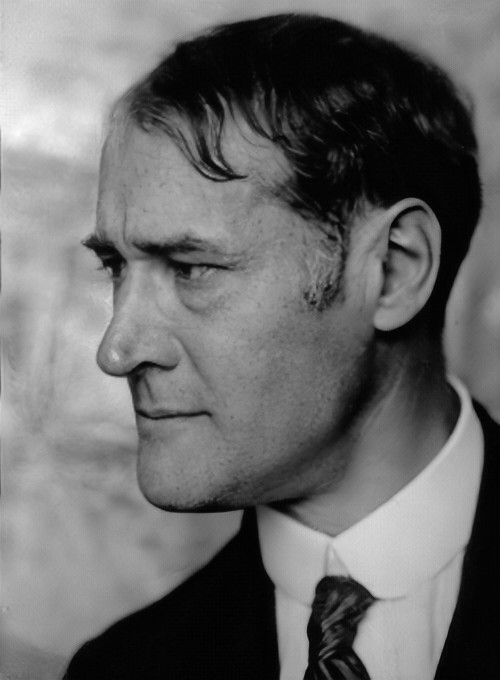 #58
#58
Lyonel Feininger
Feininger cuts churches, sailboats and streets into translucent planes comparable to shards of glass. Its synthesis of cubism and expressionism gives the landscape an instantly recognizable luminous architecture.
See the Lyonel Feininger collection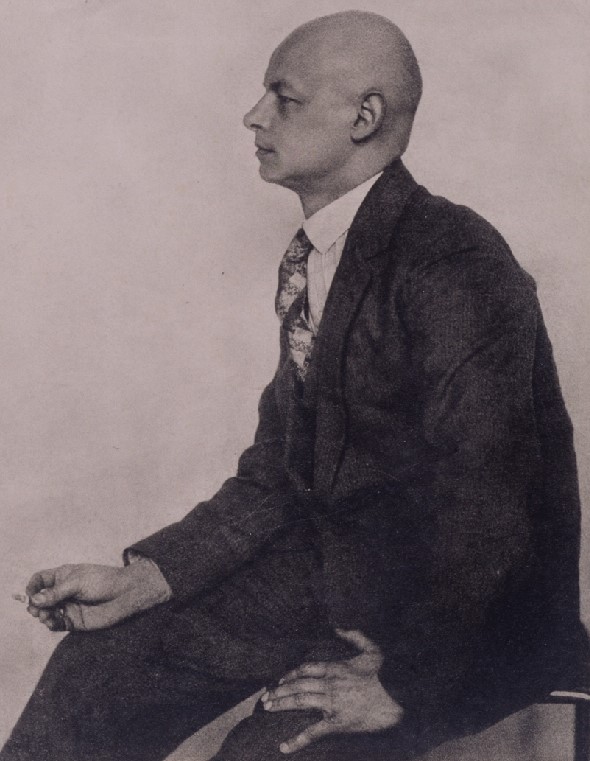 #59
#59
Oskar Schlemmer
Schlemmer reduces the human body to volumes regulated by architectural space. At the Bauhaus, this geometry becomes costume, dance and pedagogy, extending Cubism well beyond the painting.
See the Oskar Schlemmer collection #60
#60
Laszlo Moholy-Nagy
Moholy-Nagy takes construction by plans to open it to photography, metal and real light. His work shows how the Cubist heritage can become a modern method of design and experimentation.
See the Laszló Moholy-Nagy collection #61
#61
Bohumil Kubišta
Kubišta combines exploded perspective, rigorous geometry and expressionist tension. His portraits and urban scenes are among the most powerful formulations of Czech Cubism.
See the Bohumil Kubišta collection #62
#62
Emil Filla
Filla adapted Picasso and Braque very early on to a more dramatic painting, nourished by figures, still lifes and fights. Its critical and educational influence lastingly structures Czech modernity.
See the Emil Filla collection #63
#63
Antonin Prochazka
Prochazka uses cubist facets to stabilize the portrait and still life in meditative harmony. Its dense material and muted chords give geometry an almost archaic presence.
See the Antonin Prochazka collection.jpg) #64
#64
Vaclav Špála
Špála simplifies landscapes, bouquets and figures into powerful volumes dominated by blue and red. His version of Cubism remains direct, colorful and closely linked to the motif.
See the Vaclav Špála collection #65
#65
Otto Gutfreund
Gutfreund makes assemblages of planes stretched in space from the face and body. His cubist sculptures give the Czech movement a three-dimensional translation of rare coherence.
See the Otto Gutfreund collection #66
#66
Josef Capek
Čapek uses deliberately simple geometry to paint workers, children and scenes of modern life. His humanist cubism retains popular readability without renouncing formal invention.
See the Josef Čapek collection #67
#67
Frantisek Kupka
Kupka starts from the decomposition of movement to achieve a completely autonomous painting. His discs, vertical planes and colorful rhythms dialogue with cubism while opening one of the first paths of abstraction.
Read František Kupka's biography on Wikipedia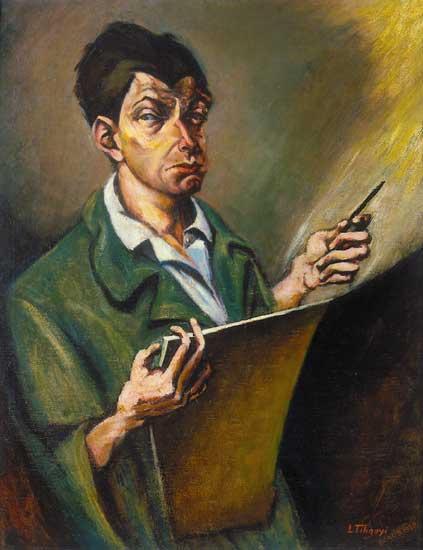 #68
#68
Lajos Tihanyi
Tihanyi constructs his portraits in angular masses which concentrate the character of the model. Between Budapest, Berlin and Paris, he circulates a nervous synthesis of cubism and expressionism.
See the Lajos Tihanyi collection #69
#69
Béla Kadár
Kádár populates his compositions with horsemen, villages and stylized figures caught in geometric rhythms. He combines Hungarian popular heritage with modernity nourished by cubism and expressionism.
See the Béla Kádár collection #70
#70
Georges Valmier
Valmier evolves the cubist still life towards abstract compositions of dazzling color. Musician as much as painter, he organizes forms and rhythms with precise inventiveness, extended in the decor and applied arts.
See the Georges Valmier collection #71
#71
Amadeo de Souza-Cardoso
Souza-Cardoso absorbs cubism, futurism and popular arts without being locked into a school. Its dense surfaces mix letters, masks, bold colors and objects in dazzling modernity.
See the Amadeo collection by Souza-Cardoso #72
#72
Santa Rita Pintor
Santa Rita became one of the most radical figures of Portuguese futurism after his stay in Paris. The rare preserved works fragment the body into metallic shards of almost theatrical intensity.
See the Santa Rita Pintor collection #73
#73
Eduardo Viana
Viana organizes landscapes and family scenes in large colorful shots, in contact with the avant-garde of Vila do Conde. His painting tempers the Cubist break with a robust sense of Atlantic light.
Read the biography of Eduardo Viana on Wikipedia #74
#74
Almada Negreiros
Almada Negreiros applies geometric simplification to painting, drawing, stage and large public settings. Its incisive line gives Portuguese modernism a spectacular visual unity.
Read Almada Negreiros' biography on Wikipedia #75
#75
Manuel Ortiz de Zarata
Ortiz de Zârate discovered Cézanne's lesson and Cubist constructions in Paris. His landscapes and still lifes combine this discipline with a sober color, making him an important conduit to Latin America.
See the Manuel Ortiz collection by ZarateChapter IV · Ranks 76 to 100
Cubism crosses the Atlantic
Spain, Latin America and the United States adapt Parisian facets to modern cities, local cultures, jazz and great national stories.
 #76
#76
Daniel Vazquez Diaz
Vazquez Diaz reduces portraits and frescoes to broad mineral facets, easy to read but solidly constructed. His teaching diffuses in Spain a calmed cubism, adapted to the monumental story.
Read the biography of Daniel Vazquez Diaz on Wikipedia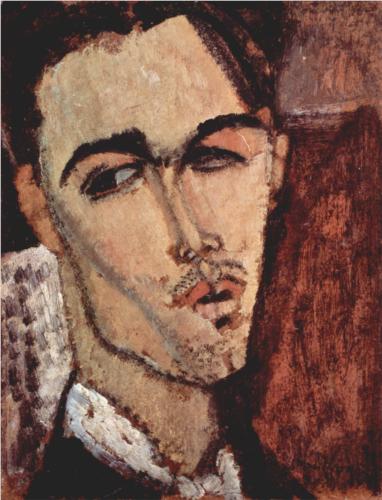 #77
#77
Celso Lagar
Lagar paints circuses, ports and cafes with simplified volumes and an earthy color. Its Parisian bohemia gives cubism a popular tone, attentive to artists and marginalized people.
Read Celso Lagar's biography on Wikipedia #78
#78
Henry Valensi
Valensi participated in the Golden Section before founding musicalism, convinced that color could develop like a score. His dynamic landscapes extend Cubist decomposition even into animated cinepainting.
Read Henry Valensi's biography on Wikipedia #79
#79
Manuel Angeles Ortiz
Close to Picasso, Angeles Ortiz develops a flexible geometry nourished by Andalusian landscapes and Mediterranean forms. His journey links the first Spanish avant-gardes to post-war abstractions.
Read Manuel Angeles Ortiz's biography on Wikipedia #80
#80
Henry Hayden
Hayden joined Parisian Cubism in 1915 and built still lifes and chess players using calm and balanced shots. His Cubist period combines Braque's discipline with a restrained color, before a lasting return to the landscape.
Read Henri Hayden's biography on Wikipedia #81
#81
Joaquin Torres Garcia
Torres Garcia transforms the Cubist grid into a constructive language populated by universal signs. From Barcelona to Montevideo, he built a modernity that combines classical order, city and pre-Columbian memory.
See the Joaquin Torres Garcia collection #82
#82
Rafael Barradas
Barradas fragments cafes, streets and characters into rapid fragments which he calls vibrationism. His time in Spain brought urban, sonic and popular energy to Cubism.
See the Rafael Barradas collection #83
#83
Xul Solar
Xul Solar composes miniature architectures, invented languages and esoteric figures from colorful plans. The cubist lesson becomes a tool for him to map spiritual worlds.
Read Xul Solar's biography on Wikipedia #84
#84
Emilio Pettoruti
Pettoruti introduced musicians, harlequins and glasses constructed by geometric beams to Argentina. Its clear light and formal discipline impose cubism at the heart of the modern Latin American debate.
Read Emilio Pettoruti's biography on Wikipedia #85
#85
Tarsila do Amaral
Tarsila assimilates Parisian cubism to simplify the bodies, cities and vegetation of Brazil. Its local colors and monumental shapes make this imported method a profoundly new national language.
Read the biography of Tarsila do Amaral on Wikipedia #86
#86
Anita Malfatti
Malfatti upsets Sao Paulo with angular, colorful and psychologically tense portraits. His synthesis of cubism and expressionism prepared the Modern Art Week of 1922.
Read Anita Malfatti's biography on Wikipedia #87
#87
Vicente do Rego Monteiro
Rego Monteiro constructs his figures as bas-reliefs, combining cubist geometry and references to Amazonian cultures. Its compact silhouettes give Brazilian modernism an archaic gravity.
Read the biography of Vicente do Rego Monteiro on Wikipedia #88
#88
Wifredo Lam
Lam uses Picasso's syntax to invent hybrid figures linked to Afro-Cuban cultures. In The Jungle, Cubist fragmentation becomes an anti-colonial, ritual and disturbing language.
Read Wifredo Lam's biography on Wikipedia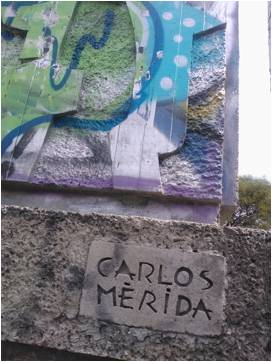 #89
#89
Carlos Merida
Mérida combines geometric construction, dance and motifs from Mesoamerican cultures. His paintings and mosaics show a non-narrative path of muralism, close to synthetic cubism.
Read the biography of Carlos Mérida on Wikipedia #90
#90
Rufino Tamayo
Tamayo simplifies characters, fruits and animals into dense volumes crossed by mineral colors. He dialogues with Cubism without abandoning the material or references to pre-Columbian art.
Read Rufino Tamayo's biography on Wikipedia #91
#91
Stuart Davis
Davis transposes Cubist construction into the language of American signs, jazz and urban products. Its bold colors and painted words directly announce Pop Art.
Read Stuart Davis' biography on Wikipedia #92
#92
Max Weber
After his stay in Paris, Weber introduced to the United States a fragmentation inspired by Picasso, Cézanne and ancient arts. His New York scenes give Cubism a very personal spiritual and urban density.
Read Max Weber's biography on Wikipedia #93
#93
Patrick henry bruce
Bruce reduces still life to colorful blocks arranged with almost musical precision. His Parisian painting makes Cubism a laboratory of balance between volume, light and abstraction.
See the Patrick Henry Bruce collection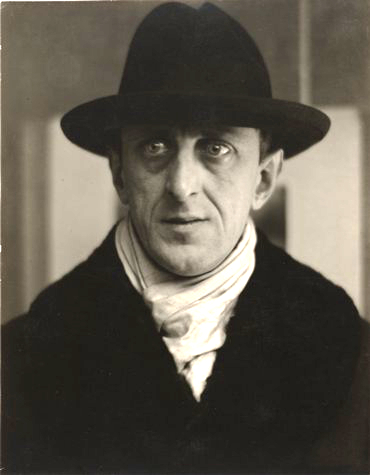 #94
#94
Marsden Hartley
Hartley combines cubist plans, military emblems and expressionist colors in his famous Berlin paintings. The geometric structure becomes the support of an intimate and symbolic memory.
See the Marsden Hartley collection #95
#95
Arthur Dove
Dove condenses landscape, weather and sensation into simple organic forms, sometimes close to Cubist collage. He was among the first Americans to make abstraction a direct experience of nature.
See the Arthur Dove collection #96
#96
John Marin
Sailor fractures bridges, skyscrapers and sea coasts with oblique lines and quick washes. His watercolor preserves the mobility of the gaze while absorbing the spatial ruptures of cubism.
See the John Marin collection #97
#97
Morgan Russell
Russell organizes the canvas as a rotating architecture of colors, freed from the visible motif. The synchromism he founded in Paris shares with Cubism the idea of an autonomous and structured composition.
See the Morgan Russell collection #98
#98
Stanton Macdonald-Wright
Macdonald-Wright constructs his paintings by rotating chromatic scales rather than by imitation of reality. Its synchromism translates the cubist logic of planes into an ambitious theory of color.
Read Stanton Macdonald-Wright's biography on Wikipedia #99
#99
Charles Demuth
Demuth cuts factories, silos and posters in sharp, transparent diagonals. Its graphic precision adapts Cubism to American industry while maintaining watercolorist finesse.
See the Charles Demuth collection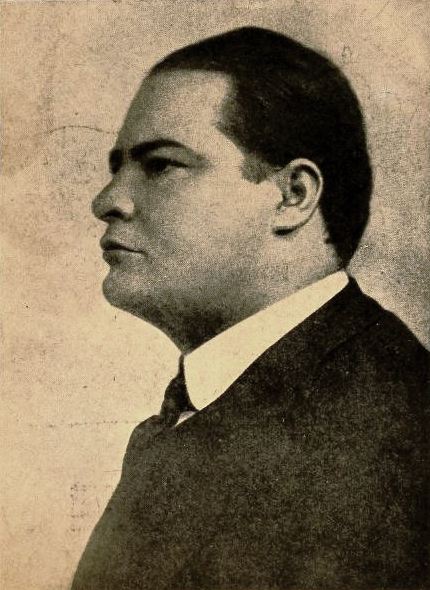 #100
#100
Joseph Stella
Stella transforms the Brooklyn Bridge into a cathedral of cables, arches and electric light. His synthesis of cubism and futurism gives an exalted, almost mystical image of the American metropolis.
See the Joseph Stella collectionSources and extensions
Continue visiting Cubism
Biographical and historical landmarks were confronted with museum catalogs and institutional resources. Artists who died in 1956 or earlier lead exclusively to their Shopify collection; the others lead to their Wikipedia article in French.
Explore Alpha Reproduction
Cubism changed the way we construct an image
These hundred artists show that cubism is neither about cubes nor a brown palette. He invents a visual thought: observing several faces, condensing time, making a fragment of a newspaper interact with a painted line and giving the surface as much importance as the subject.
To choose a reproduction, start from the energy sought: the analytical tension of Braque, the colored clarity of Gris, the rhythm of Delaunay, the mechanical power of Léger or the cubofuturist invention of Popova. Each sheet then allows you to continue the discovery by artist.
0 comments