

Top 100 - Impressionism
The 100 masters of impressionist light
From Monet to international schools, the Impressionists and their heirs
In 1874, the word "impressionism" was born out of mockery. This journey brings together the founders of the movement, the masters of the outdoors and the international schools who reinvented light.

From the founding core to impressionist schools around the world
Context
What makes these painters essential?
Impressionism was born from a triple rupture: against the workshop, against the official Salon, and against the preeminence of drawing over color. In a few years, these painters made light the very subject of the painting - no longer an effect, but the raw material of the work.
The classification combines historical influence, museum diffusion, the originality of the touch and the force with which each artist transmitted the study of light. Ranks 1 to 50 retain the heart of the initial classification; ranks 51 to 100 broaden the route to precursors, neo-impressionism and major international schools. Each notice offers a clear benchmark and access to available works. The objective is not to freeze a school boundary, but to show how impressionism and its immediate extensions circulated from Paris to Amsterdam, London, Madrid, Kristiania, Melbourne and New York.
This page was designed as a tour guide, not a hit parade. Painters are grouped by schools and generations to make visible the connections - who influenced who, who responded to whom, who diverged. The classification numbers are indicative: a rank 17 is not "worse" than a rank 4, it is later or more peripheral.
The founding core (1869-1880)
The founding core of Impressionism
Between the end of the 1860s and the independent exhibitions opened in 1874, Monet, Renoir, Pissarro, Sisley, Morisot and Degas renewed the painting of modern life. Manet prepares this break without exhibiting with the group; Bazille disappears before his first exhibition; Caillebotte then joins him as painter, organizer and patron.
The time of independent exhibitions (1874-1886)
Transition figures and peripheral exponents
The first impressionist exhibition (1874) is no coincidence: the Official Salon refuses works that are too modern. Hence these "independent exhibitions" which continued until 1886. They brought together founding fathers, transitional figures (Caillebotte, Cézanne), and painters who remained peripheral - without ever reaching the posterity of Monet or Renoir, but by consolidating the movement.
The masters of intimate light (1880-1920)
American Impressionism
After 1880, Impressionism circulated widely in the United States. Hassam, Chase, Robinson, Tarbell, Benson and their contemporaries adapted the light touch to the streets of Boston and New York, the coasts of New England and the interiors of the Boston School. They do not copy a French model: they develop several American responses to the outdoors and modern life.
The north and atmospheric sensitivity (1880-1930)
Impressionism outside France
Impressionism quickly overtook the French scene. Van Rysselberghe and Lemmen in Belgium, the Anchers and Krøyers in Denmark, Thaulow in Norway, Liebermann, Corinth and Slevogt in Germany, Israels in the Netherlands, Sorolla in Spain or De Nittis and Zandomeneghi in Italy adapt his research to their own landscapes. Northern light, modern cities and Mediterranean shores thus produce very different languages.
The essentials
The ten artists who open the eyes
Ten major figures presented as the opening rooms of an exhibition: a strong image, a clear reference and a developed notice.
 #1
#1
Claude Monet
Monet makes changing light the true subject of painting. From youthful landscapes to the series of Millstones, Cathedrals and Water Lilies, he uses the same motifs to observe variations in time, climate and color.
See the Claude Monet collection #2
#2
Pierre-Auguste Renoir
Renoir applies the impressionist touch to modern leisure, portraits and outdoor scenes. Its warm and mobile color animates the figures of the Bal du moulin de la Galette like the bathers of its late period.
See the Pierre-Auguste Renoir collection #3
#3
Edgar Degas
Degas shared with the Impressionists a taste for modern life, but favored drawing, memory and constructed framing rather than the outdoors. Dancers, ironers and racing scenes become studies of movement and work under his gaze.
See the Edgar Degas collection #4
#4
Camille Pissarro
The only artist to participate in the eight impressionist exhibitions, Pissarro plays a central role as a conduit between generations. Its rural landscapes and urban views combine direct observation, fragmented touch and constant attention to daily life.
See the Camille Pissarro collection #5
#5
Alfred Sisley
Sisley devotes most of his work to landscape, particularly on the banks of the Seine and the Loing. Its vast skies, its roads, its floods and its snow scenes make the atmosphere a sensitive presence without losing the structure of the place.
See the Alfred Sisley collection #6
#6
Berthe Morisot
Morisot paints modern life and family intimacy with a quick, open, often visible touch. His colorful whites, bold framing, and pastel work are among the freest expressions of Impressionism.
See the Berthe Morisot collection #7
#7
Édouard Manet
Manet did not exhibit with the impressionist group, but his painting of modern life and his refusal of academic modeling opened a decisive path. Olympia, Le Déjeuner sur l'herbe and Un bar aux Folies Bergère lastingly disrupted the Salon's conventions.
See the Édouard Manet collection #8
#8
Mary Cassatt
Invited by Degas, Cassatt participated for the first time in an impressionist exhibition in 1879. Her portraits, theater scenes and images of women and children combine modern framing, psychological observation and the influence of Japanese printmaking.
See the Mary Cassatt collection #9
#9
Gustave Caillebotte
Caillebotte paints the boulevards, bridges, interiors and leisure activities of the bourgeoisie with striking perspectives. Patron and collector of the group, he also contributed materially to the organization and recognition of impressionist exhibitions.
See the Gustave Caillebotte collection #10
#10
Frédéric Bazille
Bazille combines solidly constructed figures with the clear light of the South and research into the outdoors. Died at twenty-eight during the war of 1870, he left a brief work whose ambition L'Atelier de la rue Condamine and Scène d'été showed.
See the Frédéric Bazille collectionChapter I · Ranks 11 to 25
The impressionist circle and its relatives
Travel companions, independents, smugglers and first French or Belgian ramifications.
 #11
#11
Armand Guillaumin
Companion of Cézanne and Pissarro at the Swiss Academy, Guillaumin participated in six impressionist exhibitions. Its landscapes of the Creuse, its quays and its sunsets are distinguished by increasingly intense colors.
See the Armand Guillaumin collection #12
#12
Marie Bracquemond
A student of Ingres before getting closer to the Impressionists, Bracquemond exhibited with the group in 1879, 1880 and 1886. His garden scenes and outdoor figures combine solid composition, clear palette and attention to the effects of the sun.
See the Marie Bracquemond collection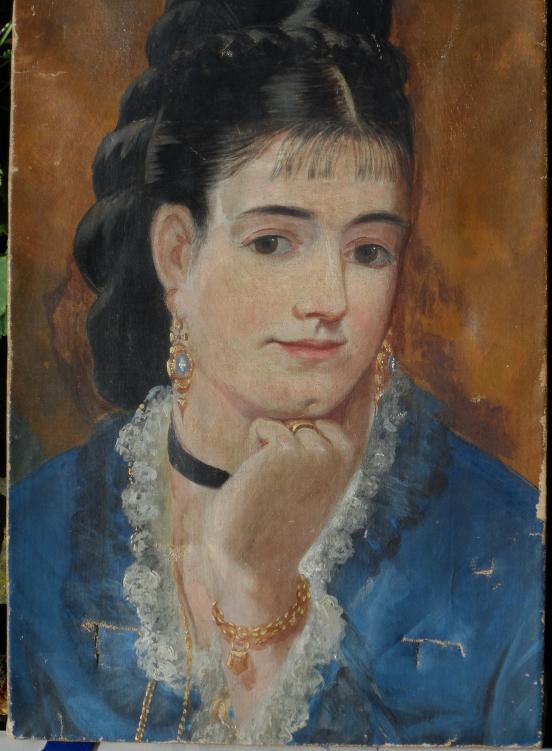 #13
#13
Eva Gonzales
A student of Édouard Manet, Gonzalès developed a personal painting made of frank contrasts, luminous whites and intimate atmospheres. She does not exhibit with the impressionist group, but her work fully participates in the pictorial modernity of her time.
See the Eva Gonzalès collection #14
#14
Eugene Boudin
Boudin sets up his easel on the Normandy beaches to paint the skies, clouds and elegant spaces of Trouville. His example encouraged young Monet to work outdoors and made him one of the main precursors of Impressionism.
See the Eugène Boudin collection #15
#15
Giuseppe De Nittis
Installed in Paris from 1867, De Nittis participated in the first impressionist exhibition in 1874 while maintaining links with the Salon. His views of Paris and London unite observation of modern life, elegance of drawing and a keen sense of atmosphere.
See the Giuseppe De Nittis collection #16
#16
Federico Zandomeneghi
Close to the Macchiaioli in Italy, Zandomeneghi settled in Paris in 1874 and then participated in impressionist exhibitions. His female portraits, pastels and interior scenes bear witness above all to his exchanges with Degas and Renoir.
See the Federico Zandomeneghi collection #17
#17
Stanislas Lépine
Lépine paints the quays of the Seine, Montmartre and the surroundings of Paris in a sober and luminous range. Participating in the first exhibition of 1874, he remains a discreet link between Corot's landscape and impressionist research.
See the Stanislas Lépine collection #18
#18
Henri Le Sidaner
After academic training, Le Sidaner turned to silent landscapes and cities bathed in diffused light. Its gardens, its set tables and its lit windows are a personal intimacy, close but distinct from impressionism.
See the Henri Le Sidaner collection #19
#19
Henry Martin
Henri Martin adopts a divided touch to build vast settings and landscapes bathed in southern light. In Marquayrol, as in his public commissions, he combined observation of nature, symbolism and fragmented color.
See the Henri Martin collection #20
#20
Theo van Rysselberghe
Member of the Brussels group of XX, Van Rysselberghe adopted neo-impressionism after his discovery of Seurat. His Mediterranean portraits and landscapes combine division of tones, rigorous composition and a remarkable sense of light.
See the Théo van Rysselberghe collection #21
#21
Anna Boch
Belgian painter and member of the XX, Anna Boch practices a free neo-impressionism, attentive to landscapes and gardens. A committed collector, she notably acquired La Vigne rouge by Vincent van Gogh in 1890.
See the Anna Boch collection #22
#22
George Lemmen
Lemmen joined the XX in 1888 and experimented with pointillism through contact with Seurat and Van Rysselberghe. He then evolved towards portraits, interiors and decorative arts with simplified shapes and delicate colors.
See the Georges Lemmen collection #23
#23
Childe Hassam
Hassam transposes the impressionist touch to the streets of Boston and New York, to the gardens and coasts of New England. His series of Fifth Avenue flags combines urban movement, light and decorative composition.
See the Childe Hassam collection #24
#24
William Merritt Chase
An influential portrait painter, outdoor painter, and teacher, Chase spread a free approach to color in the United States. His Shinnecock scenes, parks, and interiors show a virtuosity that remains attentive to structure.
See the William Merritt Chase collection #25
#25
Theodore Robinson
Robinson stayed regularly in Giverny from the late 1880s and maintained a close relationship with Monet. He adapts fragmented color to solidly drawn compositions, often nourished by photography.
See the Theodore Robinson collectionChapter II · Ranks 26 to 50
Light crosses borders
From the United States to the Nordic countries, impressionism changed climate without losing its taste for the outdoors.
 #26
#26
John Henry Twachtman
Twachtman develops a tonal impressionism recognizable by its pale harmonies and dissolved contours. The landscapes of his Greenwich property, painted throughout the seasons, transform a familiar place into a laboratory of the atmosphere.
See the John Henry Twachtman collection #27
#27
Willard Metcalf
Formed in Boston then in Paris, Metcalf became one of the founding members of the American group Ten. Its New England landscapes give an essential place to the seasons, snow and variations in light.
See the Willard Metcalf collection #28
#28
Frank Weston Benson
Benson combines academic training, portraiture and outdoor painting. His figures dressed in white, his family scenes and his coastal landscapes capture the reflections of the sun with a clear and controlled touch.
See the Frank Weston Benson collection #29
#29
Edmund Tarbell
Tarbell builds quiet interiors where light glides over fabrics, furniture and figures. A leader at the Boston School, he combines impressionist technique, precise drawing and admiration for Vermeer.
See the Edmund Tarbell collection #30
#30
Frederick Carl Frieseke
Living for a long time in Giverny, Frieseke paints gardens, interiors and female figures in filtered light. Its decorative motifs and clear palette give a unique identity to American impressionism in France.
See the Frederick Carl Frieseke collection #31
#31
Guy Rose
After his training in California and Paris, Guy Rose stayed in Giverny and carefully studied Monet's painting. His French and then Californian landscapes combine a fragmented touch, clear construction and a sense of colorful mists.
See the Guy Rose collection #32
#32
Edward henry potthast
Potthast is best known for its bustling beaches of Coney Island and the American coast. A quick, bright touch lets it capture the brilliance of the water, the movement of swimmers, and popular recreation.
See the Edward Henry Potthast collection #33
#33
Colin Campbell Cooper
Cooper makes skyscrapers, train stations and modern streets impressionist subjects. His views of New York, Philadelphia and California combine architectural precision, urban crowds and a bright atmosphere.
See the Colin Campbell Cooper collection #34
#34
Cecilia Beaux
Beaux renews the great American portrait with a supple touch and demanding psychological observation. His models emerge from elegant compositions where the light, the tissues and the presence of the face remain perfectly balanced.
See the Cecilia Beaux collection #35
#35
Lilla Cabot Perry
Perry discovered Giverny in 1889 and became friends with Monet, whose work she helped to make known in the United States. His portraits and landscapes combine clear light, family intimacy and circulation between the French, American and Japanese scenes.
See the Lilla Cabot Perry collection #36
#36
Richard E. Miller
Miller belongs to the American colony of Giverny and favors female figures in highly decorated interiors. Its fabrics, mirrors and gardens compose a brilliant painting, situated between impressionism and intimacy.
See the Richard E. Miller collection #37
#37
Laura Muntz Lyall
Trained in Ontario then at the Colarossi Academy in Paris, Muntz Lyall specializes in portraits of women and children. Its free touch and soft light make it an important figure in Canadian impressionism.
See the Laura Muntz Lyall collection #38
#38
John Lavery
Lavery trained in Glasgow then in Paris before working in Grez-sur-Loing and with the Glasgow Boys. Portraits, social scenes and landscapes show a fluid touch, attentive to colorful grays and natural light.
See the John Lavery collection #39
#39
Peder Severin Krøyer
Born in Stavanger and raised in Denmark, Krøyer became one of the major figures of Skagen painters. Its beach scenes and artist meetings make the northern light and blue hour of summer evenings famous.
See the Peder Severin Krøyer collection #40
#40
Anna Ancher
Born in Skagen, Anna Ancher observes the light that passes through windows and transforms domestic interiors. Its bold color and silent compositions give it an autonomous place among Skagen painters.
See the Anna Ancher collection #41
#41
Michael Ancher
Michael Ancher paints the Skagen fishermen, their rescues and their meetings on an often monumental scale. Its narrative realism gradually becomes clearer through contact with the northern colony and outdoor work.
See the Michael Ancher collection #42
#42
Frits Thaulow
Thaulow makes rivers, snow and reflections his favorite subjects. Trained in the Nordic landscape tradition then active in France, he developed a supple touch which precisely restores the movement of water.
See the Frits Thaulow collection #43
#43
Max Liebermann
Liebermann introduced to Germany a modern painting nourished by naturalism, the outdoors and the French example. His Wannsee gardens, his horsemen and his work scenes combine bright light and unemphasized observation.
See the Max Liebermann collection #44
#44
Lovis Corinth
Corinth brings together portrait, landscape, mythology and still life in the same work. After 1900, his material became freer and more energetic, placing his painting between German impressionism and emerging expressionism.
See the Lovis Corinth collection #45
#45
Max Slevogt
Slevogt forms with Liebermann and Corinth the great trio of German impressionism. His portraits, spectacle scenes and landscapes of the Palatinate are distinguished by a quick touch and increasingly open light.
See the Max Slevogt collection #46
#46
Anders Zorn
Zorn constructs his portraits and outdoor scenes with spectacular economy of means. Watercolor, oil and engraving reveal his mastery of reflections, skin tones and Nordic light.
See the Anders Zorn collection #47
#47
Joaquin Sorolla
Sorolla paints the beaches of Valencia, the children by the water and the gardens of Spain in bright light. Its quick touch and colorful whites have earned it a major place in Spanish luminism.
See the Joaquin Sorolla collection #48
#48
Isaac Israels
Israels observes the streets of Amsterdam, the beaches of Scheveningen, fashion workshops and Parisian cafes. His direct brush transforms crowds and modern leisure into fast, colorful and lively impressions.
See the Isaac Israels collection #49
#49
Philip Wilson Steer
Steer adapts French research to British beaches, landscapes and interiors. His works oscillate between a free and luminous touch and a more classic construction inspired by the old masters.
See the Philip Wilson Steer collection #50
#50
Lesser Ury
Ury paints Berlin in the rain, lit cafes and tree-lined roads with particular attention to reflections. Its night and urban vision constitutes an original path of German impressionism.
See the Lesser Ury collectionChapter III · Ranks 51 to 75
Precursors, color divisions and new paths
The ranking extends to artists who prepared, extended or methodically reconstructed the impressionist experience.
 #51
#51
John Singer Sargent
A virtuoso portraitist, Sargent circulates the air around his models thanks to a broad, rapid and sovereign touch. His scenes painted outdoors, from Venice to Mediterranean gardens, reveal a look deeply nourished by Monet and the painting of light.
See the John Singer Sargent collection #52
#52
James McNeill Whistler
Whistler transforms cityscapes and portraits into harmonies of tones. His Nocturnes, almost musical, simplify the motif and establish an atmosphere that prepares impressionism while following a quieter and more abstract path.
See the James McNeill Whistler collection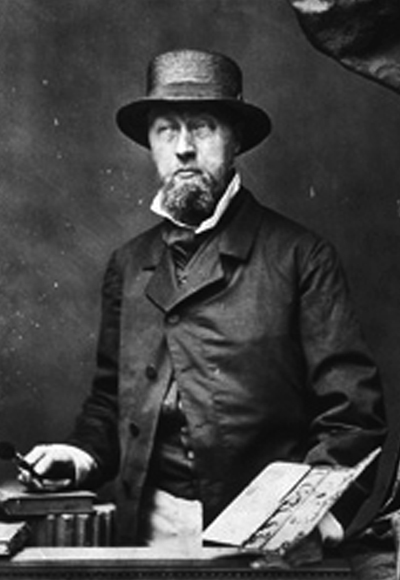 #53
#53
Johan Barthold Jongkind
Before Monet, Jongkind painted ports, changing skies and reflections with a moving touch that dissolved the contours. His sense of atmosphere and moment makes him one of the essential conveyors between romantic landscape and impressionism.
See the Johan Barthold Jongkind collection #54
#54
Jean Louis Forain
Forain observes behind the scenes of the Opera, the cafes, the courts and the street with an incisive line. Close to Degas, he combines daring framing, social irony and artificial light to capture the nervous comedy of Parisian life.
See the Jean-Louis Forain collection #55
#55
Jean-Francois Raffaëlli
Raffaëlli chooses suburbs, small trades and vacant lots rather than social gardens. Its clear palette and precise design give popular modernity a unique presence within impressionist exhibitions.
See the Jean-François Raffaëlli collection #56
#56
Albert Lebourg
Painter of quays, bridges and mists, Lebourg follows the variations of the Seine with delicate atmospheric sensitivity. Its colorful grays and soft touches make each landscape a study of the weather and the passing of time.
See the Albert Lebourg collection #57
#57
Henri Edmond Cross
Cross opens neo-impressionism to Mediterranean light. Its separate touches become large colorful mosaics where pines, the sea and bodies compose a modern, luminous and almost decorative Arcadia.
See the Henri-Edmond Cross collection #58
#58
Paul Signac
Signac systematizes the division of tones without losing the taste for travel. Ports, sailboats and shores become pure color architectures whose vibration extends impressionist intuition through a more constructed method.
See the Paul Signac collection #59
#59
Georges Seurat
Seurat replaces apparent improvisation with a patient science of color. With his points and immobile figures, he transforms modern leisure into monumental compositions, at once luminous, strange and rigorously ordered.
See the Georges Seurat collection #60
#60
Maximilian Luce
Luce applies the divided touch to construction sites, stations, workers and industrial landscapes. For him, light never erases social reality: it gives the modern world its energy, its warmth and sometimes its hardness.
See the Maximilien Luce collection #61
#61
Charles Angrand
Angrand paints Paris, the Normandy countryside and modest gestures with a subtle, often muffled range. His pointillism favors balance, the gentleness of values and a daily poetry far removed from the spectacular effect.
See the Charles Angrand collection #62
#62
Lucien Pissarro
Son of Camille Pissarro, Lucien transported the culture of the outdoors and the divided touch to England. His landscapes directly connect French impressionism to British research at the turn of the century.
See the Lucien Pissarro collection #63
#63
Louis Hayet
Hayet explored color separation and urban light effects very early on. Less famous than Seurat or Signac, it nevertheless occupies an important place in the history of divisionism and its optical experiments.
See the Louis Hayet collection #64
#64
Georges d'Espagnat
D'Espagnat retains the freedom of the impressionist touch but reinforces the construction and decorative warmth. Interiors, bouquets and landscapes are organized in dense, intimate and generous colorful masses.
See the Georges d'Espagnat collection #65
#65
Albert Andrew
Friend of Renoir, Albert André paints portraits, family scenes and landscapes with warm simplicity. Its bold color and sense of intimacy extend impressionism into a more stable and meditative painting.
See the Albert André collection #66
#66
Robert Antoine Pinchon
Pinchon intensifies the landscapes of the Seine with dazzling colors. His painting connects the impressionist heritage of Rouen to wild daring, without abandoning direct observation of the seasons, trees and water.
See the Robert Antoine Pinchon collection #67
#67
Pierre-Eugène Montézin
Montézin continued the tradition of outdoor landscape in the 20th century. Rivers, villages and paths are animated by a lively touch and generous light which immediately make the season sensitive.
See the Pierre-Eugène Montézin collection #68
#68
Giovanni Boldini
Boldini swirls dresses, velvet and silhouettes in spectacularly fast portraits. His nervous brush captures the elegance of the Belle Époque and brings the worldly portrait closer to the impressionist sensation.
See the Giovanni Boldini collection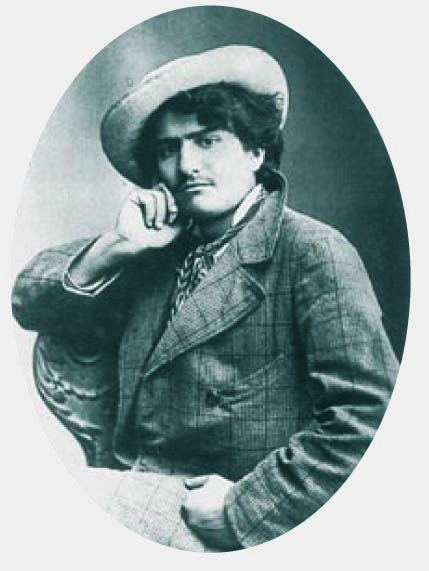 #69
#69
Giovanni Segantini
Segantini applies a divided touch to alpine landscapes and large rural allegories. Its crystalline light gives mountains, herds and figures an intensity that is both physical and symbolic.
See the Giovanni Segantini collection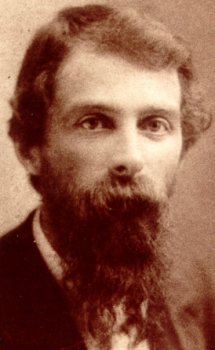 #70
#70
Giuseppe Pellizza da Volpedo
Pellizza uses the division of tones to construct a monumental and social painting. In The Fourth Estate, light accompanies the calm advance of a crowd that has become a universal image of collective dignity.
See the Giuseppe Pellizza da Volpedo collection #71
#71
Plinio Nomellini
Nomellini moves from naturalism to divisionism by making Ligurian ports, workers and landscapes vibrate. Its filamentary touch transforms color into energy and connects social modernity, symbolism and Mediterranean light.
See the Plinio Nomellini collection #72
#72
Angelo Morbelli
Morbelli combines social precision and light research. Its hospice scenes, silent interiors and landscapes break down color into subtle filaments that give reality an almost suspended gravity.
See the Angelo Morbelli collection #73
#73
Emilio Longoni
Longoni takes divisionist technique towards social subjects and the high mountains. His painting combines analytical light, attention to the most modest and fascination with vast alpine spaces.
See the Emilio Longoni collection #74
#74
Mosè Bianchi
Bianchi observes wet streets, lagoons, elegant figures and genre scenes with a fluid touch. Its reflections and atmospheres connect Lombard tradition to modern research on light.
See the Mosè Bianchi collection #75
#75
Dario de Regoyos
Regoyos travels through Spain and Europe with a clear palette, attentive to trains, seats, hills and changing lights. He played a decisive role in the spread of Impressionism and Neo-Impressionism in Spain.
See the Darío de Regoyos collectionChapter IV · Ranks 76 to 100
Schools around the world
Spain, Netherlands, United Kingdom, Australia and Norway: each territory reinvents light according to its landscapes.
 #76
#76
Santiago Rusiñol
Rusiñol paints Montmartre, abandoned gardens and silent architecture with melancholy poetry. Its muffled light connects the Parisian experience to the sensitivity of Catalan modernism.
See the Santiago Rusiñol collection #77
#77
Ramon Casas
Casas captures cafes, crowds, cyclists and portraits with a very modern economy. Its elegant design, its framing and its subtle tones testify to a fruitful dialogue with Degas, Manet and Parisian life.
See the Ramon Casas collection #78
#78
Aureliano de Beruete
Beruete renews the Spanish landscape through direct observation and a luminous palette. The surroundings of Madrid, the Castilian plains and the banks of the Tagus become studies of air, distance and season.
See the Aureliano collection by Beruete #79
#79
Martin Rico y Ortega
Rico paints Venice, rivers and gardens with sparkling precision. His fascination with water and reflections places him among the great European transmitters of the outdoor landscape.
See the Martin Rico y Ortega collection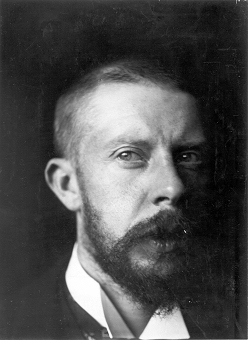 #80
#80
George hendrik breitner
Breitner makes Amsterdam a spectacle of rain, work, horses and busy passers-by. Its dark and fast touch, nourished by photography, gives the city a modern, almost cinematic power.
See the George Hendrik Breitner collection #81
#81
Jozef Israels
Jozef Israels paints fishermen, modest families and interiors with restrained emotion. Its supple material and gray atmospheres prepare Dutch impressionism while retaining a deep human gravity.
See the Jozef Israels collection #82
#82
Willem de Zwart
De Zwart mixes the tone of The Hague School with an energetic and colorful touch. Markets, cars, beaches and still lifes take on a direct, dense and spontaneous presence under his brush.
See Zwart's Willem collection #83
#83
Jan Toorop
Before his great symbolist compositions, Toorop experimented with pointillism with remarkable freedom. It combines decorative structure, divided color and observation of modern life in a work in constant transformation.
See the Jan Toorop collection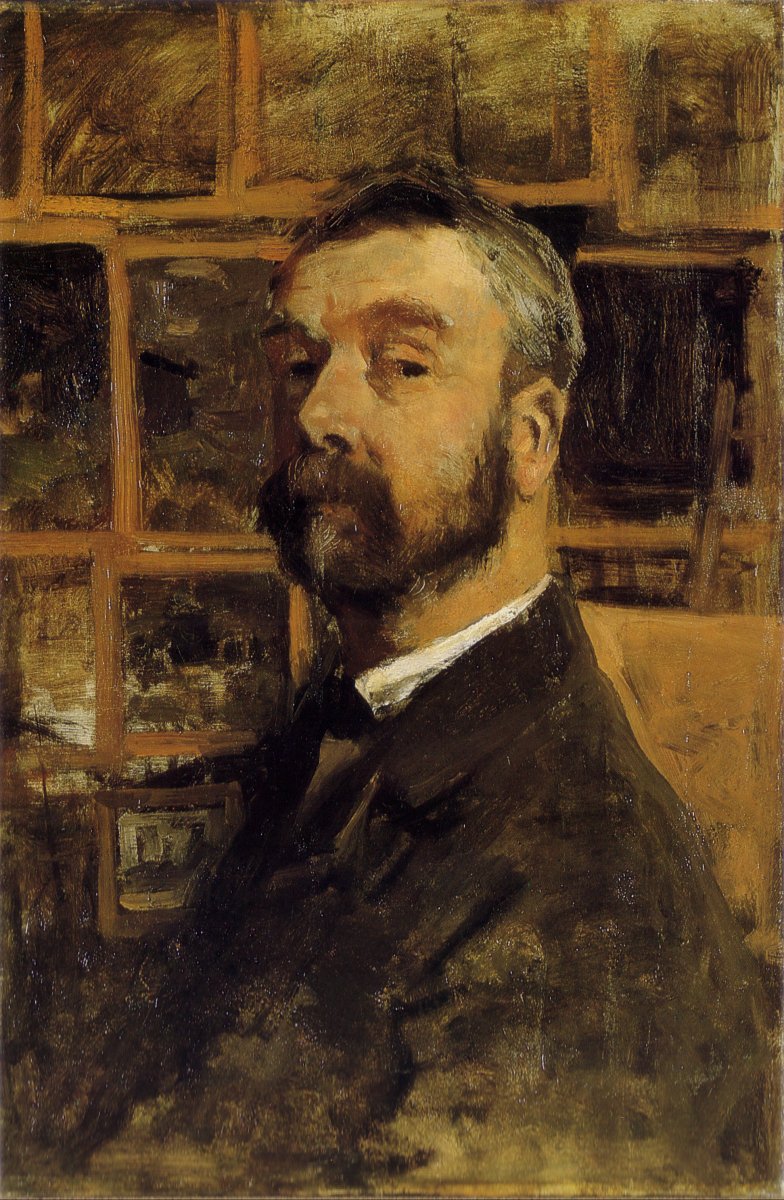 #84
#84
Anton Mauve
Mauve paints herds, sandy paths and rural works in silvery light. His atmospheric naturalism directly influenced the young Van Gogh and prepared impressionist sensibility in the Netherlands.
See the Anton Mauve collection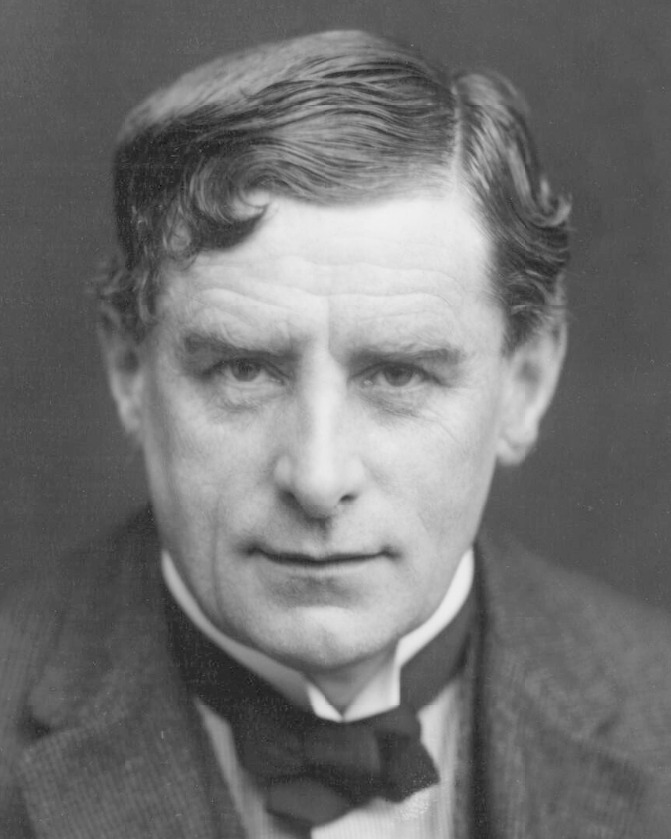 #85
#85
Walter Sickert
Sickert transposes Degas' lessons into London's music halls, streets and rooms. Its oblique framing, muted colors and discontinuous material give modern life an ambiguous intensity.
See the Walter Sickert collection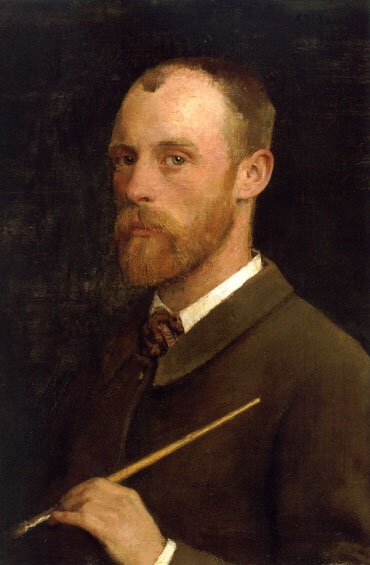 #86
#86
George Clausen
Clausen brings to the British rural world an observed light on the motif. Its harvests, its fields and its peasant figures combine naturalism, the outdoors and an increasingly free touch.
See the George Clausen collection #87
#87
Stanhope Forbes
Forbes paints the life of Cornish ports with careful attention to natural light. Its large collective scenes give the British outdoors a narrative breadth and documentary sincerity.
See the Stanhope Forbes collection #88
#88
Elizabeth Forbes
Elizabeth Forbes combines figures, landscapes and literary imagination in a luminous and decorative painting. His work broadens the Newlyn School with a personal sensitivity, attentive to children and poetic atmospheres.
See the Elizabeth Forbes collection #89
#89
Laura Knight
Laura Knight paints beaches, dancers, circuses and backstage with clear energy. Her independent gaze renews the British figure and modern life while remaining faithful to the work in front of the motif.
Read Laura Knight's biography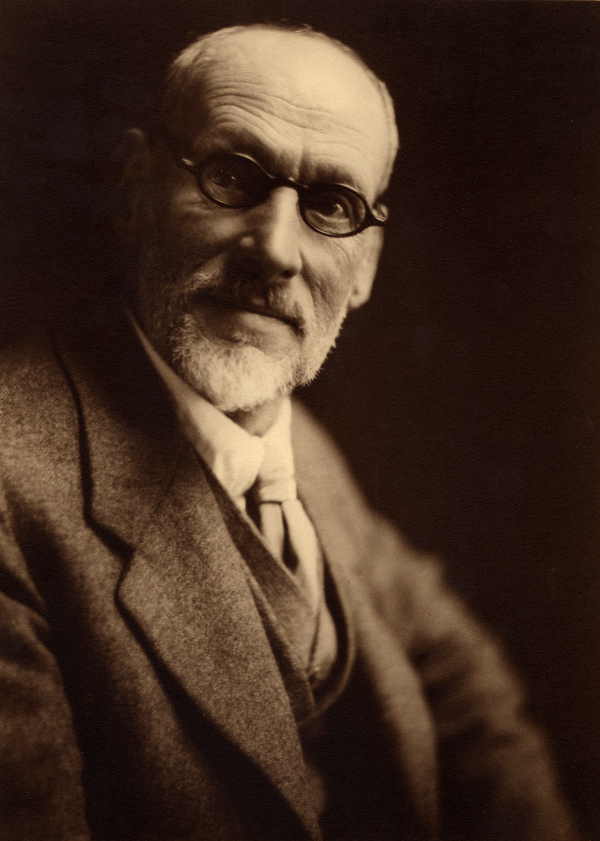 #90
#90
Tom Roberts
Roberts adapts the impressionist outdoors to Australian light. His rural scenes, portraits and grand national stories give new visibility to the dry colors and vast spaces of the continent.
See the Tom Roberts collection #91
#91
Arthur Streeton
Streeton translates the warmth, distance and glare of the Australian landscape into intense blues and open compositions. His painting makes the local atmosphere a subject in its own right.
See the Arthur Streeton collection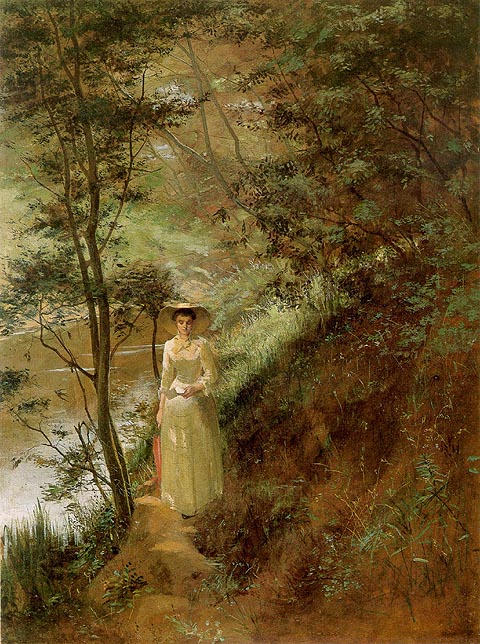 #92
#92
Frederick McCubbin
McCubbin combines human storytelling and bush observation. Its fragmented touch lets light filter between the trees and transforms episodes from the life of the pioneers into landscapes of memory.
See the Frederick McCubbin collection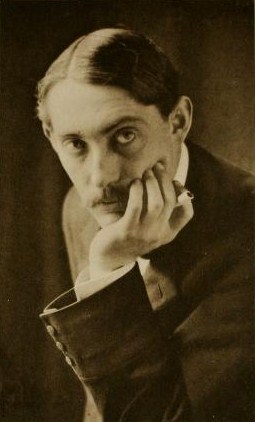 #93
#93
Charles Conder
Conder crosses Melbourne, Paris and London with light elegance. Landscapes, beaches and painted fans show a refined color, sensitive to impressionism as much as to Japonism.
See the Charles Conder collection #94
#94
John peter russell
Based in Belle-Île, Russell interacts with Monet, Van Gogh and Matisse. Its rough seas and cliffs use a bold color that makes it one of the great international relays of impressionism.
See the John Peter Russell collection #95
#95
Emanuel Phillips Fox
Fox paints gardens, interiors and female figures in clear, delicate light. His European training allowed him to introduce a refined version of the French outdoors to Australia.
See the Emanuel Phillips Fox collection #96
#96
Ethel Carrick
Carrick transforms markets, beaches and gardens into mosaics of crowds and color. Her lively touch and animated framing make her an essential figure in international Australian Impressionism.
See the Ethel Carrick collection #97
#97
Rupert Bunny
Bunny mixes mythology, portraits and elegant scenes in soft light. His Parisian career developed a decorative painting where impressionist heritage meets symbolism and the Belle Époque.
See the Rupert Bunny collection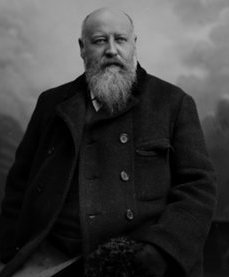 #98
#98
Christian Krohg
Krohg paints sailors, workers, families and everyday scenes with modern frankness. Its lightened palette and direct framing bring Norwegian realism closer to the impressionist experience.
See the Christian Krohg collection #99
#99
Harriet Backer
Backer builds his interiors with color and light that passes through windows, fabrics and woodwork. Its calm spaces give Norwegian painting a subtle modernity, between realism and luminous impression.
See the Harriet Backer collection #100
#100
Oda Krohg
Oda Krohg paints portraits, family scenes and landscapes with intimate freedom. A figure in Kristiania's bohemia, she brings a personal, direct and sensitive look to Nordic modernity.
See the Oda Krohg collectionTo continue the visit
Sources, collections and paths really related to the subject
These museum and documentary references make it possible to verify historical landmarks, compare works and extend the discovery of the movement.
Useful blog hubs
Useful sources on this topic
- Musée d'Orsay - impressionist collections
- Marmottan Monet Museum
- Wikipedia FR - Impressionism
- Wikipedia EN - Impressionism
- Wikidata - impressionist movement (Q173688)
- Tate - Impressionism movement guide
- The Met - Heilbrunn Timeline of Art History
- National Gallery of Art - Impressionism
- The Metropolitan Museum of Art - Impressionism & Post-Impressionism
- MoMA - Impressionism & Post-Impressionism
Take some of this light home
Impressionism changed the way we look at the world. A quality reproduction, placed in the right place, is enough to bring this revolution into your home: the light of Monet on a white wall, the fragmented touch of Renoir above the sofa, the silence of Hammershøi in a corridor. Many works from this Top 100 are available for reproduction on canvas in our collections, with particular care taken to ensure the fidelity of the original colors, materials and formats.
0 comments