

Top 100 · Realism
The 100 artists who looked at the world directly
From Courbet to Hopper, from Millet to Repin: work, towns, countryside and faces through two centuries.
Realism grants the present the dignity of great painting. He observes bodies at work, changes in the city, rural life and social relationships without subjecting them to the academic ideal. Born around 1848, he moved quickly from Paris to Munich, The Hague, Saint Petersburg, Skagen and New York.

Work, society, landscapes and modern lives.
Understand before classifying
Realism is a constellation more than a formula
Courbet imposes the present on large format, Millet gives monumental gravity to peasant work and Daumier transforms the city into political theater. In Barbizon, landscape becomes an autonomous subject; in the Salons, naturalism confronts painting with the new tools of investigation and photography.
The movement circulates well beyond France. Russian Ambulants question history and social classes, the Hague School studies climate, Skagen painters the light of the North, while American artists describe war, the city, work and modern isolation.
This Top 100 combines historical influence, pictorial invention, documentary strength and geographical diversity. It brings together the founders of the 19th century, the great naturalist schools and several heirs of the 20th century who extend the requirement for an attentive look at the world.
Observe
Everyday life becomes a subject of great painting
Village funerals, agricultural work, cafes, train stations and workshops come in ambitious formats. This promotion of everyday life lastingly transforms the hierarchy of genres.
Investigate
Pattern, anatomy and photography renew the look
On-site studies, notebooks and photography allow you to check a posture, a light or a place. Artists select the facts that make a situation intelligible.
Circulate
Each home gives reality another voice
Social realism, naturalism, atmospheric landscape and psychological portrait show that the movement is an international constellation rather than a single recipe.
The essentials
The ten artists who imposed reality as a subject
Work, countryside, city, portrait and landscape: ten entry points into the history of realism.
 #1
#1
Gustave Courbet
Courbet makes the painting a piece of reality, thick, frontal and without idealization. The Burial in Ornans and The Stone Breakers place ordinary bodies, work and matter in the format formerly reserved for history.
See the Gustave Courbet collection #2
#2
Jean-Francois Millet
Millet gives peasant gestures a slow, almost monumental gravity. In Les Glaneuses or L'Angélus, the evening light erases neither the fatigue nor the dignity of a rural world observed from the inside.
See the Jean-François Millet collection #3
#3
Honoré Daumier
Daumier looks at the city as a political theater: judges, travelers, bourgeois and workers reveal their social postures. His nervous drawing and powerful volumes transform satire into contemporary history painting.
See the Honoré Daumier collection #4
#4
Camille Corot
Corot links the direct study of landscape to a poetry of memory. Its roads, ponds and edges, built by silver values, offer realism a breath of fresh air that prepares the impressionists' research.
See the Camille Corot collection #5
#5
Rosa Happiness
Rosa Bonheur studies the anatomy and movement of animals with exceptional precision. The Horse Market deploys this knowledge in an energetic composition which also affirms the place of a woman in the great painting of the 19th century.
See the Rosa Bonheur collection #6
#6
Theodore Rousseau
Rousseau makes the Fontainebleau forest an autonomous subject, observed season after season. Its gnarled trees, changing skies and dense undergrowth give the landscape a presence as individual as a portrait.
See the Théodore Rousseau collection #7
#7
Jules Breton
Breton combines rural observation and classical construction. Its gleaners and field workers are described with precision, but a carefully orchestrated light elevates their daily lives without erasing the effort.
See the Jules Breton collection #8
#8
Jules Bastien-Lepage
Bastien-Lepage brings the viewer closer to rural figures thanks to immediate framing and clear light. Joan of Arc and Les Foins show a naturalism attentive to places, silences and the exhaustion of bodies.
See the Jules Bastien-Lepage collection #9
#9
Jean-Francois Raffaëlli
Raffaëlli paints the margins of Paris, its ragpickers and its wastelands with a dry and precise palette. It makes the new suburban landscape a social document as much as a laboratory of modernity.
See the Jean-François Raffaëlli collection #10
#10
Emile Friant
Friant masters drawing to the point of making each look decisive. His Lorraine scenes and portraits capture the discreet tensions between the characters, often in a clear air which accentuates their psychological truth.
See the Émile Friant collectionChapter I · Ranks 11 to 25
Realism becomes European
Paris, Munich, Budapest, Saint Petersburg and Madrid transform the observation of the present into international language.
 #11
#11
Jean Béraud
Béraud chronicles the boulevards, cafes, theater outings and ceremonies of modern Paris. His sense of clothing detail and the moment composes a visual sociology of the city under the Third Republic.
See the Jean Béraud collection #12
#12
Henri Fantin-Latour
Fantin-Latour finds reality in concentration: a still face, a bouquet, a group of artists. Its restrained material and its muted harmonies give familiar presences a depth without spectacular effect.
See the Henri Fantin-Latour collection #13
#13
Stanislas Lépine
Lépine observes the banks of the Seine and the suburbs with silent attention. Its luminous grays, calm waters and modest architecture make Paris a lived space rather than a monumental setting.
See the Stanislas Lépine collection #14
#14
Max Liebermann
Liebermann introduced to Germany a painting of work, hospices and modern leisure. Its touch becomes lighter over time, but retains a firm structure and an attentive look at collective behavior.
See the Max Liebermann collection #15
#15
Mihály Munkácsy
Munkácsy combines social drama and power of staging. His dark interiors, his laborious figures and his great historical compositions use light to lead the gaze towards human tensions.
See the Mihály Munkácsy collection #16
#16
Ilya Repin
Repin gives Russian realism an exceptional narrative breadth. From the Haleurs de la Volga to portraits of intellectuals, he differentiates each character and circulates political history in expressions, gestures and bodies.
See the Ilya Repin collection #17
#17
Vasily Surikov
Sourikov reconstructs the crises of Russian history without sacrificing individual life. Crowds, costumes and architecture form precise ensembles where each face participates in the moral conflict of the scene.
See the Vasily Surikov collection #18
#18
Ivan Shishkin
Shishkin describes the Russian forest with botanical science and almost architectural solidity. Trunks, grasses and depths are not accessories: they constitute the real subject of the painting.
See the Ivan Shishkin collection #19
#19
Isaac Levitan
Levitan transforms an exact landscape into an interior state. A road, a distant bell or an autumn light are enough to make the weather felt, without diverting the painting from concrete observation.
See the Isaac Levitan collection #20
#20
Valentin Serov
Serov renews Russian portraiture with natural poses, lively framing and moving light. The Young Girl with Peaches combines psychological presence and immediate sensation without losing the rigor of the drawing.
See the Valentin Serov collection #21
#21
Viktor Vasnetsov
Vasnetsov gives Russian legends a credible space, made of studied landscapes, armor and individualized faces. Its realism serves the national imagination by making the marvelous material and habitable.
See the Viktor Vasnetsov collection #22
#22
Domenico Morelli
Morelli frees Italian history painting from cold archaeological accuracy. Its religious and literary scenes favor the emotional plausibility, color and physical presence of the actors.
See the Domenico Morelli collection #23
#23
Joaquin Sorolla
Sorolla paints Mediterranean light as a reality in motion. Beaches, sails, children and workers are captured by a quick touch which nevertheless retains the accuracy of attitudes and environments.
See the Joaquin Sorolla collection #24
#24
Dario de Regoyos
Regoyos travels through Spain far from the conventional picturesque images. Processions, stations and industrial landscapes appear in a frank color that links social realism, impressionism and European modernity.
See the Dario de Regoyos collection #25
#25
Isaac Israels
Isaac Israels captures the urban life of Amsterdam, The Hague and Paris with a supple touch. Dancers, seamstresses and passers-by become actors in a modern world perceived in its speed.
See the Isaac Israels collectionChapter II · Ranks 26 to 50
Northern lights, modern cities and new audiences
Naturalism, The Hague School, Skagen and American scenes expand reality to other climates and societies.
 #26
#26
Peder Severin Krøyer
Krøyer orchestrates the Northern Light around the community of Skagen. His meals, walks and beach scenes unite collective portraiture, weather observation and unprepared elegance.
See the Peder Severin Krøyer collection #27
#27
Frits Thaulow
Thaulow makes water an inexhaustible subject of study. Rivers, sleet and urban reflections are described with fluid precision that gives the realistic landscape a feeling of duration.
See the Frits Thaulow collection #28
#28
Anders Zorn
Zorn obtains with a narrow palette surprisingly lively flesh, water and fabrics. His worldly portraits and his Swedish scenes are based on an economy of means and acute observation.
See the Anders Zorn collection #29
#29
Bruno Liljefors
Liljefors observes animals in their environment rather than isolating them like emblems. Plumes, furs, snow and vegetation participate in the same logic of camouflage, movement and survival.
See the Bruno Liljefors collection #30
#30
William Powell Frith
Frith transforms Victorian crowds into readable stories. Train station, derby or seaside bring together dozens of micro-scenes where social classes, leisure activities and curiosities of the time respond to each other.
See the William Powell Frith collection #31
#31
Luke Fildes
Fildes takes a serious look at urban poverty and medicine, constructed to be understood immediately. The Doctor makes silent attention a moral subject without giving up on observing details.
See the Luke Fildes collection #32
#32
Winslow Homer
Homer paints America in its relationships with work, war and the sea. His direct compositions often isolate a figure from the elements, creating a tension between concrete narrative and human vulnerability.
See the Winslow Homer collection #33
#33
Thomas Eakins
Eakins bases his painting on anatomy, perspective and the study of movement. His surgeons, rowers and musicians are represented with a frankness that caused a scandal but profoundly renewed the American portrait.
See the Thomas Eakins collection #34
#34
Robert Henry
Henri asks his students to paint life rather than academic conventions. His portraits, broad and direct, seek the temperament of the model and pave the way for the urban realism of the Ashcan School.
See the Robert Henri collection #35
#35
John Sloan
Sloan observes New York from the streets, windows and roofs. His popular scenes, often full of humor, show the city as a shared space where the intimate becomes visible.
See the John Sloan collection #36
#36
Grant Wood
Wood constructs a precise and stylized image of rural America. American Gothic, behind its apparent simplicity, condenses architecture, regional identity and social ambiguities with memorable clarity.
See the Grant Wood collection #37
#37
Gustave Caillebotte
Caillebotte combines bold perspective and careful description of Haussmannian Paris. Parquet floors, bridges and boulevards become visual structures where work, solitude and new ways of inhabiting the city can be read.
See the Gustave Caillebotte collection #38
#38
Édouard Manet
Manet paints his time with the dimensions and authority of the great tradition. His flat areas, his blacks and his frontal glances make cafés, musicians and marginal figures impossible to reduce to anecdote.
See the Édouard Manet collection #39
#39
Edgar Degas
Degas studies the work of the body behind the show. Dancers, ironers and jockeys are captured in off-center framing which reveals repetition, fatigue and precision of the gesture.
See the Edgar Degas collection #40
#40
Jean-Leon Gérôme
Gérôme pushes the descriptive illusion to a very high degree of finish. Even when its orientalizing reconstructions must be questioned, they show how academicism has created a powerful impression of testimony.
See the Jean-Léon Gérôme collection #41
#41
Leon Bonnat
Bonnat gives the portrait a sculptural density inherited from Spain. Dark backgrounds, firm light and precise modeling focus attention on the face, status and authority of the model.
See the Léon Bonnat collection #42
#42
Henri Gervex
Gervex puts academic virtuosity at the service of contemporary subjects. Hospitals, salons and social scandals are organized like scenes of history where modern society looks at itself.
See the Henri Gervex collection #43
#43
Carolus-Duran
Carolus-Duran paints quickly, directly on canvas, while retaining the elegance of the worldly portrait. His brilliant blacks and supple skin tones have a lasting influence on John Singer Sargent.
See the Carolus-Duran collection #44
#44
Jean Jacques Henner
Henner develops an intimate realism made of light flesh, brown backgrounds and fused contours. His portraits and isolated figures favor the silent presence rather than narration.
See the Jean-Jacques Henner collection #45
#45
James Tissot
Tissot describes with acute precision the dress and emotional codes of Victorian society. Behind the impeccable fabrics, his scenes often reveal waiting, unease or social distance.
See the James Tissot collection #46
#46
William Merritt Chase
Chase moves from social portraiture to urban parks and workshops with equal ease. Its brilliant touch makes American modernity attractive while remaining attentive to places and characters.
See the William Merritt Chase collection #47
#47
George Inness
Inness starts from an observed landscape to intensify its atmosphere. Mists, clearings and horizons merge into a tonal unity where nature retains its physical truth while becoming a spiritual experience.
See the George Inness collection #48
#48
John Singer Sargent
Sargent captures the look of a model in a few quick accents that seem spontaneous but rely on sure drawing. Portraits, watercolors and war scenes demonstrate a mobile and remarkably precise gaze.
See the John Singer Sargent collection #49
#49
Franz Xaver Winterhalter
Winterhalter is the great visual interpreter of 19th century European courts. He describes silks, jewelry and hairstyles vividly while composing political images of grace, rank and dynastic continuity.
See the Franz Xaver Winterhalter collection #50
#50
Léon Cogniet
Cogniet accompanies the transition from history painting to a more descriptive sensitivity. His faces, his studies and his teaching give the academic story a new attention to concrete emotions.
See the Léon Cogniet collectionChapter III · Ranks 51 to 75
Industry, countryside and national homes
Germany, Scandinavia, Russia and the Macchiaioli give realism social, luminous and political accents.
 #51
#51
Adolph Menzel
Menzel observes Prussia from the palaces to the rolling mills. In The Forge, the heat, the machines and the coordination of the workers compose a masterful image of the industrialization experienced.
See the Adolph Menzel collection #52
#52
Wilhelm Leibl
Leibl paints rural faces and interiors without easy anecdote. The Three Women in Church show her art of textures, concentration and a presence slowly built on the motif.
See the Wilhelm Leibl collection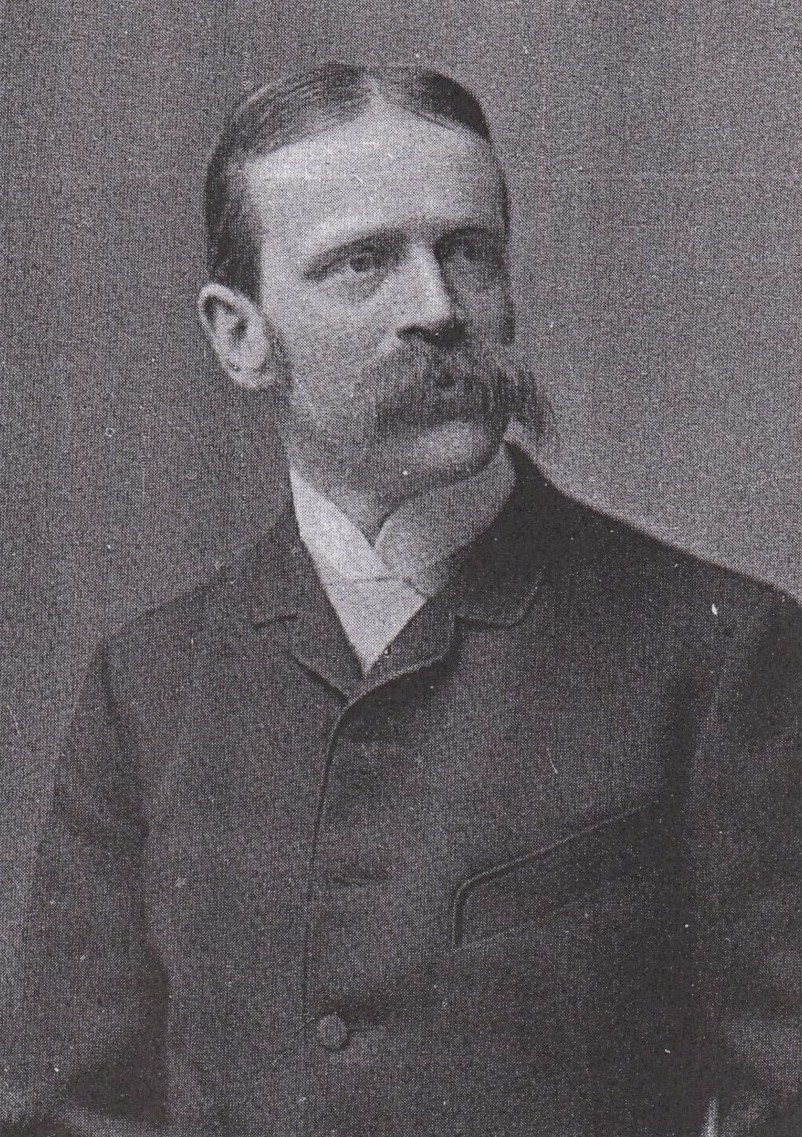 #53
#53
Fritz von Uhde
Uhde transposes biblical stories into contemporary workers' and peasants' homes. This movement brings the sacred closer to daily experience and gives his painting a singular social significance.
See the Fritz von Uhde collection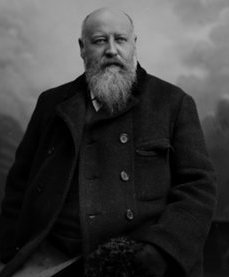 #54
#54
Christian Krohg
Krohg investigates Norwegian society, from fishermen to Kristiania's precarious women. Albertine and her maritime scenes combine empathy, clear storytelling and criticism of institutions.
See the Christian Krohg collection #55
#55
Erik Werenskiold
Werenskiold paints the Norwegian countryside and its inhabitants with attentive sobriety. His portraits and storybook illustrations give gestures and landscapes an unemphasized national identity.
See the Erik Werenskiold collection #56
#56
Harriet Backer
Backer builds his interiors by the colorful light that passes through windows, curtains and walls. Musicians and readers live in specific spaces where silence becomes almost tangible.
See the Harriet Backer collection #57
#57
Eilif Peterssen
Peterssen moves from historical portraiture to Nordic summer nights with great luminous accuracy. His figures remain solidly observed, even when the atmosphere becomes meditative.
See the Eilif Peterssen collection #58
#58
Albert Edelfelt
Edelfelt connects Parisian naturalism and Finnish subjects. Children, fishermen and coastal landscapes are painted with a clarity that combines national narrative, open air and social attention.
See the Albert Edelfelt collection #59
#59
Akseli Gallen-Kallela
Gallen-Kallela starts from the observation of Finnish peoples and landscapes before stylizing the epic of the Kalevala. His journey shows how reality can nourish a modern visual mythology.
See the Akseli Gallen-Kallela collection #60
#60
Helene Schjerfbeck
Schjerfbeck gradually reduces shapes and colors without losing the sharpness of the gaze. His numerous self-portraits record age, illness and identity with rare frankness.
See the Helene Schjerfbeck collection #61
#61
Aleksey Savrasov
Savrasov transforms thawing, muddy paths and the return of birds into pictorial events. The Rookes are back, founding a Russian landscape sensitive to the climate and modest signs of renewal.
See the Aleksey Savrasov collection #62
#62
Vasily Perov
Perov depicts the injustices of Russian life with an immediately readable narration. Funerals, courts and apprenticeships reveal power relations without reducing the characters to symbols.
See the Vasily Perov collection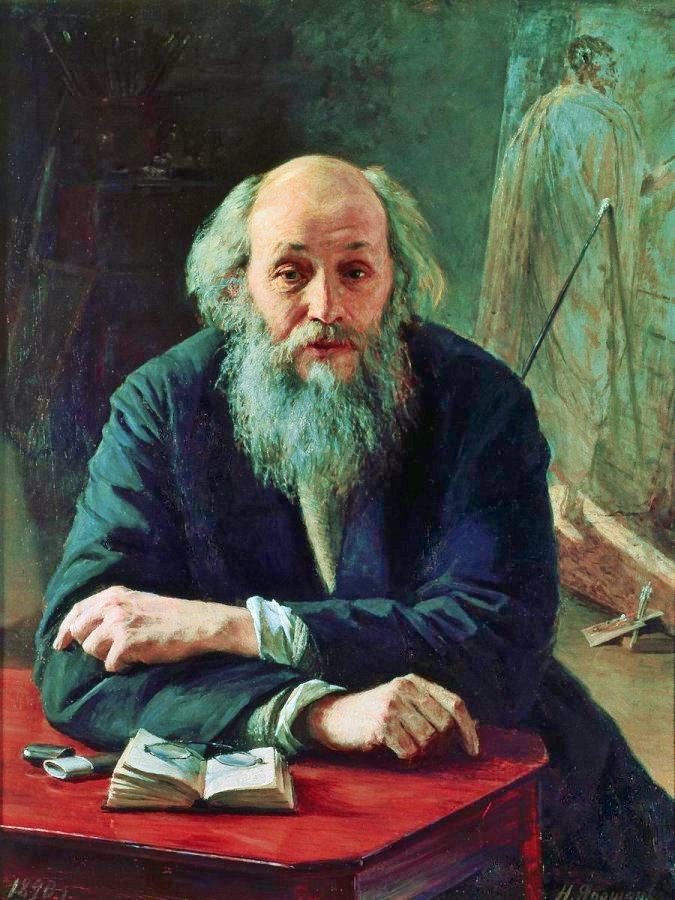 #63
#63
Nikolai Gay
Gay renews religious and historical painting with a stripped-down psychological intensity. His confrontations are based less on the decor than on the distance between the bodies and the tension of the looks.
See the Nikolai Gay collection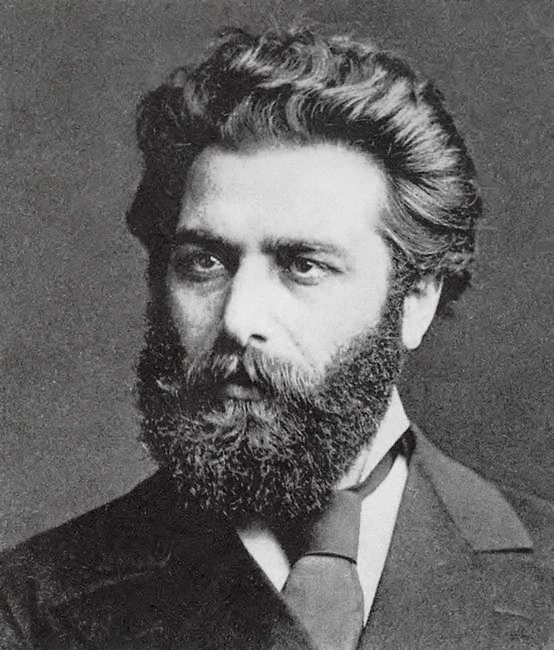 #64
#64
Arkhip Kouindji
Kouindji simplifies the landscape to focus all attention on light. Ukrainian nights, steppes and birches maintain a real anchor while achieving almost theatrical power.
See the Arkhip Kouïndji collection #65
#65
Ivan Kramskoy
Kramskoy makes portraiture a moral examination. Writers, strangers and figures of Christ appear in a sober light which forces us to meet the gaze rather than admire the status.
See the Ivan Kramskoy collection #66
#66
Nikolai Yaroshenko
Yaroshenko paints students, prisoners, workers and committed women with dignity without sentimentalism. His portraits give a face to the social transformations of Imperial Russia.
See the Nikolai Yaroshenko collection #67
#67
Abram Arkhipov
Arkhipov uses reds, pinks and impasto to restore the strength of rural workers. Its washerwomen and peasant women occupy the space with an energy that goes beyond the simple ethnographic document.
See the Abram Arkhipov collection #68
#68
Konstantin Savitsky
Savitski focuses on collective work and its constraints. Railway repairers, peasants and soldiers form dense groups where composition makes hierarchies visible.
See the Konstantin Savitsky collection #69
#69
Vladimir Makovsky
Makovsky excels in the genre scene where one detail changes everything: a visit, an expectation, an arrest. His sense of storytelling reveals class gaps and conflicting emotions.
See the Vladimir Makovsky collection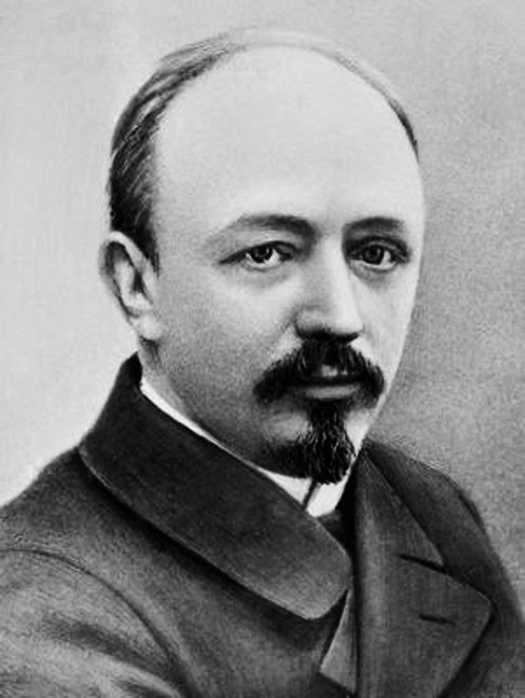 #70
#70
Nikolai Kassatkin
Kassatkin enters mines and working-class neighborhoods as Russia industrializes. He describes working conditions with a dark palette and unusual attention to women.
See the Nikolai Kassatkin collection #71
#71
Giovanni Fattori
Fattori builds Tuscan soldiers, horsemen and campaigns with large masses of color. Its realism rids national history of the great rhetorical gesture to rediscover fatigue, waiting and dust.
See the Giovanni Fattori collection #72
#72
Telemaco Signorini
Signorini chose places that official painting avoided: prisons, psychiatric hospitals and poor neighborhoods. The clear light of the Macchiaioli gives this social investigation immediate force.
See the Telemaco Signorini collection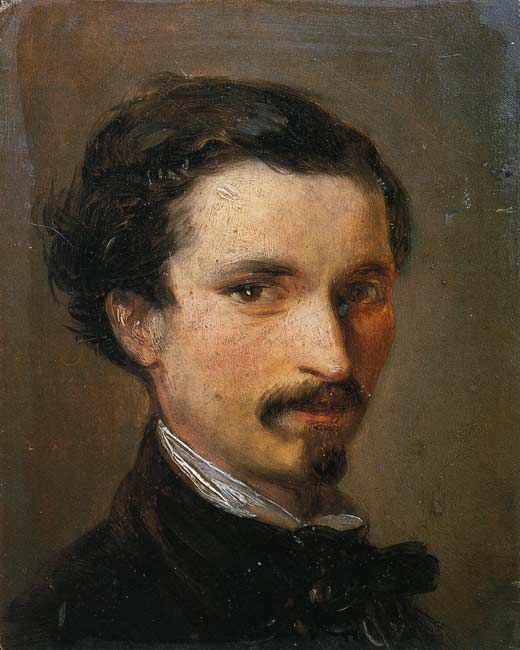 #73
#73
Silvestro Lega
Lega observes family life and Tuscan gardens in a light ordered by clear spots. His intimate scenes calmly render modern everyday life, without reducing it to a simple anecdote.
See the Silvestro Lega collection #74
#74
Antonio Mancini
Mancini accumulates paste, reflections and materials until the portrait vibrates. Street children and elegant models share the same unstable presence, grasping between precision and pictorial overflow.
See the Antonio Mancini collection #75
#75
Giuseppe Pellizza da Volpedo
Pellizza uses the division of color to give monumental clarity to the labor movement. The Fourth Estate transforms a collective march into a lasting image of political consciousness.
See the Giuseppe Pellizza da Volpedo collectionChapter IV · Ranks 76 to 100
From social naturalism to 20th century realism
Spain, Belgium, the Netherlands, France and the United States show how the description of the world goes through the ruptures of modernity.
 #76
#76
Ramon Casas
Casas chronicles Barcelona between cafes, events and new hobbies. His elegant drawing does not prevent social precision, whether he paints a tense crowd or a worldly portrait.
See the Ramon Casas collection #77
#77
Santiago Rusiñol
Rusiñol connects Catalan bohemia, silent gardens and theater. Its places remain observed with accuracy, but their solitude gives realism an interior tone.
See the Santiago Rusiñol collection #78
#78
Ignacio Zuloaga
Zuloaga confronts contemporary portraits, Castilian landscapes and the heritage of Velazquez. Its dark palette and sharp silhouettes build a rough Spain, far from the touristy picturesque.
See the Ignacio Zuloaga collection #79
#79
Jose Jimenez Aranda
Jiménez Aranda excels in street scenes and detailed historical reconstructions. His precise look at attitudes transforms each group into a readable social narrative.
See the José Jiménez Aranda collection #80
#80
Marià Fortuny
Fortuny combines virtuosity of drawing, brilliance of light and observation of objects. His genre scenes and Moroccan studies impose a material sensation that goes beyond the orientalist taste of his time.
See the Marià Fortuny collection #81
#81
Jozef Israels
Israels paints fishermen and poor families with grave restraint. Its brown interiors, crossed by a rare light, give work and mourning a dignity which will mark the Hague School.
See the Jozef Israels collection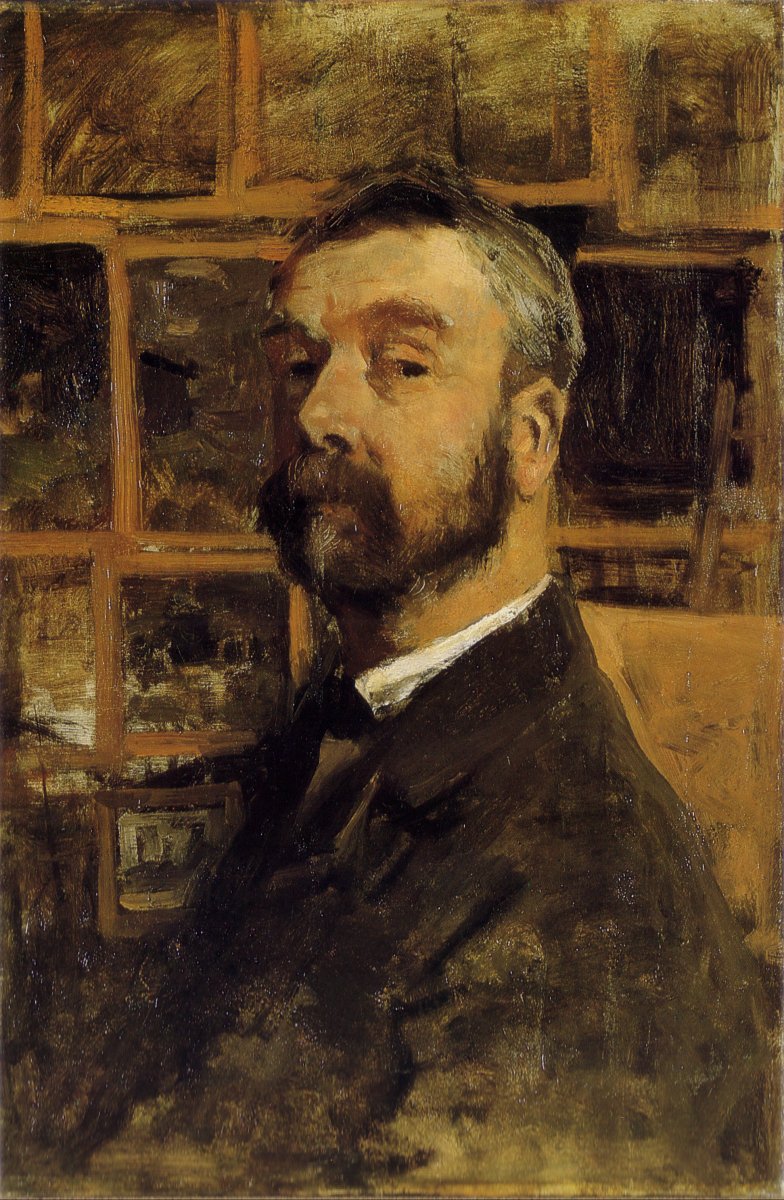 #82
#82
Anton Mauve
Mauve makes moors, herds and wet paths a climate experience. Its gray and green tones give the Dutch landscape a calm scale admired by the young Van Gogh.
See the Anton Mauve collection #83
#83
Willem Maris
Maris summarizes meadows, canals and livestock in humid light. Its free touch preserves the identity of the places while making the atmosphere the real subject.
See the Willem Maris collection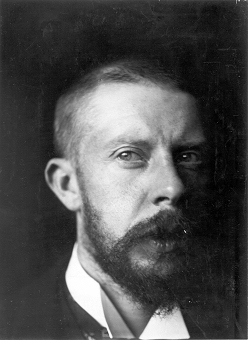 #84
#84
George hendrik breitner
Breitner paints Amsterdam to the rhythm of trams, construction sites and rain. His framing close to photography gives the modern street a dense and sometimes brutal energy.
See the George Hendrik Breitner collection #85
#85
Hendrik willem mesdag
Mesdag knows the North Sea through its changes of wind, light and swell. Its panoramas and seascapes precisely describe the work of boats and the immensity of the shore.
See the Hendrik Willem Mesdag collection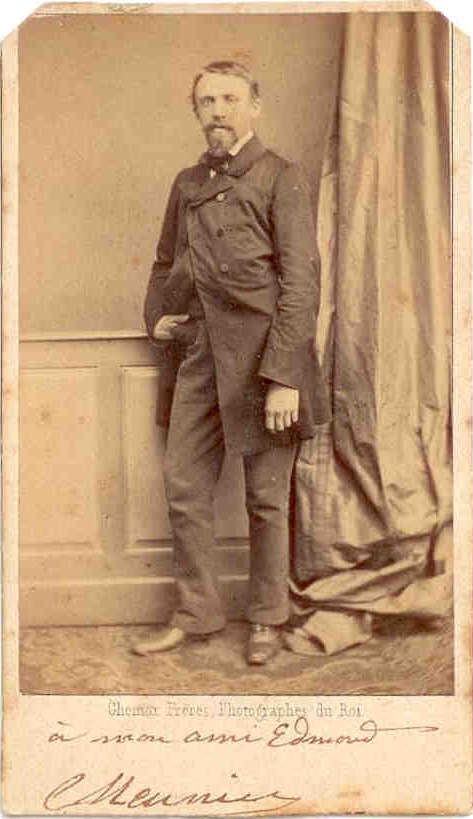 #86
#86
Constantin Meunier
Meunier gives a monumental form to Belgian miners, dockers and metallurgists. His painting prepares his sculptures by observing weight, gestures and solidarity in the industrial world.
See the Constantin Meunier collection #87
#87
Charles de Groux
De Groux places poor peasants and bereaved families at the center of severe compositions. His social realism, nourished by Courbet, had a strong impact on Belgian painting of the following generation.
See the Charles de Groux collection #88
#88
Leon Frederick
Frédéric combines a careful description of the rural world and ambitious symbolic compositions. Individualized faces prevent his great social allegories from becoming abstract.
See the Léon Frédéric collection #89
#89
Eugene Laermans
Laermans simplifies the silhouettes of peasants and workers to the point of giving them collective strength. Its processions advancing in flat landscapes express exclusion, anger and solidarity.
See the Eugène Laermans collection #90
#90
Fernand Pelez
Pelez applies the means of great painting to poor children and street artists. Its panoramic formats force the Salon to look at the precariousness that it preferred to keep at bay.
See the Fernand Pelez collection #91
#91
Pascal Dagnan-Bouveret
Dagnan-Bouveret prepares his paintings through photography and numerous studies. Pilgrims, peasants and Breton scenes thus gain a spatial precision which renews academic naturalism.
See the Pascal Dagnan-Bouveret collection #92
#92
Alphonse Legros
Legros divides his career between France and England, painting and engraving. Its austere profiles, its workers and its bare landscapes favor structure, line and the truth of character.
See the Alphonse Legros collection #93
#93
Léon Lhermitte
Lhermitte knows intimately the gestures of the harvest, the market and the payment of workers. Its charcoal and paint give the rural world scale without erasing the labor economy.
See the Léon Lhermitte collection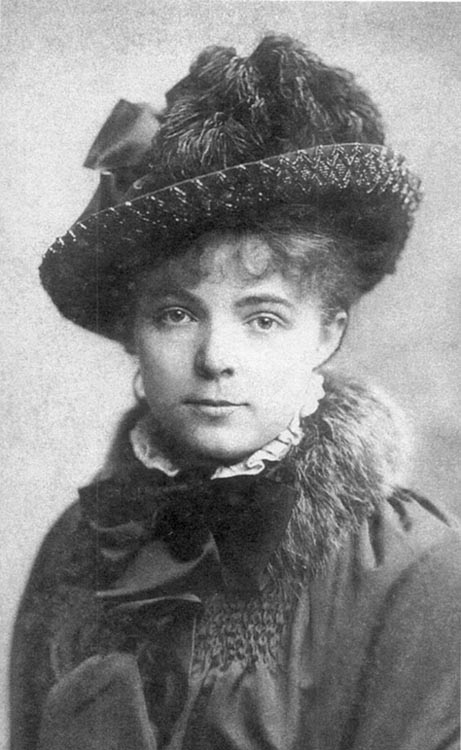 #94
#94
Marie Bashkirtseff
Bashkirtseff observes popular streets and children with direct attention. Despite a very short career, A meeting shows his ability to build a living group, far from the expected worldly portrait of a woman artist.
See the Marie Bashkirtseff collection #95
#95
Elizabeth Nourse
Nourse paints working women, mothers and peasant women without transforming them into decorative types. His sobriety and professional independence make him a major figure in American realism in Paris.
See the Elizabeth Nourse collection #96
#96
Anna Ancher
Ancher brings Skagen's light into modest interiors. Her women sew, read or wait in colorful compositions that grant quiet autonomy to everyday life.
See the Anna Ancher collection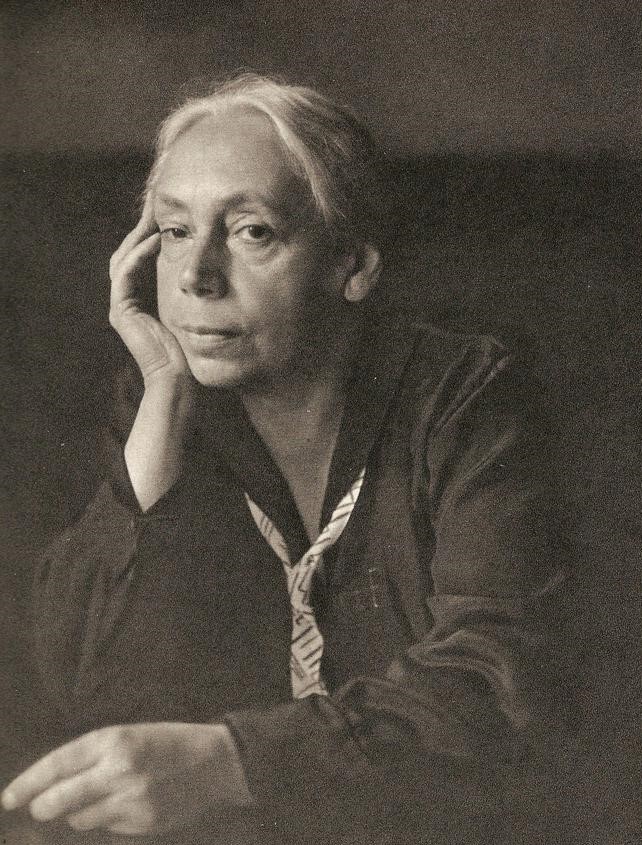 #97
#97
Käthe Kollwitz
Kollwitz gives workers, mothers and war victims unforgettable graphic power. Drawing, engraving and sculpture serve a committed realism based on the experience of mourning and solidarity.
See the Käthe Kollwitz collection #98
#98
Edward Hopper
Hopper builds cafes, rooms and roads like waiting scenes. Its geometric light makes American architecture very concrete while leaving open the stories of solitude that play out there.
Read Edward Hopper's biography on Wikipedia #99
#99
Andrew Wyeth
Wyeth patiently observes the homes, fields, and people of Pennsylvania and Maine. Its dry tempera transforms familiar places into mental landscapes without ceasing to respect their details.
Read Andrew Wyeth's biography on Wikipedia #100
#100
Norman Rockwell
Rockwell tells the story of America through immediately readable gestures, props and expressions. Behind the humor of its covers, its late images also address civil rights, exclusion and collective responsibility.
Read Norman Rockwell's biography on WikipediaSources and extensions
Continue the visit of realism
The landmarks were compared to museum collections and art history resources.
Realism continues to teach us to see
These hundred artists show that realism is not a simple faithful imitation. It is a way of paying attention to a face, a profession, a street or a landscape to the point of revealing what habit makes invisible. Its observation does not neutralize the world: it makes its tensions more readable.
To choose a reproduction, observe the desired presence: Courbet imposes the material, Millet the gravity of the gesture, Repin the power of the story, Sorolla the light and Hopper the architectural silence. Each sheet then allows you to continue the discovery artist by artist.
0 comments